
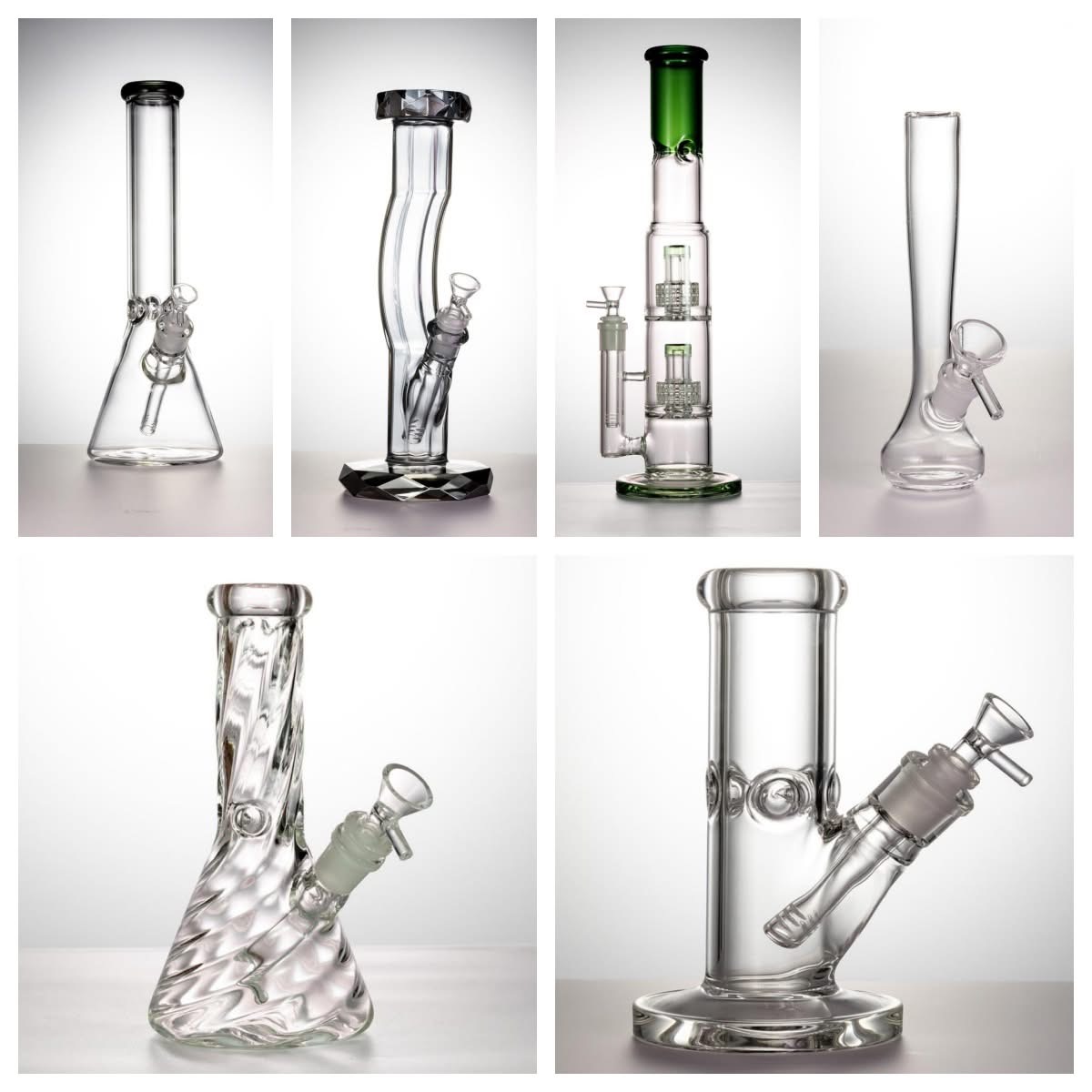
If your customers are searching for how to clean glass pieces, they are already engaged with the products you stock. That curiosity is a signal: they own glass, they use it regularly, and they want to keep it in top condition. The problem is that most of the advice floating around the internet is either incomplete or outright wrong, and when a customer follows bad guidance, the result is a scratched, clouded, or cracked piece that they blame on your brand.
As a retailer, you have an opportunity to become the trusted source of cleaning knowledge. By sharing accurate, practical guidance, you protect your customers’ experience, reinforce their confidence in your store, and drive repeat purchases. This article gives you the complete toolkit: daily maintenance tips you can print on cards, a proven deep-cleaning method, product-specific advice, and even ideas for upselling cleaning kits. Every recommendation here is grounded in the realities of borosilicate glass, the material used in quality hand pipes, water pipes, and dab rigs.
Whether you operate a head shop, an online glass gallery, or a lifestyle retail outlet, the guidance below will help you support your customers long after the sale. Let us get into it.
Key Takeaways
- Glass that is not cleaned properly loses clarity, develops residue buildup, and shortens the product lifespan, which directly hurts repeat sales.
- A simple isopropyl alcohol and coarse salt solution removes most resin buildup in 15 to 30 minutes without scratching the surface.
- Different products, hand pipes, water pipes, and dab rigs each require slightly different cleaning approaches due to their geometry and material thickness.
- Abrasive scrubbers, bleach-based cleaners, and sudden temperature changes are the three most common causes of preventable glass damage.
- Retailers can bundle cleaning supplies into upsell kits, turning a maintenance task into an additional revenue stream.
- Sharing printed care cards with every purchase reduces customer complaints and builds brand loyalty.
- Borosilicate glass tolerates heat far better than soda-lime glass, but thermal shock can still fracture even the highest-quality pieces.
Table of Contents
- Why Glass Cleaning Matters for Repeat Sales
- Daily Maintenance Tips Retailers Can Print on Cards
- Deep Cleaning: Isopropyl Alcohol and Salt Method
- What Retailers Should Never Recommend
- Cleaning by Product Type: Hand Pipes vs Water Pipes vs Dab Rigs
- Packaging Cleaning Kits as a Retail Upsell
- Conclusion
Why Glass Cleaning Matters for Repeat Sales
A glass pipe that arrives clean and pristine sets an expectation. Every subsequent use either maintains that standard or degrades it. When resin accumulates inside a bowl or along the walls of a water pipe, the smoking experience changes: flavors flatten, airflow restricts, and the glass itself begins to look dull. Customers who have a degraded experience rarely trace the problem back to cleaning. They simply lose enthusiasm for the product, and when it is time to buy again, they look elsewhere.
For retailers, the connection is direct. Clean glass performs better, looks better, and lasts longer. Customers who maintain their pieces are more satisfied, leave better reviews, and return for upgrades. The brands that provide cleaning guidance at the point of sale, whether through packaging inserts, QR codes linking to care guides, or in-store advice, position themselves as partners rather than vendors. That distinction matters in a market where product quality is often comparable across sellers.
There is also a warranty and liability angle. Glass that is damaged by improper cleaning methods, boiling water, steel wool, or ammonia-based cleaners, is frequently brought back to the retailer as a defect. When you equip customers with correct cleaning knowledge upfront, you reduce return rates and protect your margins.
Daily Maintenance Tips Retailers Can Print on Cards
The most effective cleaning routine is the one that happens between deep cleans. Daily maintenance prevents resin from hardening into a stubborn layer that requires aggressive solvents to remove. These tips are short enough to fit on a postcard or a small insert card that ships with every order.
Rinse after every use. A quick pass with warm water removes the majority of fresh resin before it cures. Customers who make this a habit will find that their deep cleans take a fraction of the time. The water should be warm, not hot. Sudden temperature changes are the enemy of glass, even borosilicate.
Empty water pipes between sessions. Standing water develops mineral deposits and promotes bacterial growth. Encourage customers to dump and rinse the chamber after each use. For water pipes with complex percolators, a quick shake with fresh water inside helps dislodge residue from hard-to-reach diffuser slots.
Use isopropyl wipes for exterior surfaces. The outside of a piece collects fingerprints, oils, and dust. A quick wipe with a 70% isopropyl pad keeps the glass looking showroom-clean without any soaking or disassembly.
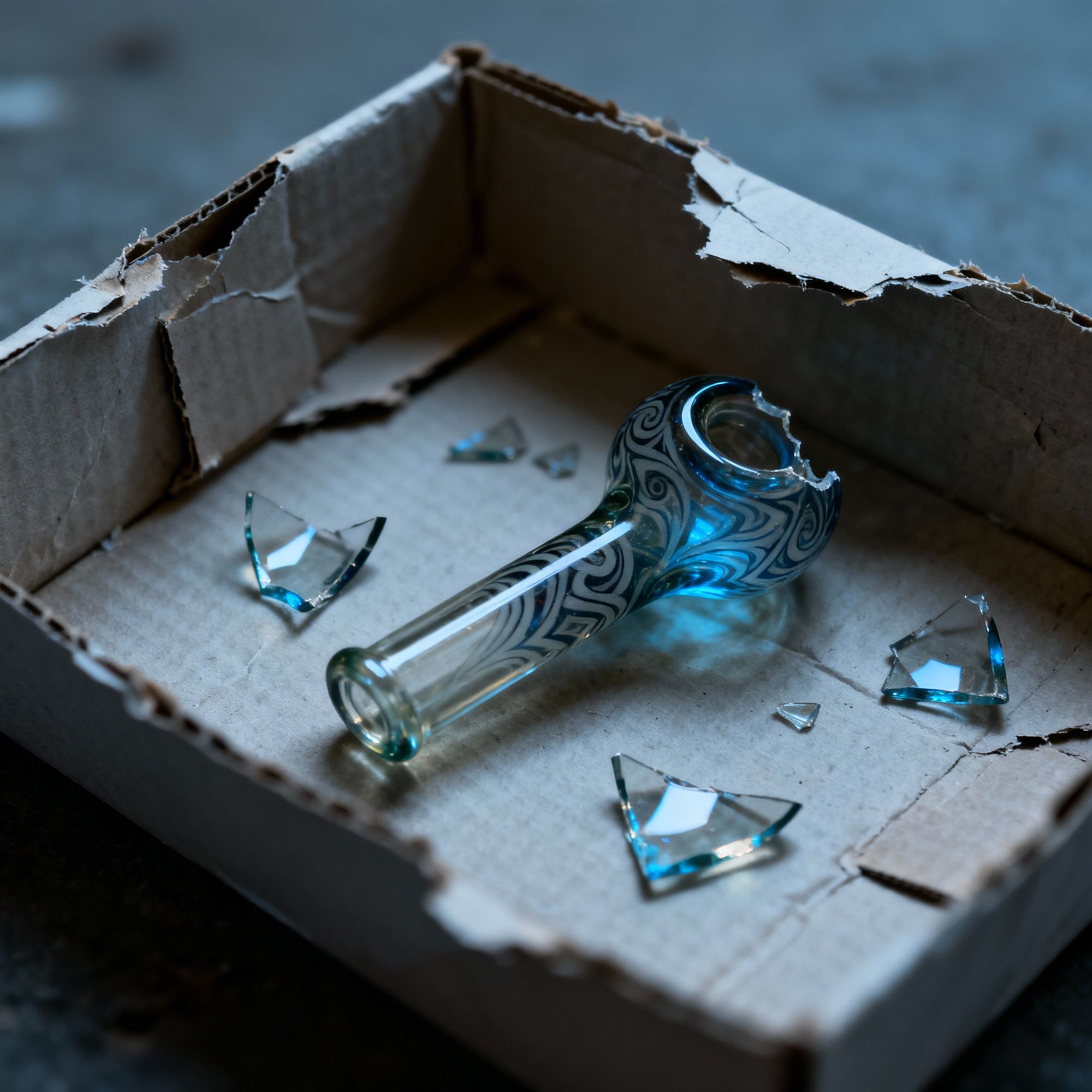
Store pieces upright and stable. Knocking a piece against a hard surface is the most common cause of chips and cracks. A simple storage recommendation, keep it upright on a soft mat or in a padded case, prevents the majority of physical damage.
Retailer tip: Print these four tips on a small card and include it in every order. The cost is pennies per card, but the perceived value is significant. Customers remember brands that teach them something useful.
Source Premium Glass for Your Store
Elfglass manufactures hand pipes, water pipes, dab rigs, and accessories with the precision your customers expect. MOQ starts at 100 pieces per SKU, with custom molds exclusive to your brand.
Stock the Glass Pipes Your Customers Actually Buy
Elfglass produces the full wholesale catalog, from hand pipes and sherlocks to dab rigs, percolator bongs, and accessories, in proven best-selling specs. Tell us your market and we will recommend a catalog mix with pricing.
MOQ from 100 pieces | BSCI / WRAP / ISO 9001 | NDA before every project
Deep Cleaning: Isopropyl Alcohol and Salt Method
When daily maintenance is not enough and resin has built up into a visible layer, the isopropyl alcohol and coarse salt method is the industry standard. It works on every type of glass pipe, from simple hand pipes to complex water pipes with multi-chamber percolators, and it requires nothing more than three household items.
What you need:
- 91% or 99% isopropyl alcohol (higher concentration dissolves resin faster)
- Coarse salt (kosher salt or coarse sea salt; the grains act as a gentle abrasive)
- Zip-lock bags or sealed containers (for soaking pieces with openings too small to scrub)
The process:
First, plug the openings of the piece with paper towels or rubber stoppers. Add two to three tablespoons of coarse salt into the chamber. Pour enough isopropyl alcohol to coat the interior surfaces. Seal the openings and shake vigorously for two to three minutes. The salt grains scrub the walls mechanically while the alcohol dissolves the resin chemically. For heavily soiled pieces, let the solution sit for 15 to 30 minutes before shaking again.
After shaking, empty the solution and rinse thoroughly with warm water. If residue remains, repeat the process. For water pipes with percolators, you may need to target individual diffusion holes with a cotton swab dipped in alcohol. Finally, let the piece air-dry completely before use.
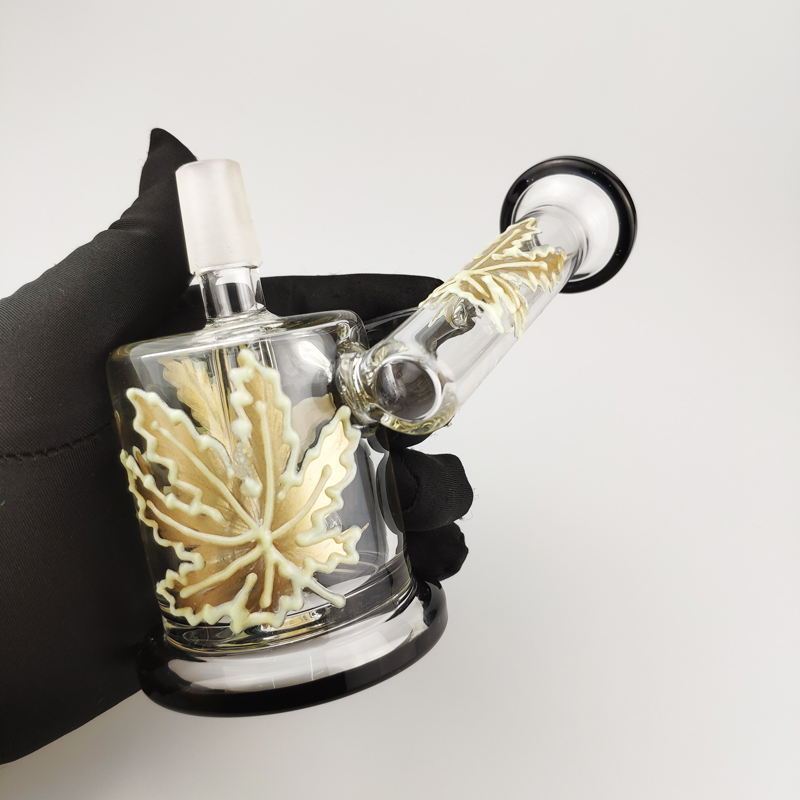
This method is safe for borosilicate glass, which is the standard material used in quality hand pipes, water pipes, and dab rigs. The salt will not scratch the glass surface because borosilicate ranks higher on the Mohs hardness scale than the salt crystals. However, customers with painted or printed exterior designs should avoid getting alcohol on those surfaces, as it can degrade decorative finishes.
What Retailers Should Never Recommend
Just as important as knowing the right method is knowing what to avoid. These common mistakes cause more glass damage than anything else, and they are the ones most frequently repeated on social media and forums. If your store shares cleaning guidance, make sure these warnings are front and center.
Abrasive scrubbers and steel wool. Glass may look impervious, but the surface can be microscopically scratched by metal scouring pads or harsh scrubbing sponges. These scratches create rough spots where resin adheres more aggressively, making future cleaning harder. Over time, the glass develops a permanent cloudy appearance. Always recommend soft cloths, cotton swabs, or pipe cleaners.
Boiling water for cleaning. Some online guides suggest boiling glass pieces to soften resin. While borosilicate glass has a higher thermal tolerance than ordinary glass, rapid temperature changes can still cause thermal shock and fracture. If a customer wants to use warm water, it should be added gradually and never at a rolling boil. The safer approach is the alcohol-and-salt method, which requires no heat at all.
Bleach and ammonia-based cleaners. These chemicals leave residues that are extremely difficult to fully rinse from glass, especially from porous joints and ground-glass connections. When heated during use, residual bleach or ammonia can release harmful fumes. They also degrade silicone gaskets and O-rings commonly found in parts and accessories.
Acetone on decorated or printed glass. Acetone is an effective solvent for raw resin, but it will strip paint, screen prints, and certain types of labels. Customers with decorated pieces should stick to isopropyl alcohol and test on a small, inconspicuous area first.
Cleaning by Product Type: Hand Pipes vs Water Pipes vs Dab Rigs
Not all glass pieces are built the same, and their cleaning requirements differ accordingly. A simple spoon hand pipe can be cleaned in minutes, while a multi-perc water pipe may require a more methodical approach. Dab rigs, which operate at higher temperatures and handle concentrates rather than flower, have their own set of considerations. Here is a comparison to help your customers match the method to the piece.
| Product Type | Primary Residue | Recommended Method | Soak Time | Special Notes |
|---|---|---|---|---|
| Hand Pipes | Dry flower resin, ash | Alcohol + salt shake | 10-15 min | Focus on the bowl and airway; use a pipe cleaner for the draft hole |
| Water Pipes (Bongs) | Resin, mineral deposits, water scale | Alcohol + salt soak, perc-by-perc rinse | 20-30 min | Disassemble removable parts; clean downstem and bowl separately; use cotton swabs for perc holes |
| Dab Rigs | Concentrate residue (wax, oil, terp) | High-concentration (99%) IPA soak | 15-20 min | Clean the banger or nail separately; avoid salt in narrow chambers; use q-tips for the joint connection |
| Glass Accessories (Terp Pearls, Bowls) | Concentrate or flower residue | Alcohol soak in a small container | 10-15 min | Small items can soak in a shot glass or jar; agitate gently; rinse thoroughly |
The key takeaway for your customers is concentration matters. Hand pipes that see moderate use can be maintained with 70% isopropyl alcohol, but dab rigs and heavily soiled water pipes benefit from 91% or 99% concentration. The higher the alcohol purity, the faster it dissolves concentrate residue.
For water pipes with complex percolator systems, customers should work section by section. Pour the alcohol-salt mixture into the main chamber first, shake, then tilt the piece to direct flow through each perc. This ensures every diffusion point gets cleaned, not just the main chamber.
Packaging Cleaning Kits as a Retail Upsell
Cleaning is not just a maintenance task; it is a revenue opportunity. Retailers who assemble and sell glass cleaning kits alongside their pipe inventory create an add-on purchase that feels natural to the customer. The kit concept works because it removes the friction of sourcing supplies separately.
A basic kit might include:
- A bottle of 91% isopropyl alcohol (120ml travel size)
- A small bag of coarse kosher salt
- A pack of pipe cleaners in assorted diameters
- A cotton swab pack
- A printed care card with the tips from this article
A premium kit could add:
- A silicone cleaning plug set for different joint sizes
- A microfiber drying cloth branded with your store logo
- A replacement O-ring pack for water pipe joints
- A QR code linking to a video cleaning tutorial
The economics are straightforward. Sourcing these items in bulk brings the per-kit cost well below the retail price, and the perceived value to the customer is high because the kit solves a problem they already have. Position the kit near the register or add it as a suggested add-on during online checkout. Many customers who just purchased a new piece will appreciate the convenience of having everything they need for its first deep clean.
For retailers working with manufacturers like Elfglass, there is an additional option: request that your supplier include branded care cards or small cleaning sachets inside each product’s packaging. Since Elfglass signs an NDA before every project and treats custom molds as exclusive to each client, they can accommodate branded packaging inserts as part of a production run. With a monthly capacity of 10,000 units and sampling completed in one to three days after spec approval, the turnaround for custom packaging additions is fast.
Conclusion
Glass cleaning is not glamorous, but it is one of the most impactful topics a retailer can address. When you give customers the knowledge to maintain their pieces, you extend the product lifespan, improve the user experience, and build the kind of trust that turns one-time buyers into loyal, repeat customers. The guidance in this article, from daily rinses to deep-cleaning ratios to product-specific methods, gives you a complete framework to share.
The retailers who win in the glass market are not just those who stock the best products. They are the ones who support their customers through the entire ownership journey. Cleaning guidance is a small investment that pays for itself in reduced returns, stronger reviews, and higher lifetime customer value.
If you are looking for a manufacturing partner who understands the importance of product quality from the factory floor to the customer’s hands, Elfglass brings over a decade of expertise to every project. With certifications including BSCI, WRAP, and ISO 9001, a 12-hour quote response time, and production capacity of 10,000 units per month, we make it easy for retailers to source premium glass pieces that their customers will love and maintain with pride.
Ready to Source Glass Your Customers Will Love?
Elfglass is a B2B glass pipe manufacturer with the soul of a designer. From hand pipes to dab rigs, every piece is crafted for quality and built to last. Get a quote within 12 hours.
Frequently Asked Questions
How often should customers clean their glass pieces?
For daily users, a quick rinse with warm water after each use and a full deep clean every one to two weeks is ideal. Occasional users can extend deep cleaning to once a month. The key is preventing resin from building up to the point where it requires extended soaking or repeated treatments.
Can customers use vinegar instead of isopropyl alcohol?
Vinegar is a mild acid and can work for light mineral deposits, but it is not effective at dissolving resin and concentrate buildup. Isopropyl alcohol at 91% or higher concentration is the recommended solvent for glass pipe cleaning. It evaporates cleanly, leaves no residue, and is safe for borosilicate glass.
Is it safe to boil glass pipes to clean them?
No. Even high-quality borosilicate glass can fracture under thermal shock if subjected to rapid temperature changes. Boiling water creates uneven stress points, especially at joints and perc connections. The isopropyl alcohol and salt method achieves the same cleaning result without any heat risk.
What is the best way to clean dab rig bangers and nails?
Bangers should be cleaned while still warm (not hot) using a dry q-tip to wipe out residual concentrate. For a deeper clean, soak the banger in 99% isopropyl alcohol for 10 to 15 minutes, then wipe with a cotton swab. Avoid dropping a hot banger into cold liquid, as the thermal shock can crack the quartz or glass.
How can retailers add value with cleaning guidance?
Retailers can include printed care cards with every purchase, create QR-code-linked video guides, assemble and sell cleaning kits as add-ons, or feature cleaning tips in their email newsletters. Each of these touchpoints reinforces the retailer’s expertise and gives customers a reason to return to the same store for future purchases.
Does Elfglass offer custom packaging with care instructions?
Yes. Elfglass supports custom packaging and branded inserts as part of their OEM and ODM services. Since every project begins with an NDA and custom molds are exclusive to each client, retailers can request that care cards, cleaning instructions, or branded materials be included inside product packaging. Contact the team for a quote with a 12-hour response time.
About the Author
Ava Zeng is the founder of Elfglass, a Shenzhen-based borosilicate glass pipe manufacturer serving B2B brands worldwide. Every guide on this site is grounded in her production-floor experience— the annealing lines, QC checkpoints, and export orders behind each claim. Common cleaning solvents like isopropyl alcohol. The salt-abrasion cleaning method uses common sodium chloride.
Before you commit to a supplier, read her founder’s story and trust promise, and the guide to vetting a reliable glass pipe manufacturer— the same red-flag checklist Elfglass applies to its own suppliers.
Ready to Source Custom Glass Pipes?
Get a free quote within 24 hours. MOQ from 100 pieces. NDA-protected design consultation.
