
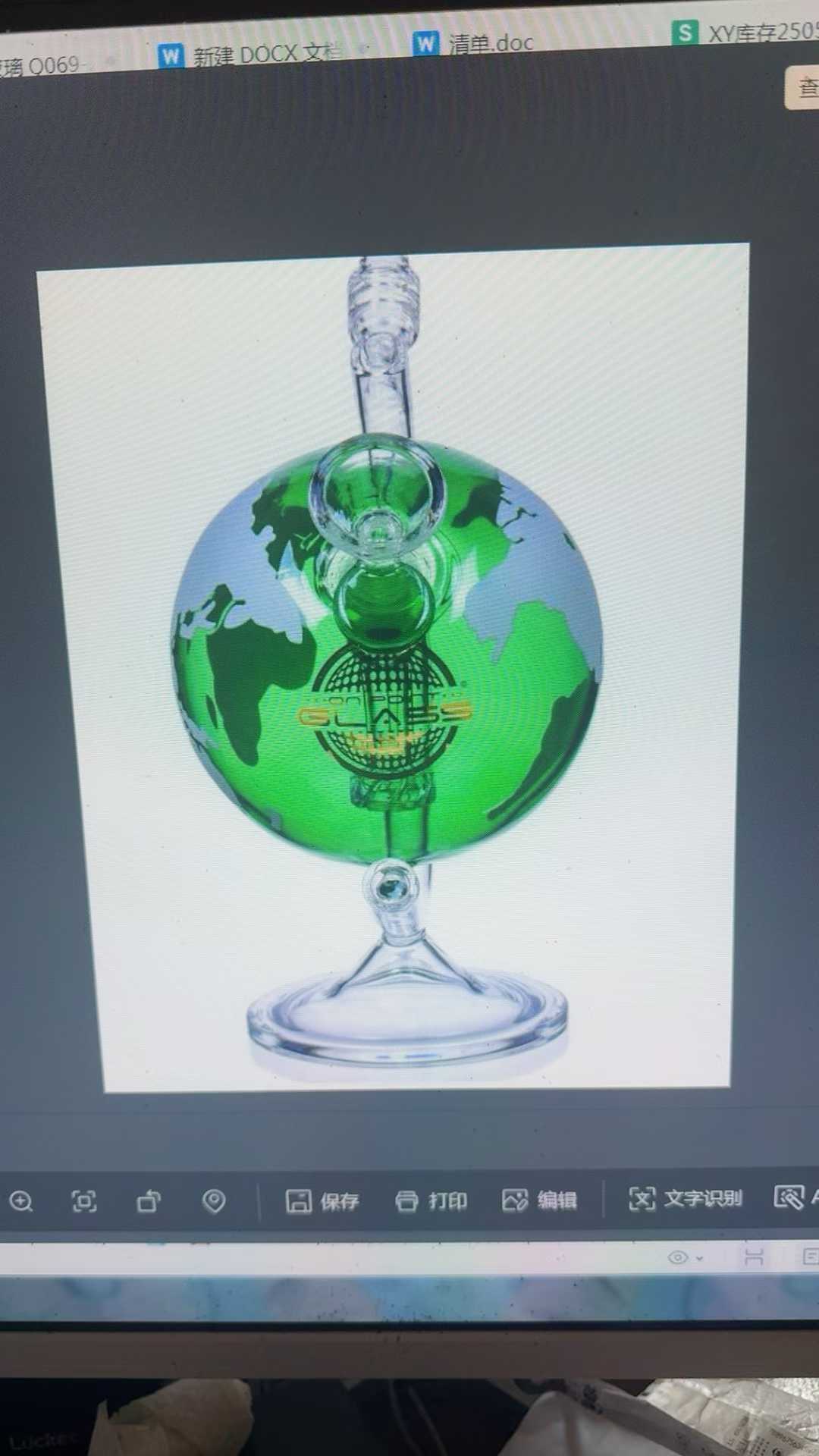
Glass pipes are one of the most photogenic products in the smoke shop category—light refracts through borosilicate walls, percolators create visual complexity, and hand-blown shapes range from minimalist to sculptural. Yet most wholesale buyers and retailers struggle with product photography, producing images that either misrepresent the product or fail to convert browsers into buyers.
This guide covers the technical and strategic decisions behind glass pipe product photography for e-commerce, from lighting setups and background choices to the shot list that turns a single product into multiple selling angles. Whether you are launching a DTC brand or photographing inventory for your online store, these principles apply.
Key Takeaways
- Glass requires diffused, multi-angle lighting to avoid harsh reflections and showcase percolator detail.
- A minimum shot list includes: hero (45°), straight-on, top-down, detail macro, scale reference, and lifestyle context.
- White background product shots convert best on marketplace listings; lifestyle shots convert best on brand websites.
- Consistent image dimensions and aspect ratios across your catalog build trust and reduce return rates.
- Mobile-first cropping matters: over 60% of smoke shop e-commerce traffic comes from mobile devices.
Why Glass Is Harder to Photograph Than Other Products
Glass is transparent, reflective, and refractive—all properties that make it visually appealing in person but technically challenging to capture. The three core problems:
- Reflections. Glass surfaces act as mirrors. A single bare light source creates hot spots that obscure the product shape. The solution is large, diffused light sources positioned at angles that bounce off the glass toward the camera rather than into it.
- Transparency. A clear glass pipe against a white background can disappear. The glass needs contrast—either a dark or mid-tone background, or edge lighting that defines the silhouette.
- Internal detail. Percolators, ice catchers, and internal diffusers are key selling points but require specific angles to be visible. A straight-on shot of a beaker bong shows the outer shape but hides the percolator inside.
Essential Equipment (Under $500)
You do not need a professional studio to produce catalog-quality glass pipe images. Here is a functional setup:
- Camera: Any modern smartphone (iPhone 13 or later, Samsung S21 or later) with manual exposure control. DSLR is a bonus but not required.
- Light tent or diffusion panels: A 16-inch light tent ($30-50 on Amazon) eliminates harsh reflections for small items like hand pipes and dab rigs. For larger water pipes, two foam-core boards with tracing paper clipped in front of your light sources work.
- Turntable: A motorized turntable ($40-80) enables consistent 360° product shots. Essential if you plan to offer rotating views on your website.
- Macro lens attachment: A clip-on macro lens ($15-30) for smartphones reveals percolator detail and joint craftsmanship that standard lenses miss.
- Backgrounds: Seamless white poster board for marketplace listings; dark slate or wood veneer for lifestyle-style brand shots. Both cost under $20.
The Seven-Shot Minimum: A Glass Pipe Shot List
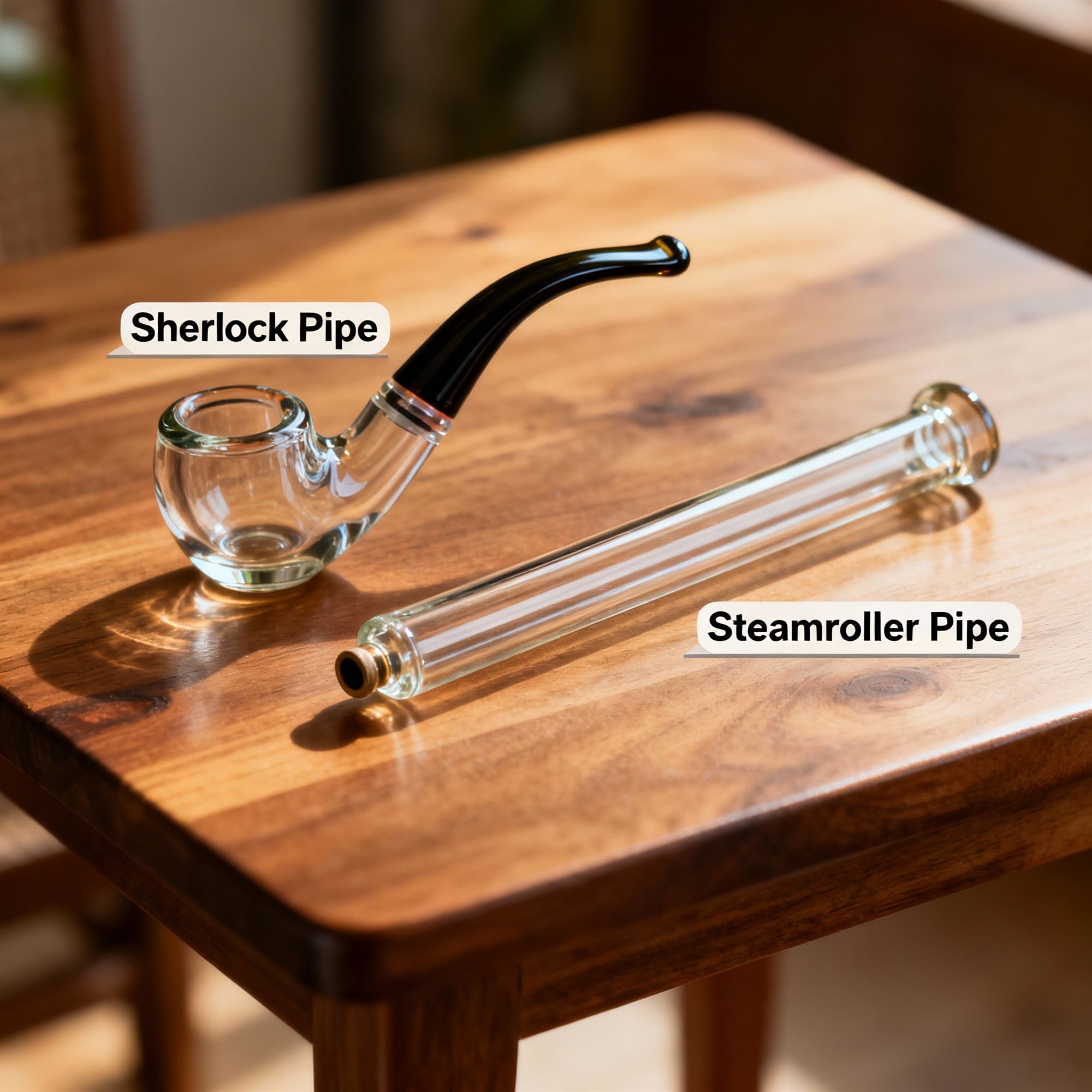
Every glass pipe product in your catalog should have at minimum seven images. Here is the shot list and the purpose each image serves:
| Shot | Angle / Setup | Purpose |
|---|---|---|
| 1. Hero (45°) | Product at 45 degrees, slightly above eye level | Main listing image. Shows overall shape and proportion. Works as the thumbnail in search results. |
| 2. Straight-on | Camera at product center height | Shows the front profile. Important for hand pipes with front-facing designs or logos. |
| 3. Top-down | Camera directly above, product on flat surface | Shows the bowl joint, carb hole, and overall footprint. Helps buyers visualize size. |
| 4. Detail macro | Close-up of percolator, joint, or artistic element | Shows craftsmanship quality. Justifies premium pricing. |
| 5. Scale reference | Product next to a common object (coin, hand, ruler) | Reduces “it was bigger/smaller than I expected” returns. |
| 6. Backlight | Light source behind the product | Showcases glass transparency and color. Particularly effective for colored or fumed glass. |
| 7. Lifestyle / in-use | Product in a styled setting (on a table, in a hand) | Builds brand context. Converts browsers on brand websites and social media. |
For wholesale water pipes and larger pieces, add an eighth shot showing the full assembly with downstem and bowl installed. Buyers need to see the complete product, not just the main body.
Lighting Techniques for Clear Glass
The goal is to define the edges of the glass without creating hot spots. Two proven approaches:
The Light Tent Method (Small Items)
Place the hand pipe, dab rig, or small water pipe inside a collapsible light tent with LED strips on both sides. The tent diffuses the light into a soft, even glow that wraps around the glass. This eliminates harsh reflections and produces clean, consistent images across your catalog. Set your camera’s white balance to “daylight” or 5500K to match the LED color temperature.
The Two-Light Edge Method (Large Items)
For beaker bongs and large water pipes that do not fit in a light tent, position two strip-box softboxes behind the product, one on each side, angled toward the glass edges. The camera shoots from the front with no frontal lighting. This creates bright edge highlights that define the glass silhouette against a darker center. The technique is standard in beverage photography and works identically for glass.
Background Choices: White vs. Dark vs. Lifestyle
Your background decision should be driven by where the image will live:
- Pure white (RGB 255,255,255): Required by Amazon, eBay, and most marketplace platforms. Also the default for your own product listing pages. Consistency across a white-background catalog signals professionalism.
- Dark or mid-tone: Effective for hero banners, social media posts, and market-specific landing pages. Dark backgrounds make clear glass glow and add perceived value.
- Lifestyle / contextual: Best for blog content, Instagram, and brand storytelling. A pipe on a wooden table next to a grinder and a bag of herbs tells the buyer what the product experience looks like.
The most effective e-commerce catalogs use white backgrounds for listing pages and lifestyle shots for product detail pages. If you can only produce one set, shoot white-background first—lifestyle shots can be added later without disrupting your listing consistency.
Image Specifications for E-Commerce Platforms
Different platforms have different requirements. Here are the current standards for the most common channels smoke shop retailers use:
| Platform | Minimum Size | Aspect Ratio | Background |
|---|---|---|---|
| Amazon | 1600 x 1600 px | 1:1 (square) | Pure white required for main image |
| Shopify (your site) | 2048 x 2048 px | 1:1 recommended | White for listings; lifestyle for PDP |
| Instagram Shopping | 1080 x 1080 px | 1:1 or 4:5 | Any; lifestyle performs better |
| Google Shopping | 800 x 800 px | 1:1 recommended | White preferred |
Shoot at the highest resolution your camera allows (at least 2048 x 2048 px) and downscale for each platform. This preserves detail for zoom functionality on your own site while meeting minimum requirements everywhere else.
Mobile-First Considerations
Over 60% of e-commerce traffic in the smoke shop category comes from mobile devices. This affects your photography in three ways:
- Thumbnail legibility. Your hero image must be recognizable and appealing at 150 x 150 pixels (the typical mobile grid thumbnail). This means the product should fill at least 70% of the frame—no excessive negative space.
- Vertical composition. If you are producing lifestyle shots for social media, shoot in 4:5 (portrait) format. This occupies more screen real estate on Instagram and Pinterest, increasing engagement.
- File size optimization. Large images slow page load times on mobile networks. Use WebP format (not JPEG or PNG) for your website. Most e-commerce platforms and CDNs now support WebP with automatic fallback. Target file sizes under 200 KB per image.
Want Product-Ready Glass That Photographs Perfectly?
Elfglass produces fire-polished, bubble-free borosilicate pieces with consistent color and clarity, so every marketplace photo comes out sharp and true-to-life without retouching. Send your catalog and get a quote within 12 hours.
MOQ from 100 pieces | BSCI / WRAP / ISO 9001 | NDA before every project
Working With Your Manufacturer for Product Images
If you are a wholesale buyer sourcing from a factory like Elfglass, request product photos before your order ships. A manufacturer with an in-house photography setup can provide:
- Pre-production samples photographed on white and dark backgrounds
- Detail shots of joints, percolators, and any custom elements
- Dimensional reference photos with measurements overlaid
These images serve double duty: they help you verify production quality before the order ships, and they give you a head start on your own product listings. For custom OEM orders, approval photos are essential—confirm the finished product matches your design files before committing to a full production run.
Frequently Asked Questions
What is the best camera for glass pipe product photography?
Any modern smartphone with manual exposure control produces catalog-quality results. The iPhone 15 Pro, Samsung Galaxy S24, and Google Pixel 8 all have macro modes capable of capturing percolator detail. A DSLR with a 50mm or 100mm macro lens offers more control but is not necessary for most retailers.
How do I photograph clear glass without it disappearing?
Use edge lighting: position two light sources behind the product, one on each side, aimed at the glass edges. Shoot from the front with no frontal light. This creates bright outlines that define the glass shape against a darker background. Alternatively, use a mid-tone gray background to provide contrast.
How many product images should each glass pipe listing have?
A minimum of seven images: hero (45°), straight-on, top-down, detail macro, scale reference, backlight, and lifestyle. For wholesale listings, add assembly shots and dimension overlays. More images reduce return rates by setting accurate expectations.
Should I use JPEG, PNG, or WebP for my e-commerce site?
Use WebP for your website—it offers 25-35% smaller file sizes than JPEG at equivalent quality. Use JPEG for marketplace uploads (Amazon, eBay) which typically do not accept WebP. Never use PNG for product photos; it produces unnecessarily large files without quality benefits for photographic content.
Can I use AI-generated images for my glass pipe listings?
No. AI-generated images misrepresent the actual product and increase return rates. Use real photographs of the physical product. AI tools can assist with background removal and color correction, but the product itself must be photographed from life.
Ready to Start Your Custom Glass Pipe Project?
Get a free quote within 24 hours. MOQ from 100 pieces. NDA-protected design consultation.
About the Author
Ava Zeng is the founder of Elfglass, a Shenzhen-based borosilicate glass pipe manufacturer serving B2B brands worldwide. Every guide on this site is grounded in her production-floor experience— the annealing lines, QC checkpoints, and export orders behind each claim.
Before you commit to a supplier, read her founder’s story and trust promise, and the guide to vetting a reliable glass pipe manufacturer— the same red-flag checklist Elfglass applies to its own suppliers.
Have questions about product photography for your glass pipe listings? Contact our team for guidance tailored to your market.
