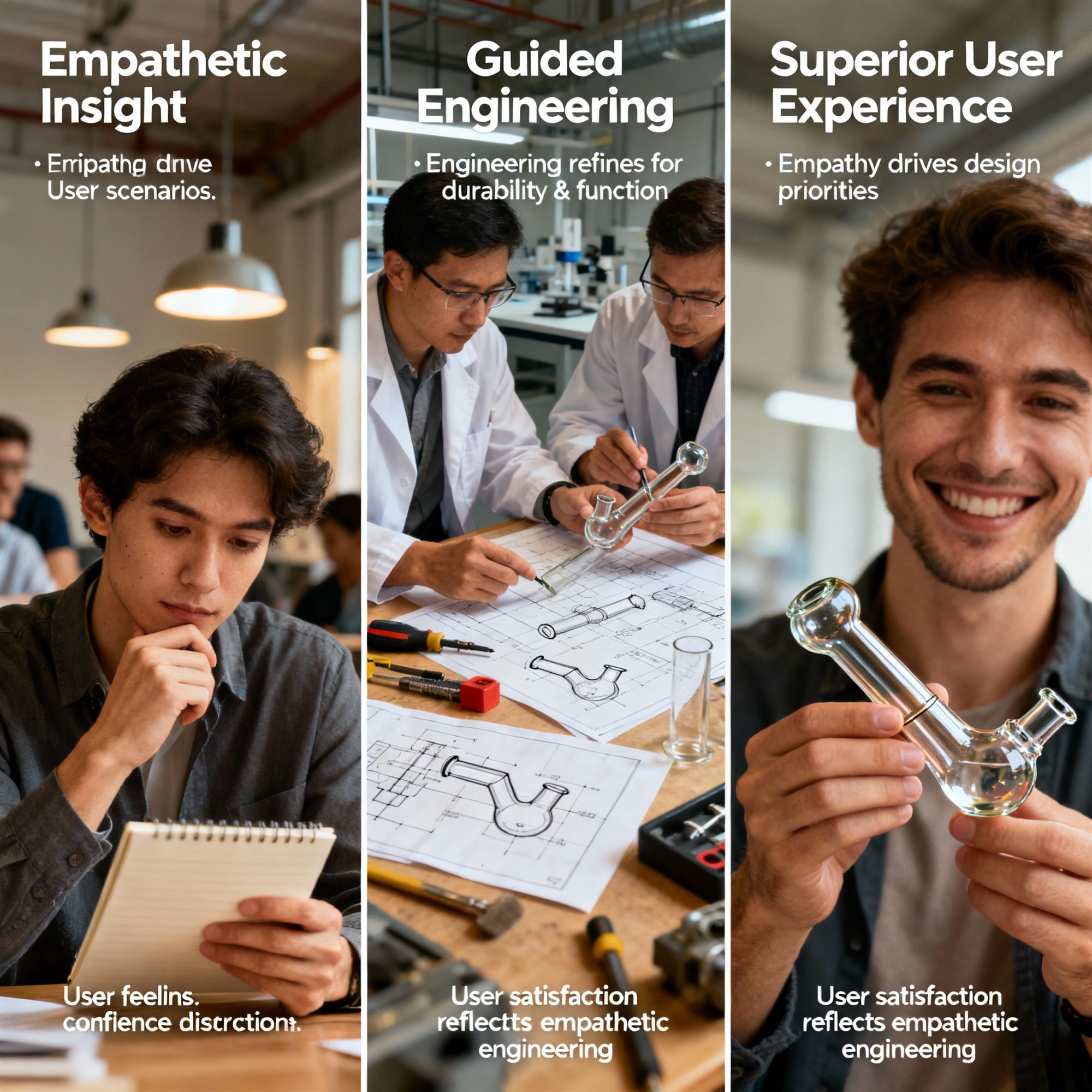
There is a reason sneakerheads camp outside stores for Jordan releases and collectors pay ten figures for rare vinyl pressings. Scarcity triggers something deep in human psychology — the fear of missing out overrides rational decision-making and turns browsers into buyers. Now apply that principle to hand-blown glass. Every piece that comes out of the furnace carries subtle variations no machine can replicate. No two limited edition glass pipes are identical. That is not a manufacturing flaw. That is your most powerful marketing asset.
Yet across the smoking accessories industry, limited edition product drops remain almost nonexistent at the brand level. Retail content platforms like Shopify and Mailchimp publish endless guides about drop culture for apparel and electronics. Zero of those guides address glass. The gap is wide, and it represents a genuine first-mover opportunity for brands willing to plan seasonal releases with intention.
This guide walks through everything a retailer or brand owner needs to plan, manufacture, and launch seasonal limited edition glass product drops — from the seasonal calendar and design signals that communicate exclusivity, to the manufacturing realities of MOQ, lead time, and cost structure. Whether you sell water pipes, hand pipes, dab rigs, or parts and accessories, the framework below applies directly to your product line.
Key Takeaways
- Hand-blown glass creates natural scarcity — no two pieces are identical, unlike injection-molded silicone or acrylic products.
- Four seasonal windows drive the glass accessories calendar: 420 (April), Halloween (October), winter holidays (December), and summer editions (June–August).
- Elfglass keeps the MOQ at 100 pieces per design for limited editions, with 1–3 day sampling and 7–12 day production.
- Three proven drop models — first-come-first-served, raffle/lottery, and open edition — each suit different brand strategies and inventory risk profiles.
- Custom molds stay exclusive to each client, protected by NDA, so your limited edition designs never leak to competitors.
Table of Contents
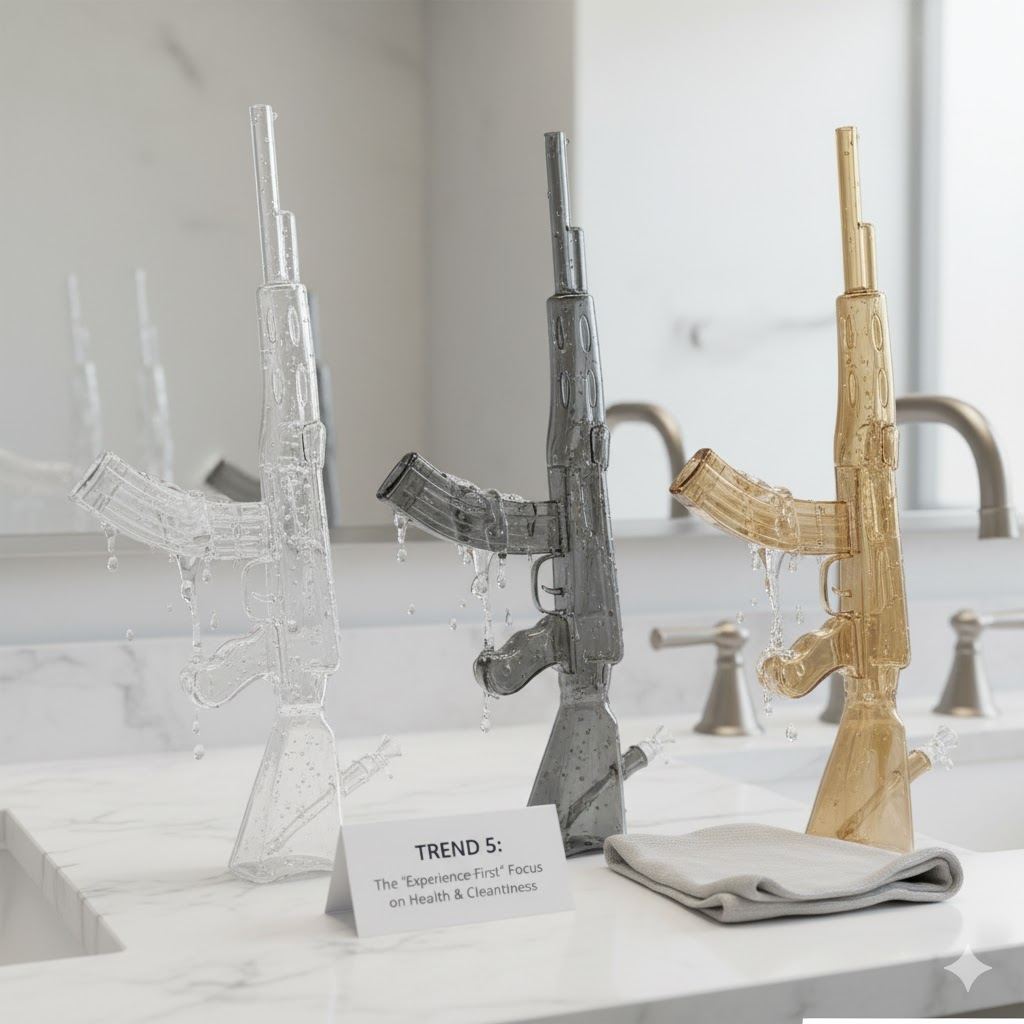
Why Limited Editions Work in Glass
Most product categories have to manufacture artificial scarcity. A clothing brand decides to make only 200 jackets in a specific colorway. An electronics company announces a “final production run” of a popular headphone model. The scarcity is a business decision layered on top of a fundamentally reproducible product.
Glass does not work that way. Hand-blown glass is inherently variable. The temperature of the furnace, the speed of the artisan’s rotation, the ambient humidity in the workshop — all of these factors create subtle differences between pieces. Two glass water pipes from the same batch will share the same overall design, but each one carries its own fingerprint. For limited edition product drops, this natural variation becomes the core selling point.
Consider the numbers. A standard production run of glass accessories might be 500 units or more. Limited editions typically run between 50 and 200 pieces per design. When you combine a smaller production quantity with the inherent uniqueness of hand-blown glass, you create a product that is genuinely one-of-a-kind — not just marketed that way.
This matters because consumers have become skeptical of manufactured scarcity. They know when a brand artificially limits supply of a mass-produced item. But when a retailer tells customers that each hand-blown piece in a 100-unit run has unique color shifts and pattern variations, that scarcity claim is verifiable. Customers can see the differences with their own eyes. Trust drives repeat purchases, and repeat purchases drive brand loyalty.
The Seasonal Calendar: When to Plan Each Drop
Successful limited edition product drops do not happen randomly. They follow a seasonal calendar that aligns with cultural moments, buying behaviors, and industry events. In the smoking accessories space, four windows dominate the year. Planning your drops around these windows — and starting manufacturing at least 4 to 6 weeks before each target date — ensures your products arrive when demand peaks.
| Seasonal Window | Target Date | Design Themes | Production Start |
|---|---|---|---|
| 420 Edition | April 20 | Green colorways, leaf motifs, celebratory themes, UV-reactive glass | Early March |
| Summer Edition | June–August | Bright tropical colors, beach-inspired shapes, glow-in-the-dark effects | Early May |
| Halloween Edition | October 31 | Dark colorways, skull motifs, orange and black, fuming effects | Mid-September |
| Winter Holiday Edition | December | Frosted finishes, metallic accents, gift-ready packaging, red and green | Late October |
The 420 window deserves special attention. It is the single largest demand driver in the smoking accessories calendar, and brands that prepare dedicated limited edition glass products for this window consistently outperform those that simply run generic promotions. A custom colorway dab rig released in a 100-unit run for 420 creates urgency that a site-wide 20% discount simply cannot match.
Holiday editions in December serve a dual purpose. They capture seasonal gift-buying demand while also clearing inventory before year-end. Winter-themed glass pieces with frosted finishes or metallic accents photograph well for social media, which drives organic reach during a period when consumers are already in a spending mindset.
Ready to Plan Your First Limited Edition Drop?
Elfglass handles custom molds, exclusive designs, and small-batch production with a 100-piece MOQ. See how our manufacturing process works from sampling to shipment.
Design Elements That Signal “Limited Edition”
A limited edition product must look and feel different from your standard catalog. If customers cannot immediately tell that a piece is special, the scarcity story falls flat. The visual and tactile signals of exclusivity matter as much as the actual production numbers.
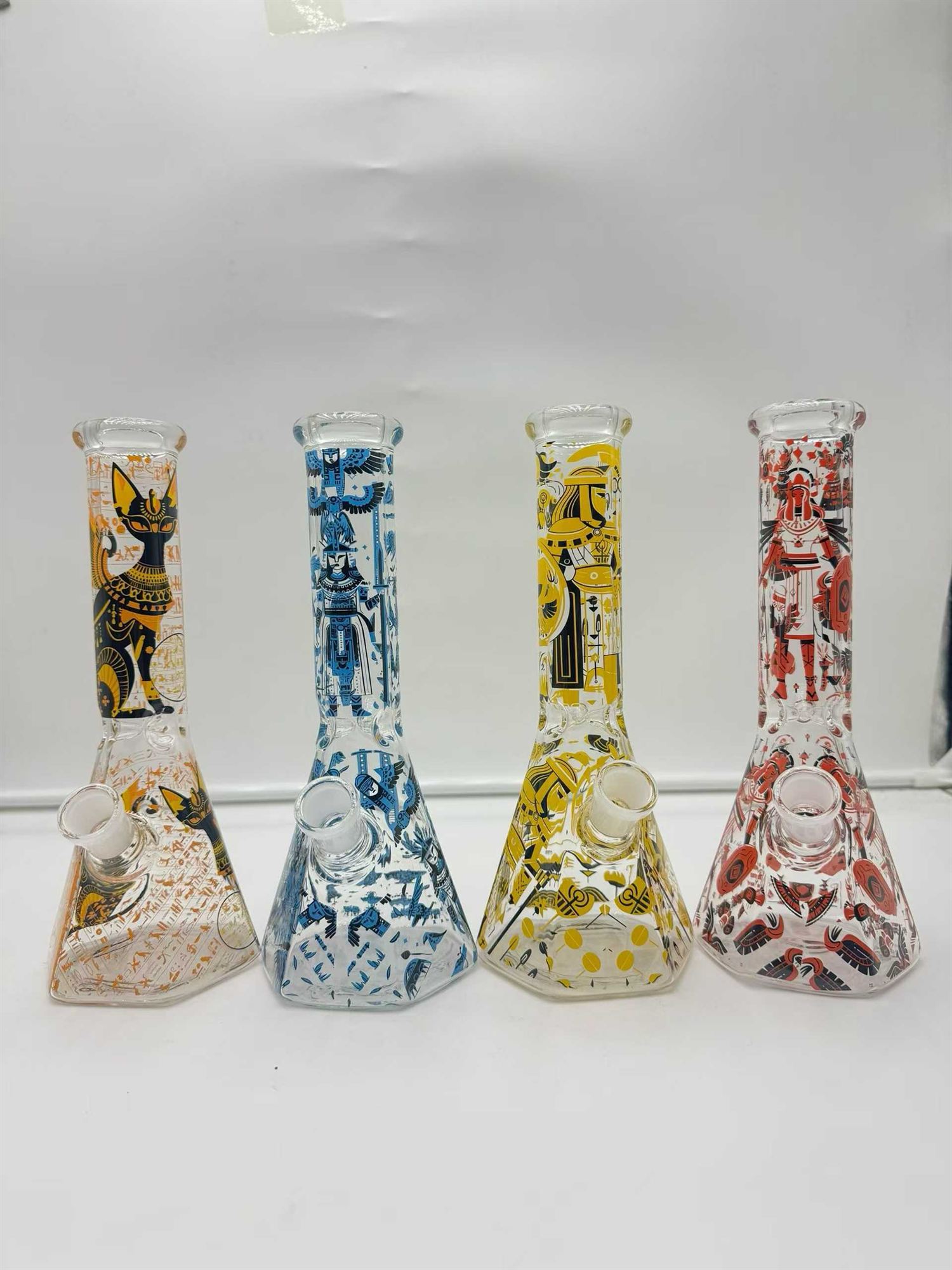
Custom colorways are the most straightforward signal. While your standard catalog might feature clear, blue, and green glass, a limited edition run could use reactive colors that shift in different lighting, fuming techniques that create iridescent surface effects, or entirely custom color formulas developed for that specific drop. Custom colorways require material sourcing that adds slightly to lead time, so plan accordingly.
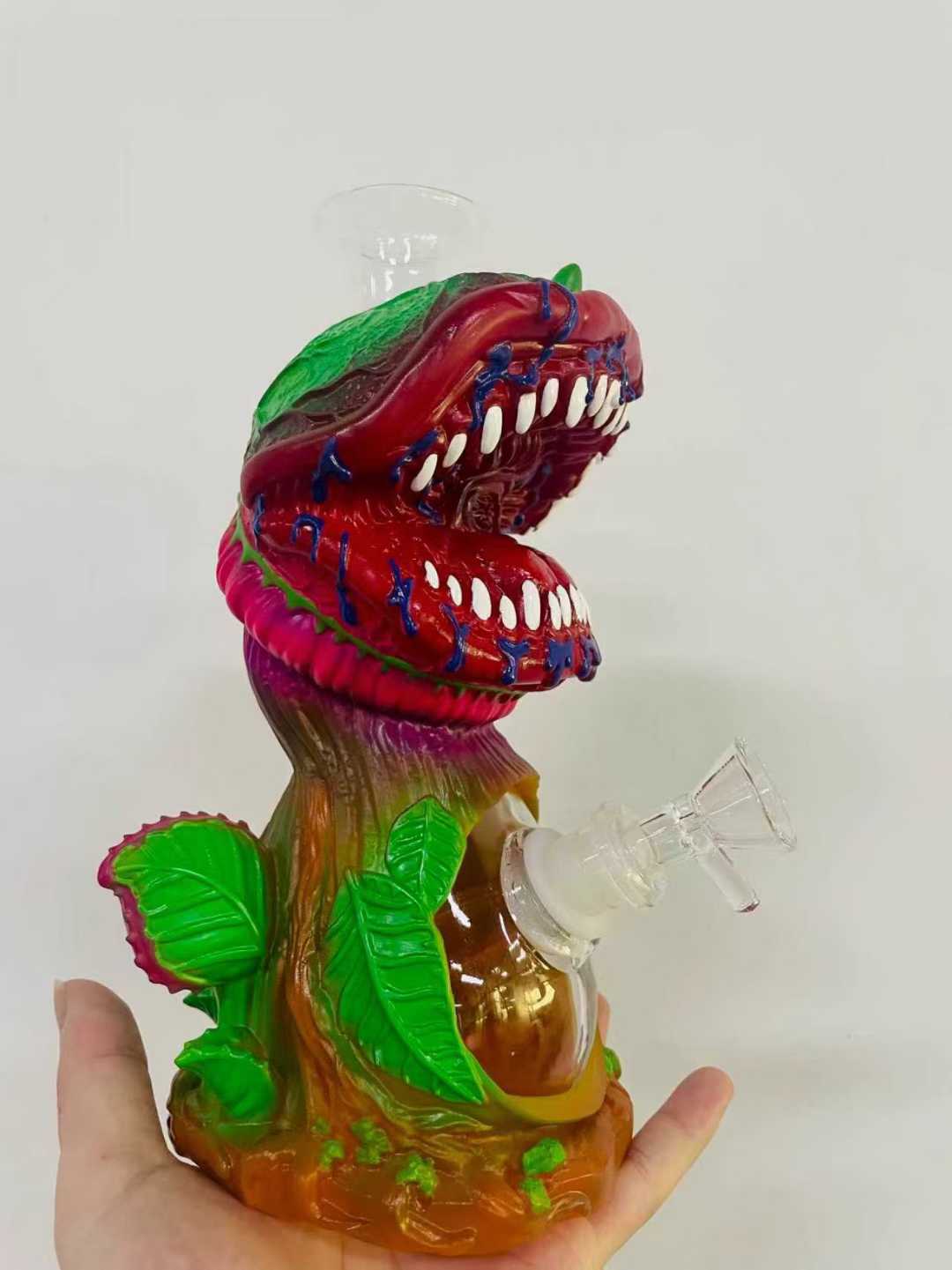
Artist collaborations elevate a limited edition from a color swap to a genuine collectible. When a glass brand partners with a visual artist, tattoo designer, or even a popular figure in the smoking community, the collaboration brings the artist’s audience into your customer base. The case study data from retail drop culture supports this clearly — J Balvin’s merchandise drop generated over 7,500 orders with 90% first-time customers. The principle translates directly to glass accessories.
Numbered pieces add a layer of provenance. When each item in a 100-unit run carries a laser-engraved number — “23 of 100” — it becomes a collectible object rather than a commodity product. Numbering costs almost nothing to add during production but significantly increases perceived value. Pair numbering with a certificate of authenticity or a branded box, and your limited edition glass piece becomes a gift-ready item that commands premium pricing.
Special finishes like glow-in-the-dark glass, UV-reactive elements, or thermochromic coatings that change color with temperature create functional novelty. These finishes differentiate the product beyond aesthetics — they give customers something to demonstrate and share on social media, generating organic word-of-mouth that no advertising budget can match.
Turn Your Concept Into Production-Ready Glass
Elfglass takes you from design brief and CAD/STEP files to prototyping, branding, and mold exclusivity, with your IP protected by NDA. Send us your concept and we will return a manufacturable plan and quote.
MOQ from 100 pieces | BSCI / WRAP / ISO 9001 | NDA before every project
Manufacturing a Limited Run: MOQ, Lead Time, and Cost
The manufacturing realities of limited edition glass products differ from standard orders in three specific ways: mold requirements, material sourcing for custom colors, and timeline compression around seasonal deadlines. Understanding these differences before you plan your first drop prevents costly mistakes.
MOQ remains accessible. Elfglass maintains the same 100-piece minimum per design for limited editions as for standard production runs. This means a seasonal drop does not require you to commit to larger quantities than your usual orders. A 100-unit run of a special 420 colorway hand pipe carries the same MOQ threshold as 100 units of your regular catalog piece. The economic viability of small-batch seasonal releases depends on this consistency.
Sampling is fast. Custom colorways and special finishes move through sampling in 1 to 3 days. You receive a physical sample of your limited edition design before committing to full production. This step is non-negotiable — you need to verify that the reactive color shifts correctly, the fuming pattern matches expectations, or the glow-in-the-dark effect charges and displays as intended.
Production runs 7 to 12 days for quantities of 100 units and above. For limited editions at the lower end of the range — say 50 to 100 pieces — expect production to land in the 7-to-10-day window. Add shipping time, which varies by destination, and the total manufacturing-to-delivery timeline compresses to roughly 3 to 5 weeks.
| Production Stage | Timeline | Notes |
|---|---|---|
| Design & Quote | 1–2 days | 12-hour quote response guaranteed |
| Sampling | 1–3 days | Physical sample with custom colorways/finishes |
| Production | 7–12 days | 100+ units; custom molds exclusive to client |
| Quality Check & Shipping | 3–7 days | BSCI, WRAP, ISO 9001 certified facility |
Custom molds stay exclusive. Every custom mold created for a limited edition design belongs exclusively to the client who commissioned it. Elfglass signs an NDA before every project begins, ensuring that your seasonal designs never appear in another brand’s catalog. This protection extends to color formulas, shape modifications, and finish specifications. Your limited edition is genuinely yours.
Cost structure differs modestly. The primary cost drivers for limited editions versus standard runs are custom material sourcing (specialty glass colors, fuming compounds, glow-in-the-dark additives) and the per-unit cost of smaller runs. A 100-unit limited edition will carry a higher per-piece cost than a 1,000-unit standard order, but the retail premium on limited edition glass typically absorbs this difference entirely. The math works because scarcity commands higher margins.
Three Drop Models for Glass Products
How you release a limited edition product matters as much as the product itself. The drop model you choose affects customer behavior, inventory risk, and brand perception. Three models dominate retail drop culture, and each translates effectively to glass accessories when adapted for B2B and wholesale contexts.
Model 1: First-Come, First-Served (FCFS). The simplest model. You announce a drop date and time, and customers order as items become available. When the 100 pieces sell out, the drop closes. FCFS rewards speed and creates the most visible urgency. It works best for brands with an engaged existing audience that monitors your channels regularly. The risk is server crashes and customer frustration if demand vastly exceeds supply — but with a 100-unit glass run, that is a problem most brands would welcome.
Model 2: Raffle/Lottery. Customers register during a window (say, 48 hours), and winners are drawn randomly to receive the right to purchase. This model eliminates the speed advantage and gives every interested customer an equal chance. It works particularly well for high-value limited edition pieces — numbered artist collaborations or complex art glass water pipes priced at a significant premium. The raffle model also generates a captured email list of every registrant, which fuels your marketing for the next drop.
Model 3: Open Edition (Time-Bound). The drop stays open for a fixed window — 24 hours, 48 hours, one week — and all orders placed during that window are fulfilled. This model removes the sell-out pressure and lets customers order at their convenience. It suits brands launching a seasonal colorway across multiple product types simultaneously: a 420 edition that includes limited runs of water pipes, hand pipes, dab rigs, and accessories, all available during the same weekend window. The time boundary creates urgency without the friction of a hard sell-out.
| Drop Model | Best For | Urgency Level | Inventory Risk |
|---|---|---|---|
| FCFS | Engaged audiences, single hero products | Very High | Low (sells out fast) |
| Raffle/Lottery | High-value pieces, artist collabs | Medium | Low (capped by draw) |
| Open Edition | Multi-product seasonal launches | Medium | Medium (unsold stock possible) |
Conclusion: Start Planning Your First Drop Today
Limited edition product drops are not a trend reserved for streetwear and sneakers. They are a proven demand-generation strategy that translates directly to hand-blown glass accessories — arguably better than any other product category, because the natural uniqueness of the material creates genuine scarcity that customers can see and feel.
The seasonal calendar gives you four clear windows per year. The manufacturing process — 100-piece MOQ, 1-to-3-day sampling, 7-to-12-day production, exclusive custom molds, NDA protection — removes the barriers that typically prevent small-batch runs. And the three drop models give you flexibility to match your brand’s audience size, price positioning, and inventory comfort level.
Elfglass has manufactured custom glass products since 2010 from a 1,000-square-meter ISO 9001-certified facility in Shenzhen. With a team of 20 skilled employees and a monthly capacity of 10,000 units, the factory supports brands at every stage — from first-time limited edition experiments to established seasonal drop programs with multiple releases per year. The brand operates under a philosophy captured in its slogan: “A Manufacturer With the Soul of a Designer.” That dual perspective — manufacturing precision combined with design sensibility — is exactly what limited edition glass products demand.
Your first step is simple. Pick the seasonal window that is furthest out. Sketch the design concept. Contact Elfglass for a quote — responses come within 12 hours. From there, the sampling-to-production pipeline handles the rest. The brands that move first in this space will define what “limited edition glass” means to consumers. The window to establish that positioning is open now.
Plan Your Seasonal Drop With Elfglass
From custom molds to exclusive designs, 100-piece MOQ to 12-hour quote response — see how Elfglass turns your limited edition concepts into finished products.
Frequently Asked Questions
What makes glass ideal for limited edition products?
Hand-blown glass is naturally unique. Each piece carries subtle variations in color distribution, pattern flow, and form that no machine replication can reproduce. When you produce a limited run of 100 pieces, every single one is genuinely one-of-a-kind. This creates authentic scarcity that mass-produced materials like silicone, acrylic, or injection-molded plastic simply cannot match. Customers can hold two pieces side by side and see the differences immediately.
How far in advance should a seasonal glass drop be planned?
Allow 4 to 6 weeks before your target launch date. The manufacturing timeline breaks down as follows: 1 to 2 days for design review and quoting, 1 to 3 days for physical sampling of custom colorways and finishes, 7 to 12 days for production of 100+ units, and 3 to 7 days for quality checks and shipping. The remaining time covers your marketing preparation — product photography, social media teasers, and email campaign scheduling.
What is the MOQ for limited edition glass products?
Elfglass maintains the same 100-piece minimum per design for limited editions as for standard production orders. This MOQ structure makes small-batch seasonal runs economically viable — you do not need to commit to larger quantities just because a product is part of a limited edition drop. Custom molds are exclusive to each client, and every project begins with NDA protection to keep your designs confidential.
Can limited edition designs use custom colors and special finishes?
Yes. Custom colorways are one of the most popular differentiators for limited edition glass drops. Options include reactive colors that shift in different lighting, fuming techniques for iridescent surface effects, glow-in-the-dark additives, thermochromic coatings, and UV-reactive glass that changes under blacklight. Each custom finish requires physical sampling (1 to 3 days) to verify the effect meets expectations before full production begins.
About the Author
Ava Zeng is the founder of Elfglass, a Shenzhen-based borosilicate glass pipe manufacturer serving B2B brands worldwide. Every guide on this site is grounded in her production-floor experience— the annealing lines, QC checkpoints, and export orders behind each claim. The strategy of producing small runs for specific seasons follows the model of limited edition. The psychological driver behind limited drops is documented in the literature on scarcity.
Before you commit to a supplier, read her founder’s story and trust promise, and the guide to vetting a reliable glass pipe manufacturer— the same red-flag checklist Elfglass applies to its own suppliers.
Ready to Source Custom Glass Pipes?
Get a free quote within 24 hours. MOQ from 100 pieces. NDA-protected design consultation.
