
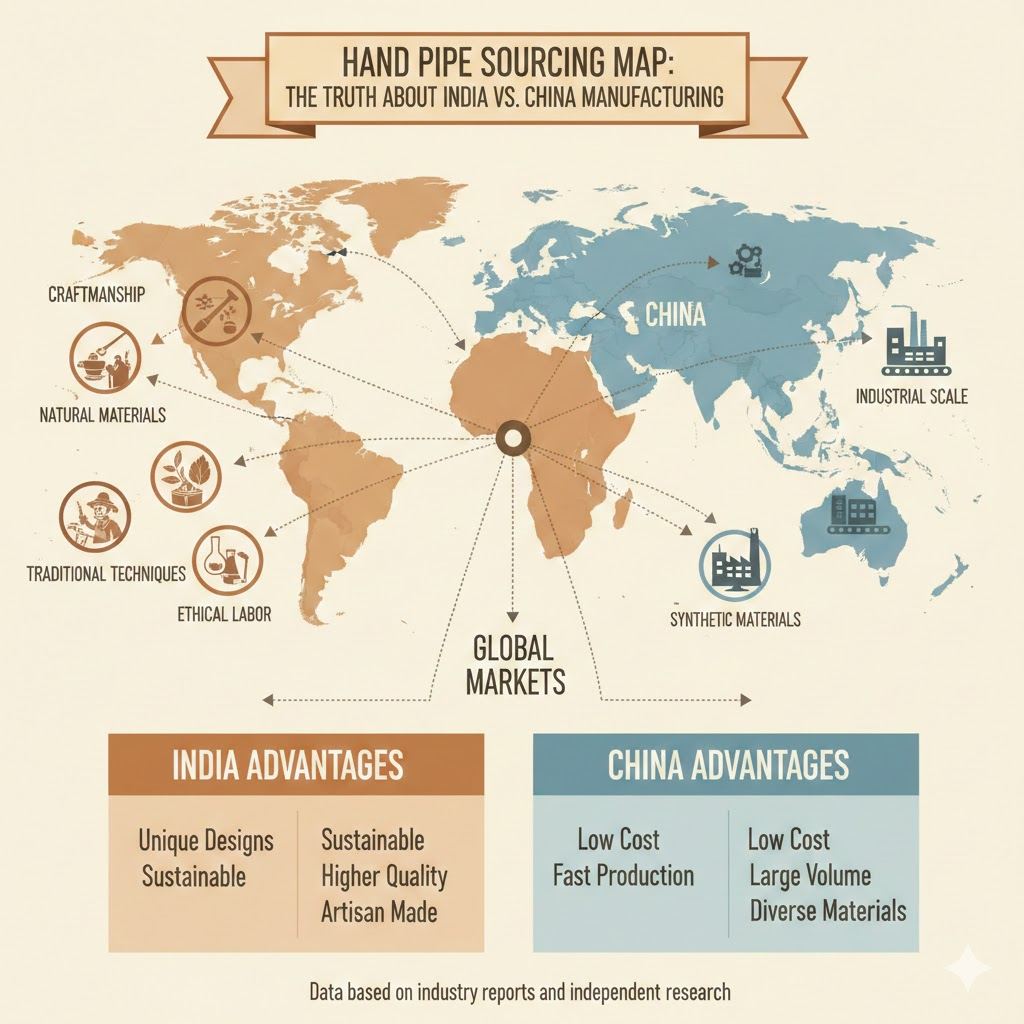
South Korea has emerged as one of East Asia’s most dynamic markets for glass smoking accessories. Driven by a growing culture of craft smoking, a tech-savvy young consumer base, and relatively open import regulations for glassware, the Korean market offers wholesale buyers a high-margin opportunity that is still underexploited by Western and Chinese suppliers.
This guide covers what wholesale buyers need to know before entering the South Korean glass pipe market: import regulations, customs requirements, consumer preferences, product demand patterns, and the logistics of shipping glass products from China to Korea. Whether you are a Korean-based retailer sourcing from abroad or an international brand expanding into the Korean market, this guide provides the operational framework.
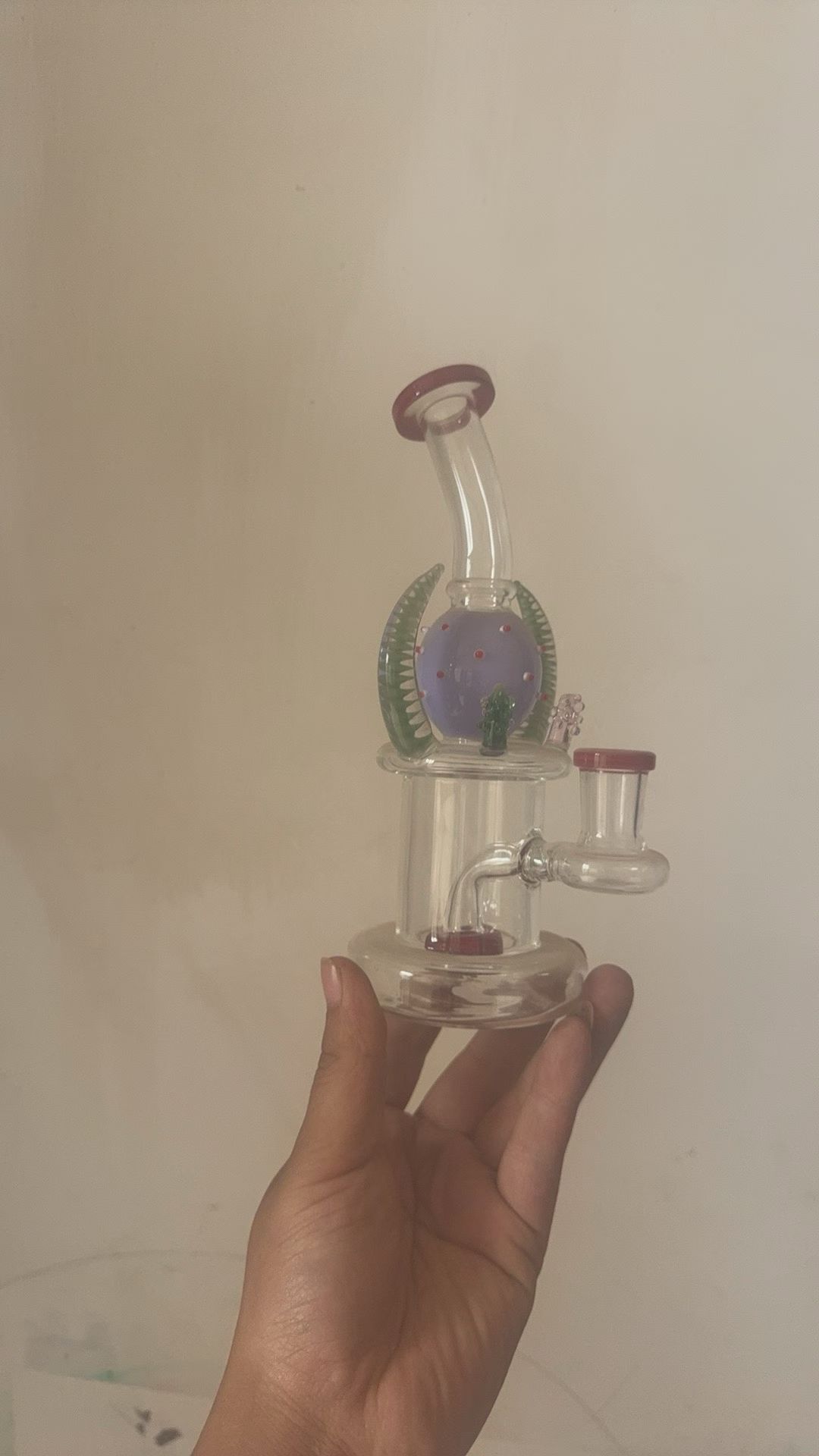
Key Takeaways
- South Korea classifies glass smoking pipes as general glassware for import—no special tobacco or drug paraphernalia license is required
- Import duty on glass smoking pipes is 8% under MFN rates, with VAT at 10% applied on top of CIF value
- Korean consumers strongly prefer compact, design-forward pieces—hand pipes and mini rigs outperform large water pipes
- Seoul, Busan, and Jeju Island account for over 70% of retail glass pipe sales volume
- Korean-language packaging and product descriptions are effectively mandatory for retail success
Import Regulations for Glass Pipes in South Korea
Classification and Licensing
South Korea classifies glass smoking pipes under HS code 7013.28 (glassware of a kind used for table, kitchen, toilet, office, indoor decoration or similar purposes). Unlike some countries that classify smoking accessories under restricted categories, South Korea treats glass pipes as general glassware for import purposes.
This means:
- No special import license is required for glass smoking pipes
- No tobacco or drug paraphernalia-specific registration is needed
- Standard customs declaration procedures apply, same as any other glassware import
- The importer of record must be a registered Korean business entity with customs registration
Customs Documentation Required
| Document | Purpose | Who Provides |
|---|---|---|
| Commercial Invoice | Declares transaction value for duty assessment | Exporter (Chinese manufacturer) |
| Packing List | Details quantity, weight, and dimensions per carton | Exporter |
| Bill of Lading (B/L) | Transport document proving shipment | Freight forwarder |
| Certificate of Origin | Required if claiming FTA preferential rates | Exporter + Korean Chamber of Commerce |
| KC Mark (if applicable) | Safety certification—generally not required for glass pipes | Only if product includes electronic components |
Duty Rates and Taxes
The import cost structure for glass pipes entering South Korea:
- Customs duty: 8% MFN rate on CIF value (Cost + Insurance + Freight)
- VAT: 10% applied on the sum of CIF value + customs duty
- Individual consumption tax: Not applicable to glass pipes (applies only to tobacco products)
For a shipment with CIF value of $5,000: customs duty is $400 (8%), VAT is $540 (10% of $5,400), total import tax is $940, or approximately 18.8% of the CIF value.
Entering the South Korea Glass Pipe Market?
Elfglass supplies REACH-compliant borosilicate pieces with correct HS 7013.28 classification, Korean-ready export documents and CIF or FOB terms tailored to your port. Send your Korea spec sheet and get a quote within 12 hours.
MOQ from 100 pieces | BSCI / WRAP / ISO 9001 | NDA before every project
Consumer Preferences and Demand Patterns
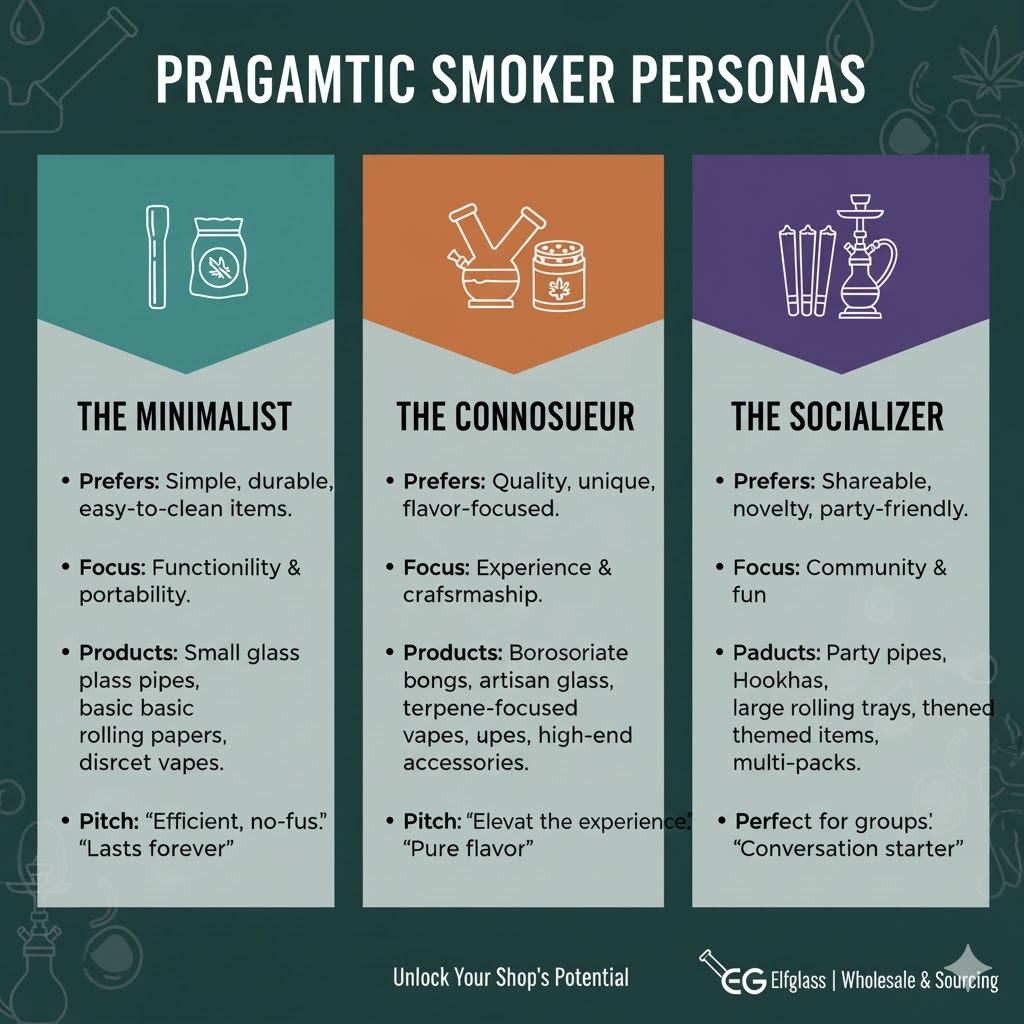
The Korean glass pipe consumer differs significantly from the American or European buyer in several ways that affect product selection and marketing:
Size Preference: Compact Dominates
Korean consumers strongly prefer compact, portable glass pieces. This reflects both living conditions (smaller apartments in urban Seoul) and cultural preferences for discreet, personal-use items. The most popular sizes are:
- Hand pipes: 3–5 inches (spoon pipes, steamrollers)
- Mini water pipes: 4–7 inches
- Small dab rigs: 5–8 inches
- One-hitters and chillums
Large water pipes (12 inches and above) sell primarily through specialized head shops and represent a small fraction of total volume. If you are selecting a product mix for Korea, allocate 70% of your SKU count to pieces under 8 inches.
Design Aesthetics: Clean and Modern
Korean consumers gravitate toward clean, minimalist designs with precise craftsmanship. The “heady” artistic style popular in the US—busy fumed work, complex color chains—has limited appeal in Korea. Instead, the market favors:
- Clear borosilicate glass with minimal color accents
- Pastel gradient tones (pink, blue, green)
- Geometric and angular designs
- High-quality borosilicate with visible craftsmanship (even walls, clean joints)
This aesthetic preference aligns well with Korean design culture broadly—think of the parallels with Korean consumer electronics and cosmetics packaging, where minimalism and precision signal quality.
Price Sensitivity by Segment
| Segment | Price Range (KRW) | Price Range (USD) | Share of Market |
|---|---|---|---|
| Budget (students, casual users) | 15,000–30,000 | $11–$22 | 40% |
| Mid-range (regular users, gift buyers) | 30,000–70,000 | $22–$52 | 40% |
| Premium (collectors, enthusiasts) | 70,000–200,000+ | $52–$150+ | 20% |
The mid-range segment offers the best margin opportunity for wholesale buyers. Quality borosilicate pieces at the $22–$52 retail price point align with Korean consumers’ willingness to pay for visible quality without entering luxury territory.
Geographic Demand Distribution
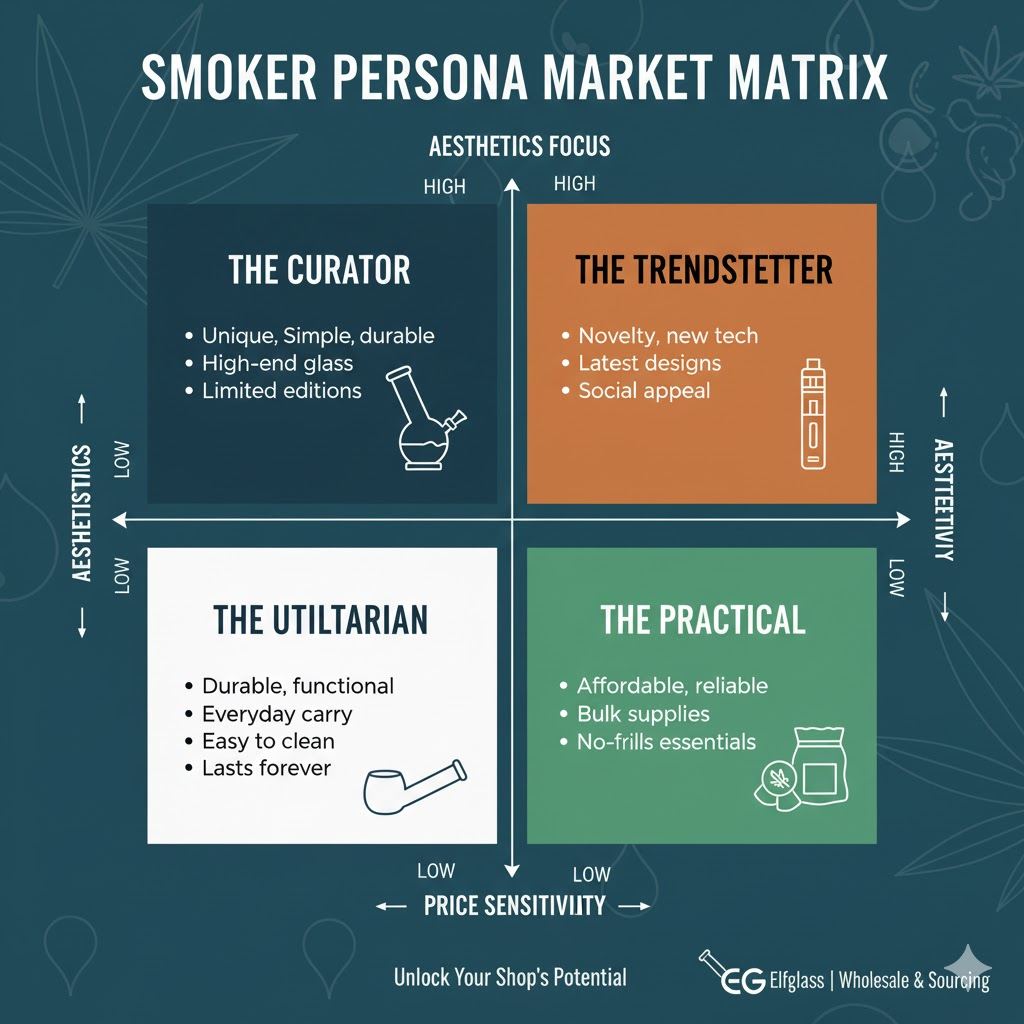
Glass pipe retail in South Korea is heavily concentrated in three metropolitan areas:
Seoul (55% of market)
The capital and largest city, with the highest concentration of head shops, vape stores, and online retail fulfillment centers. Districts like Hongdae, Gangnam, and Itaewon have the densest retail presence. Seoul consumers are the most design-conscious and willing to pay premium prices for unique pieces.
Busan (12% of market)
South Korea’s second-largest city and major port. Busan serves as the primary entry point for sea freight from China, making it a natural hub for wholesale distribution. Local retail demand is significant but more price-sensitive than Seoul.
Jeju Island (5% of market)
The popular tourist destination has a disproportionate number of specialty shops relative to its resident population, driven by tourism. Jeju visitors often purchase glass pipes as souvenirs or novelty items, favoring colorful, photogenic pieces.
The remaining 28% is distributed across other metropolitan cities (Incheon, Daegu, Daejeon, Gwangju) and smaller cities with growing retail scenes.
Shipping from China to South Korea
The geographic proximity between Chinese glass manufacturing hubs and South Korea makes shipping fast and cost-effective: Talk to our export team about Korea-bound freight and documentation.
| Method | Transit Time | Cost (per kg) | Best For |
|---|---|---|---|
| Express (DHL/FedEx) | 1–3 days | $5–$10 | Samples, small urgent orders |
| Air freight | 3–5 days | $3–$6 | Mid-size orders (50–200 kg) |
| Sea freight (LCL) | 5–10 days | $0.50–$1.50 | Bulk orders (200+ kg) |
| Sea freight (FCL) | 3–7 days | $0.30–$0.80 | Full container loads |
Shenzhen (where Elfglass is based) to Busan by sea takes approximately 3–5 days. Express shipments from Shenzhen to Seoul typically arrive within 2 days. The short transit distance means glass breakage risk from prolonged handling is lower than for US or European destinations.
Packaging and Localization Requirements
For retail success in South Korea, packaging localization is not optional—it is a competitive necessity:
- Korean-language product descriptions: Even if the target consumer reads English, Korean descriptions on packaging build trust and meet consumer expectations
- Barcode/QR code integration: Korean retail increasingly uses QR codes for product information; include scannable codes linking to product details
- Compact packaging: Korean retail shelves are smaller than American ones; packaging should be proportionate to the product
- Safety warnings in Korean: While not legally required for glassware, including usage and care warnings in Korean demonstrates professionalism
For wholesale buyers exploring custom packaging options for the Korean market, our packaging guide covers minimum orders, design specifications, and localization best practices.
Competitive Landscape
The Korean glass pipe market has distinct competitive dynamics:
- Domestic production is minimal: South Korea has very few glass pipe manufacturers. Most retail inventory is imported from China, with smaller volumes from the US and Europe
- American brands have presence but limited distribution: Well-known US glass brands are recognized by enthusiasts but are not widely available outside specialized shops
- Chinese OEM dominates volume: The majority of retail glass pipes in Korea are Chinese-manufactured, often under Korean brand names through OEM arrangements
- Online channels are growing fast: Naver Smart Store and Coupang are increasingly important sales channels, requiring product listings in Korean with detailed specifications
For brands entering the Korean market, the OEM model—partnering with a Chinese manufacturer like Elfglass to produce under your Korean brand—is the most capital-efficient approach. Our OEM process page details the workflow from design brief to delivery.
Getting Started: First Steps for Korean Market Entry
If you are considering entering the South Korean glass pipe market, here is a practical sequence:
- Register a Korean business entity (or partner with an existing importer) to serve as importer of record
- Order samples of 5–10 designs that match Korean aesthetic preferences (compact, clean, pastel or clear)
- Test retail response through Naver Smart Store or a consignment arrangement with an existing head shop
- Place a trial order of 100 units per design (our standard MOQ) with Korean-language packaging
- Ship via express or air freight for the first order to test the full import process before committing to sea freight volumes
For more on evaluating suppliers before your first order, see our red flags guide for sourcing wholesale water pipes.
Ready to explore the Korean market? Contact Elfglass for a sample quote tailored to Korean retail preferences—compact designs, clean aesthetics, and Korean-language packaging options available from your first order. Visit our wholesale hand pipes collection to see designs that align with Korean consumer preferences.
Frequently Asked Questions
Is it legal to import glass pipes into South Korea?
Yes. Glass smoking pipes are classified as general glassware under Korean customs law (HS 7013.28). No special license or permit is required beyond standard business registration and customs importer registration. However, pipes designed specifically for illegal drug use may face scrutiny—positioning products as tobacco accessories or artistic glassware is the standard approach.
What is the import duty on glass pipes in South Korea?
The MFN customs duty rate is 8% of CIF value, plus 10% VAT on the duty-inclusive amount. Total import tax is approximately 18.8% of the CIF value. No additional consumption tax applies to glass pipes.
How long does shipping from China to South Korea take?
Express shipping takes 1–3 days, air freight takes 3–5 days, and sea freight takes 3–10 days depending on the service. Shenzhen to Busan by sea is one of the shortest international shipping routes, typically 3–5 days.
Do I need Korean-language packaging?
It is not legally required for glassware, but Korean-language packaging is effectively mandatory for retail success. Korean consumers expect product information in their language, and retailers are reluctant to stock items without Korean descriptions.
Ready to Start Your Custom Glass Pipe Project?
Get a free quote within 24 hours. MOQ from 100 pieces. NDA-protected design consultation.
About the Author
Ava Zeng is the founder of Elfglass, a Shenzhen-based borosilicate glass pipe manufacturer serving B2B brands worldwide. Every guide on this site is grounded in her production-floor experience— the annealing lines, QC checkpoints, and export orders behind each claim.
Before you commit to a supplier, read her founder’s story and trust promise, and the guide to vetting a reliable glass pipe manufacturer— the same red-flag checklist Elfglass applies to its own suppliers.
