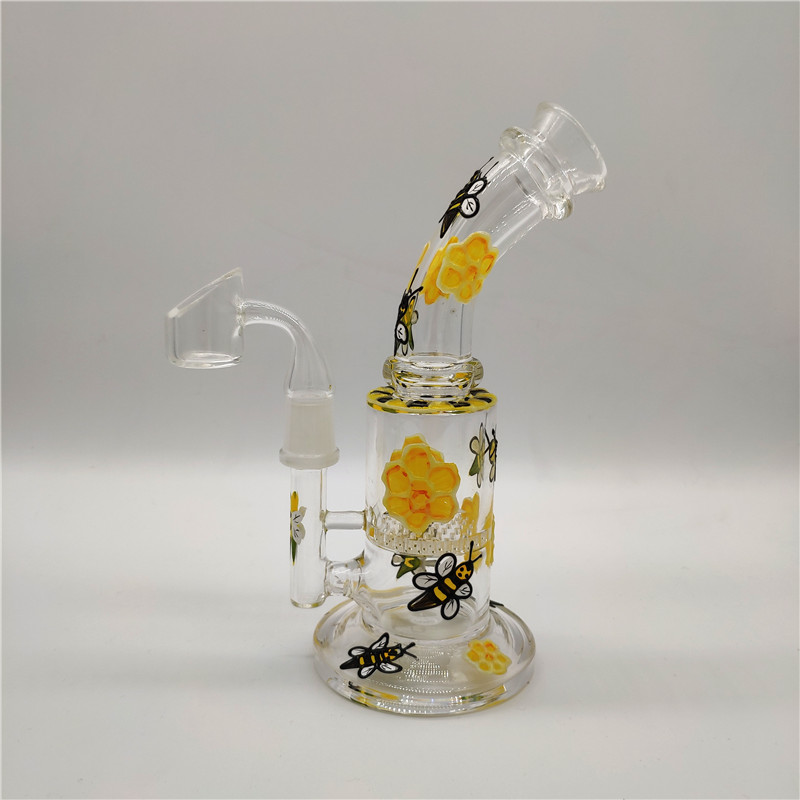
Walk into any smoke shop in the United States and you will see the same pattern: a wall of branded glass, a counter of unbranded value pieces, and one or two premium display cases. The brands on that wall are not just logos. They are pricing anchors, inventory signals, and the fastest shortcut a customer uses to decide whether a shop is serious. For wholesale buyers, understanding which brands matter and why is the difference between ordering a shelf that turns and a shelf that gathers dust.
Popular glass pipe brands in the US market fall into three tiers: international brands with national distribution like GRAV, regional and import brands like Black Leaf, LA Pipes, or Heisenberg, and retailer private labels that carry the shop’s own name. What connects all three tiers is that almost none of them own their own glass factory. The brands sell; Chinese factories like ours manufacture.
The brand map: who actually owns the shelf
GRAV is the clearest example of a top-tier glass brand. Founded in Austin, Texas, GRAV’s official product line spans glass bubblers, bongs, hand pipes, one-hitters, gravity bongs, and dab rigs, and its own website markets the brand as “As Seen On Your Dealer’s Shelf”. That positioning is deliberate: GRAV’s business model is built on being the brand a shop can stock across categories without a second thought.
Below the top tier sits a long tail of mid-market brands that dominate the middle shelf. A snapshot of the bong category at Grasscity (one of the largest US online smoke shops, checked August 2026) shows the realistic mix:
| Brand | Typical Product | Retail Price (US) | Shelf Role |
|---|---|---|---|
| GC Classic Straight Tube | Straight tube bong | $45 | Entry value |
| GC Sugar Skull Beaker | Beaker bong | $60 | Novelty value |
| Glasscity Beaker (Double Tree Perc) | Percolator beaker | $150 | Mid-tier function |
| LA Pipes Triple Showerhead | Showerhead beaker | $160 | Mid-tier function |
| Dopezilla Titans Cronus | Large percolator bong | $210 | Premium |
| Black Leaf Valhalla | Boxed beaker set | $250 | Premium gift |
Source: Grasscity bongs category page, retail prices as displayed, August 2026. Prices are list prices at one US retailer, not wholesale levels.
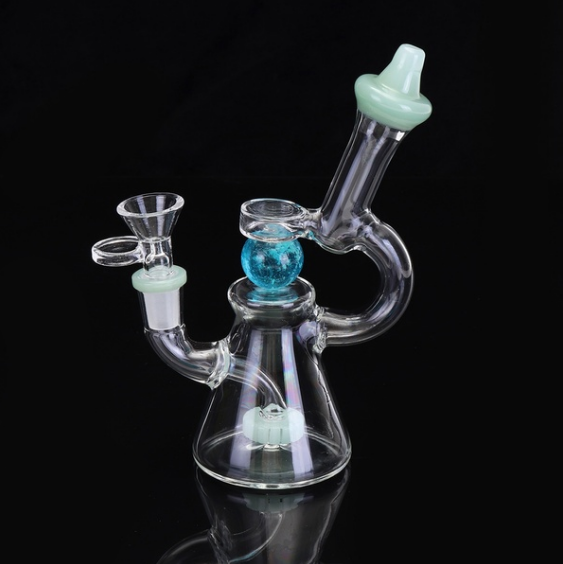
Two patterns stand out. First, the $40–$80 band is where volume lives; the $150–$250 band is where margin lives. Second, the same factory can be behind pieces in both bands. Whether a product sells at $45 or $210 is mostly a decision about branding, packaging, and percolator complexity, not about glass cost.
What brand pricing tells you about the market
Brand pricing in glass accessories follows a consistent structure, and knowing it protects you from overpaying at wholesale:
- Glass cost is the smallest line item. For a standard beaker bong, the borosilicate material and labor typically account for a minority of the final retail price. The rest is branding, distribution, QC, and margin layers.
- Wall thickness is the honest quality signal. In our production lines, the cost difference between a 3mm and a 4mm wall is roughly $0.40 per unit at volume, yet it is the single best predictor of breakage claims. Brands that advertise thickness are spending where it matters.
- Packaging separates tiers. A $250 boxed set like the Black Leaf Valhalla is sold as a gift; a $45 straight tube ships in foam. Wholesale buyers should ask their supplier for the packaging spec before comparing prices across brands.
One practical rule we give every distributor: take the retail price of any branded piece and divide by 4–6 to estimate what the importer paid at the factory gate. If a supplier’s quote is far outside that band, either the brand carries exceptional marketing costs or the quote is not for the same product.
Stock the Glass Pipes Your Customers Actually Buy
Elfglass produces the full wholesale catalog, from hand pipes and sherlocks to dab rigs, percolator bongs, and accessories, in proven best-selling specs. Tell us your market and we will recommend a catalog mix with pricing.
MOQ from 100 pieces | BSCI / WRAP / ISO 9001 | NDA before every project
Behind every brand is a factory
Here is the part that surprises most first-time buyers: the majority of branded glass sold in the US, Europe, and Australia is manufactured in China, including many pieces sold under American and European brand names. The brand owns the design, the marketing, and the distribution. The factory owns the torch work, the QC, and the shipping.
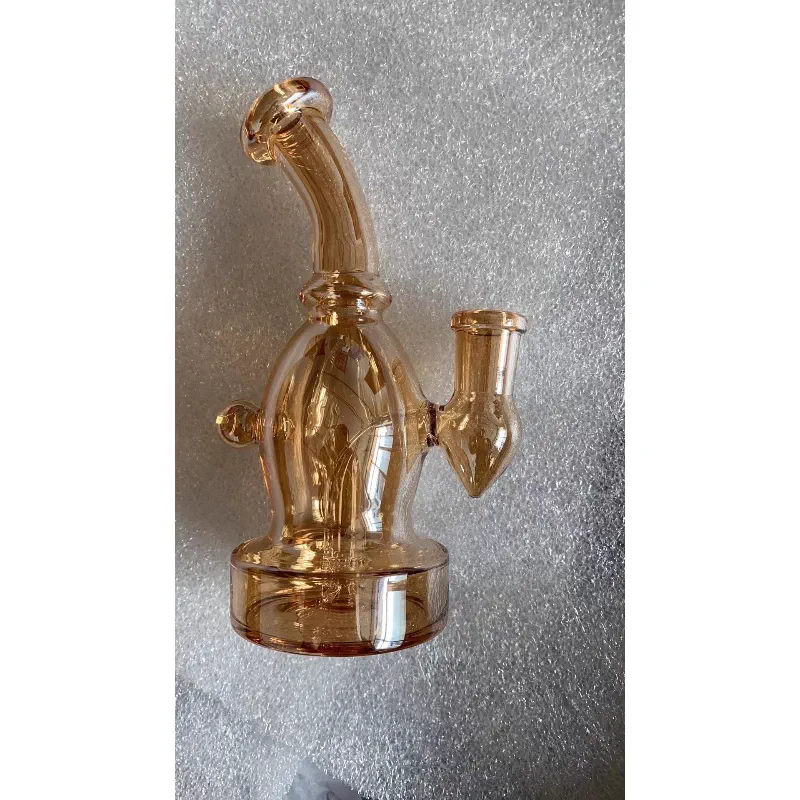
This is exactly why choosing the right glass pipe manufacturer in China matters more than choosing which brands to stock. A wholesaler who works directly with a factory gets the same production capability that sits behind branded products, without paying for the brand layer. That is the private-label opportunity.
Three ways to build a brand line as a wholesaler
In our 15 years of factory work, we have watched distributors build healthy glass lines in three very different ways. Pick one, or combine the first two:
- Stock recognized brands as traffic anchors. Carry one or two names your retail customers already trust, at a thin margin, to pull foot traffic. This is the GRAV model applied at wholesale level: the brand sells itself, and you use it to get shops buying from you at all.
- Build a white-label mid-tier. Take factory-direct glass, add your own packaging and QC standards, and sell it under your house brand in the $60–$150 retail band. This is where the margin is, because you are capturing the brand layer yourself. Our custom glass pipe branding guide covers logos, engraving, and packaging options in detail.
- Go private label for differentiation. Commission exclusive designs with your name on the piece. It costs more upfront (mold or design fees), but it makes your catalog impossible to price-compare and builds an asset that outlives any single order.
Whichever route you choose, the underlying purchasing process is the same: vet the factory, fix the quality standard, and negotiate like a buyer, not a fan. Our wholesale glass pipe sourcing guide walks through the full vetting protocol, and the glass pipe types guide helps you match SKUs to shelf positions.
Building Your Own Brand-Tier Matrix
The three-tier brand map describes the shelf as it exists. The useful next step is to turn it into a planning grid for the shelf you want to build — one that assigns each tier a price band, a role, and a sourcing route. The bands below are the same ones this guide already identifies; the matrix simply lines them up so you can decide, tier by tier, whether to stock a brand or capture the layer yourself.
| Tier | Retail Price Band | Shelf Role | Margin Behavior | Sourcing Route |
|---|---|---|---|---|
| Entry value | $40–$80 | Volume — where the units move | Thin per-unit margin | Recognized brand anchor, or factory-direct white label |
| Mid-tier | $60–$150 | Function and repeat purchase | Where the margin lives | White-label house brand (capture the brand layer) |
| Premium / gift | $150–$250 | Boxed sets, display credibility | Highest ticket, slower turn | Private-label exclusive designs |
Read the grid as a build sequence, not a shopping list. Most healthy distributor lines start at the entry tier for credibility, add the mid-tier white label for margin, and only reach the premium private-label tier once a repeat order base can absorb the design investment. The price bands overlap on purpose — a $150 piece can sit at the top of the mid-tier or the bottom of premium, depending on whether you are selling function or a boxed gift.
Private-Label vs. Stocking Brands: A Decision Checklist
Which route to take is not a matter of taste; it follows from where you are in your order history and what you can verify about a supplier. Run this checklist before committing catalog space or design fees.
- Start with one brand anchor. Carry a name your retail customers already trust, at a thin margin, purely to pull foot traffic and lend credibility to the rest of the shelf.
- Build the white-label mid-tier for margin. Take factory-direct glass, apply your own packaging and QC standard, and sell it under your house brand in the $60–$150 band — this is where you capture the brand layer instead of paying it.
- Reserve private label for after you have repeat orders. Exclusive designs carry mold or design fees; they make sense only once a steady reorder base can amortize that upfront cost.
- Compare quotes on spec, never on brand name. Wall thickness, borosilicate grade, and packaging spec are the honest quality signals. Two pieces at very different prices may be identical glass with different branding.
- Sanity-check any quote against retail. Divide a comparable branded piece’s US retail price by 4–6 to estimate the factory-gate level. A quote far outside that band is either carrying exceptional marketing cost or is not the same product.
Frequently asked questions about glass pipe brands
Q: Do branded glass pipes come from Chinese factories?
A: Most do. The US and European brands that dominate smoke shop shelves typically own design and marketing while manufacturing is done under contract, with China as the primary production base. Buying factory-direct is how wholesalers access the same capability without the brand markup.
Q: What is a fair wholesale price for branded glass?
A: As a rule of thumb, divide the US retail price by 4–6 to estimate the factory-gate price of an equivalent unbranded piece. Branded distribution adds layers for marketing, warehousing, and margin, so compare quotes on specification (wall thickness, borosilicate grade, packaging) rather than on brand name alone.
Q: Should a new distributor stock brands or private label?
A: Start with a small brand anchor for credibility and build a white-label mid-tier for margin. Exclusive private-label designs make sense only after you have a repeat order base, because they require upfront design investment.
Q: What is the most reliable quality signal when comparing glass brands?
A: Wall thickness, followed by percolator joint integrity and packaging spec. A 3mm to 4mm wall difference is a fraction of a dollar in production cost but is the strongest predictor of transit breakage and customer returns.
Get a Quote for Your Next Order
Comparing brands before choosing your wholesale lines? Send us your product spec and target quantity — contact our factory team or message us on WhatsApp, and we will reply with pricing and lead times within 24 hours.
About the Author
Ava Zeng is the founder of Elfglass, a Shenzhen-based borosilicate glass pipe manufacturer serving B2B brands worldwide. Every guide on this site is grounded in her production-floor experience— the annealing lines, QC checkpoints, and export orders behind each claim.
Before you commit to a supplier, read her founder’s story and trust promise, and the guide to vetting a reliable glass pipe manufacturer— the same red-flag checklist Elfglass applies to its own suppliers. Brand recognition in wholesale follows the brand equity model, where repeat buyers associate consistent quality with specific maker marks.
Ready to Source Custom Glass Pipes?
Get a free quote within 24 hours. MOQ from 100 pieces. NDA-protected design consultation.
