
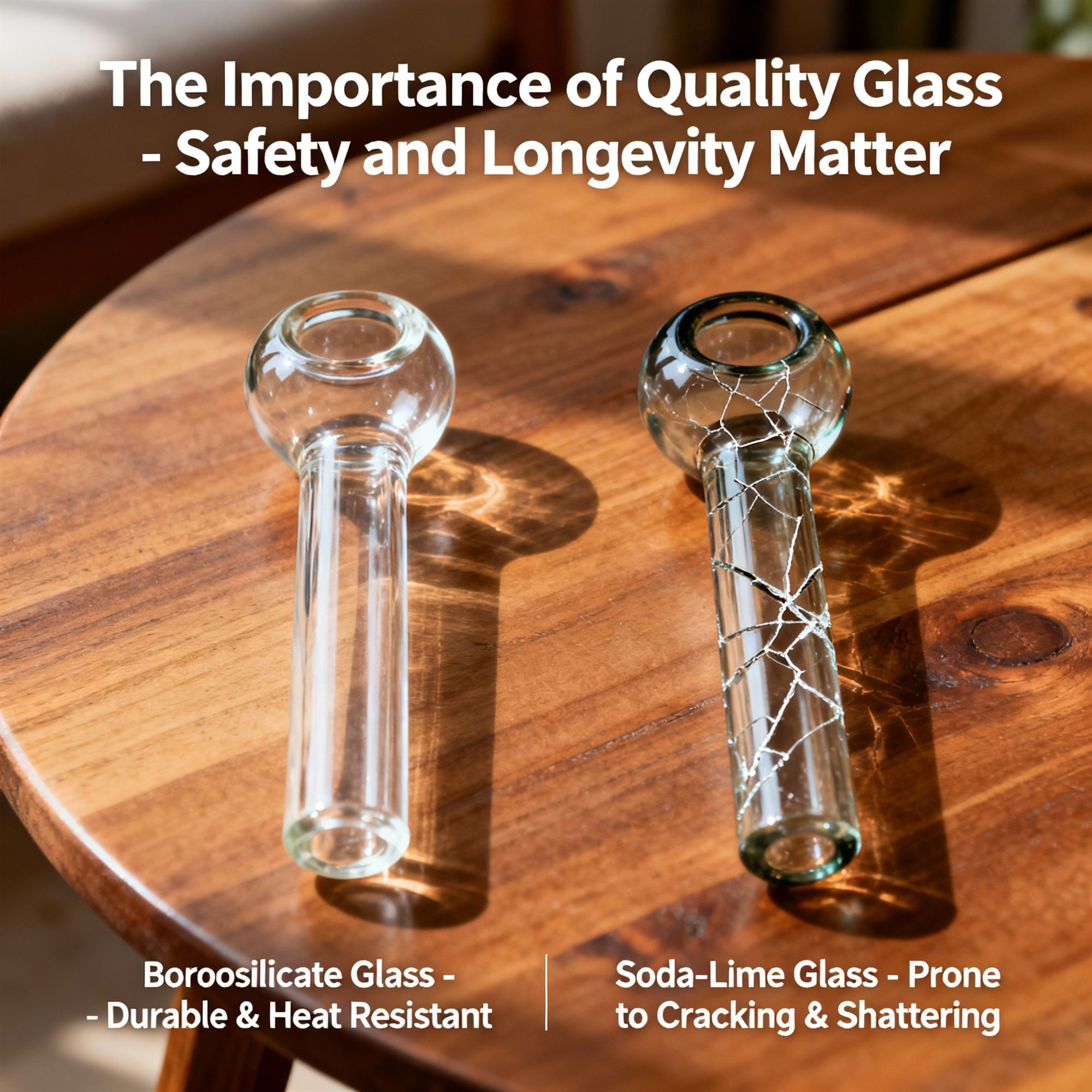
Glass breaks. Even the highest-quality borosilicate glass pipe can crack during shipping, chip in transit from your warehouse to a retail shelf, or develop a stress fracture from an undetected annealing issue. For wholesale buyers, the question is not whether breakage will happen—it is how your supplier handles it when it does.
This guide covers what warranty and damage-claim policies to expect from glass pipe manufacturers, how to document claims effectively, and what contractual protections you should negotiate before placing your first order.
Key Takeaways
- Most glass pipe manufacturers do not offer traditional “warranties”—they offer breakage-replacement policies for shipping damage.
- Shipping damage claims must be documented within 48-72 hours of delivery with photos and video evidence.
- Manufacturing defects (annealing failures, joint misalignment) are handled differently from transit damage—know the distinction.
- A 2-5% breakage allowance is standard in the glass pipe industry; negotiate this into your pricing upfront.
- Your purchase agreement should specify who bears the risk of loss at each stage: factory, port, ocean, customs, and final delivery.
Why Glass Pipe “Warranties” Are Not Like Consumer Product Warranties
In consumer electronics or appliances, a warranty means the manufacturer guarantees the product will function for a specified period and will repair or replace it if it fails. Glass pipes do not work this way for three reasons:
- Glass is fragile by nature. No manufacturer can guarantee that a glass pipe will never break during normal use. The product is inherently breakable, and end-user handling varies enormously.
- Wholesale transactions are B2B. The buyer (you) is a business, not a consumer. Consumer protection warranty laws (like the UCC implied warranty of merchantability in the US) apply differently to B2B transactions, where both parties are expected to negotiate terms.
- International shipping adds variables. A pipe that leaves the factory in perfect condition may arrive cracked due to carrier handling, customs inspection, or temperature extremes during transit. Determining where the damage occurred is essential for assigning responsibility.
What manufacturers actually offer is a breakage-replacement policy for manufacturing defects and, in some cases, shipping damage. The specifics vary significantly between factories.
Two Types of Damage Claims: Know the Difference
1. Manufacturing Defects
A manufacturing defect is a flaw that originates in the production process. Common examples in glass pipes:

- Annealing failure: The glass was not cooled slowly enough in the annealing lehr, creating internal stress. The pipe may appear fine but cracks spontaneously within days or weeks. This is the most common manufacturing defect and the hardest to detect at delivery.
- Joint misalignment: The ground glass joint (where the bowl or downstem connects) is not properly aligned, causing a poor seal or uneven stress distribution.
- Bubble inclusions: Air bubbles trapped in the glass wall during blowing create weak points that may crack under thermal stress.
- Color contamination: A batch of colored glass was mixed with incompatible compounds, leading to discoloration or structural weakness.
Manufacturing defects are the manufacturer’s responsibility. A reputable factory will replace defective units at no cost, including shipping for the replacements. However, you must document the defect and report it within the timeframe specified in your purchase agreement—typically 30-90 days from delivery.
2. Shipping / Transit Damage
Transit damage occurs after the product leaves the factory. Responsibility depends on your agreed Incoterms:
| Incoterm | Who Bears Risk During Shipping | Who Files the Claim |
|---|---|---|
| EXW (Ex Works) | Buyer, from the moment goods leave the factory | Buyer files with their own insurer or the carrier |
| FOB (Free On Board) | Buyer, once goods are loaded on the vessel | Buyer files with carrier or marine insurer |
| CIF (Cost, Insurance, Freight) | Seller arranges insurance; risk transfers to buyer at port of loading | Buyer files with the insurer the seller arranged |
| DDP (Delivered Duty Paid) | Seller bears all risk until delivery at buyer’s door | Seller files with carrier; buyer reports damage to seller |
The most common Incoterms for glass pipe wholesale are FOB Shenzhen and CIF destination port. Under FOB, you (the buyer) own the risk from the moment the container is loaded. Under CIF, the seller arranges insurance but risk still transfers at the port of loading—the insurance is for your benefit.

What to Expect From a Glass Pipe Manufacturer
Based on industry norms for Chinese glass pipe factories exporting to the US, UK, Australia, and Canada, here is what a reasonable warranty and claims policy looks like:
| Policy Element | Industry Standard | What to Negotiate |
|---|---|---|
| Breakage allowance | 2-5% of order value | Ask for 3-5% free replacement units included in the shipment |
| Manufacturing defect replacement | Full replacement at factory cost; buyer pays return shipping | Negotiate free replacement shipping for orders above $2,000 |
| Claim reporting window | 7 days for transit damage; 30-90 days for manufacturing defects | Request 14 days for transit damage (international shipments may be delayed by customs) |
| Documentation required | Photos of damaged product, photos of packaging, copy of packing slip | Request a specific claims form from the factory before ordering |
| Credit vs. replacement | Factory’s choice | Specify your preference (credit toward next order is often faster than waiting for replacements) |
How to Document a Damage Claim Effectively
The single most important step in the claims process happens before you even open the first carton: photograph and video the unboxing.
Here is the documentation protocol to follow for every wholesale glass pipe shipment:
- Before opening: Photograph the exterior of every carton. Note any visible damage, crushing, water stains, or punctures. Record the carton markings (shipping marks, your PO number, carton count).
- During opening: Record a continuous video of the unboxing process. Show the tape being cut, the flaps opened, and the internal packing material revealed. This proves the damage was not caused after delivery.
- Individual items: Photograph each damaged item in its packaging position before removing it. Then photograph the damage in detail (close-up of cracks, chips, or breaks) and the item’s packaging (bubble wrap, foam insert, box condition).
- Quantity count: Create a damage summary listing each damaged SKU, quantity, and damage type (cracked, chipped, broken, missing).
Submit this documentation to your factory within the reporting window specified in your purchase agreement. A well-documented claim with clear photos is resolved in days; a poorly documented claim can take weeks or be denied entirely.
Want a Warranty That Actually Holds Up?
Elfglass backs every order with a written warranty, photo-documented QC and validated transit packaging that cuts the breakage claims that eat wholesale margins. Send your warranty terms and get a quote within 12 hours.
MOQ from 100 pieces | BSCI / WRAP / ISO 9001 | NDA before every project
Negotiating Protection Into Your Purchase Agreement
Before placing your first order with a new factory, include these clauses in your purchase agreement:
- Breakage allowance: “Seller shall include 3% additional units as free breakage allowance, shipped in the same container.”
- Defect reporting period: “Buyer shall report manufacturing defects within 60 days of delivery. Seller shall respond with replacement or credit within 14 days of receiving documented claims.”
- Transit damage protocol: “For CIF shipments, Seller shall provide insurance certificate prior to loading. Buyer shall report transit damage within 14 days of delivery with photographic evidence.”
- Quality inspection right: “Buyer reserves the right to engage a third-party inspection service (e.g., SGS, Bureau Veritas) for pre-shipment inspection at Buyer’s cost.”
A manufacturer confident in their quality control—like Elfglass, which maintains ISO 9001 certification and documented production processes—will agree to these terms without hesitation. Factories that resist defect reporting windows or breakage allowances are signaling that they expect quality issues.
Prevention: Reducing Breakage Before It Happens
The best warranty claim is the one you never need to file. Here are proactive steps that reduce breakage rates:
- Specify packaging requirements in your PO. Individual foam inserts for each piece, double-walled cartons, and “FRAGILE” markings on all sides. Do not accept generic “standard export packing” without specifics.
- Request pre-shipment photos. Before the container is sealed, ask for photos of the packed cartons. This confirms the packaging matches your specification and gives you evidence if transit damage occurs.
- Consider third-party inspection. For orders above $5,000, a pre-shipment inspection by SGS or a similar service costs $200-400 and catches manufacturing defects before they ship. This is especially important for custom OEM orders where the design is new to the production line.
- Order from factories with low breakage track records. Ask prospective suppliers for their historical breakage rate. A rate below 1% indicates strong production and packaging processes. Above 3% signals systemic issues.
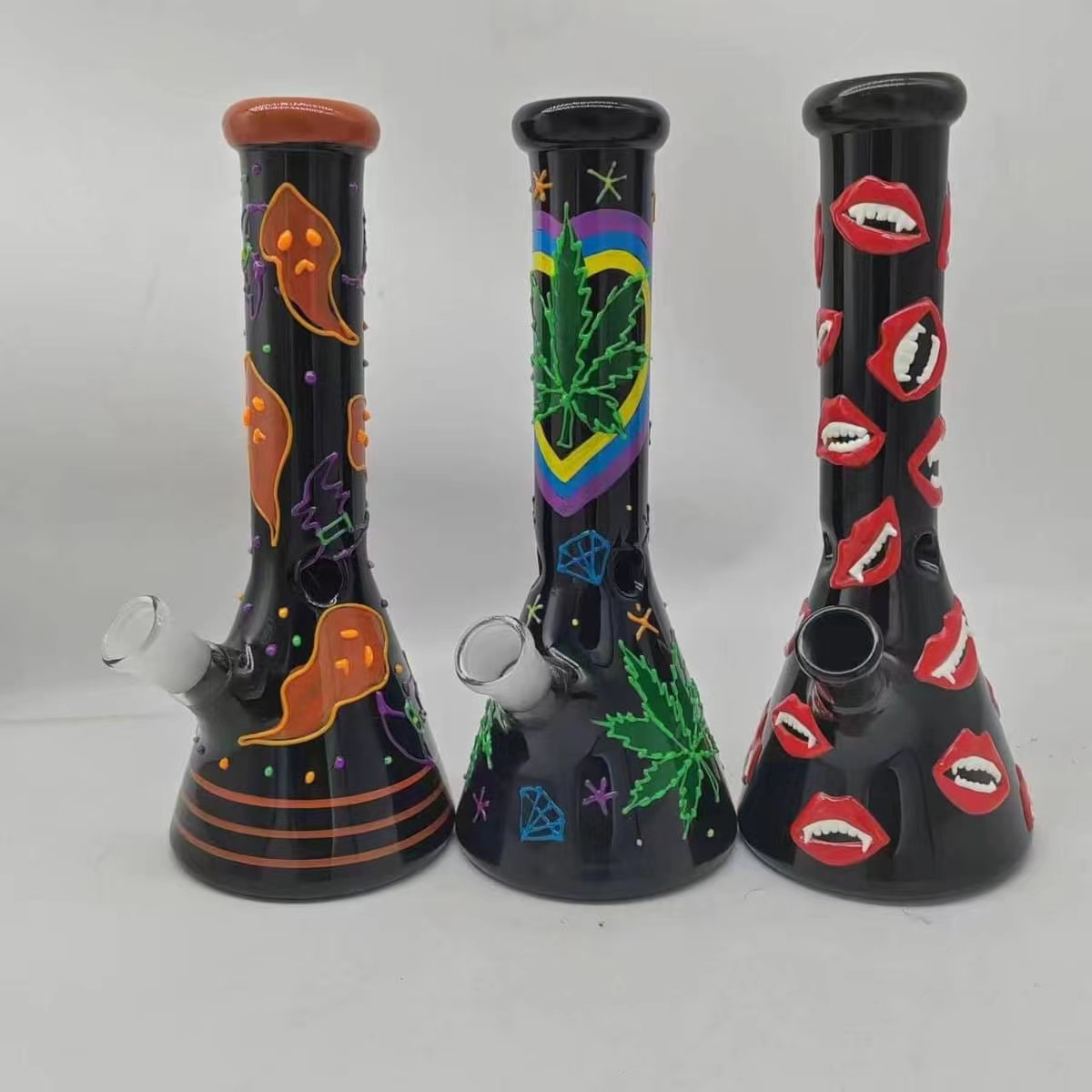
When sourcing wholesale water pipes, pay special attention to the percolator and joint areas—these are the most fragile points and the most common failure locations during transit. Extra foam padding around percolators is a small cost that prevents a disproportionate share of breakage.
Frequently Asked Questions
Do glass pipe manufacturers offer warranties?
Most glass pipe manufacturers do not offer traditional warranties. Instead, they provide breakage-replacement policies that cover manufacturing defects (annealing failures, joint misalignment, bubble inclusions) and sometimes shipping damage. The terms, reporting windows, and documentation requirements vary by factory.
What is a standard breakage allowance for glass pipe orders?
The industry standard breakage allowance is 2-5% of order value, typically provided as free replacement units included in the same shipment. For wholesale orders of 100+ units, negotiate 3-5% free units as a breakage buffer.
How do I file a damage claim with my glass pipe supplier?
Document everything: photograph the exterior cartons before opening, record a continuous unboxing video, photograph each damaged item in its packaging position, and submit a damage summary with SKU, quantity, and damage type. File within the reporting window specified in your purchase agreement (typically 7-14 days for transit damage, 30-90 days for manufacturing defects).
Who is responsible for damage during international shipping?
Responsibility depends on your agreed Incoterms. Under FOB, the buyer bears risk from the port of loading. Under CIF, the seller arranges insurance but risk still transfers at loading. Under DDP, the seller bears all risk until delivery. Always confirm your Incoterms in the purchase agreement before ordering.
Should I buy shipping insurance for glass pipe orders?
Yes, for orders above $2,000, marine cargo insurance typically costs 0.3-0.5% of the declared value and covers breakage during transit. Under CIF terms, the seller arranges this insurance. Under FOB or EXW terms, you must arrange your own coverage through a marine insurer.
Ready to Start Your Custom Glass Pipe Project?
Get a free quote within 24 hours. MOQ from 100 pieces. NDA-protected design consultation.
About the Author
Ava Zeng is the founder of Elfglass, a Shenzhen-based borosilicate glass pipe manufacturer serving B2B brands worldwide. Every guide on this site is grounded in her production-floor experience— the annealing lines, QC checkpoints, and export orders behind each claim.
Before you commit to a supplier, read her founder’s story and trust promise, and the guide to vetting a reliable glass pipe manufacturer— the same red-flag checklist Elfglass applies to its own suppliers.
Have questions about warranty terms for your wholesale glass orders? Contact our team for guidance tailored to your market.
