
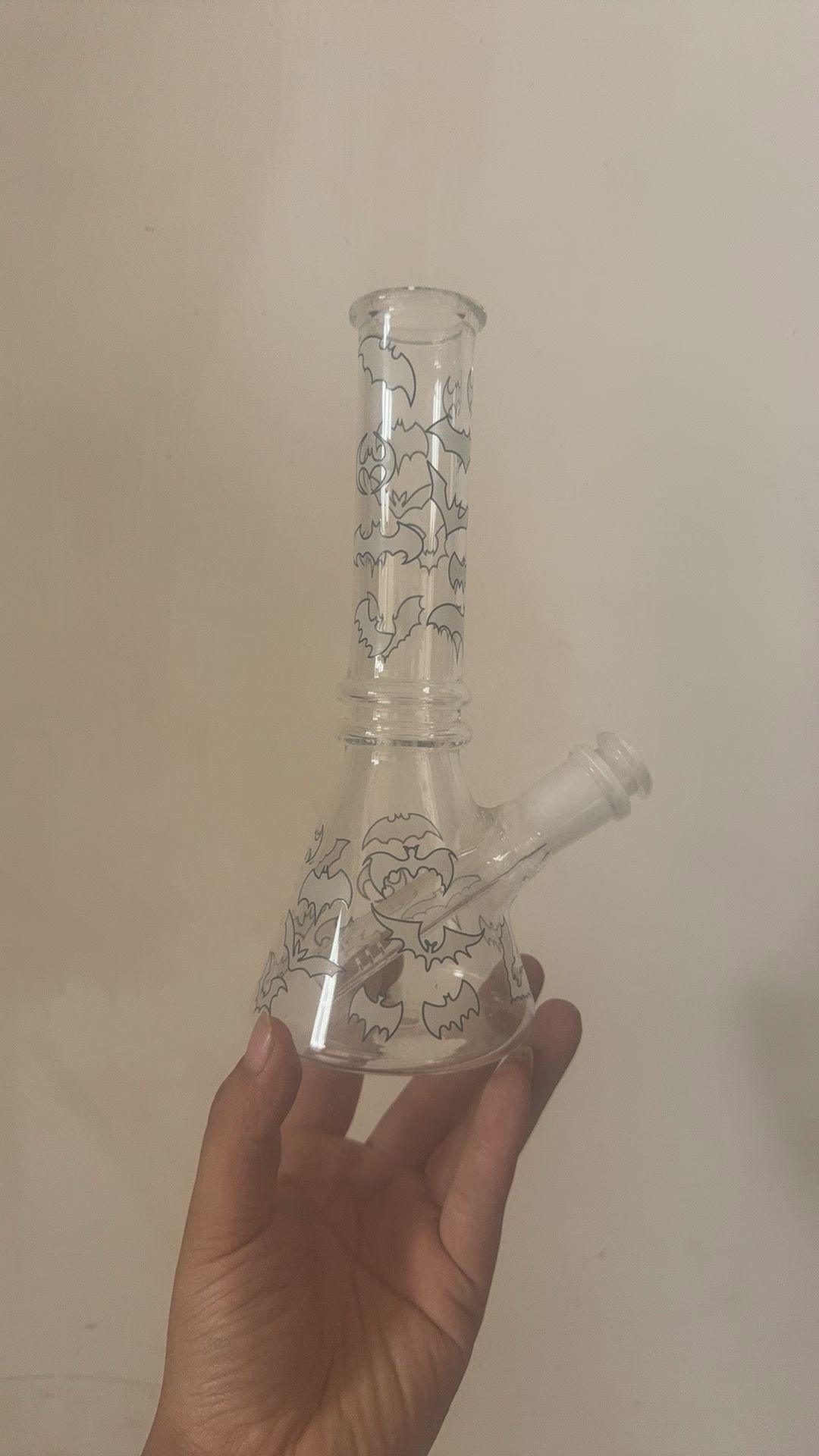
In 16 years of manufacturing glass pieces, we have watched customers ruin hundreds-of-dollar pieces in under five minutes. A boiling pot on the stove. A scrub pad pulled from the kitchen drawer. A soak in acetone overnight. The glass comes out cracked, clouded, or worse — the finish peels away in strips. As a manufacturer, that frustrates us deeply. We engineer every piece at our Shenzhen facility to last years, and then poor maintenance undoes all that work in a single careless cleaning session.
This article exists because retailers rarely pass cleaning guidance along with the product. A glass water pipe ships in a box with no instructions on how to maintain it. The customer figures it out from a YouTube video or a forum post that may recommend something damaging. We wrote this guide from a manufacturer’s perspective so retailers can share accurate, material-specific cleaning advice with every order — and turn that advice into a reason customers come back.
Whether you sell glass water pipes, hand pipes, dab rigs, or accessories, the information below will help your customers keep their pieces in top condition — and give you a competitive edge that most retailers ignore entirely.
Key Takeaways
- The industry-standard method uses 91%+ isopropyl alcohol with coarse salt — effective on borosilicate glass but risky for painted or soft glass pieces.
- Thermal shock kills more glass than any chemical. Boiling-water cleaning works only if you start from room temperature and heat gradually.
- Cleaning frequency matters more than method. A quick rinse after each use and a deep clean every 1-2 weeks prevents the heavy buildup that forces aggressive cleaning.
- Retailers who include care cards or QR-linked cleaning guides differentiate from competitors and create a reason for repeat contact.
- Borosilicate glass (3.3 rating) tolerates alcohol, heat, and commercial solvents far better than soft glass — always confirm the material before recommending a method.
Table of Contents
Why Cleaning Guidance Matters for Retailers
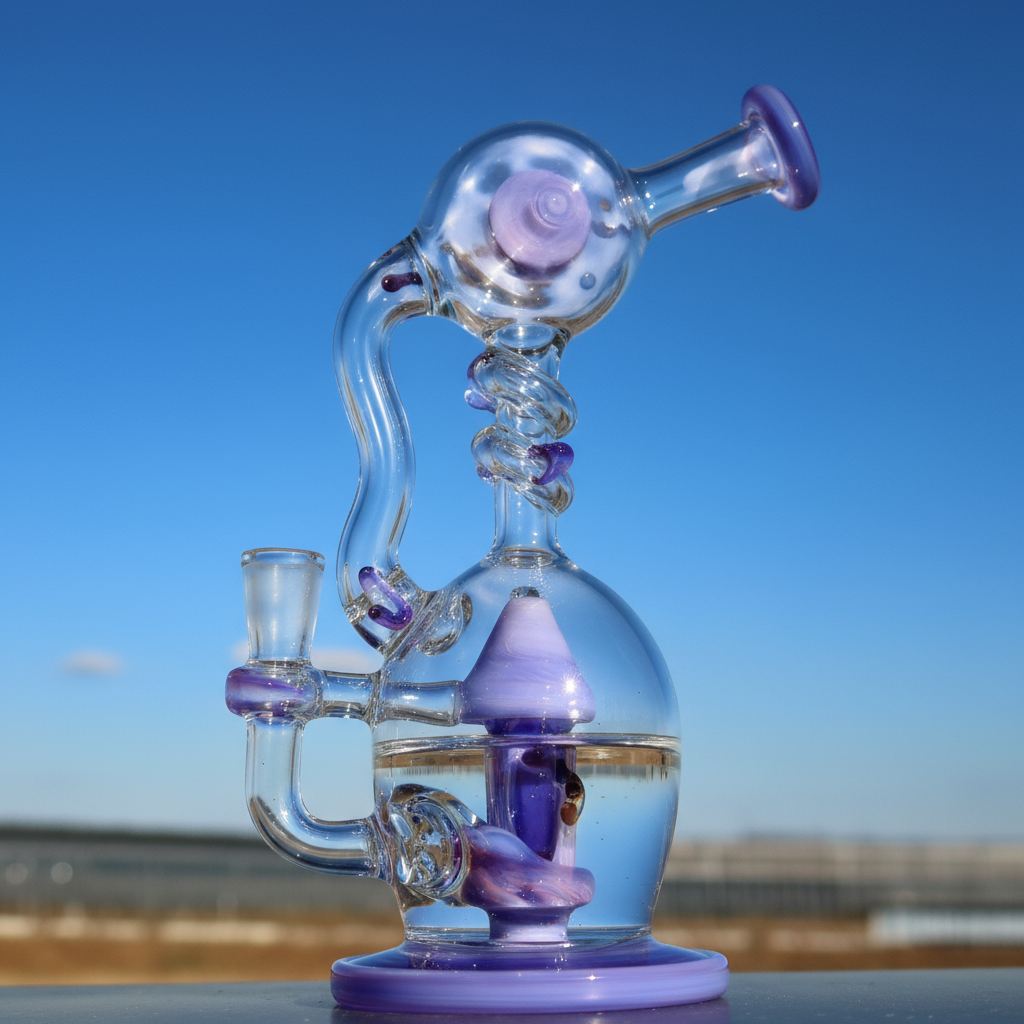
Most glass piece retailers treat the sale as the endpoint. The product ships, the transaction closes, and the relationship ends. That approach leaves money on the table and creates a preventable problem: customers who damage their pieces through improper cleaning blame the product quality, not their own technique. A retailer who provides cleaning guidance shifts that dynamic entirely.
Consider the economics. A wholesale glass water pipe costs a retailer between $8 and $35 depending on complexity. The retail price ranges from $40 to $150+. When a customer cracks a $90 rig by dropping it into boiling water, they do not blame themselves — they leave a one-star review saying the glass was “thin” or “cheap.” That review costs the retailer far more than the replacement piece would have.
Beyond damage prevention, cleaning guidance creates three concrete business opportunities. First, it positions the retailer as a knowledgeable authority rather than a box-mover. Second, it generates a natural reason for follow-up contact — “How is your piece holding up? Here is a quick refresher on cleaning.” Third, it opens the door to selling cleaning supplies as add-on products. A $3 care card insert can drive $15 in additional revenue per order.
At Elfglass, we have watched retailers who include simple cleaning instructions reduce their return rate by an estimated 20-30%. The glass does not change. The customer behavior changes.
The Four Cleaning Methods
From a manufacturing standpoint, there are four cleaning methods that end users commonly attempt. Each has a place, and each carries specific risks depending on the glass material. Here is the breakdown we share with our retail partners.
Method 1: Isopropyl Alcohol + Salt (Industry Standard)
This is the method we recommend for most borosilicate glass pieces. Fill the piece with 91%+ isopropyl alcohol, add 2-3 tablespoons of coarse salt (kosher or sea salt — table salt is too fine), seal the openings, and shake for 2-3 minutes. For heavy buildup, soak for 30 minutes to several hours before shaking. The alcohol dissolves the resin while the salt acts as a mechanical abrasive against interior surfaces.
The critical specification: the alcohol must be 91% or higher. The 70% rubbing alcohol found in many pharmacies contains too much water to dissolve resin effectively. It leaves a cloudy film that requires a second cleaning pass. We stock 99% ISO at our facility for production cleaning, and retailers should recommend the same concentration to customers.
Method 2: Boiling Water (High Risk)
This method works — technically. Submerging a glass piece in boiling water for 15-20 minutes softens resin enough to rinse away. But it carries the highest breakage risk of any method. Borosilicate glass handles thermal stress better than soft glass, but even borosilicate will crack if dropped into already-boiling water or placed on a cold surface immediately after.
The safe protocol: start with room-temperature water, place the piece in the pot, then bring the water to a gradual boil. Never place hot glass on a cold countertop — set it on a folded towel. If a customer insists on this method, they should know their glass type first. Soft glass pieces should never be boiled.
Method 3: Baking Soda + Vinegar (Alcohol-Free)
For customers who want to avoid alcohol — whether for scent sensitivity, environmental concerns, or because they have painted or printed glass that alcohol might damage — baking soda and vinegar offers a gentler alternative. Create a paste with baking soda and a small amount of water, apply to interior surfaces, then pour in white vinegar. The fizzing reaction helps lift residue. Soak for 30-60 minutes and rinse thoroughly.
This method takes longer and requires more effort than alcohol cleaning. It works best for light to moderate buildup. Heavily resinated pieces will need multiple passes or a stronger solvent.
Method 4: Commercial Cleaners (Formula 420, Orange Chronic)
Products like Formula 420 and Orange Chronic are formulated specifically for glass piece cleaning. They work well and consistently, which is why many head shops stock them alongside their glass inventory. The trade-off is cost — a 4oz bottle retails for $8-12 and cleans roughly 3-5 pieces depending on buildup severity.
From a retail perspective, commercial cleaners represent the highest-margin add-on opportunity. Customers who buy a $70 dab rig are very likely to add a $10 cleaner. The margin on these products typically exceeds 60%.
Safety Comparison by Glass Type
| Method | Borosilicate Glass | Soft Glass | Painted/Printed |
|---|---|---|---|
| ISO + Salt | Safe | Test First | Avoid |
| Boiling Water | Cautious Use | Never | Never |
| Baking Soda + Vinegar | Safe | Safe | Test First |
| Commercial Cleaners | Safe | Check Label | Check Label |
Source Borosilicate Glass Pieces Built to Last
Elfglass manufactures borosilicate water pipes, hand pipes, and dab rigs with 3.3 material rating — designed for durability and easy maintenance. MOQ starts at 100 pieces per design.
What NOT to Do: Damage Risks by Glass Type
Knowing what to avoid matters as much as knowing what to do. After inspecting thousands of returned or damaged pieces across the industry, we see the same three mistakes repeatedly.
Mistake 1: Thermal Shock
Dropping a hot glass piece into cold water — or a cold piece into boiling water — creates immediate stress fractures. Borosilicate glass has a coefficient of thermal expansion roughly 50% lower than soft glass, meaning it handles temperature swings better, but it is not immune. We recommend never exceeding a 60-degree-Celsius temperature change at any point during cleaning. This single rule would prevent the majority of cleaning-related breakage.
Mistake 2: Abrasive Scrubbers
Steel wool, metal brushes, and rough scouring pads scratch glass surfaces. Those scratches create micro-fractures that weaken the structure over time and make future cleaning harder — resin catches in the scratches and builds up faster. For interior cleaning, salt provides the right level of abrasion. For exterior surfaces, use a soft cloth or sponge only.
Mistake 3: Harsh Chemicals on Finished Glass
Acetone, bleach, and ammonia-based cleaners strip paint, dissolve printed logos, and cloud fumed glass surfaces. If a piece has any decorative finish — color changes, metallic fuming, screen printing, or hand-painted details — alcohol and commercial cleaners should be avoided entirely. Stick to baking soda and vinegar, and test on a small hidden area first.
Stock the Glass Pipes Your Customers Actually Buy
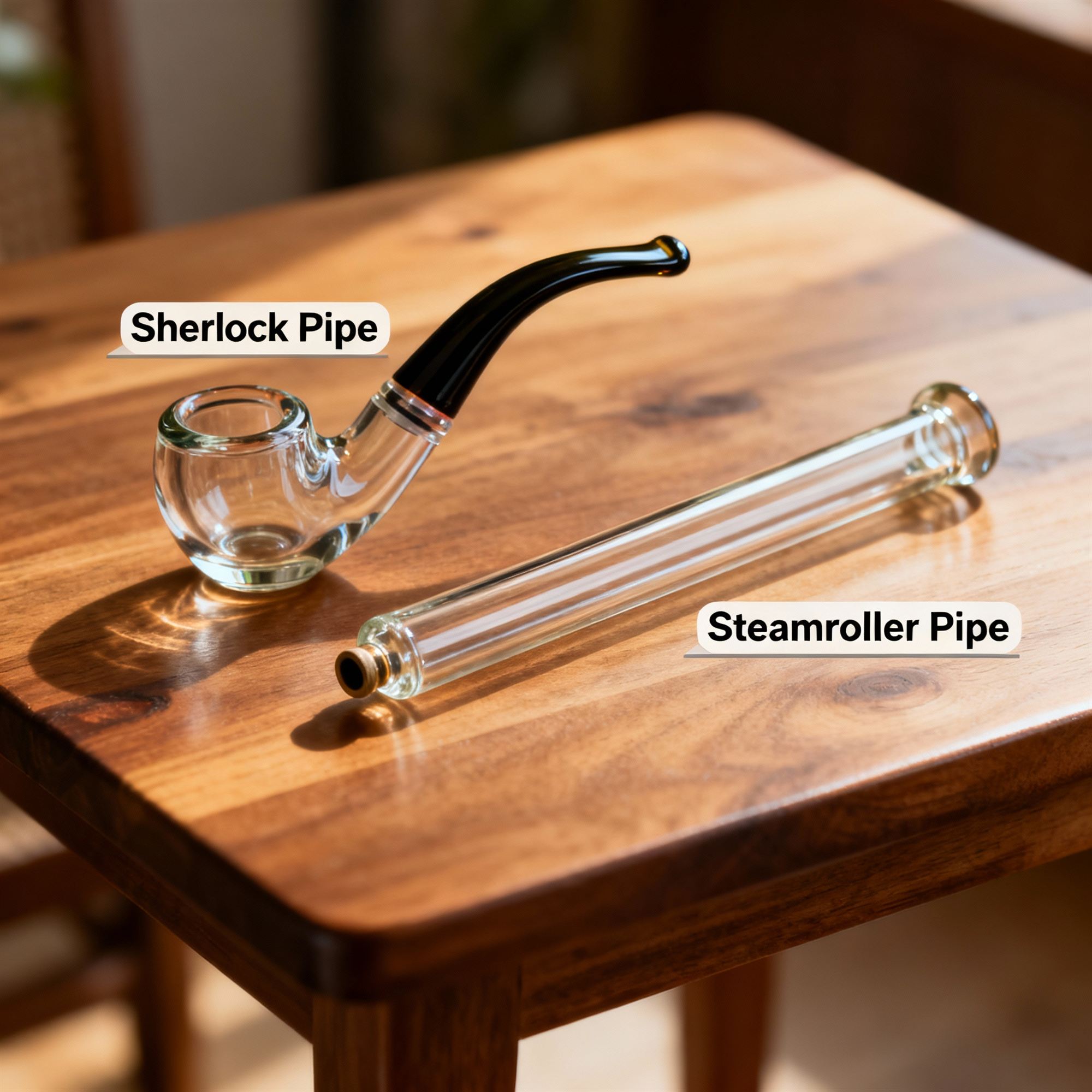
Elfglass produces the full wholesale catalog, from hand pipes and sherlocks to dab rigs, percolator bongs, and accessories, in proven best-selling specs. Tell us your market and we will recommend a catalog mix with pricing.
MOQ from 100 pieces | BSCI / WRAP / ISO 9001 | NDA before every project
Cleaning Frequency: A Practical Schedule
How often a piece needs cleaning depends on usage frequency, but there is a general framework that works for most customers. Sharing this schedule removes the guesswork and prevents the heavy buildup that leads to aggressive — and potentially damaging — cleaning sessions.
After each use: Rinse with warm water. This takes 10 seconds and prevents fresh resin from hardening on interior surfaces. Customers who rinse consistently can go much longer between deep cleans.
Weekly (regular users): A quick ISO + salt shake for 2-3 minutes keeps the piece fresh without requiring a long soak. This is the maintenance clean that most regular users need.
Every 1-2 weeks (deep clean): Full soak in ISO or commercial cleaner for 30 minutes to an hour. This addresses any buildup that the weekly shake missed. For pieces used multiple times daily, this should happen weekly. For occasional users, every two weeks is sufficient.
The pattern is clear: frequent light cleaning outperforms infrequent heavy cleaning every time. A piece rinsed daily and cleaned weekly will last years longer than one cleaned only when visibly dirty.
Turning Cleaning Into a Retail Opportunity
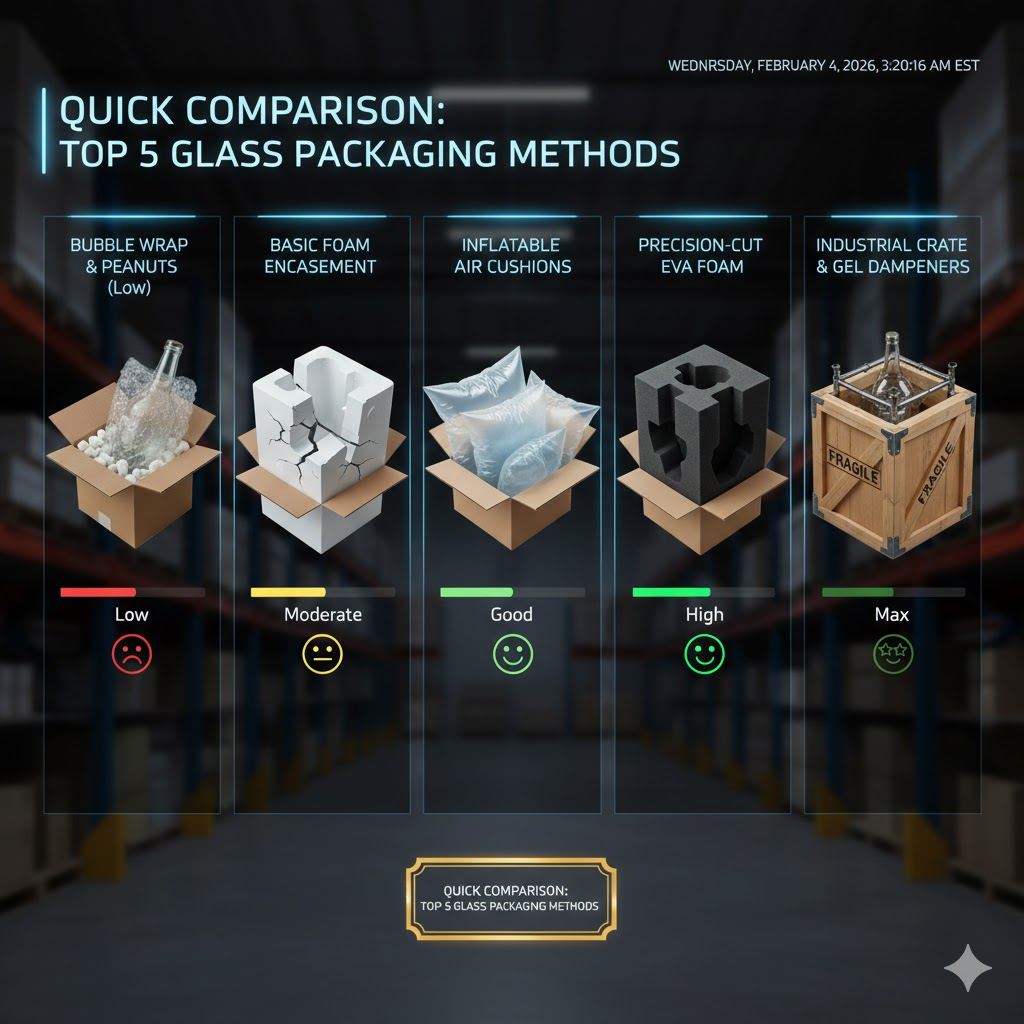
Cleaning guidance is not just customer service — it is a revenue strategy. Retailers who integrate cleaning education into their operations see measurable benefits across three channels.
Care Cards in Every Shipment
A simple printed card included in the box costs less than $0.10 per unit at scale. Print the cleaning method, frequency recommendation, and a warning about thermal shock on one side. On the reverse, include your shop name, website, and a discount code for the next order. This card reduces damage complaints, increases customer satisfaction, and drives repeat purchases simultaneously.
Cleaning Kits as Add-On Products
Bundle a bottle of ISO solution, a pack of coarse salt, and pipe cleaners into a $12-18 cleaning kit. The cost of goods for this kit is typically under $3. When offered at checkout alongside a glass piece purchase, attach rates of 25-40% are common. This transforms cleaning from a customer problem into a product category.
QR Codes Linking to Detailed Guides
Print a QR code on the care card that links to a dedicated page on the retailer’s website. That page can host detailed cleaning instructions, video tutorials, and product recommendations. The QR code serves double duty: it delivers value to the customer and drives traffic to the retailer’s site, where additional purchases happen. A retailer who hosts the definitive cleaning guide for their products becomes the go-to resource — not just a vendor.
Conclusion
Glass pieces are engineered to last. At Elfglass, every water pipe, hand pipe, and dab rig that leaves our 1,000-square-meter facility in Shenzhen is built from borosilicate glass rated for long-term daily use. But even the best manufacturing cannot protect a piece from a customer who drops it into boiling water or scrubs it with steel wool.
The retailers who win in this market are the ones who educate. A care card, a cleaning kit bundle, a QR code to a guidance page — these small investments separate a professional operation from a marketplace listing. They reduce returns, generate repeat revenue, and build the kind of customer trust that drives word-of-mouth referrals.
If you are sourcing glass pieces and want a manufacturing partner who thinks about the full customer lifecycle — not just the wholesale price — we should talk. Elfglass offers 100-piece MOQs per design, 1-3 day sampling, and 7-12 day production runs. Every piece is BSCI, WRAP, and ISO 9001 certified.
Partner With a Manufacturer Who Cares About the End User
Elfglass — A Manufacturer With the Soul of a Designer. Borosilicate glass pieces built to last, backed by 16 years of production expertise.
Frequently Asked Questions
What is the best way to clean a glass pipe?
The most effective method is soaking in 91%+ isopropyl alcohol with coarse salt for 30 minutes, then shaking for 2-3 minutes and rinsing thoroughly with warm water. This works best on borosilicate glass water pipes, hand pipes, and dab rigs without painted or printed finishes. For decorated pieces, use an alcohol-free method like baking soda and vinegar instead.
Can you boil a glass pipe to clean it?
Boiling works for borosilicate glass but carries significant risk. You must start with room-temperature water and heat gradually — never drop glass into already-boiling water. After boiling, set the piece on a towel, not a cold surface. Soft glass pieces should never be boiled. From a manufacturer’s perspective, we recommend alcohol soaking instead, which achieves the same result without the breakage risk.
How often should glass pieces be cleaned?
Rinse with warm water after each use. Perform a quick ISO + salt clean weekly for regular users. Deep clean with a full soak every 1-2 weeks. The key principle is consistency — frequent light cleaning prevents the heavy resin buildup that requires aggressive solvents and increases the chance of damage during maintenance.
Is isopropyl alcohol safe for all glass pipes?
ISO is safe for clear borosilicate glass. However, it can damage painted finishes, printed logos, fumed glass surfaces, and some soft glass compositions. If a piece has any decorative finish, test on a small hidden area first or switch to an alcohol-free method. When in doubt, baking soda and vinegar provides a safe baseline for all glass types. Contact our team for retail-ready care card templates you can share with customers.
For buyers looking to grow beyond initial samples, this modular glass pipe systems with standardized joints guide provides detailed operational frameworks for the next stage of sourcing. The most widely recommended cleaning agent is isopropyl alcohol.
About the Author
Ava Zeng is the founder of Elfglass, a Shenzhen-based borosilicate glass pipe manufacturer serving B2B brands worldwide. Every guide on this site is grounded in her production-floor experience— the annealing lines, QC checkpoints, and export orders behind each claim. Chemical resistance of borosilicate products is documented in the reference on borosilicate glass.
Before you commit to a supplier, read her founder’s story and trust promise, and the guide to vetting a reliable glass pipe manufacturer— the same red-flag checklist Elfglass applies to its own suppliers.
Ready to Source Custom Glass Pipes?
Get a free quote within 24 hours. MOQ from 100 pieces. NDA-protected design consultation.
