
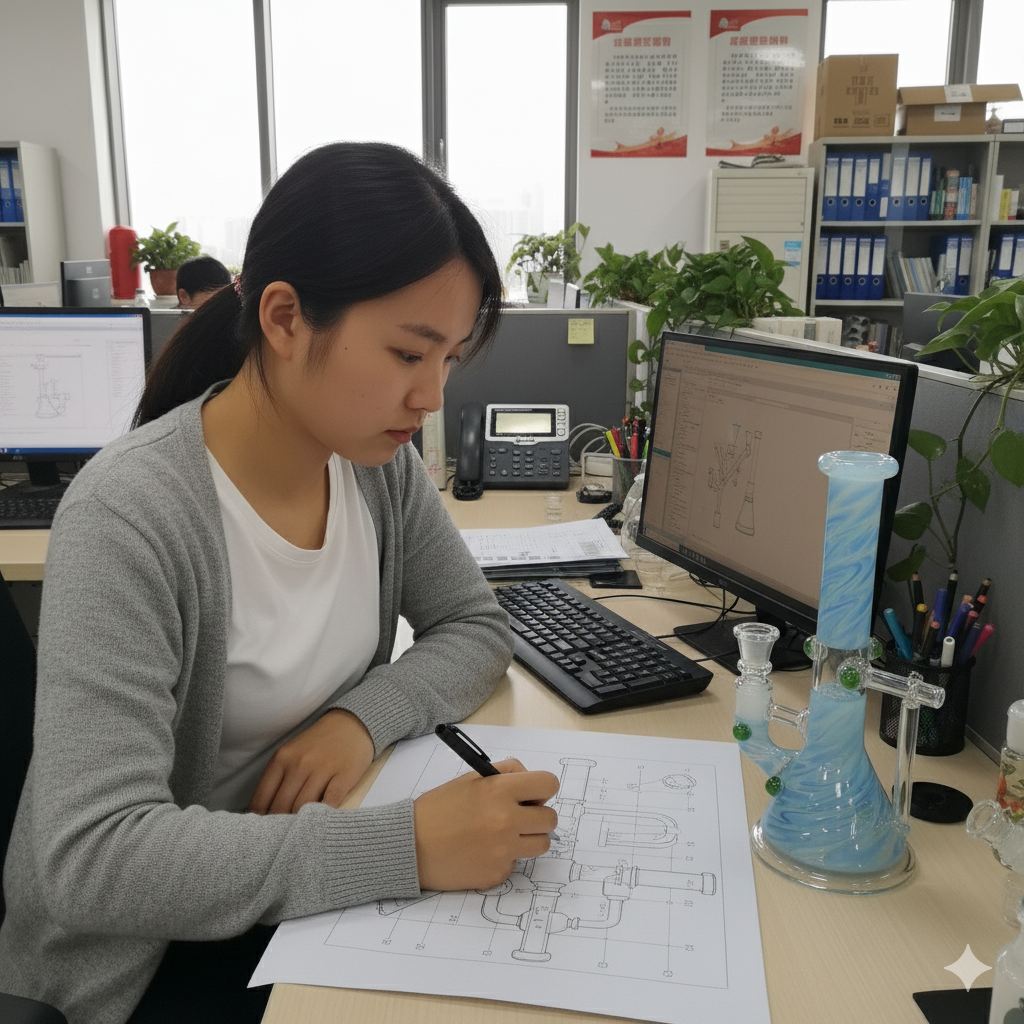
Read more about the sixteen years of glass pipe manufacturing evolution at Elfglass.
There is a moment every brand founder knows well. The idea is clear in your head. You can see the product, feel the materials, imagine the customer holding it. Then you hand that vision to a manufacturer, and somewhere between the first email and the fifth revision, it dies. Not because the factory lacks skill. Not because the technology is missing. But because nobody stopped to understand what you were actually trying to build.
Ava Zeng built Elfglass in 2010 to fix that exact problem. After years of watching brilliant product ideas get mangled by poor communication, she decided to create a glass pipe manufacturer that operated differently. One where the factory would think like a design partner, not a production line. One where your intellectual property would be protected before a single sketch was reviewed. One where speed was not a luxury but a baseline form of respect.
Sixteen years later, that glass manufacturer story looks like a 1,000-square-meter facility, 20 employees, 10,000 units of monthly output, and partnerships with retailers across the globe. But the origin is simpler than the numbers suggest. It starts with one observation: the thing that kills a great idea is never the technology. It is the gap between people.
Key Takeaways
- Founded 2010: Elfglass started with a single mission — close the communication gap between designers and glass manufacturers.
- NDA-first model: Every client project begins with a non-disclosure agreement, protecting creativity before engineering begins.
- 1-3-7-12 timeline: Quote in 12 hours, sample in 1-3 days, mass production in 7-12 days for 100+ units.
- 100-piece MOQ: Custom molds exclusive to each client, with a minimum of 100 pieces per design or SKU.
- Certified quality: BSCI, WRAP, and ISO 9001 certified, backed by 16 years of glass manufacturing experience.
- 10,000 units/month: A 1,000-square-meter facility with 20 employees producing glass water pipes, hand pipes, dab rigs, and accessories.
Table of Contents

The Idea That Started It
Before Elfglass existed as a factory, it existed as a frustration. Ava Zeng spent years in the product development space watching a pattern repeat itself. Talented designers and ambitious retailers would bring glass pipe concepts to manufacturers. The factory would receive the brief. The engineers would start tooling. And somewhere in the translation from vision to specification, the soul of the product would disappear.
The problem was not incompetence. Most glass factories in the Hejian tradition — a region in Hebei province with over 100 years of glassmaking history, 252 artisanal glass businesses, and more than 60,000 workers — possess extraordinary technical skill. Hejian alone produces over 10 billion yuan in annual glass output, exporting to more than 50 countries. The craftsmanship is real. What was missing was empathy.
“What kills a great idea is never the technology, but the communication gap and a lack of empathy.”
That quote from Ava became the founding principle of Elfglass. In 2010, she established Shenzhen Yuemei Technology with a clear mandate: build a glass pipe manufacturer that approaches every project the way a designer would. Not just reading the spec sheet, but understanding the market the product is entering, the customer who will hold it, and the brand story it needs to tell. This is the glass manufacturer story that no one else in the industry was telling.
The name “Elfglass” was chosen deliberately. It signals something different from the typical factory name. It suggests care, artistry, and a touch of magic. Because that is what happens when manufacturing meets genuine design thinking — something that feels almost magical to the client who finally sees their vision produced exactly as imagined.
What “A Designer’s Soul” Actually Means
The slogan “A Manufacturer With the Soul of a Designer” is not marketing decoration. It describes a specific operational philosophy that shapes how Elfglass handles every project. Here is what it looks like in practice.
First, it means understanding before engineering. When a new client approaches Elfglass with a concept for a glass water pipe, a hand pipe, or a dab rig, the first conversation is never about mold costs or production timelines. It is about the product’s purpose. Who is the end user? What shelf will it sit on? What competing products does it need to stand apart from? Only after that context is clear does the engineering team begin translating vision into technical specifications.
Second, it means protecting creativity as a core service. Every client project at Elfglass begins with a non-disclosure agreement. This is not optional. It is not something you have to request. It is the first document that crosses the table. Because if you claim to have the soul of a designer, you understand that an unprotected idea is a vulnerable one.
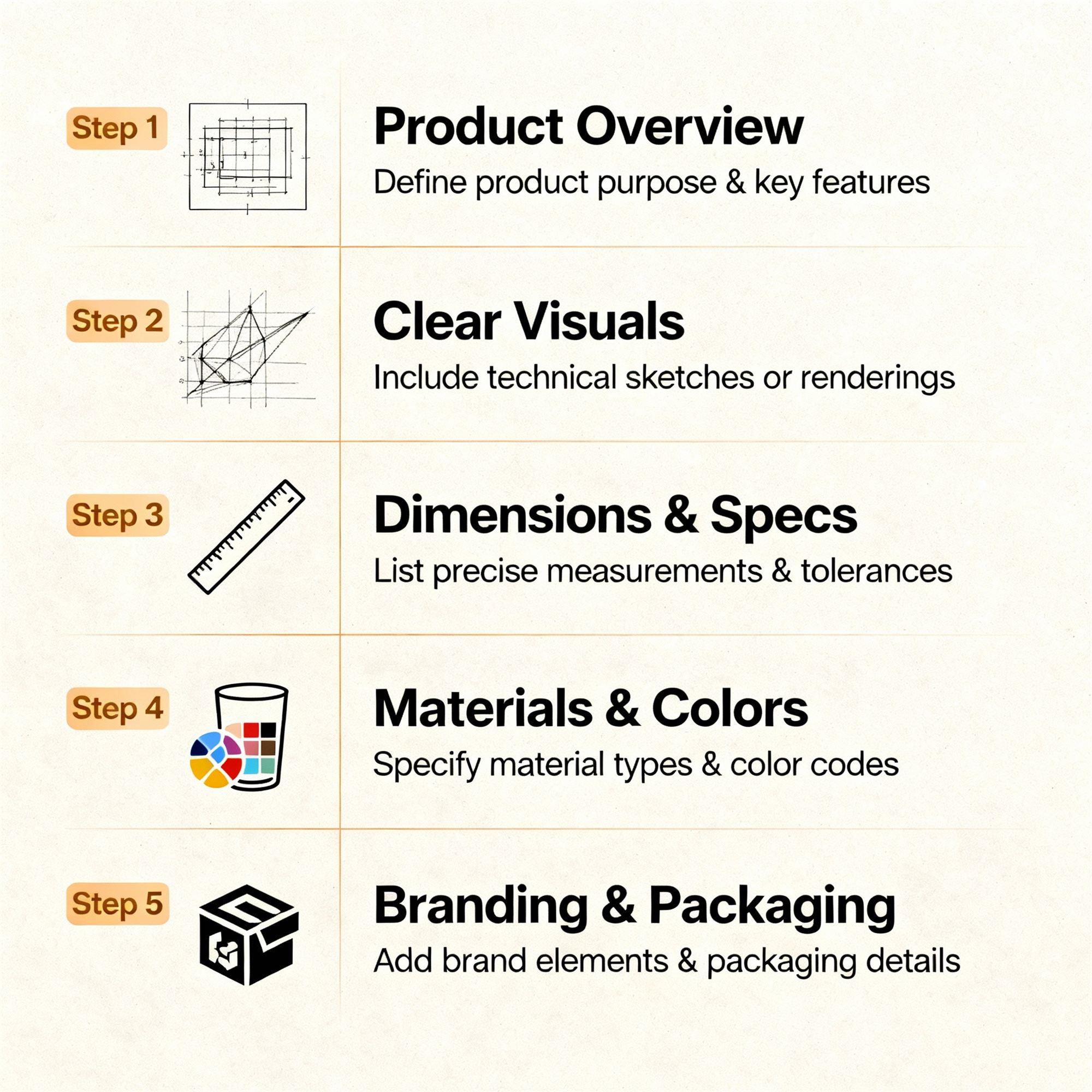
Third, it means treating custom molds as intellectual property. When Elfglass creates a custom mold for your design, that mold belongs to you. It is exclusive to your project. No other client will ever receive your design, and no mold made for your brand will ever be repurposed. This is what design empathy looks like when it is built into the manufacturing process rather than bolted on as a policy.
The result is a partnership model that feels fundamentally different from the typical buyer-supplier dynamic. Clients do not just receive products. They receive a manufacturing experience that respects the creative work they have invested in their brand.
Ready to See How Design-Led Manufacturing Works?
Explore the Elfglass production process — from NDA to delivery — and see how your ideas become reality.
From Shenzhen to the World
Ideas need infrastructure. For all its design philosophy, Elfglass is first and foremost a working factory. The facility spans 1,000 square meters and employs 20 people — glassblowers, quality inspectors, packaging specialists, and project coordinators. Monthly production capacity reaches 10,000 units across the full product range: glass water pipes, hand pipes, dab rigs, and parts and accessories.
Those numbers tell only part of the story. The more important figure is the minimum order quantity: 100 pieces per design or SKU. In an industry where many factories demand orders of 500 or 1,000 units before they will set up a production run, Elfglass deliberately keeps the floor low. The reasoning is practical. It allows retailers and brand owners to test new designs without overcommitting inventory. It supports brands that are still growing and need a manufacturing partner willing to scale with them.
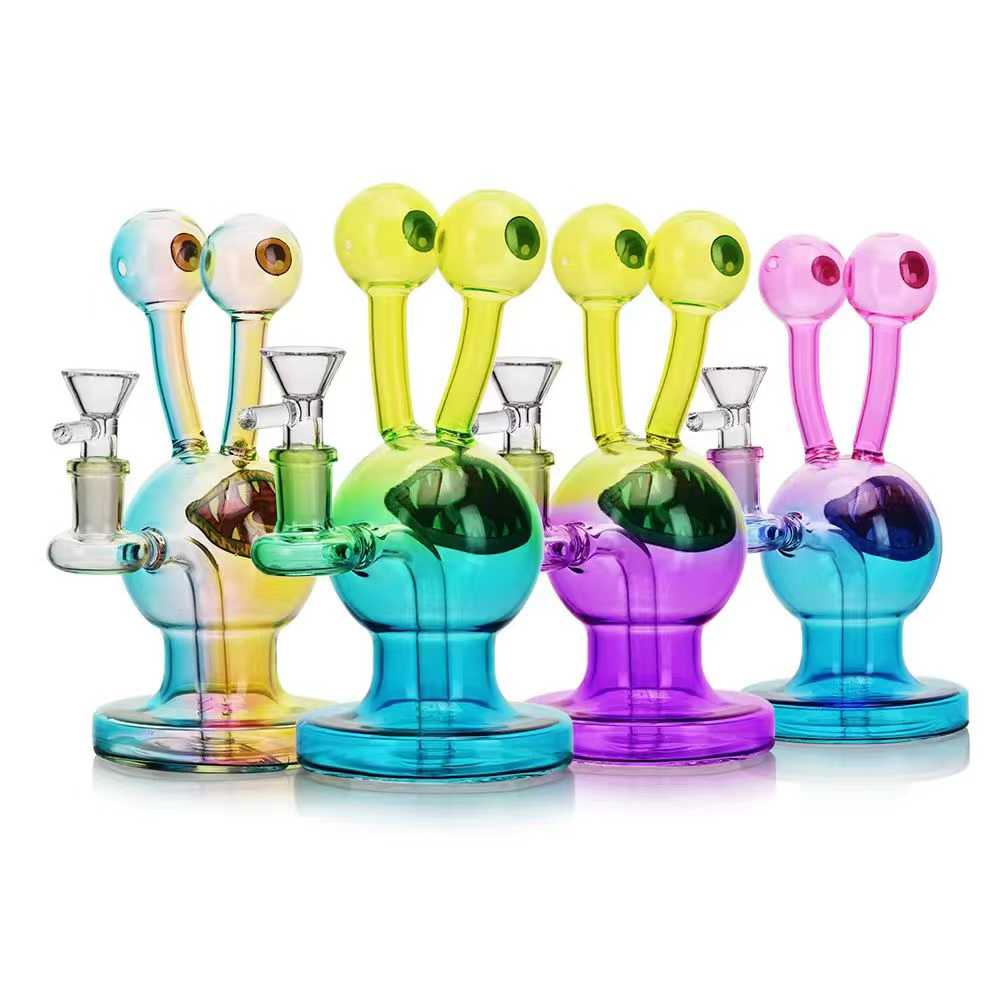
The factory sits within the orbit of Hejian, the glass capital of China. This is not a coincidence. Hejian’s glass industry stretches back more than a century. Today it is home to 252 artisanal glass businesses and a workforce exceeding 60,000 people. The region produces over 10 billion yuan in annual output and ships to more than 50 countries. Being embedded in this ecosystem means Elfglass draws on deep craft traditions while maintaining the quality control and client communication standards that international buyers require. That studio sensibility belongs to the wider glass art tradition, where individual makers shaped the aesthetics that factories later scaled.
From this base, Elfglass serves clients worldwide through its glasspipessourcing.com platform. Whether you are sourcing wholesale water pipes for a retail chain or developing a custom dab rig line under your own brand, the factory operates as an extension of your product team — not a distant vendor.
Looking for a Factory That Thinks Like a Design Partner?
Elfglass is a Shenzhen-based, NDA-first borosilicate manufacturer with 16 years of glass experience, BSCI / WRAP / ISO 9001 certification and samples in 1 to 3 days. Send your design and get a quote within 12 hours.
MOQ from 100 pieces | BSCI / WRAP / ISO 9001 | NDA before every project
How NDA-First Protects Your Ideas
In the glass manufacturing world, intellectual property protection is often an afterthought. Many factories will review your design, produce a sample, and then casually show that same design to the next buyer who walks through the door. Your custom piece becomes someone else’s catalog item. Your competitive advantage evaporates.
Elfglass built its entire client relationship model around preventing this. Before any project discussion begins in earnest, both parties sign a non-disclosure agreement. This is not a generic template pulled from the internet. It is a specific, enforceable agreement that covers design specifications, mold ownership, pricing structures, and market positioning details shared during the collaboration.
The NDA-first approach serves a dual purpose. Legally, it protects the client’s intellectual property from unauthorized sharing or replication. Psychologically, it signals something important: this factory takes your ideas seriously. When a manufacturer insists on protecting your creativity before they have even seen it, they are telling you that they value the creative process itself.
This matters more than most buyers realize. The glass pipe market is competitive. Unique designs are the primary differentiator for brands building loyal customer bases. A manufacturer that treats every design as confidential by default is a manufacturer you can build a long-term product line with. This is the trust model that has kept Elfglass clients returning for 16 years.
Speed as Respect: The 1-3-7-12 Timeline
Elfglass has an internal principle they call “Speed is Sacred Respect.” It sounds like a slogan, but it describes a concrete operational commitment. Here is how it breaks down in practice.
12 hours for a quote. When you send an inquiry to Elfglass, you receive a detailed quotation within 12 hours. Not three business days. Not “we will get back to you soon.” Twelve hours. Because when a brand owner is evaluating manufacturers, the speed of the first response tells them everything about how the rest of the project will run.
1-3 days for a sample. Once specifications are agreed upon, the sampling team produces a physical sample within one to three days. This is fast by any manufacturing standard, and it is deliberately so. Every day a sample sits in queue is a day your product launch gets delayed, your market window narrows, and your confidence in the partnership erodes.
7-12 days for production. For orders above 100 units, mass production completes in seven to twelve days. Combined with the sampling phase, this means a client can go from initial inquiry to finished, packaged goods in roughly two to three weeks. For context, many glass manufacturers quote four to eight weeks for the same process.
This timeline is not possible without the 20-person team operating in tight coordination. It reflects a factory that has optimized its workflow around one belief: your time matters as much as your product. Speed is not about cutting corners. It is about respecting the urgency that every brand owner feels when they are bringing something new to market.
What 16 Years of Glass Looks Like
Longevity in manufacturing is earned through consistency. Elfglass was founded in 2010, and over 16 years it has accumulated the credentials that separate serious manufacturers from fly-by-night operations. The factory holds three major certifications: BSCI (Business Social Compliance Initiative), WRAP (Worldwide Responsible Accredited Production), and ISO 9001 for quality management systems.
Each certification represents a different dimension of operational discipline. BSCI verifies that the factory meets international standards for fair labor practices, safe working conditions, and environmental responsibility. WRAP confirms ethical manufacturing practices across the production chain. ISO 9001 is the globally recognized benchmark for quality management, ensuring that every unit that leaves the facility meets consistent specifications.
But certifications alone do not tell the full story. The more meaningful measure is client retention. In B2B manufacturing, the strongest signal of quality is not a certificate on the wall. It is the fact that buyers keep coming back. Brands that started with Elfglass ordering 100-piece test runs of a single hand pipe design now manage multi-SKU product lines across water pipes, dab rigs, and accessories — all sourced from the same factory.
That kind of relationship depth takes years to build. It requires delivering on promises consistently — on quality, on timing, on communication, and on the protection of intellectual property. It is the result of treating every order, whether 100 units or 10,000, with the same level of care. This is what a glass manufacturer story looks like when it is written in actions rather than press releases.
Conclusion
Every manufacturer has a story. Most of them are forgettable. They follow the same template: founded in some year, located in some city, producing some products, serving some clients. There is no voice, no philosophy, no reason to remember them after you close the browser tab.
Elfglass is different because it was built around a belief, not just a business plan. The belief is that manufacturing should protect creativity, not compromise it. That a factory can be technically excellent and emotionally intelligent at the same time. That speed is a form of respect. That an NDA is not a legal formality but a declaration of values. That a 100-piece minimum order is an invitation to grow together, not just a transaction.
If you are a brand owner, a retailer, or a designer looking for a glass pipe manufacturer that understands your vision before it starts engineering your product, this is the conversation worth having. The next step is simple: see how the process works from start to finish.
Start Your Project With Elfglass
From NDA to delivery in weeks, not months. See how our design-led manufacturing process brings your glass pipe ideas to life.
Frequently Asked Questions
Who founded Elfglass and why?
Elfglass was founded in 2010 by Ava Zeng, who identified a recurring problem in the glass manufacturing industry: great product ideas were being lost not because of technical limitations, but because of poor communication and a lack of design empathy between clients and factories. She built Elfglass under Shenzhen Yuemei Technology to close that gap, creating a manufacturer that approaches every project with a designer’s mindset.
What does “A Designer’s Soul in a Factory” mean?
It means Elfglass approaches manufacturing with design empathy. Instead of treating production as a purely mechanical process, the team seeks to understand the client’s vision, target market, and brand positioning before any engineering begins. This philosophy translates into NDA-first partnerships, exclusive custom molds, and a sampling process that prioritizes understanding over speed.
What are Elfglass’s production capabilities and lead times?
Elfglass operates a 1,000-square-meter facility with 20 employees, producing up to 10,000 units per month. The minimum order is 100 pieces per design. Quotes are delivered within 12 hours, samples are ready in 1-3 days, and mass production takes 7-12 days for orders above 100 units. Products include glass water pipes, hand pipes, dab rigs, and parts and accessories.
How does Elfglass protect client intellectual property?
Every client project at Elfglass begins with a signed non-disclosure agreement before any design details are shared. Custom molds created for client designs are exclusive and never reused for other customers. The factory also holds BSCI, WRAP, and ISO 9001 certifications, which enforce operational standards that include confidentiality and quality management protocols.
About the Author
Ava Zeng is the founder of Elfglass, a Shenzhen-based borosilicate glass pipe manufacturer serving B2B brands worldwide. Every guide on this site is grounded in her production-floor experience— the annealing lines, QC checkpoints, and export orders behind each claim.
Before you commit to a supplier, read her founder’s story and trust promise, and the guide to vetting a reliable glass pipe manufacturer— the same red-flag checklist Elfglass applies to its own suppliers.
Ready to Source Custom Glass Pipes?
Get a free quote within 24 hours. MOQ from 100 pieces. NDA-protected design consultation.
