
Starting From a Single Room in 2010
Elfglass did not begin in a factory. It began with a conviction — that the glass pipe industry needed a manufacturer who treated each client’s design as something worth protecting, not something worth copying. In 2010, founder Ava Zeng started the operation in Shenzhen with a small workspace, a handful of skilled glass blowers, and a commitment to doing OEM and ODM work differently from the trading companies that dominated the market at the time.
The early years were defined by a simple problem: most buyers sourcing glass pipes from China had no way to distinguish a real factory from a middleman posing as one. Trading companies would take a client’s design, pass it to whichever factory offered the lowest price, and deliver inconsistent quality from batch to batch. The buyer never met the actual glass blowers, never saw the annealing process, and never knew why the carb hole on their reorder looked slightly different from the first sample.
Elfglass’s answer was radical in its simplicity: transparency. From the beginning, buyers were invited to see the production floor, meet the team, and participate in the sampling process. This was not a marketing strategy — it was an operational philosophy. The production process was designed so that the client was involved at every critical stage, from design review to sample approval to bulk QC.
Building the Factory: From Workshop to 1,000 Square Meters
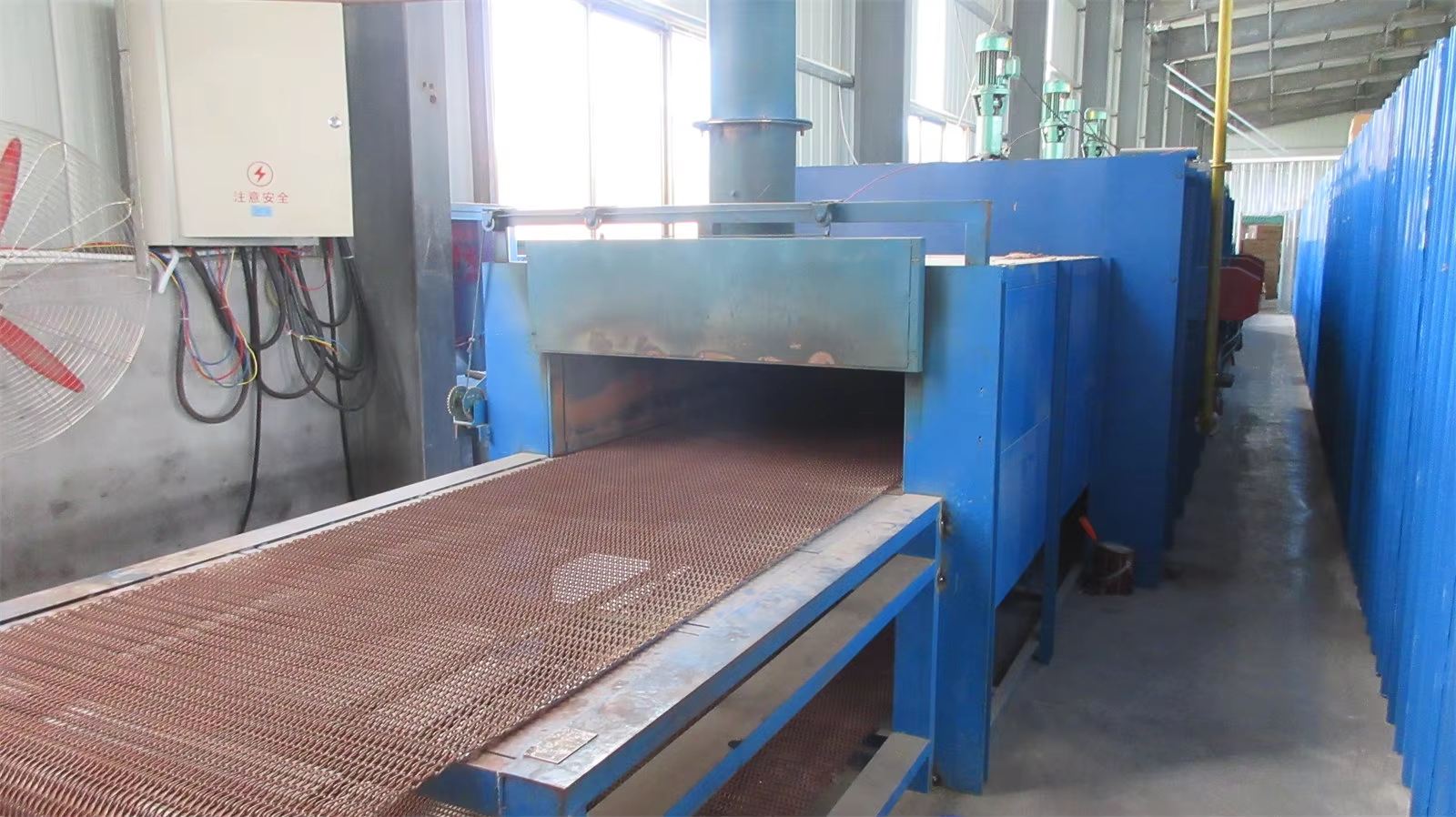
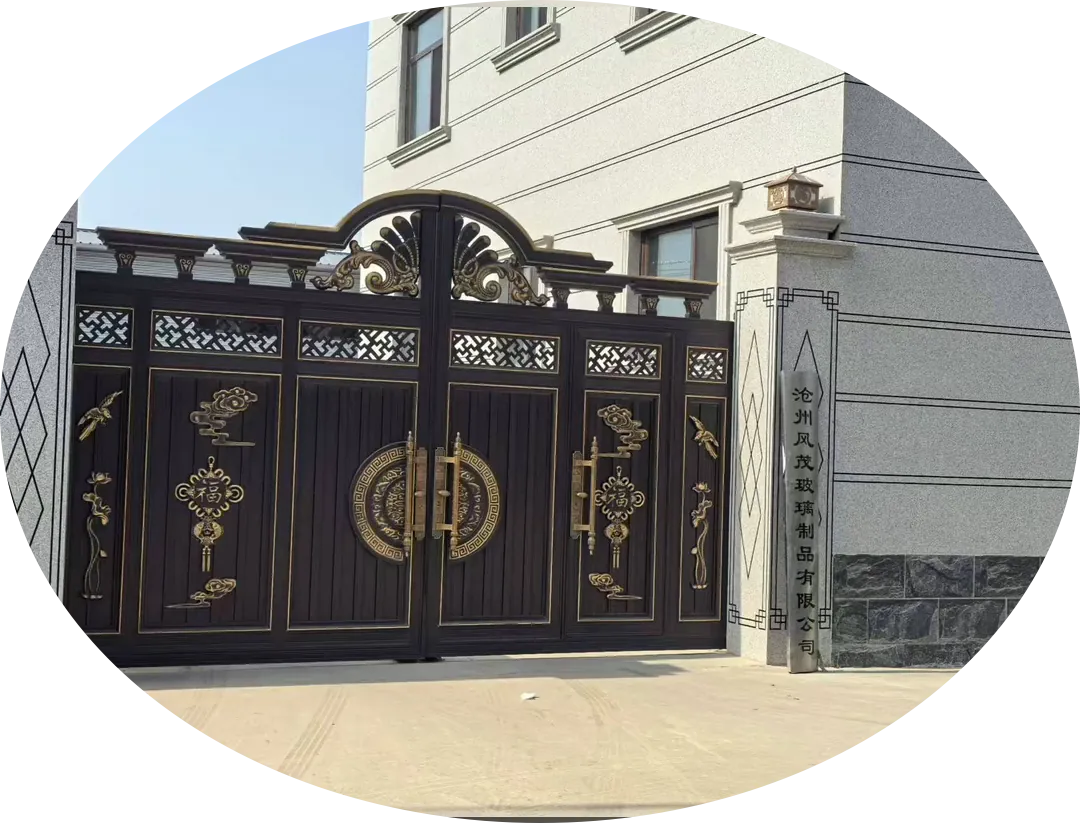
The transition from a small workshop to a 1,000-square-meter production facility was not driven by ambition for scale — it was driven by the requirements of the clients who trusted Elfglass with their designs. As orders grew from dozens of pieces per month to hundreds, the production space needed to accommodate more blowing stations, a dedicated annealing oven with controlled cooling zones, and a QC inspection area separate from the production floor.
Today, the factory operates with a team of 20 employees, each with a defined role in the production pipeline. The team structure reflects a principle that has been consistent since 2010: the people closest to the glass should have the authority to stop production if they see a quality issue. This is not a policy written in an employee handbook — it is a cultural norm that developed because the founder spent her early years on the production floor herself and understood that quality problems caught early cost a fraction of those caught after shipping.
The monthly production capacity of 10,000 pieces is not a theoretical maximum — it is a sustainable output that maintains quality standards without rushing the annealing cycle or skipping QC steps. During peak demand periods, the factory can push beyond this number, but the commitment has always been to deliver within the quoted 7 to 12 day bulk production window rather than chase volume at the expense of reliability.
How the Market Changed: 2010 to 2026
The glass pipe industry in 2010 looked nothing like the industry in 2026. Understanding how it changed helps wholesale buyers anticipate where it is heading next.
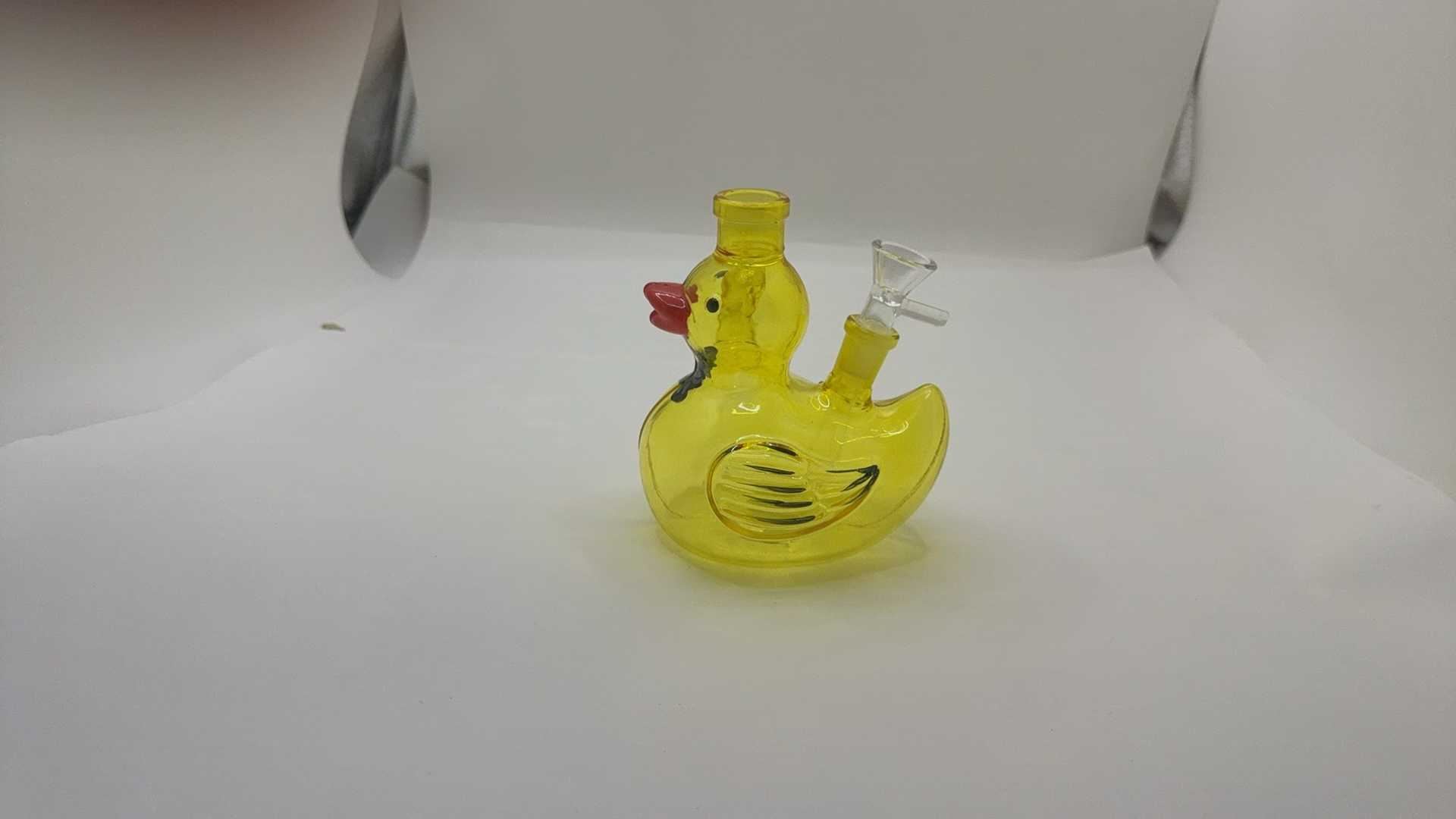
The shift from commodity to brand. In 2010, most glass pipes were sold as unbranded commodities. A buyer would order “a 12-inch beaker bong” and receive whatever the factory’s standard mold produced. By 2026, the market has shifted dramatically toward branded, differentiated products. Buyers now come to manufacturers with their own designs, logos, and packaging requirements. The wholesale water pipe market is no longer about who has the lowest price on a generic shape — it is about who can produce a design that stands out on a dispensary shelf.
The rise of compliance. In 2010, regulatory compliance for glass pipes was an afterthought. Buyers shipped products across borders with minimal documentation. By 2026, importing glass pipes into the US, UK, Australia, and Canada requires specific compliance knowledge — from PACT Act considerations in the US to customs classification codes that vary by country. Manufacturers who invested in compliance infrastructure (BSCI, WRAP, ISO 9001 certifications) gained a significant advantage because they could ship into regulated markets without delays.
The direct-sourcing revolution. Perhaps the biggest change is the disintermediation of trading companies. In 2010, most international buyers sourced through agents or trading companies because visiting factories in China was logistically difficult and communication barriers were significant. By 2026, video calls, 3D file sharing, and instant messaging have eliminated most of those barriers. Buyers now expect to communicate directly with the production team, review samples via video before shipping, and track their orders in real time. Manufacturers who embraced this transparency — like Elfglass, which provides quote responses within 12 hours — won the clients who previously relied on middlemen.
Start a Conversation With a Real Factory Partner
You get a named contact, honest lead times, and an NDA before any OEM project. Tell us what you are building and we will reply within 12 hours with straight answers, not a sales script.
MOQ from 100 pieces | BSCI / WRAP / ISO 9001 | NDA before every project
What Changed in Production: Techniques and Standards
The glass blowing techniques used in 2026 are recognizably the same craft as in 2010 — fire, breath, and steady hands still shape every piece. But the standards around those techniques have evolved significantly.
Annealing precision. In the early days of the industry, annealing was often rushed. A piece would be placed in an oven and cooled quickly to meet a shipping deadline. The result was internal stress that manifested as cracks weeks or months after delivery — sometimes in the retail shop, sometimes in the customer’s home. Over 16 years, the industry has learned that proper annealing — bringing the glass to a uniform temperature and cooling it at a controlled rate — is not optional. It is the single most important factor in long-term durability. At Elfglass, annealing protocols have been refined to match the specific thickness and geometry of each design, not just a generic time-temperature curve. The craft evolution described here tracks the modern history of glassblowing, where studio techniques migrated into factory production lines over the past two decades.
QC as a process, not an afterthought. The quality control process in 2026 is fundamentally different from 2010. Early QC was visual — look at the piece, check for obvious defects, pack it. Modern QC includes wall thickness measurement, joint alignment checks, stress point inspection, and functional testing (does the downstem fit properly? does the carb hole clear?). The difference is not just in the tools — it is in the mindset. Quality is now designed into the production process, not inspected into it after the fact.
Custom mold capabilities. In 2010, most factories produced from a catalog of standard molds. Custom mold fabrication was slow and expensive, which discouraged buyers from pursuing unique designs. Today, custom mold production is faster and more affordable, with the MOQ remaining at 100 pieces per design. This means a buyer can launch a proprietary design with the same minimum investment that previously bought a generic shape.
The Brand Philosophy: Why “A Manufacturer With the Soul of a Designer”
The phrase “A Manufacturer With the Soul of a Designer” is not a tagline invented by a marketing team. It emerged from 16 years of watching what happens when a manufacturer genuinely cares about the creative intent behind a design — and what happens when they do not.
The founder has described the core philosophy in a single sentence: “What kills a great idea is never the technology, but the communication gap and a lack of empathy.” This is not abstract sentiment. It is a practical observation born from years of receiving designs from clients and seeing how easily the intent can be lost in translation — a curve that should be gentle rendered too sharp, a color that should be warm shifted too cool, a proportion that should feel balanced rendered slightly off.
The commitment to empathy in production means that every design file is reviewed not just for manufacturability but for intent. The production team asks: what is the designer trying to achieve with this shape? What experience should the end user have? If the answer to those questions is unclear, the team reaches out for clarification before cutting a mold — rather than making assumptions that could waste time and materials.
This philosophy extends to how the company handles NDA and design protection. From day one, NDAs are signed before any design files are shared. This is not because the legal framework demands it — it is because the founder understands that a designer’s work is their identity, and protecting that identity is the foundation of trust.
What the Next Chapter Looks Like
Sixteen years in, Elfglass is not resting on its history. The market continues to evolve, and the company’s investments reflect where the industry is heading rather than where it has been.
The rise of cannabis legalization in new markets — Germany’s partial legalization in 2024, Thailand’s evolving framework, and ongoing expansion in US states — creates new demand for compliant, quality glass products. The company’s BSCI, WRAP, and ISO 9001 certifications position it to serve these emerging markets without the compliance delays that catch unprepared manufacturers off guard.
At the same time, the trend toward brand differentiation shows no signs of slowing. Buyers who once ordered generic shapes now want exclusive designs, custom colors, and branded packaging. The factory’s investment in custom mold capabilities and its expanding hand pipe and water pipe catalog reflects this shift. Talk to our team about exclusive designs and branded packaging for your next catalog.
The commitment remains the same as it was in 2010: treat every design as someone’s creative identity, protect it with NDA and mold exclusivity, produce it to the highest standard, and deliver it on time. The tools have changed. The scale has changed. The principle has not.
Key Takeaways
Elfglass was founded in 2010 in Shenzhen with a commitment to transparency and design protection that set it apart from trading companies. Over 16 years, the company grew from a small workshop to a 1,000-square-meter factory with 20 employees and a monthly capacity of 10,000 pieces. The glass pipe industry shifted from unbranded commodity production to branded, design-driven manufacturing with strict compliance requirements. Production techniques evolved in annealing precision, QC processes, and custom mold affordability, while the MOQ remained at 100 pieces per design. The brand philosophy of “A Manufacturer With the Soul of a Designer” reflects a commitment to empathy, communication, and design protection that has been consistent since the company’s founding.
Frequently Asked Questions
When was Elfglass founded?
Elfglass (glasspipessourcing.com) was founded in 2010 by Ava Zeng in Shenzhen, China. The company started as a small glass pipe manufacturing workshop and has grown over 16 years into a 1,000-square-meter factory with 20 employees and a monthly production capacity of 10,000 pieces.
What makes Elfglass different from other glass pipe manufacturers?
Elfglass differentiates through transparency and design protection. From the beginning, buyers have been invited to participate in the production process. NDAs are signed before any design files are shared, custom molds are exclusive to the commissioning party, and the production team reviews every design for creative intent — not just manufacturability.
What certifications does Elfglass hold?
Elfglass holds BSCI, WRAP, and ISO 9001 certifications. These certifications enable the company to ship into regulated markets including the US, UK, Australia, and Canada without compliance delays.
How has the glass pipe industry changed since 2010?
Three major shifts: the move from unbranded commodity production to branded, design-driven products; the rise of import compliance requirements across major markets; and the disintermediation of trading companies as direct factory communication became accessible through digital tools.
What is the current production capacity?
Elfglass produces 10,000 pieces per month sustainably, with bulk production timelines of 7 to 12 days for orders of 100 pieces or more. The MOQ is 100 pieces per design/SKU, and sampling takes 1 to 3 days.

About the Author
Ava Zeng is the founder of Elfglass, a Shenzhen-based borosilicate glass pipe manufacturer serving B2B brands worldwide. Every guide on this site is grounded in her production-floor experience— the annealing lines, QC checkpoints, and export orders behind each claim.
Before you commit to a supplier, read her founder’s story and trust promise, and the guide to vetting a reliable glass pipe manufacturer— the same red-flag checklist Elfglass applies to its own suppliers.
For buyers looking to grow beyond initial samples, this why 1-3 day sampling matters for product launches guide provides detailed operational frameworks for the next stage of sourcing. Industry consolidation over this period mirrors trends documented in supply chain management.
Ready to Source Custom Glass Pipes?
Get a free quote within 24 hours. MOQ from 100 pieces. NDA-protected design consultation.
