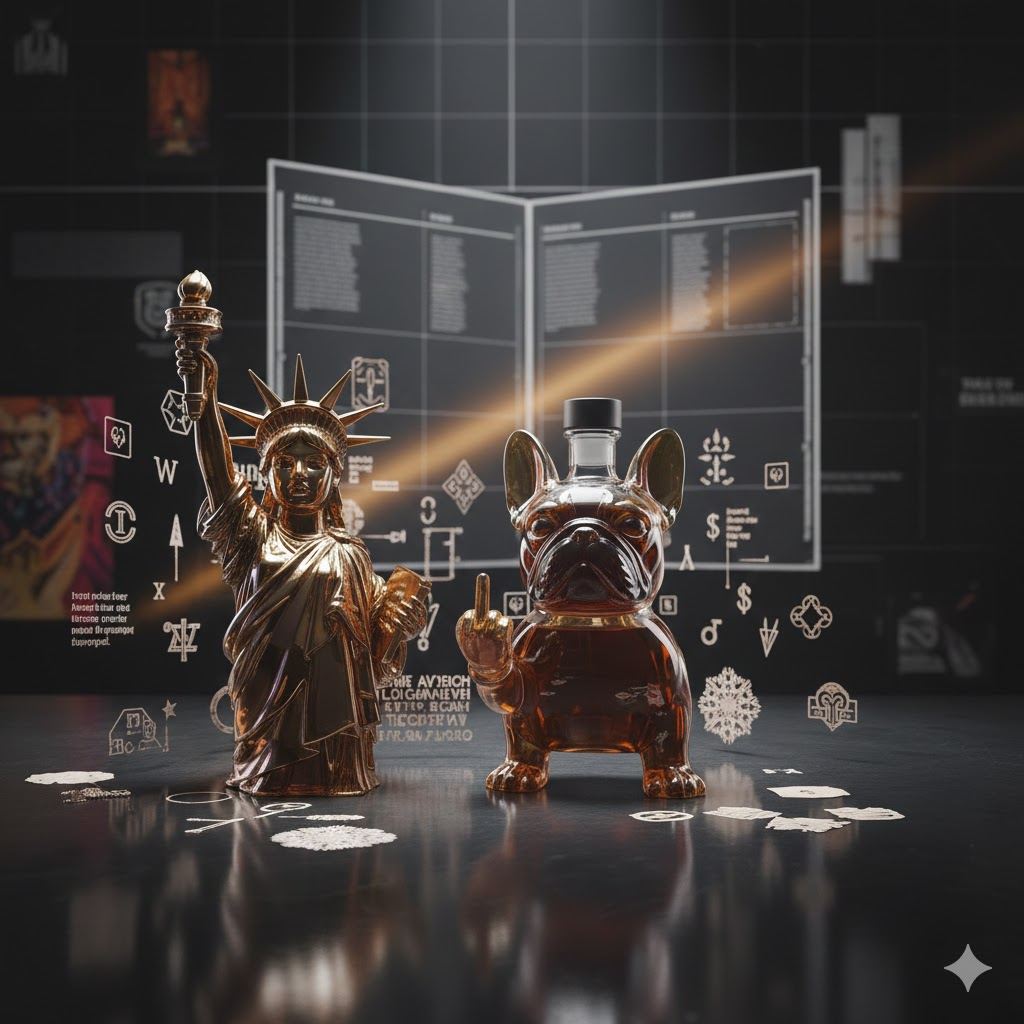
The retail landscape for smoking and cannabis-adjacent products is splitting into two distinct models. On one side, state-licensed dispensaries sell regulated cannabis behind glass counters. On the other, smoke shops stock shelves with glass pipes, rolling papers, and accessories under general retail rules. For buyers, distributors, and brand owners, understanding which model a retailer follows is no longer optional. It determines what products they can carry, where they source, and how they price.
The confusion between dispensary vs smoke shop runs deeper than most B2B content addresses. Existing guides focus on consumer-facing differences or regulatory minutiae. They skip the question that matters to wholesale buyers: what does each model actually stock, who supplies them, and where do the two overlap? This article fills that gap with a side-by-side breakdown of product assortments, sourcing channels, and the convergence trends reshaping both models in 2025.
Whether you operate a smoke shop expanding into hemp-derived products or a dispensary adding glass accessories to your lineup, the comparison below maps the full picture. Let us break it down.
Key Takeaways
- Dispensaries sell state-regulated cannabis products: flower, pre-rolls, edibles, concentrates, tinctures, and topicals, sourced from licensed cultivators and processors.
- Smoke shops sell glass pipes, water pipes, dab rigs, rolling accessories, grinders, and tobacco products, sourced from wholesale manufacturers and distributors.
- The overlap zone includes CBD products, hemp-derived Delta-8/Delta-9 items, vaporizers, and glass accessories, where both models may carry similar SKUs.
- Sourcing channels differ fundamentally: dispensaries buy from licensed cannabis supply chains; smoke shops buy from open wholesale manufacturers like Elfglass.
- Payment processing, licensing costs, and regulatory burden are the three factors that determine which model fits a given market.
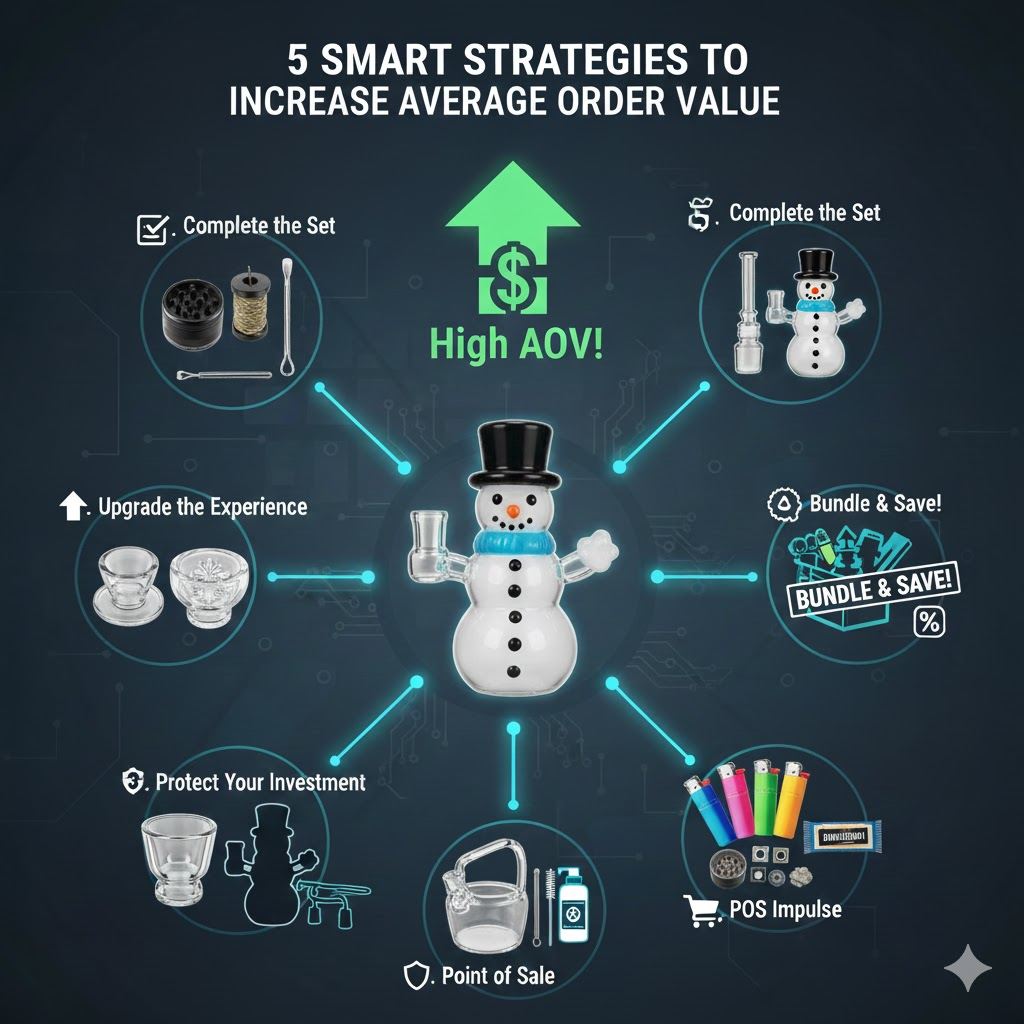
The Fundamental Difference: Licensing and Product Access
Before comparing product categories, the regulatory foundation must be clear. Dispensaries and smoke shops operate under entirely different legal frameworks. That foundation determines everything downstream, from what sits on the shelf to who can walk through the door.
Dispensaries require state-issued cannabis licenses. In the United States, cannabis remains federally illegal under the Controlled Substances Act. Each state that has legalized medical or adult-use cannabis builds its own licensing system. Dispensary operators apply for permits, pass background checks, meet facility requirements, and pay licensing fees that can range from a few thousand dollars to over a million in competitive markets. Once licensed, dispensaries gain access to the state-regulated cannabis supply chain, including flower, concentrates, edibles, and other cannabis-derived products.
Smoke shops operate under general retail or tobacco regulations. They do not need cannabis-specific licenses. A standard business license and a tobacco permit (where applicable) are typically all that is required. This lower barrier to entry means smoke shops can open in more locations, face fewer compliance audits, and stock products that do not require state cannabis tracking systems.
The practical result: dispensaries can sell cannabis. Smoke shops cannot. That single fact drives every difference in product assortment, pricing strategy, and supply chain structure between the two models.
What Dispensaries Stock
Dispensary shelves are shaped by state regulations and consumer demand for cannabis products. The typical dispensary carries seven core product categories, each sourced from state-licensed cultivators, processors, or manufacturers. Here is the breakdown:
Cannabis flower is the anchor category. Dispensaries stock multiple strains across indica, sativa, and hybrid classifications. Flower is sold by the gram or ounce, with pricing tiers based on quality and cultivation method. A well-stocked dispensary carries 20 to 50 flower SKUs at any given time.
Pre-rolls offer convenience-focused consumers a ready-to-use option. Pre-rolls range from single-gram joints to multi-gram packs and cone-style products. They are manufactured by licensed processors who grind, fill, and package flower under state compliance protocols.
Vaporizers and vape cartridges have become one of the fastest-growing dispensary categories. These include 510-thread cartridges, disposable vape pens, and pod-system devices. Cartridges contain cannabis oil, distillate, or live resin. Hardware is often sourced from third-party manufacturers, but the oil inside must come from licensed processors.
Concentrates include wax, shatter, live resin, rosin, and budder. These products require specialized extraction equipment and are produced by licensed processors. Concentrates carry higher price points per gram than flower, which makes them valuable for dispensary margins.
Edibles span gummies, chocolates, baked goods, beverages, and capsules. Each product must display THC content per serving and per package, as required by state labeling laws. Edible manufacturing is handled by licensed food processors who work within the state cannabis system.
Tinctures and topicals serve consumers seeking sublingual or transdermal cannabis delivery. Tinctures are alcohol- or oil-based solutions dosed with measured droppers. Topicals include balms, lotions, and transdermal patches infused with cannabinoids.
Glass accessories are the one category where dispensaries overlap with smoke shops. Many dispensaries carry glass water pipes, dab rigs, and hand pipes as add-on sales. However, these accessories are typically sourced from wholesale glass manufacturers rather than from the state cannabis supply chain. This is where a company like Elfglass enters the dispensary supply picture.
What Smoke Shops Stock
Smoke shops build their assortment around glass, tobacco, and smoking accessories. Without cannabis licensing, these retailers focus on products that fall outside state-controlled supply chains. The product mix is broader in some ways and narrower in others, compared to dispensaries. Here is what a typical smoke shop carries:
Glass water pipes (bongs) are the centerpiece of most smoke shop inventory. Water pipes range from simple beaker-style pieces under $30 to complex percolator rigs priced above $200. Smoke shops stock multiple sizes, percolator types, and glass thicknesses to serve different customer segments. Wholesale buyers source these directly from manufacturers like Elfglass, which produces custom designs with a 100-piece MOQ per SKU.
Glass hand pipes are the second most common glass category. Spoon pipes, sherlocks, steamrollers, and chillums make up the core hand pipe selection. These products carry lower price points than water pipes and serve as impulse or entry-level purchases. Wholesale hand pipe orders allow retailers to test multiple designs without large commitments.
Dab rigs have grown from niche to mainstream over the past five years. These small glass water pipes are designed for concentrate consumption. As concentrates become more available outside dispensary channels (through hemp-derived Delta-8 and similar products), dab rigs have found a wider customer base in smoke shops. Wholesale dab rig suppliers offer e-rig compatible pieces, mini rigs, and recycler designs.
Rolling papers and wraps are high-volume, low-margin products that drive repeat foot traffic. Brands like RAW, Elements, and Zig-Zag dominate the premium segment. Wraps include tobacco leaf wraps and hemp-based alternatives. Smoke shops typically dedicate an entire display case to rolling accessories.
Grinders range from basic two-piece aluminum models to four-piece stainless steel grinders with kief catchers. Electric grinders sit at the premium end. Grinders are a universal accessory that every smoking consumer needs, making them a reliable revenue item.
Lighters and torches include butane lighters, torch lighters for dabbing, and hemp wick products. Torch lighters have become especially important as dab rigs grow in popularity.
Hookahs and cigars round out the traditional smoke shop assortment. Hookah setups include the base, stem, bowl, hose, and accessories. Cigar selections range from machine-made to premium hand-rolled options, often with a walk-in humidor for high-end products.
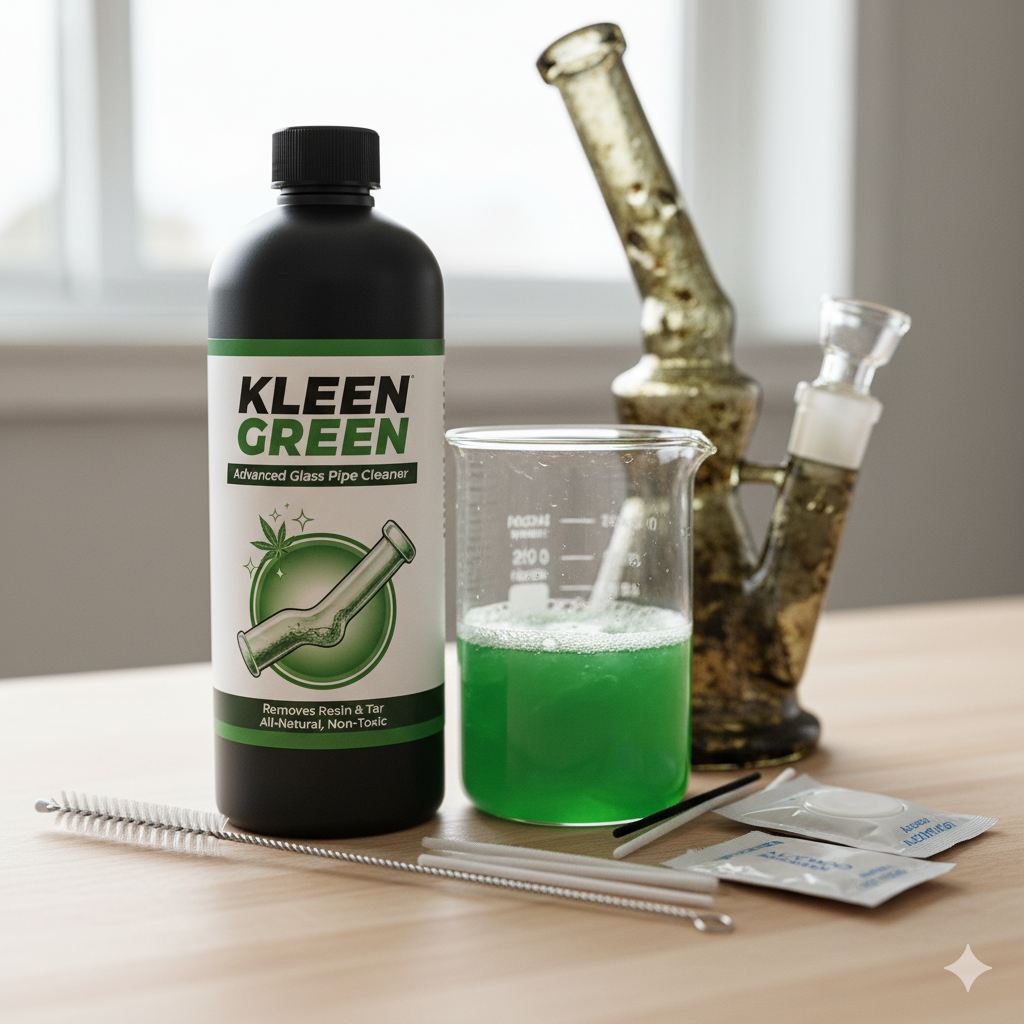
Glass parts and accessories include bowls, downstems, adapters, ash catchers, and cleaning supplies. These wholesale parts and accessories serve both replacement needs and customization demand from existing glass owners.
Source Your Glass Inventory Direct From the Factory
Elfglass manufactures water pipes, hand pipes, dab rigs, and accessories with custom molds exclusive to your brand. 100-piece MOQ. 12-hour quote response.
The Overlap Zone: Where Both Models Converge
The line between dispensary vs smoke shop is not as rigid as it once appeared. A growing overlap zone now exists where both retail models carry similar or identical products. Understanding this convergence matters for any buyer deciding which channel to serve.
CBD products were the first overlap category. After the 2018 US Farm Bill defined hemp as cannabis containing 0.3% THC or less, CBD products became legal at the federal level. Both dispensaries and smoke shops now carry CBD flower, tinctures, edibles, and topicals. The difference: dispensary CBD may be sold alongside higher-THC products, while smoke shop CBD is often the only cannabinoid product on the shelf.
Delta-8 and Delta-9 hemp-derived THC products have expanded the overlap significantly. Delta-8 THC, synthesized from hemp-derived CBD, occupies a legal gray zone in many states. Smoke shops sell Delta-8 vapes, edibles, and flower. Dispensaries may carry similar products alongside their full-spectrum cannabis offerings. The regulatory landscape varies by state, and some jurisdictions have moved to restrict or ban these products entirely.
Vaporizers and vape hardware are sold in both settings. Dispensaries stock cartridges filled with cannabis oil. Smoke shops stock empty cartridges, disposable pens, and 510-thread batteries. The hardware itself is identical in many cases. The difference lies in what fills the cartridge.
Glass accessories represent the most natural overlap. Water pipes, hand pipes, and dab rigs are useful regardless of what substance the consumer plans to use. Dispensaries add glass to increase average transaction value. Smoke shops have always carried glass as their core offering. Manufacturers like Elfglass supply both channels with the same product quality, though dispensary buyers may prefer branded or custom-designed pieces that align with their store aesthetic.
This convergence is accelerating. As hemp-derived products multiply and cannabis normalization continues, the overlap zone will only grow. Retailers who understand both models can position themselves to capture customers from either side.
Sourcing Channels: Who Supplies Each Model
The sourcing infrastructure behind each retail model is where the dispensary vs smoke shop comparison becomes most revealing. Dispensaries and smoke shops do not just sell different products. They buy from completely different supply chains.
Dispensary sourcing runs through the state-licensed cannabis supply chain. Cultivators grow flower. Processors extract concentrates and manufacture edibles. Distributors handle compliance-tested product delivery to retail shelves. Every step involves seed-to-sale tracking, lab testing, and state reporting. This system ensures product safety but adds significant cost and limits supplier options. A dispensary cannot simply order from any manufacturer. They must work with licensed entities within their state system.
Smoke shop sourcing operates in the open wholesale market. Retailers buy glass pipes, accessories, rolling products, and tobacco items from manufacturers and distributors directly. There is no state tracking system, no seed-to-sale requirement, and no restriction on which supplier a smoke shop can use. This freedom allows retailers to compare pricing, request custom designs, and switch suppliers based on quality or cost.
The table below summarizes the key differences:
| Factor | Dispensary | Smoke Shop |
|---|---|---|
| Primary products | Cannabis flower, edibles, concentrates, tinctures, topicals, vape cartridges | Glass water pipes, hand pipes, dab rigs, rolling papers, grinders, lighters, hookah, cigars |
| Licensing required | State cannabis license (medical or adult-use) | General business license; tobacco permit where applicable |
| Sourcing channel | State-licensed cultivators, processors, and distributors | Open wholesale manufacturers and accessory distributors |
| Custom manufacturing | Limited to state-licensed processors; branding restrictions apply | Full OEM/ODM available; custom molds, private labeling, exclusive designs |
| Payment processing | Many cannot accept credit/debit due to federal banking restrictions; cash-heavy or use cannabis-specific processors | Standard merchant accounts; credit/debit accepted without restriction |
| Compliance burden | High: seed-to-sale tracking, lab testing, state reporting, facility inspections | Low to moderate: standard retail compliance, age verification, tobacco reporting |
| Typical startup cost | $150,000 to $2,000,000+ depending on state and license availability | $20,000 to $100,000 for inventory, build-out, and initial operating capital |
| Overlap products | CBD, Delta-8/Delta-9 hemp products, vaporizers, glass accessories | |
For wholesale manufacturers, the smoke shop channel offers fewer barriers and more flexibility. A factory like Elfglass, with 16 years of production experience, a 1,000-square-meter facility, and monthly capacity of 10,000 units, can serve smoke shop clients across the USA, UK, Australia, and Canada with consistent lead times. Sampling takes 1 to 3 days. Production runs of 100+ units ship within 7 to 12 days. Custom molds are built exclusively for each client under NDA.
Stocking a Dispensary or Smoke Shop Assortment?
Elfglass supplies the glass-pipe, rig and accessory assortment smoke shops and dispensaries need, with compliant packaging and tiered MOQ for each retail model. Send your assortment plan and get a quote within 12 hours.
MOQ from 100 pieces | BSCI / WRAP / ISO 9001 | NDA before every project
Which Model Fits Your Market
Choosing between a dispensary model and a smoke shop model is not just a product decision. It is a business architecture decision that affects licensing costs, supply chain access, payment processing, and long-term scalability. Here is a decision framework for retailers and investors evaluating both paths.
Choose the dispensary model if: your state has legal cannabis and you can secure a license. Dispensaries benefit from higher average transaction values, strong customer loyalty, and recurring demand. However, prepare for significant compliance costs, limited banking access, and supply chain restrictions. Dispensaries work best in markets with established cannabis infrastructure and consumer demand.
Choose the smoke shop model if: you want lower startup costs, broader location flexibility, and access to open wholesale supply chains. Smoke shops thrive in markets where cannabis licensing is unavailable, too expensive, or politically uncertain. The model works well for retailers who want to build a brand around glass quality, accessory variety, and tobacco products.
Consider a hybrid approach if: your state allows hemp-derived THC products and you want to capture customers from both sides. A smoke shop that stocks CBD, Delta-8, and glass accessories can serve a wider customer base than either model alone. This hybrid approach is growing rapidly in states with restrictive cannabis laws but permissive hemp regulations.
For wholesale buyers entering the smoke shop channel, the key advantage is sourcing freedom. You can work directly with manufacturers, request exclusive designs, and build a differentiated product line. Elfglass offers OEM and ODM services with a 100-piece minimum order per design. Every project begins with an NDA, and custom molds remain the exclusive property of the client. With BSCI, WRAP, and ISO 9001 certifications, the factory meets international compliance standards that matter for retail buyers.
Conclusion
The dispensary vs smoke shop divide comes down to one question: does your retail model operate inside or outside the state cannabis licensing system? Dispensaries sell regulated cannabis products through controlled supply chains. Smoke shops sell glass, tobacco, and accessories through open wholesale markets. The overlap between them, driven by hemp-derived products and shared glass accessory demand, is growing but remains a fraction of each model’s total assortment.
For B2B buyers, the practical takeaway is clear. If you are sourcing glass water pipes, hand pipes, dab rigs, or accessories for smoke shops or hybrid retailers, you need a manufacturer that understands your channel. Elfglass has spent 16 years building that expertise, with a production capacity of 10,000 units per month, custom mold exclusivity, and a 100-piece MOQ that works for both new retailers and established chains.
Ready to build your smoke shop inventory with a factory that treats manufacturing as a design craft? Browse Elfglass wholesale water pipes and request a quote today. The team responds within 12 hours.
Frequently Asked Questions
What is the main difference between a dispensary and a smoke shop?
Dispensaries sell regulated cannabis products under state licensing, including flower, edibles, concentrates, and tinctures. Smoke shops sell glass pipes, water pipes, dab rigs, rolling accessories, grinders, and tobacco products under general retail regulations. The licensing requirement is the fundamental divider: dispensaries need a state cannabis license; smoke shops need only a standard business license.
Can smoke shops sell cannabis products?
In most US states, smoke shops cannot sell cannabis. Cannabis sales require a state-issued dispensary license. However, smoke shops may sell hemp-derived products containing 0.3% THC or less, including CBD and certain Delta-8 or Delta-9 products, where state law permits. The legal distinction rests on the THC content and the source material, not the retail format.
What products do both dispensaries and smoke shops carry?
The overlap zone includes CBD products, hemp-derived Delta-8 and Delta-9 THC items (where legal), vaporizers and vape hardware, and glass accessories such as water pipes, hand pipes, and dab rigs. Both models may stock these items, but dispensaries typically source them through different channels than smoke shops.
Where do smoke shops source their glass products?
Smoke shops source glass pipes, water pipes, and dab rigs from wholesale manufacturers and distributors. Unlike dispensaries, which must buy from state-licensed cannabis processors, smoke shops operate in the open wholesale market. Manufacturers like Elfglass offer OEM and ODM glass production with 100-piece minimum orders, custom molds exclusive to each client, and production lead times of 7 to 12 days for standard orders.
Is it more profitable to open a dispensary or a smoke shop?
Profitability depends on market conditions, licensing costs, and operational scale. Dispensaries often carry higher average transaction values and margins on cannabis products, but face steep licensing fees, compliance costs, and banking restrictions. Smoke shops have lower startup costs (typically $20,000 to $100,000), broader location options, and standard payment processing. Both models can be profitable when the product mix matches local demand.
For buyers looking to grow beyond initial samples, this step-by-step glass product line launch plan guide provides detailed operational frameworks for the next stage of sourcing.
About the Author
Ava Zeng is the founder of Elfglass, a Shenzhen-based borosilicate glass pipe manufacturer serving B2B brands worldwide. Every guide on this site is grounded in her production-floor experience— the annealing lines, QC checkpoints, and export orders behind each claim.
Before you commit to a supplier, read her founder’s story and trust promise, and the guide to vetting a reliable glass pipe manufacturer— the same red-flag checklist Elfglass applies to its own suppliers.
Ready to Source Custom Glass Pipes?
Get a free quote within 24 hours. MOQ from 100 pieces. NDA-protected design consultation.
