
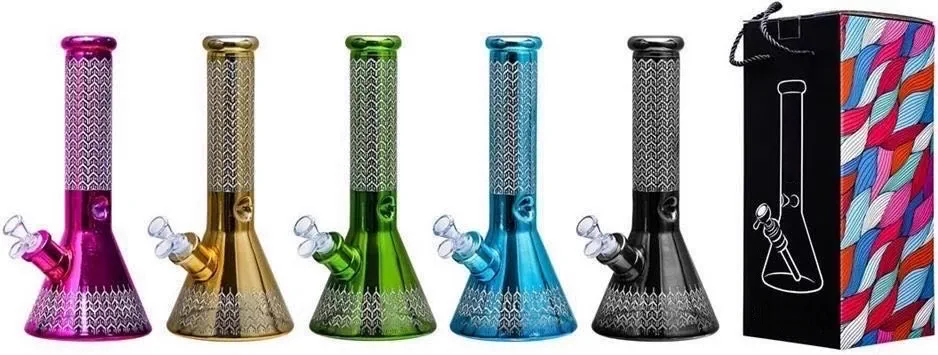
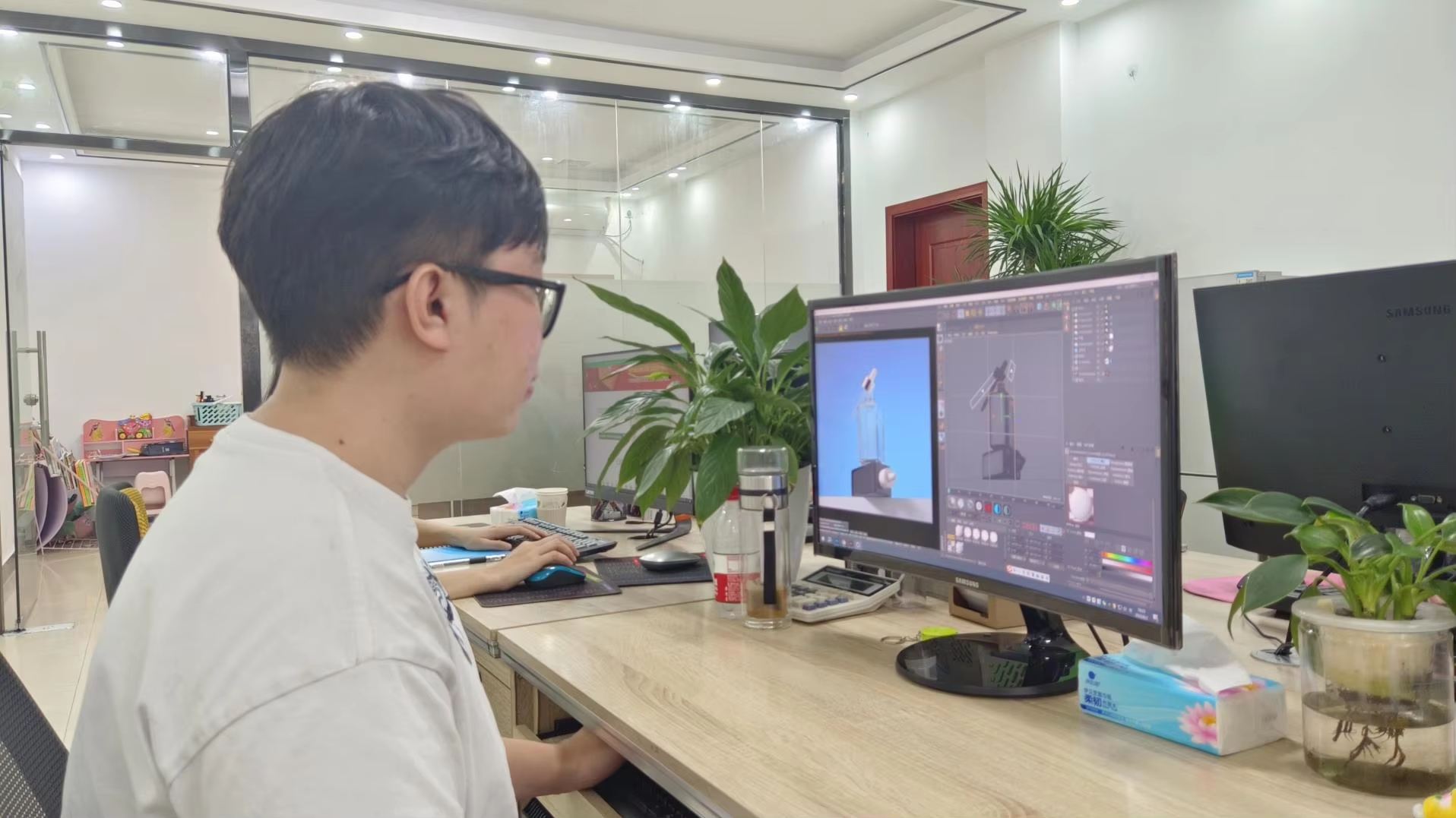
Every successful glass pipe brand on the market went through the same uncomfortable starting point: a blank catalog, a manufacturing partner they had not yet tested, and a launch date that felt simultaneously too close and too far away. If you are a wholesale buyer or retailer preparing to introduce your own branded glass pipe collection, the gap between concept and first shipment can feel enormous. The good news is that it does not have to. With a structured timeline, a responsive manufacturer, and clear specifications at every stage, you can move from initial research to delivered inventory in roughly three months.
This 90-day plan breaks the process into three phases: research and sampling, evaluation and production, and receiving and launch. Each phase builds on the previous one, and each contains specific operational milestones rather than vague objectives. Whether you are a dispensary chain adding private-label glass or an e-commerce retailer expanding beyond accessories, the framework below will give you a realistic path to launch your glass product line without the false starts and costly delays that catch unprepared buyers off guard.
Plan Your Glass Product Line Strategy
The first thirty days determine whether your launch succeeds or stalls. Before you contact a single manufacturer, you need a clear picture of what your target market actually purchases, which price points generate repeat orders, and where current competitors fall short. Spend the first two weeks studying wholesale order data, trade show trends, and direct customer feedback. If your existing customer base consistently asks for compact dab rigs but you are planning to launch with large water pipes, the mismatch will show in your sell-through rate within weeks.
Once you understand demand, begin evaluating manufacturers. Do not simply collect quotes from five factories and pick the cheapest one. Look at sampling speed, communication responsiveness, and willingness to work through design iterations. A manufacturer that asks detailed questions about your target market and end-user preferences will produce better results than one that simply confirms your spec sheet and ships. Elfglass, for example, operates under a philosophy its founder Ava Zeng articulates directly: “What kills a great idea is never the technology, but the communication gap and a lack of empathy.” That orientation matters when you are building a product line from scratch and need a partner who thinks about your customers, not just your purchase order.
During this phase, narrow your supplier shortlist to two or three candidates and request initial samples from each. Compare glass thickness, joint precision, percolator diffusion quality, and overall finish. At the same time, begin sketching your product line architecture. How many SKUs will you launch with? Will you focus on a single category like wholesale hand pipes or span multiple categories including water pipes, dab rigs, and accessories? First-time buyers often benefit from starting with three to five SKUs in one or two categories. This keeps the initial investment manageable while providing enough variety to test market response across different styles and price points. For a deeper look at how pricing works at the wholesale level, review the pricing factors that affect glass pipe wholesale orders before finalizing your budget.
Create and Review Product Samples
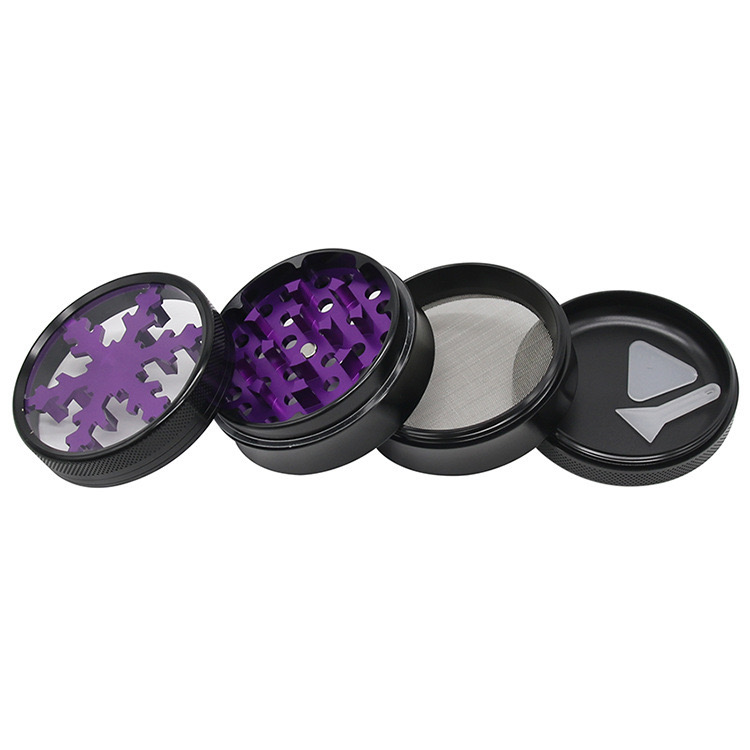
Days fifteen through thirty overlap the end of your strategy phase with the beginning of active sampling. Once you have selected a manufacturer, submit your design requirements and watch the sampling process unfold. At Elfglass, sampling takes one to three days per design, which means you can receive your first batch of prototypes within a week of confirming specifications. That speed matters when you are working against a launch timeline and need to evaluate multiple designs before committing to production.
When samples arrive, evaluate them systematically. Check joint fit and seal integrity, measure wall thickness consistency, inspect the smoothness of all glass-to-glass connections, and assess the overall aesthetic against your original design intent. Do not skip the functional test. A piece that looks perfect on the table may perform poorly in actual use if the airflow is restricted or the percolator creates excessive drag. Document every issue with photographs and written notes. Vague feedback like “the quality needs improvement” sends your manufacturer back to the bench guessing. Specific feedback like “the downstem joint sits two degrees off-angle and the honeycomb perc has three visible tooling marks near the seal” gives them exactly what they need to correct the problem in the next iteration.
Most buyers go through at least one revision round before approving samples for production. This is normal and expected. Factor revision time into your schedule and maintain open communication with your manufacturer throughout. The detailed production process at a well-run factory includes sample approval as a formal checkpoint, and no responsible manufacturer will push you into production until you have signed off on a final sample that meets your standards.
Finalize Specs and Order Production
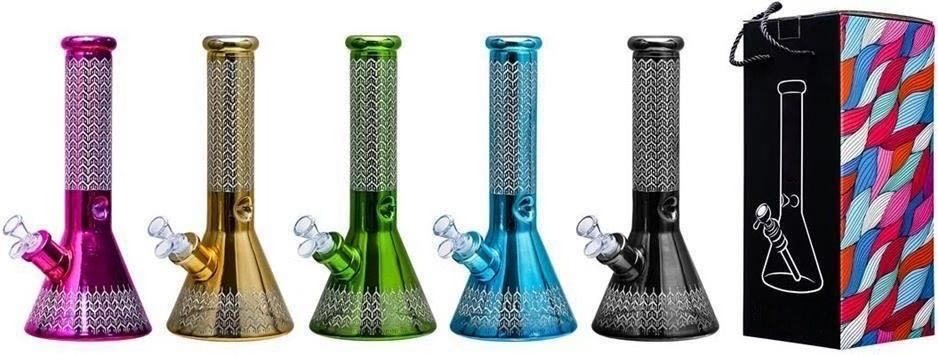
Once you approve a sample, lock in your production specifications immediately. This means documenting exact dimensions, glass thickness, joint size and angle, color formulation, branding placement, and packaging requirements in a written specification sheet. Both you and your manufacturer should sign this document. It becomes the quality benchmark against which your production run is measured, and it protects both parties if questions arise during inspection.
Production lead time for orders of 100 pieces or more typically runs seven to twelve days. The minimum order quantity at Elfglass is 100 pieces per design or SKU. If your product line includes five SKUs, your initial production order covers at least 500 pieces. Payment terms follow the industry-standard structure of thirty percent deposit at order placement and seventy percent before shipment. Plan your cash flow accordingly and confirm the production schedule in writing before the deposit transfers.
During the production window, use the waiting time productively. Prepare your product photography setup, write catalog descriptions, build your e-commerce listings, and brief your sales team on the new collection. If you are selling through retail locations, share the approved sample photos with your buyers so they can begin planning shelf placement and promotional materials. This parallel work compresses your overall timeline and ensures that inventory arriving in Phase Three is ready to sell on day one rather than sitting in a back room while you scramble to create listings.
Turn Your Concept Into Production-Ready Glass
Elfglass takes you from design brief and CAD/STEP files to prototyping, branding, and mold exclusivity, with your IP protected by NDA. Send us your concept and we will return a manufacturable plan and quote.
MOQ from 100 pieces | BSCI / WRAP / ISO 9001 | NDA before every project
Receive Inventory and Launch Products

When production completes and your shipment arrives, conduct a thorough receiving inspection before moving inventory into your sales channels. Open a statistically significant sample of cartons, inspect each piece against the approved production sample, and document any breakage, cosmetic defects, or specification deviations. A well-managed factory will include spare pieces and protective packaging to minimize transit damage, but you should still verify every shipment. Address any issues with your manufacturer immediately while the order is fresh and documentation is available.
With inventory confirmed, execute your launch plan. Professional product photography should already be scheduled. Upload listings to your e-commerce platform, distribute to your retail partners, and announce the collection through your email list and social channels. If you have built anticipation during the production phase, your first orders should come quickly. Monitor sell-through rates daily during the first two weeks. Identify which SKUs move fastest and which generate interest but need a pricing or positioning adjustment.
Begin thinking about reorder timing before your initial stock runs out. If your best-selling SKU moves at fifty pieces per week and you ordered 100, you have roughly two weeks of inventory before stockout. Contact your manufacturer early to place a reorder, especially if you want to add SKUs based on customer feedback. Understanding how to scale your wholesale glass pipe orders as demand grows is essential for maintaining momentum past the initial launch window.

Follow the 90-Day Launch Timeline
The table below summarizes each phase of the launch plan with specific milestones and deliverables. Use it as a working checklist and adjust timelines based on your manufacturer’s actual lead times and your own internal approval speed.
| Phase | Timeframe | Key Activities |
|---|---|---|
| Phase 1: Research and Sample | Days 1-30 | Market research, competitor analysis, manufacturer selection, initial sample requests, first sample evaluation, design revision feedback |
| Phase 2: Finalize and Produce | Days 31-60 | Sample approval, final spec lock, production order placement (100 pieces/SKU minimum), 7-12 day production run, parallel marketing preparation |
| Phase 3: Receive and Launch | Days 61-90 | Inventory receiving, quality inspection, product photography, retail listing launch, sales monitoring, reorder planning |
Notice that no phase requires you to wait idly. Each stage contains parallel tasks that keep momentum forward. The buyers who struggle are not those who face unexpected delays, but those who leave gaps between phases where nothing happens because they assumed the next step would start itself.
Start Your Glass Product Line Today
Ninety days is a realistic timeline for launching a glass pipe product line when you approach each phase with clear objectives and a manufacturer who respects your schedule. The process does not require enormous capital, a massive team, or years of industry experience. It requires disciplined planning, honest sample evaluation, and the willingness to communicate specific feedback rather than hoping your supplier reads your mind.
Elfglass operates as a BSCI, WRAP, and ISO 9001 certified manufacturer with a 1,000 square meter facility, a twenty-person production team, and a monthly capacity of 10,000 pieces. The team works with buyers at every stage of product line development, from first-time retailers ordering their initial five SKUs to established brands expanding into new categories. If you are ready to begin, the contact page is the fastest way to start a conversation about your specific requirements, timeline, and design vision.
For a detailed comparison, see our guide on trade shows vs online sourcing for glass pipes.
Frequently Asked Questions About Launching a Glass Product Line
How many SKUs should I include when launching a glass pipe product line?
Most first-time buyers benefit from launching with three to five SKUs across one or two product categories. This range provides enough variety to test customer preferences without overextending your initial investment. You can always expand the line after reviewing sell-through data from your first production run. Adding SKUs later is straightforward once your manufacturer relationship is established and your specifications are on file.
What is the minimum order quantity for each design in a new product line?
The standard minimum order quantity is 100 pieces per design or SKU. This applies to each individual design in your product line, so a five-SKU launch would require a minimum of 500 pieces total. The 100-piece threshold keeps per-unit costs reasonable while allowing buyers to test multiple designs without committing to large volumes of unproven products.
How long does sampling take when developing a new glass pipe collection?
Initial sampling typically takes one to three days per design at the factory level. Factor in additional time for shipping samples to your location, evaluating them, submitting revision feedback, and receiving corrected samples. Most buyers complete the full sampling cycle within two to three weeks, which fits comfortably inside the first thirty-day phase of the launch plan. Shipping responsibilities along the route are best pinned to a recognized rule set such as Incoterms, published by the International Chamber of Commerce, so cost and risk transfer points stay unambiguous.
What payment terms should I expect when ordering a glass pipe production run?
The standard payment structure is thirty percent deposit at order placement and seventy percent balance before shipment. This applies to both initial production runs and reorders. Plan your cash flow around this schedule and confirm all payment terms in writing before transferring the deposit. Reputable manufacturers will provide a detailed invoice specifying the order contents, unit costs, total amount, and payment milestones.
Can I customize glass pipe designs exclusively for my product line?
Yes. Custom molds are created exclusively for each client, meaning your unique designs remain proprietary and are not offered to other buyers. This applies to both fully original designs and modifications of existing manufacturer offerings. If you have a specific shape, percolator configuration, or branding element in mind, the manufacturer will create the tooling to produce it. Custom mold costs vary by design complexity and should be discussed during the sampling phase.
About the Author
Ava Zeng is the founder of Elfglass, a Shenzhen-based borosilicate glass pipe manufacturer serving B2B brands worldwide. Every guide on this site is grounded in her production-floor experience— the annealing lines, QC checkpoints, and export orders behind each claim.
Before you commit to a supplier, read her founder’s story and trust promise, and the guide to vetting a reliable glass pipe manufacturer— the same red-flag checklist Elfglass applies to its own suppliers.
The 90-day structure mirrors the phased approach in product launch planning, where validation milestones gate each spend decision.
Ready to Source Custom Glass Pipes?
Get a free quote within 24 hours. MOQ from 100 pieces. NDA-protected design consultation.
