
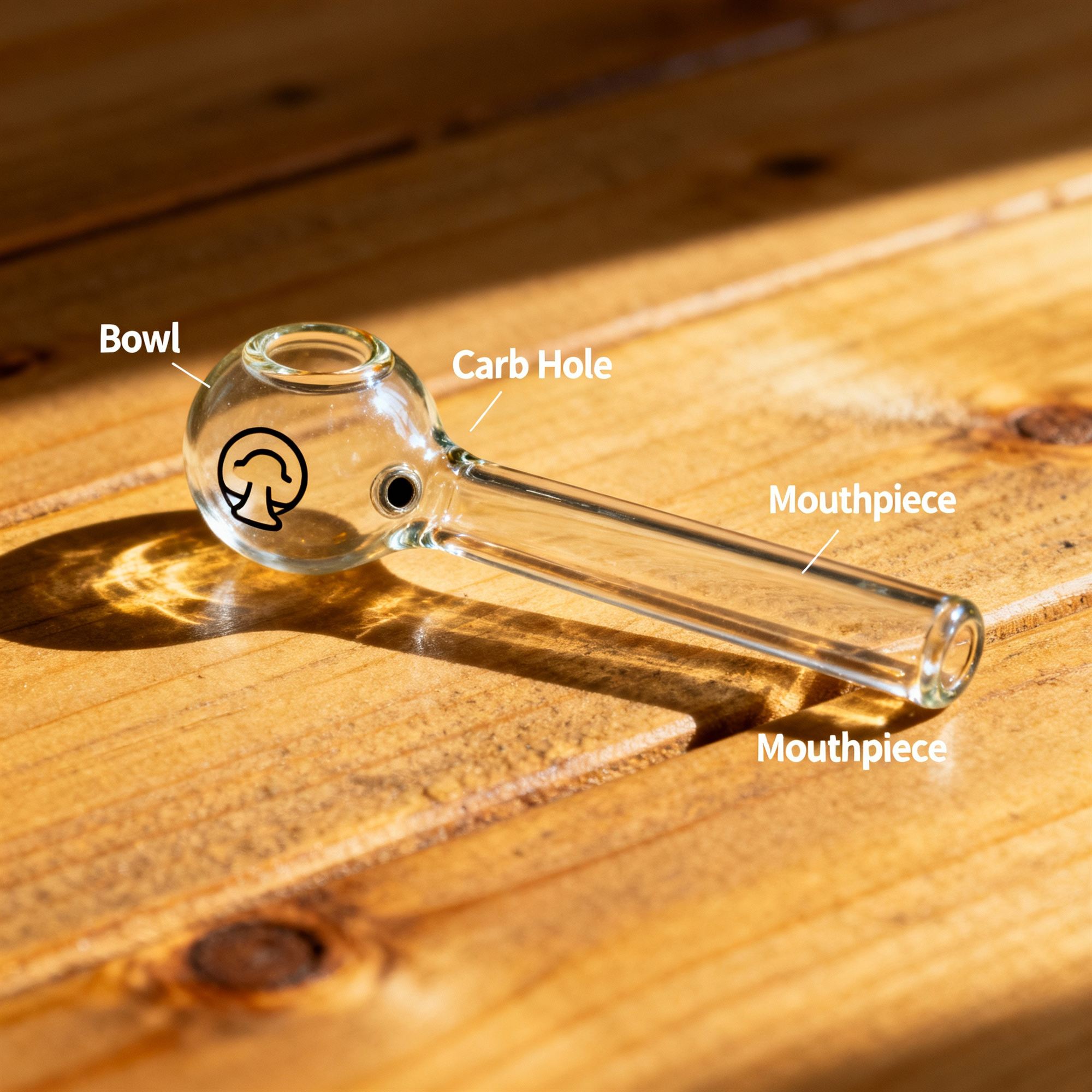
Hand pipes sell on feel. At trade shows and retail counters alike, the first thing a buyer does is wrap their fingers around the glass. Visual appeal earns a second look, but ergonomic comfort seals the purchase order. We have watched gorgeous pieces come back from shows simply because they sat awkwardly in the palm.
For B2B buyers, understanding pipe ergonomics shapes reorder rates, review scores, and brand loyalty. This guide breaks down the design factors that separate hand pipes customers reach for again from those collecting dust: grip diameter, weight distribution, bowl angle, carb placement, and glass thickness. If you are evaluating new lines for your wholesale hand pipe catalog, each section gives you a framework to assess what actually works in the hand.
Grip Geometry Shapes First Impressions
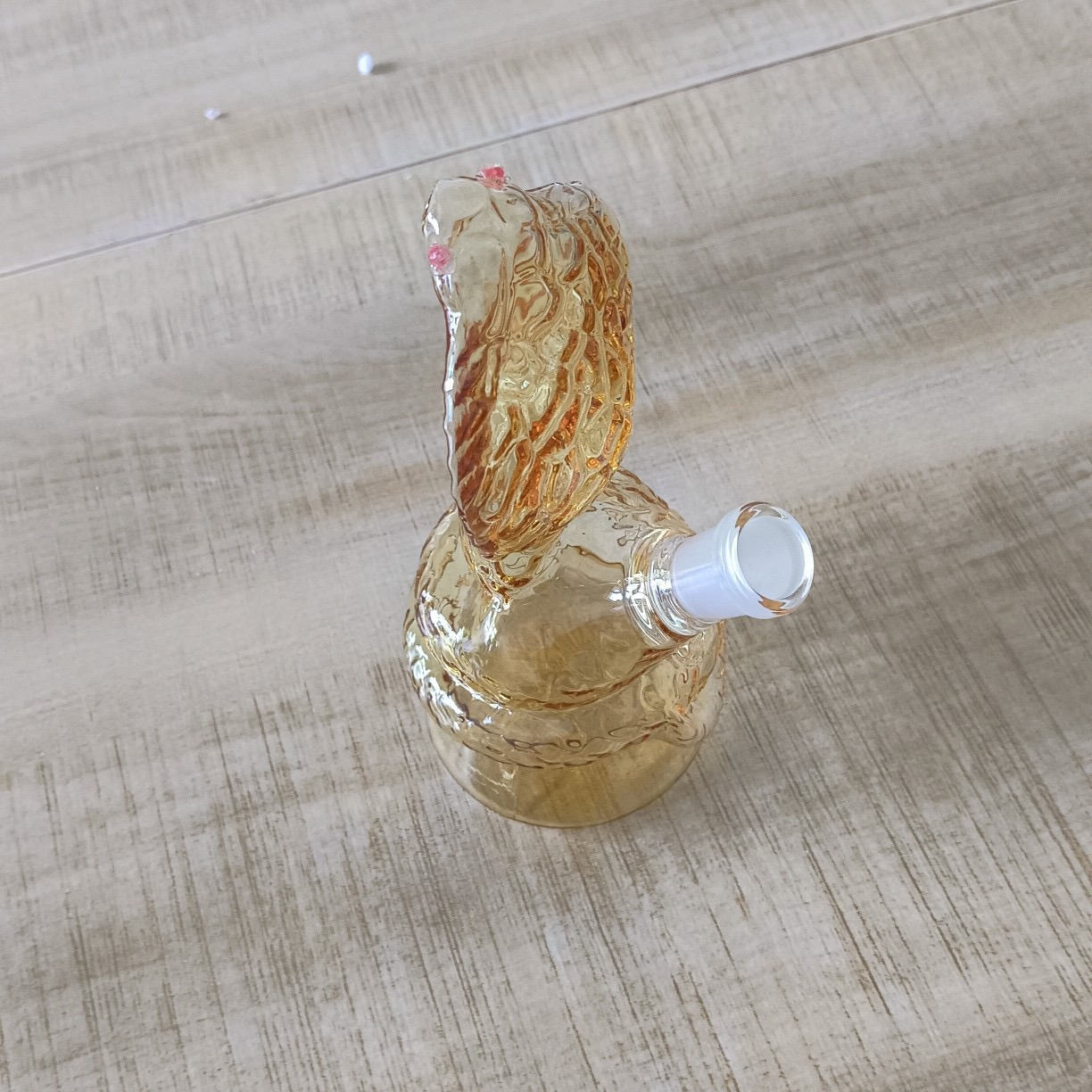
The shaft diameter is where comfort begins. A pipe too thin feels precarious between the fingers, while one too thick forces the hand open until grip strength falters. Most adult users settle comfortably between 12 and 16 millimeters. Shaft cross-section matters equally. Classic round profiles look clean but can rotate unpredictably during use. Oval or flattened profiles offer better rotational stability, giving the user a consistent grip orientation without conscious adjustment.
Surface texture enters the conversation here as well. Subtle ribbing, a matte acid-etched finish, or strategically placed dimples improve grip security without adding manufacturing complexity. The key is restraint. Over-textured surfaces trap residue and frustrate end users, sending complaints back to the retailer. Explore how different pipe categories approach grip design in our guide to glass pipe types.
Weight Balance Affects Perceived Quality
Two pipes with identical dimensions can feel completely different depending on how their mass distributes. A front-heavy piece tugs downward and forces the user to compensate with a tighter grip. That overcorrection causes fatigue during longer sessions and creates a lingering impression of cheapness, even when the glass itself is flawless.
The center of gravity should sit close to where the fingers naturally wrap around the shaft. When balance aligns with grip position, the pipe feels secure and almost self-holding. Glass thickness and material type drive these weight differences. Thicker walls add durability but push total mass upward. Thinner profiles keep weight down but can feel fragile. Borosilicate glass generally offers a better strength-to-weight ratio than soft glass. Read more about material differences in our borosilicate versus soft glass comparison.
Bowl Angle Determines Wrist Comfort
The angle at which the bowl meets the shaft directly controls wrist posture during use. A bowl positioned at a harsh angle forces the wrist into an unnatural bend, and discomfort follows within seconds. This matters especially for users with limited hand mobility.
Ergonomic designs typically angle the bowl between 15 and 30 degrees from the shaft axis, aligning with the natural wrist position when the hand relaxes. Bowl placement along the shaft also plays a role. A bowl set too far from the grip point creates torque that makes the pipe feel unstable. Closer positioning keeps the center of mass compact.
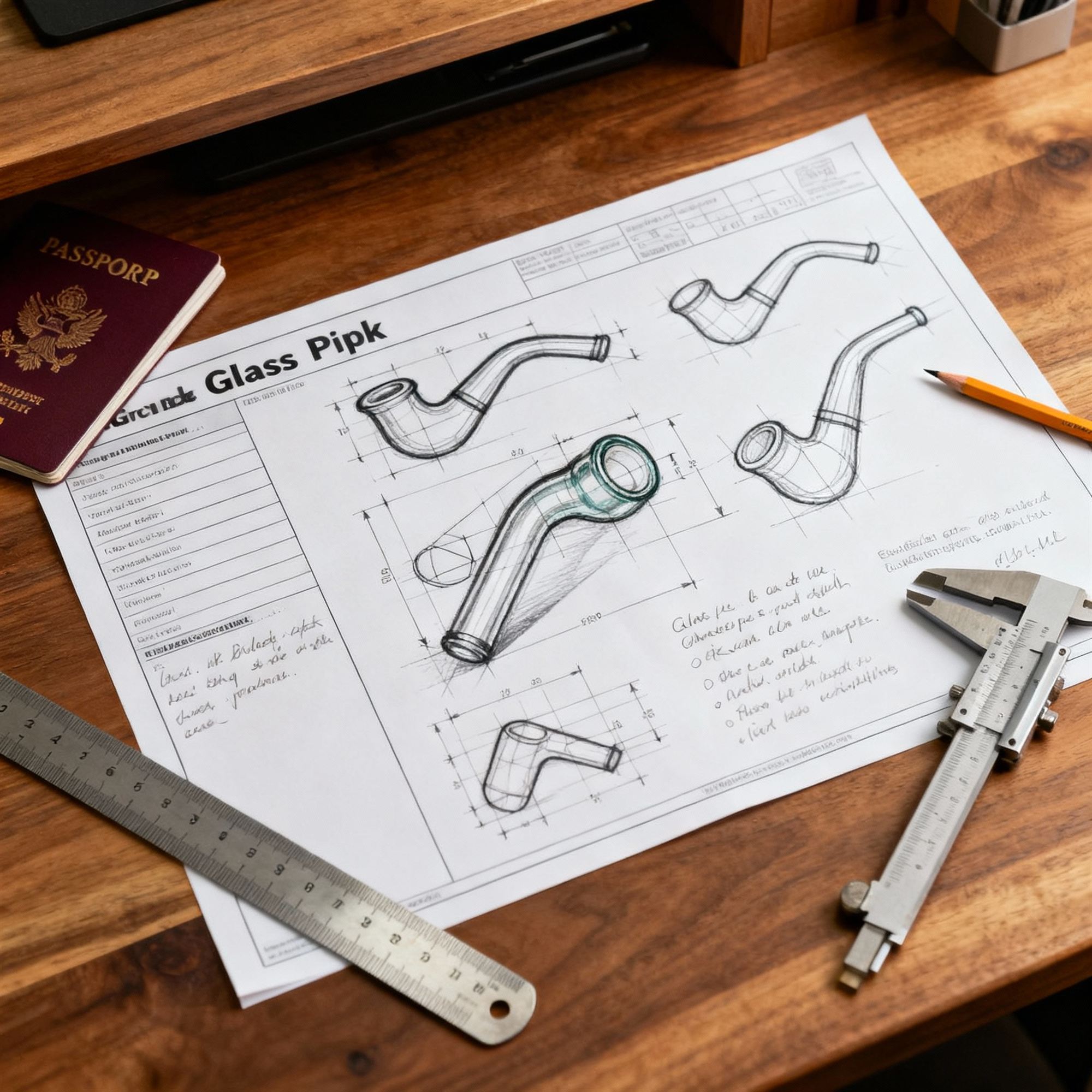
At Elfglass, every new production batch goes through a simple check. Team members hold the pipe and bring it naturally to the mouth. If the position feels awkward, the angle gets reworked before the batch ships. It is a small step, but it catches the kind of design failure that triggers returns.
Carb Hole Placement Needs Thought
The carb hole sits where the thumb naturally rests when the pipe is gripped comfortably. If the carb lands too far forward or too far back, users must twist their grip, compromising both comfort and the seal needed for proper airflow control. Carb size also plays a functional role. Larger holes suit larger bowls and allow quick clears, while smaller carbs pair with micro bowls for controlled draws.
Some manufacturers experiment with recessed or contoured carb areas, improving both thumb comfort and the seal simultaneously. The trade-off is added production complexity and higher unit cost. Getting carb placement right separates considered design from afterthought.
Pipe Length Influences Portability Feel
Overall pipe length shapes the user experience in ways that extend beyond appearance. Hand pipes generally fall into three categories. Short pipes, typically under three inches, maximize portability and discreet use but can feel cramped in larger hands. Medium pipes, roughly three to five inches, balance pocket-friendliness with comfortable grip surface and better heat management.

Long pipes, above five inches, offer superior heat dissipation and a more substantial grip but sacrifice pocket-friendliness. The right length depends on the end customer’s primary use case. Outdoor users tend to prefer compact options, while home-centric customers gravitate toward longer pieces. Retailers who stock across all three categories capture a wider range of use cases.
Glass Thickness Builds Durability Perception
Beyond its structural role, glass thickness communicates quality before the user ever lights up. Heavier glass signals durability and craftsmanship. Lightweight pieces, even when well-made, can feel disposable. The table below maps common thickness ranges to market positioning.
| Glass Thickness | Weight Feel | Durability | Best Market Fit |
|---|---|---|---|
| 3mm | Ultra-light | Moderate | Budget-friendly, high-volume retail |
| 4mm | Balanced | Good | Mid-range, everyday carry |
| 5mm | Substantial | High | Premium segment, brand-focused shops |
| 6mm+ | Heavy | Very high | Luxury/heady market, collector editions |
Matching thickness to market expectations prevents mismatch between price point and perceived value. A 3mm pipe priced at premium levels will disappoint regardless of the color work. See how thickness trends intersect with color preferences in our 2026 color trends overview.
Want Hand Pipes Your Customers Reach for Again?
Elfglass prototypes grip diameter, weight balance and bowl angle in physical samples within 1 to 3 days, so your team can run a hand-feel test and lock the ergonomics before a full production run. Send your target market and get a quote within 12 hours.
MOQ from 100 pieces | BSCI / WRAP / ISO 9001 | NDA before every project
Evaluating Hand Pipe Design Holistically
No single factor determines whether a hand pipe succeeds at retail. A piece with ideal grip geometry but poor weight balance still generates complaints. A beautifully balanced pipe with an awkwardly placed bowl confuses end users. The evaluation must be holistic. Ask how all elements work together for your specific customer base and price tier.
The most effective approach we have seen among retail buyers is simple. Request physical samples in multiple design variations, then conduct a hand-feel test. Pass each pipe around the team. Note which ones feel natural immediately and which require adjustment. If a pipe does not feel right during a ten-second test, it will not feel right in a customer’s home.
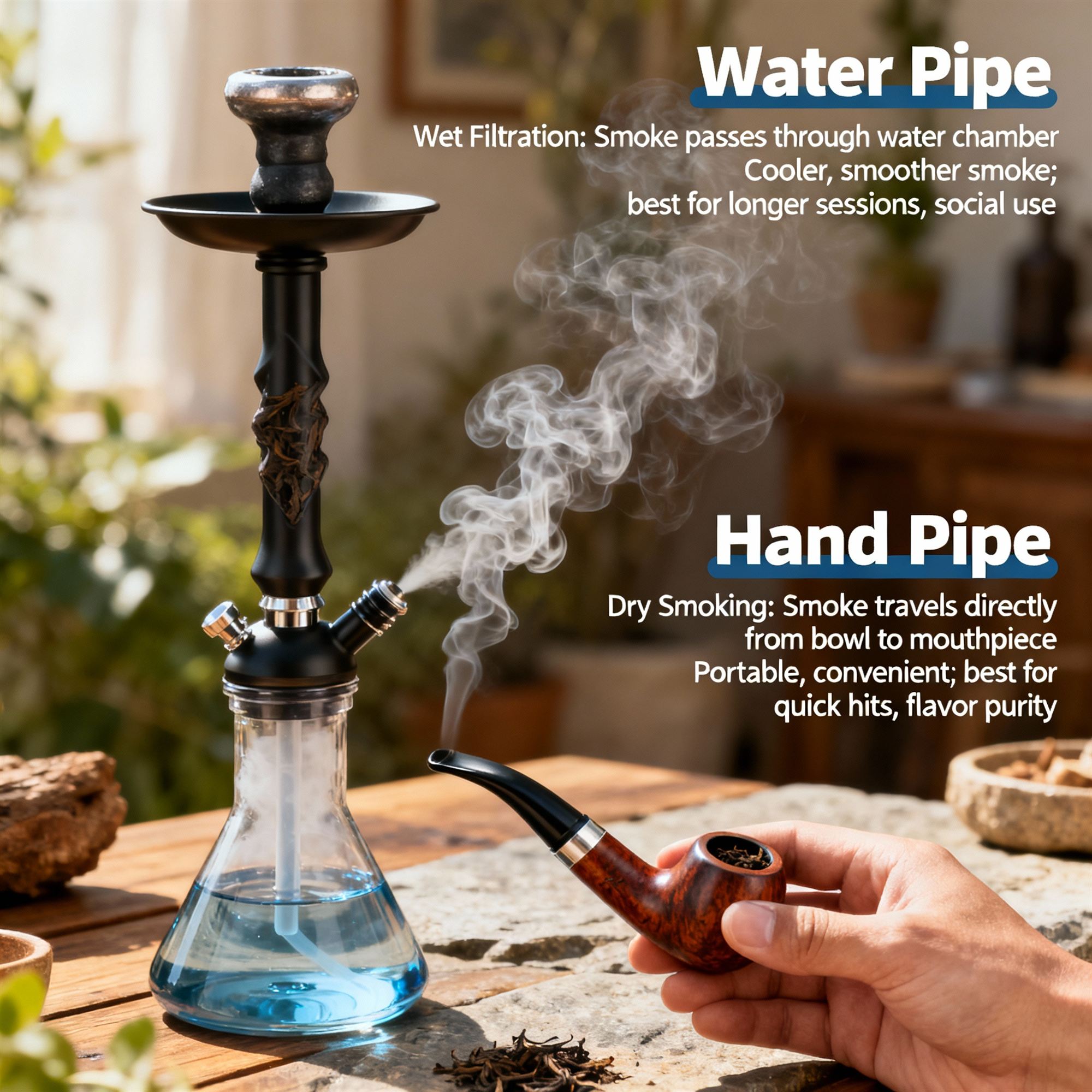
At Elfglass, we approach every new design with one question first: what does the end user need most? Then we work backward from that answer. As founder Ava Zeng puts it: “What kills a great idea is never the technology, but the communication gap and a lack of empathy.” That philosophy turns a good hand pipe into one people reach for without thinking.
Browse our best-selling hand pipes for 2026 to see which ergonomic features are driving repeat orders this year, and explore the full hand pipe collection to compare grip styles, bowl configurations, and thickness options across the catalog.
Frequently Asked Questions
Why does hand pipe ergonomics matter for retail sales?
Comfortable pipes generate positive reviews and repeat purchases. When a hand pipe feels natural immediately, customers associate that ease with quality. Retailers who prioritize ergonomic design see fewer returns and higher reorder rates because satisfaction follows the product home.
What grip diameter works best for most hand pipes?
Most adult users find shaft diameters between 12mm and 16mm comfortable. Oval or flattened cross-sections add rotational stability compared to round profiles. Surface texture, whether matte finishing or subtle ribbing, further improves grip security.
How does weight balance affect the user experience?
A pipe whose center of gravity sits near the natural grip point feels secure and almost self-holding. Front-heavy designs force the user to grip tighter, which causes fatigue and creates a perception of lower quality. Material choice, including borosilicate versus soft glass, directly affects weight distribution.
What quality control checks reveal ergonomic defects?
Key checks include uneven glass distribution causing weight imbalance, rough spots near the carb hole and bowl rim, poorly annealed glass that feels brittle in isolated areas, and bowl angles that force awkward wrist positions. Consistency across units is the hallmark of reliable wholesale supply.
How should buyers evaluate ergonomic design when sourcing?
Request physical samples in different lengths and grip styles, then test them by hand. Verify the manufacturer’s quality certifications, such as ISO 9001. Visit the factory if possible to observe production and QC processes. Clear communication about ergonomic specifications prevents costly misunderstandings.
Ready to discuss ergonomic hand pipe designs for your market? Contact Elfglass to request samples or start a custom project with a manufacturer established in 2010, holding BSCI, WRAP, and ISO 9001 certifications, producing 10,000 pieces monthly from a 1,000 sqm Shenzhen facility.
Ready to Start Your Custom Glass Pipe Project?
Get a free quote within 24 hours. MOQ from 100 pieces. NDA-protected design consultation.
About the Author
Ava Zeng is the founder of Elfglass, a Shenzhen-based borosilicate glass pipe manufacturer serving B2B brands worldwide. Every guide on this site is grounded in her production-floor experience— the annealing lines, QC checkpoints, and export orders behind each claim.
Before you commit to a supplier, read her founder’s story and trust promise, and the guide to vetting a reliable glass pipe manufacturer— the same red-flag checklist Elfglass applies to its own suppliers.
