
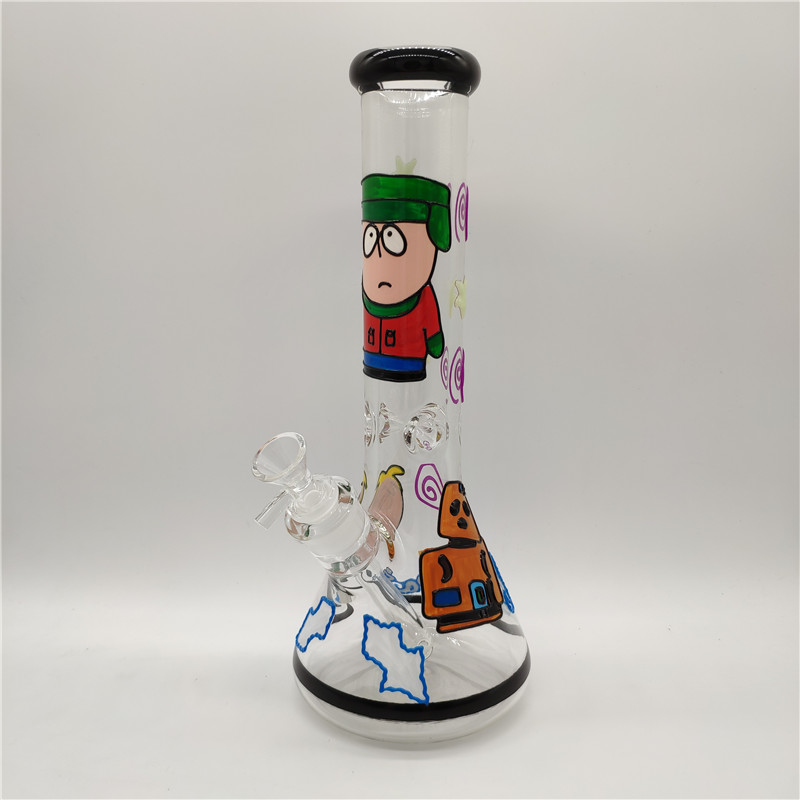
You’ve probably seen those beautiful glass pieces at your local shop and wondered what makes them different from other smoking options. At our Shenzhen factory, I answer this question almost daily from wholesale buyers — and the honest answer starts on the annealing line, where every Elfglass pipe spends 8–12 hours at 1050°F (565°C) before it ships.
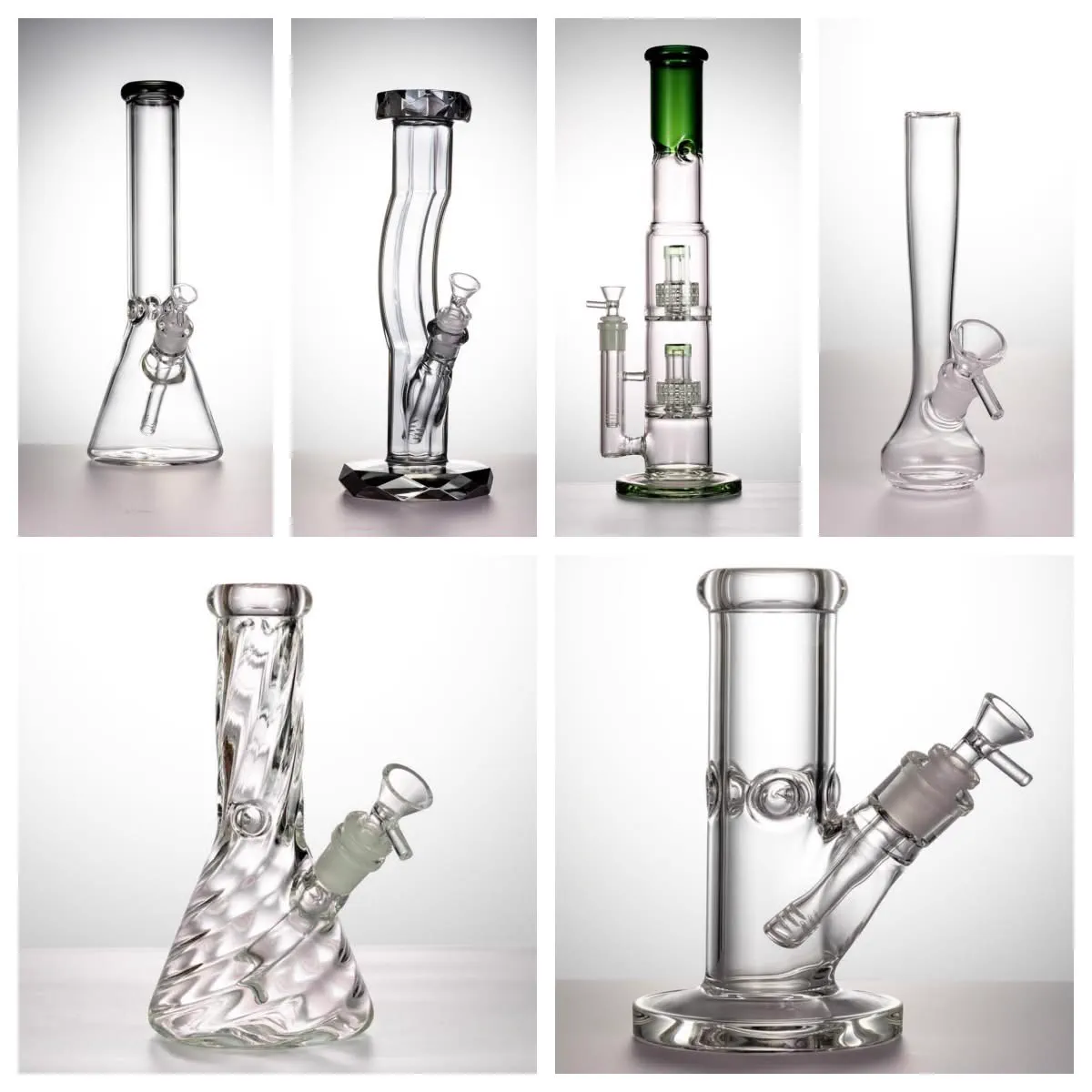
The main glass pipe types are spoon pipes, chillums, steamrollers, sherlocks, hammers, one-hitters, and water pipes including bongs, bubblers, and recyclers, plus dab rigs for concentrates. Spoon pipes remain the highest-volume wholesale category for smoke shops.
A glass pipe for smoking is a handheld device made from heat-resistant glass, designed specifically for smoking tobacco or legal herbs. It works by heating your material in a bowl while you inhale through the mouthpiece, offering a cleaner, more flavorful experience than traditional paper methods.
Now, before you think glass pipes are just fancy accessories, let me share why they’ve become the go-to choice for serious smokers across Europe and America. After 15 years in this business, I’ve seen how these pieces have transformed the smoking experience for thousands of customers.
For more on this topic, see our guide on splash guard function and form.
Why do smokers prefer glass pipes over other materials?
Here’s the thing – I used to wonder the same question when we first started manufacturing glass pipes. The answer surprised even me.
Glass pipes don’t alter the taste of your smoke like metal or wood can. The borosilicate glass we use is completely inert, meaning it won’t release any chemicals or flavors when heated, giving you the purest smoking experience possible.
Let me break this down further because it’s really important. When you smoke from a metal pipe, you might notice a slight metallic taste. Wooden pipes? They can add a woody flavor that some people like, but it masks the true taste of your material. Glass pipes are different.
The glass we use in our factory can handle extreme temperature changes without cracking. I’ve tested this myself – you can heat it, cool it, heat it again, and it stays perfectly intact. This durability means whether you choose a beaker or straight tube it you’re not constantly replacing pipes like you would with cheaper materials.
Here’s what really matters to our distributors in Europe and America:
| Feature | Glass Pipes | Metal Pipes | Wood Pipes |
| Taste Purity | 100% clean | Metallic aftertaste | Woody flavor |
| Heat Resistance | Excellent | Good | Poor |
| Durability | High (if handled carefully) | Very High | Medium |
| Cleaning Ease | Very Easy | Difficult | Nearly Impossible |
| Reusability | Unlimited | Unlimited | Limited |
| Environmental Impact | Low (reusable) | Low (reusable) | Medium |
How do you actually use a glass pipe?
I remember the first time someone asked me this at a trade show. They were embarrassed, but honestly, it’s a completely fair question.
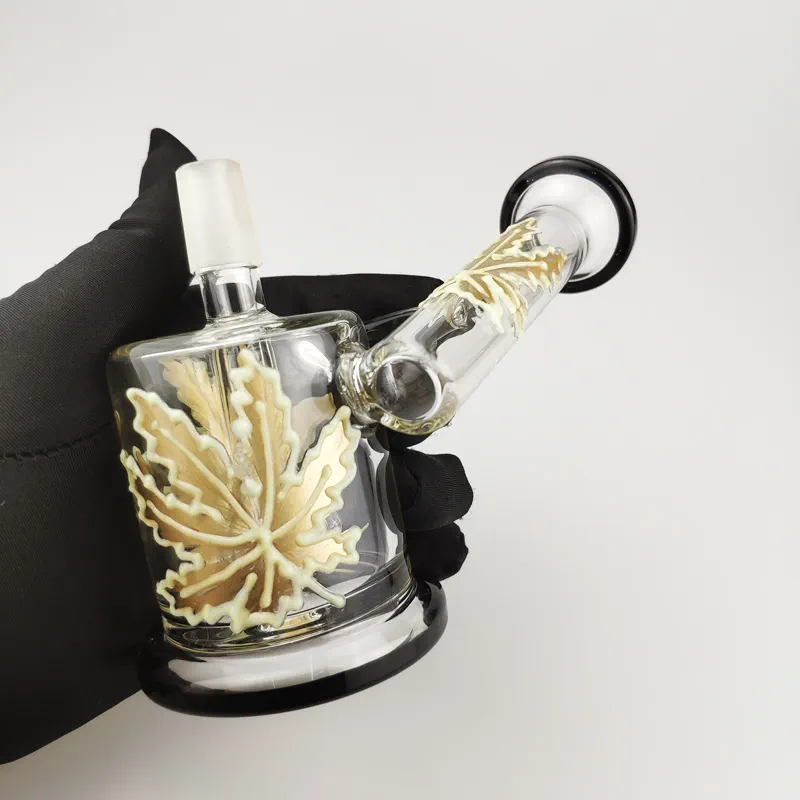
Using a glass pipe is simple: pack your material loosely into the bowl, cover the carb hole (if it has one), light the material while inhaling gently, then release the carb to clear the smoke. The whole process takes just seconds once you get the hang of it.
Let me walk you through this more carefully because proper technique makes all the difference. First, you need to grind your material to a medium consistency. Too fine and it’ll pull through into your mouth. Too coarse and it won’t burn evenly.
When you pack the bowl, think of it like filling a coffee filter. You want it snug but not tight. Leave a tiny bit of space at the top. This allows air to flow through properly.
The carb hole is that little hole on the side of most pipes. When you light your material, keep your finger over it. This creates the right airflow. Once you’ve got a good amount of smoke in the pipe, release your finger. This rushes fresh air through and clears all the smoke into your lungs.
Here’s a pro tip from our testing team: don’t hold the flame directly on your material the whole time. Just touch it briefly to get it lit, then let it cherry. This gives you better flavor and uses less material.
What makes custom glass pipes worth the investment?
This is where I get really excited because it’s what we specialize in. Our factory has been making custom glass pipes for distributors across Europe and America for years.
Custom glass pipes allow businesses to create unique designs that match their brand identity, stand out in competitive markets, and command premium prices. Plus, they give end customers something special they can’t find anywhere else.
I’ll be straight with you. When a distributor first contacts us about custom pipes, they usually have the same concerns. They worry about minimum order quantities being too high. They stress about long production times. And they fear the quality won’t match their expectations.
Here’s how we solve these problems at our factory. We have 8 dedicated production lines running specifically for glass pipes. This means we can turn around large orders in about 7 days. Yes, you read that right. Seven days from order confirmation to shipping.
The customization options are really where things get interesting:
| Customization Type | Options Available | Lead Time Impact |
| Color | Unlimited color combinations | None |
| Size | From 3 inches to 12 inches | None |
| Shape | Classic spoon, sherlock, steamroller, bubbler | Minor (+1-2 days) |
| Logo/Branding | Etched, painted, or embedded | Minor (+1-2 days) |
| Accessories | Matching cases, cleaning tools | None |
Our European customers especially love the branding options. They can put their logo right on the pipe, making it a walking advertisement. American distributors often go for unique shapes that help them stand out in crowded dispensary display cases.
Are glass pipes really environmentally friendly?
You know, this question has become more common in the past two years. People care about sustainability now more than ever.
Glass pipes are among the most environmentally friendly smoking options available. They’re completely reusable, contain no harmful chemicals, produce no waste during use, and can be recycled at the end of their lifespan.
Let me put this in perspective. Think about how many papers or blunts a regular smoker goes through in a year. Hundreds, right? Each one of those creates waste. The paper, the packaging, the filters – all trash.
A single glass pipe replaces all of that. You buy it once and use it thousands of times. When you’re done, you just clean it and use it again. No waste. No constant repurchasing. No contribution to landfills.
The glass we use is also made from natural materials. Sand, soda ash, and limestone. When heated together, they form this incredibly durable material that doesn’t break down or release chemicals. Compare that to plastic pipes (please don’t use those) or even some treated wood pipes.
Here’s something our wholesale customers appreciate: the reusability factor is a huge selling point for end customers. People feel good about making an environmentally conscious choice. It helps close sales.
Stock the Glass Pipes Your Customers Actually Buy
Elfglass produces the full wholesale catalog, from hand pipes and sherlocks to dab rigs, percolator bongs, and accessories, in proven best-selling specs. Tell us your market and we will recommend a catalog mix with pricing.
MOQ from 100 pieces | BSCI / WRAP / ISO 9001 | NDA before every project
How do you clean and maintain a glass pipe?
I’ll admit, this is the question that makes or breaks whether someone becomes a regular glass pipe user. Nobody wants a dirty pipe.
Cleaning a glass pipe is straightforward: soak it in isopropyl alcohol and salt for 30 minutes, shake vigorously, rinse with hot water, and dry completely. This simple process removes all residue and keeps your pipe looking brand new.
Maintenance is the objection that decides whether a first-time buyer becomes a repeat customer — which is why every cleaning routine we publish is tested on our own factory floor before we recommend it to distributors.
On our sample pipes — cleaned weekly between customer visits — the routine keeps borosilicate glass clear, which is exactly the simplicity our wholesale partners pass on to their end customers.
Here’s the detailed cleaning process that works every time:
For Regular Cleaning (Once a Week):
– Get a zip-lock bag or container with a lid
– Pour in enough isopropyl alcohol (91% or higher) to cover the pipe
– Add two tablespoons of coarse salt
– Seal it up and shake for 2-3 minutes
– Rinse thoroughly with hot water
– Let it air dry completely
For Deep Cleaning (Once a Month):
– Follow the regular cleaning steps
– If there’s stubborn buildup, use pipe cleaners or cotton swabs
– For really tough spots, heat the alcohol slightly (be careful!)
– Some people add a drop of dish soap for extra cleaning power
– Always finish with a hot water rinse
The salt acts as an abrasive, scrubbing away residue while the alcohol dissolves the sticky buildup. It’s the same principle as using baking soda and vinegar to clean your kitchen, just more effective for this specific use.
Our distributors love that they can pass this simple maintenance routine to their customers. It removes a major objection to purchase. When people know something is easy to care for, they’re much more likely to buy it.
What should you look for when choosing a glass pipe supplier?
This is where I need to be honest with you. Not all glass pipe manufacturers are created equal. I’ve seen some terrible products come from factories that cut corners.
A reliable glass pipe supplier should offer consistent quality control, fast production times, customization options, and transparent communication. They should also understand international shipping requirements and have proper certifications for your target market.
After 15 years in this business, I’ve learned what separates good suppliers from great ones. Great suppliers don’t just make pipes. They solve problems for their distributors.
When you’re evaluating suppliers, here’s what you need to check:
Production Capacity:
Can they handle your order size? We run 8 production lines specifically for glass pipes, so we can manage both small custom orders and large bulk orders. Some factories make you wait months. That’s unacceptable in today’s market.
Quality Standards:
Ask about their quality control process. Do they inspect every piece? At our factory, each pipe goes through three quality checkpoints. We check for structural integrity, proper sizing, and aesthetic perfection. We reject pieces that don’t meet our standards, even if they’re “close enough.”
Customization Flexibility:
Can they actually do custom work, or do they just have a catalog of standard designs? Real customization means they can bring your vision to life. We work with distributors to create unique pieces that become their signature products.
Communication:
How fast do they respond? Do they understand your market? Our team speaks English fluently and we understand European and American market requirements. We know the regulations, the trends, and what end customers want.
Here’s a comparison table to help you evaluate suppliers:
| Factor | What to Look For | Red Flags |
| Response Time | Within 24 hours | Days or weeks to respond |
| MOQ (Minimum Order) | Flexible, under 500 pieces | Rigid, thousands required |
| Production Time | 7-14 days | Months of waiting |
| Customization | Multiple options, willing to create new designs | “This is what we have” attitude |
| Quality Control | Multi-stage inspection process | “We don’t have defects” claims |
| Shipping Knowledge | Familiar with international requirements | Vague about logistics |
| Certifications | Proper documentation for your market | Can’t provide proof |
Why are European and American markets choosing glass pipes now?
I’ve watched this shift happen over the past decade. It’s been fascinating. Glass pipes used to be seen as novelty items. Now they’re the standard.
European and American markets prefer glass pipes because they align with current trends: sustainability, quality over quantity, customization, and premium experiences. Legal changes have also made these markets more open to high-quality smoking accessories.
The legalization movement changed everything. When cannabis and smoking accessories moved from underground to mainstream, consumers started demanding better products. They wanted something that felt premium, that they could be proud to own.
Think about it like coffee culture. Twenty years ago, people just wanted cheap coffee. Now they’ll pay premium prices for ethically sourced, perfectly roasted beans. The same thing happened with smoking accessories.
Our European distributors tell me their customers care deeply about sustainability. They want products they can use for years, not disposable items. Our American distributors report that their customers treat glass pipes almost like art pieces. They collect them, display them, and take pride in owning unique designs.
The business opportunity here is massive. Distributors who understand this shift are positioning themselves perfectly. They’re not competing on price anymore. They’re competing on quality, uniqueness, and the overall customer experience.
What We See in Practice:
– Repeat orders: distributors reorder additional designs when a shape sells through, so a strong catalog keeps buyers coming back
– Price positioning: customized, branded pipes support premium pricing over generic alternatives
– Quality signal: our factory rejects pieces at three QC checkpoints — structural integrity, sizing, and finish — rather than shipping “close enough”
– Lifespan: borosilicate glass does not degrade with use; cleaning habits are the only variable in how long a piece stays clear
Conclusion
Glass pipes have evolved from simple smoking tools into premium, customizable products that meet modern consumer demands for quality, sustainability, and personalization. Whether you’re a distributor looking to stand out in competitive European and American markets, or simply trying to understand these products better, glass pipes offer unmatched value through their reusability, clean taste, and customization potential.

Get a Quote for Your Next Order
Planning your first wholesale order? Explore our water pipe and hand pipe wholesale ranges for MOQ, tiered pricing, and factory-direct lead times. Send us your product spec and target quantity — contact our factory team or message us on WhatsApp, and we will reply with pricing and lead times within 24 hours.
Frequently Asked Questions
Why do smokers prefer glass pipes over other materials?
Borosilicate glass is completely inert, so it does not alter the taste of your smoke the way metal or wood can, and it releases no chemicals during use. Glass pipes are reusable, easy to clean, and among the most environmentally friendly smoking options available.
How do you actually use a glass pipe?
Pack your material loosely into the bowl, cover the carb hole if the pipe has one, light the material while inhaling gently, then release the carb to clear the chamber. It becomes second nature after a few uses.
What makes custom glass pipes worth the investment?
Custom glass pipes let businesses create unique designs that match their brand identity, stand out in competitive markets, and command premium prices. Our factory has made custom pieces for distributors across Europe and America for years.
Are glass pipes really environmentally friendly?
Yes. Glass pipes are completely reusable, contain no harmful chemicals, produce no waste during use, and can be recycled. That is a big reason European and American markets have made them the standard choice over the past decade.
How do you clean and maintain a glass pipe?
Soak the pipe in isopropyl alcohol and salt for 30 minutes, shake vigorously, rinse with hot water, and dry completely. This removes resin buildup and keeps the pipe tasting clean.
About the Author
Ava Zeng is the founder of Elfglass, a Shenzhen-based borosilicate glass pipe manufacturer serving B2B brands worldwide. She personally answers first-time wholesale inquiries about MOQ, lead times, and quality control, and she built the three-checkpoint inspection process described in this guide.
Before you choose a supplier, read her founder’s story and trust promise, and the guide to vetting a reliable glass pipe manufacturer — the same red-flag checklist Elfglass applies to its own suppliers.
Pipe-type classifications follow the taxonomy in pipe smoking references, where form factor and function determine category.
Ready to Source Custom Glass Pipes?
Get a free quote within 24 hours. MOQ from 100 pieces. NDA-protected design consultation.
