
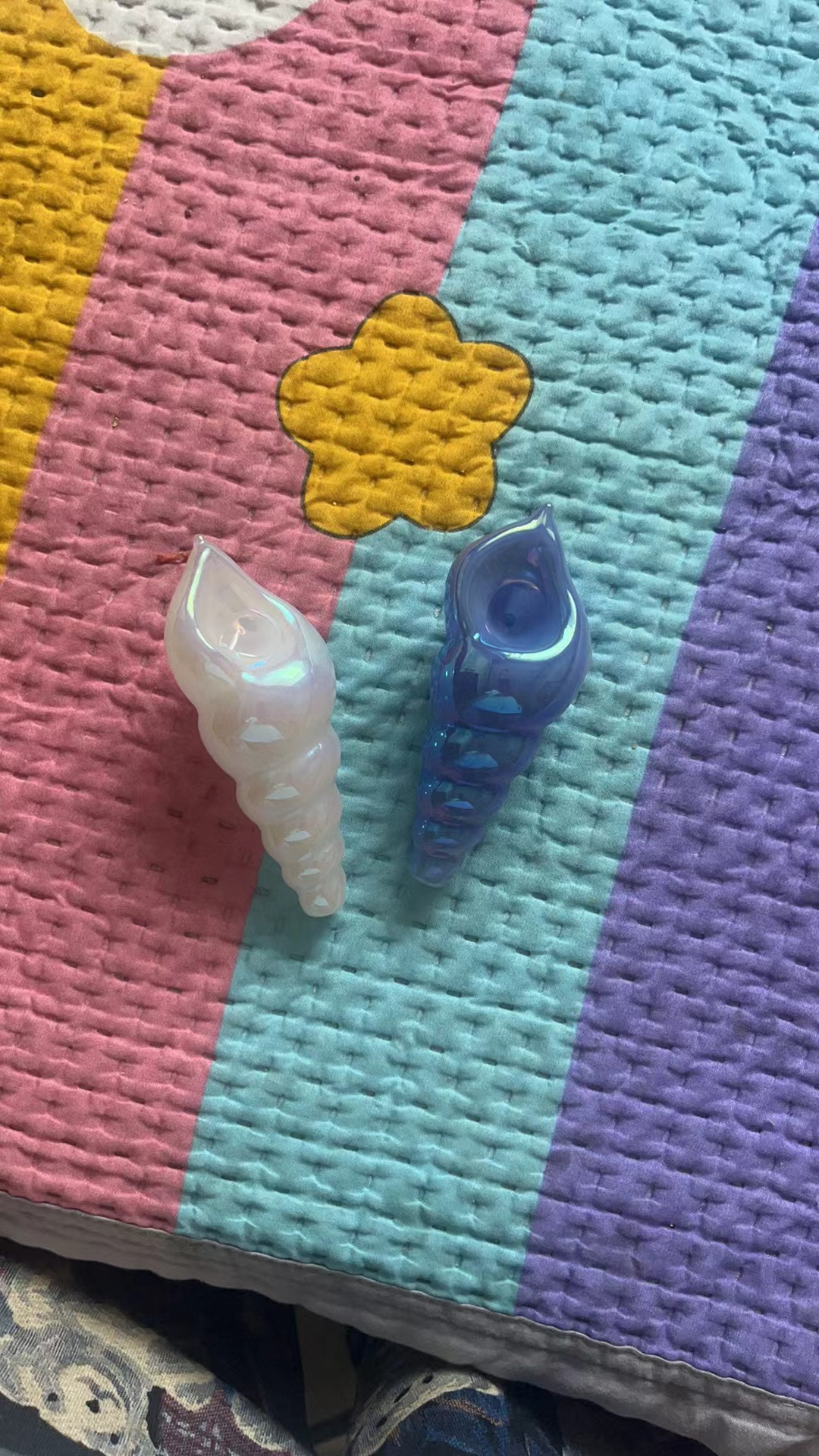
A carton of a hundred glass pipes lands on your bench. They are new, technically clean, and completely unsellable as they sit: a haze of factory dust in every bowl, a smear of handling oil where someone gripped a neck, a sticker of label adhesive on the base, and a faint film from the annealing lehr that never quite wiped off. None of this is a defect. All of it stands between you and a shelf-ready product that a customer picks up without a second thought.
Bulk cleaning is the unglamorous step that protects everything downstream — your presentation, your reputation, and your margin. A pipe that looks touched sits in the discount bin; a pipe that sparkles sells at full price. The good news is that cleaning at volume is not one hundred small jobs. Done as a batch process with the right solution, method and drying setup, a hundred pieces move through in a fraction of the time it takes to fuss over them one by one.
This is the reseller’s operating procedure we brief buyers on: what you are actually removing, which solutions and methods scale, how to dry and inspect without undoing the work, and a step-by-step SOP you can tape above the sink. For the supplies side, our wholesale pipe cleaning supplies guide covers what to stock.
To clean glass pipes in bulk for resale, batch-soak them in high-concentration isopropyl alcohol with coarse salt as an abrasive, agitate, rinse thoroughly, then air-dry upright on a rack or blow out channels with compressed air before inspecting and repackaging. Use an ultrasonic cleaner for intricate percolator pieces. Isopropyl alcohol is flammable, so ventilate the area and wear gloves and eye protection.
Key Takeaways
- New factory glass needs a light clean: dust, handling oils, label adhesive, annealing film.
- Isopropyl alcohol plus coarse salt is the standard bulk solvent-abrasive soak.
- Isopropyl is a Class IB flammable liquid — ventilate, no heat, gloves and eye protection.
- Three scalable methods: manual brush, batch soak tank, and ultrasonic for intricate pieces.
- Dry fully on a rack or with compressed air to avoid water spots before repackaging.
- Inspect after cleaning; a clean pipe that is chipped still does not sell at full price.
Table of Contents
Why Bulk Cleaning Matters Before Resale

Retail is a contact sport fought at arm’s length. A customer picks a pipe up, turns it in the light, and decides in two seconds whether it feels premium or handled. Dust in the bowl, a fingerprint on the glass, or a sticky label residue reads as neglected stock — and neglected stock gets haggled down or left on the shelf. Cleaning is the cheapest margin protection you have: a few cents of solvent and a few minutes of labor per piece stand between full-price sell-through and the discount bin. Our wholesale margins and retail markups guide shows how thin that line can be, which is why presentation is not optional.
There is also a throughput argument. Retailers and resellers rarely clean one pipe; they clean a carton, a pallet, a reorder. Treating it as a batch process — a soak tank, a drying rack, a repeating rhythm — turns an afternoon of fussing into a repeatable station that one person can run. And cleaning supplies are themselves a high-turnover counter category, so the same setup that preps your stock can also feed a retail add-on sale; our high-turnover smoke shop accessories guide covers why cleaning kits move so fast.
What You Are Actually Removing
Before choosing a method, name the enemy. On new wholesale glass you are rarely dealing with used resin. You are dealing with the residue of manufacturing and transit, and each type responds differently to cleaning.
| Contaminant | Where It Comes From | What Removes It |
|---|---|---|
| Factory dust and fibers | Production floor, packaging material | Rinse, wipe, or a light soak |
| Handling oils | Skin contact during forming, QC and packing | Isopropyl alcohol or a detergent wash |
| Label adhesive | Price stickers, barcode labels, tape | Isopropyl alcohol, or an adhesive remover |
| Annealing lehr film | The cooling oven; a faint surface haze | Alcohol soak plus a rinse and polish |
| Resin (returns/refurb) | Prior use on secondhand or returned stock | Strong solvent soak plus abrasive agitation |
Most new-piece prep is the top three rows: dust, oils and adhesive, all of which isopropyl alcohol handles well. Resin only enters the picture when you refurbish returns or secondhand stock, and that is where the solvent-and-abrasive soak earns its keep. Knowing which contaminant you face stops you from over-cleaning a lightly dusty piece or under-cleaning a resinous return.
Cleaning Solutions and the Safety That Comes With Them
The workhorse is isopropyl alcohol, also called isopropanol or 2-propanol. Per PubChem, it is a colorless solvent, miscible with water, that evaporates quickly and dissolves oils and many resins — exactly the profile you want for glass, because it lifts contamination and then flashes off without leaving a film. Paired with coarse salt as a gentle abrasive that scrubs without scratching, the classic alcohol-and-salt soak is the bulk standard.

But effective does not mean casual. The CDC NIOSH Pocket Guide classifies isopropyl alcohol as a Class IB flammable liquid with a flash point of 53 degrees F, which means its vapors can ignite well below room temperature near a spark, pilot light or hot surface. NIOSH sets a recommended exposure limit of 400 ppm as a time-weighted average, with an IDLH of 2000 ppm, and notes it irritates the eyes, nose and throat, can cause drowsiness and dizziness, and dries and cracks the skin. In practice that translates into three non-negotiables for a bulk station: ventilate the area, keep it far from any ignition source, and wear nitrile gloves and eye protection. Do not soak a hundred pieces in a closed, unventilated room.
Commercial glass-pipe cleaning solutions are the alternative when you want a formulated, often less-flammable product with surfactants; they cost more per batch but simplify safety and rinsing. For food-safe detergent routes, a warm detergent wash handles dust and oils but is slower to dry. Whichever you choose, the rinse afterward matters as much as the solvent — any leftover cleaner is its own contamination.
Stocking Cleaning Supplies Alongside Your Glass?
Elfglass supplies glass pipes and the cleaning accessories that move beside them at retail — kits, brushes and solutions you can bundle for higher basket value. Send your product list and get a quote within 12 hours, MOQ from 100 pieces, samples in 1 to 3 days.
MOQ from 100 pieces | BSCI / WRAP / ISO 9001 | NDA before every project
Three Bulk Methods: Manual, Soak and Ultrasonic
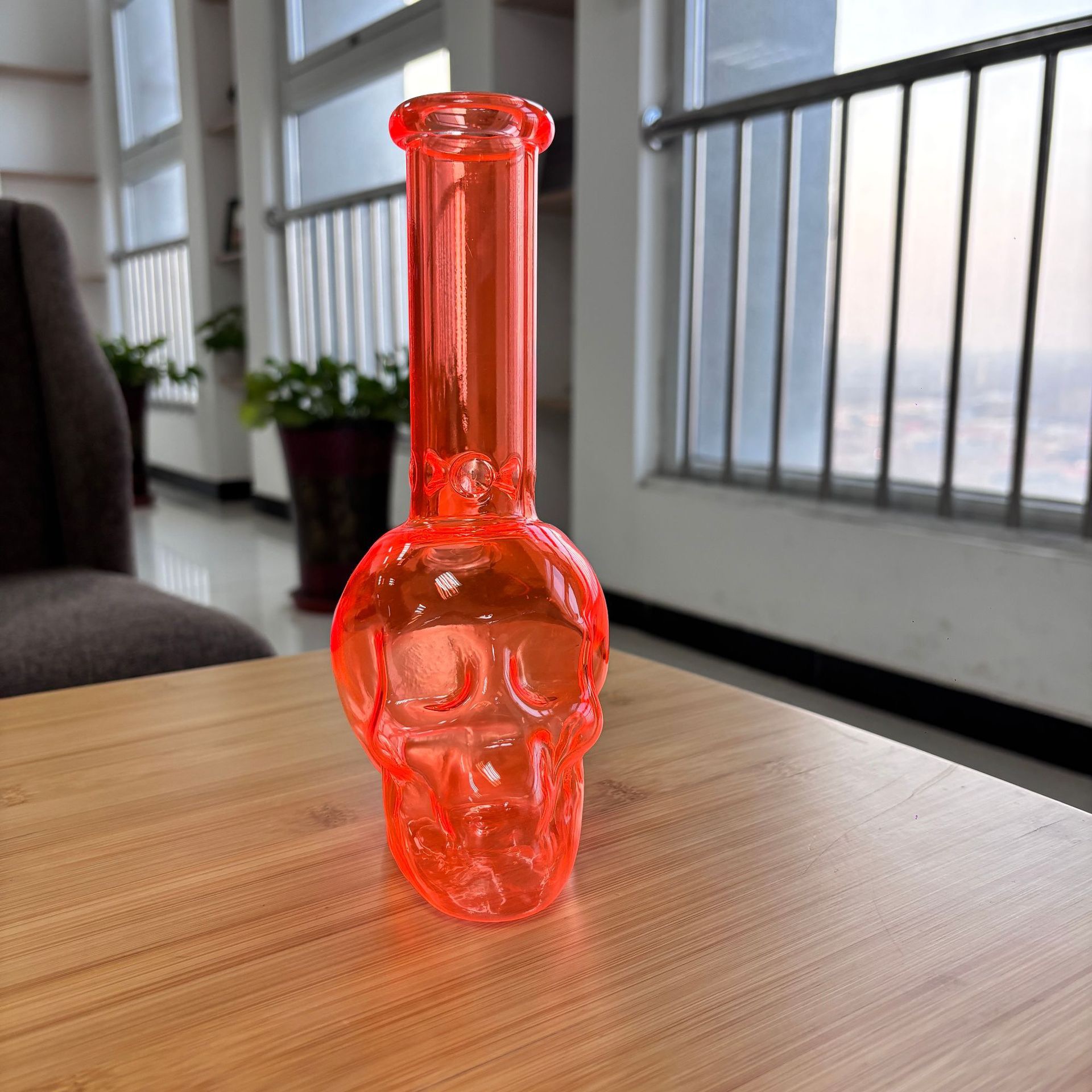
At volume, three methods cover almost every situation, and the choice is about throughput and piece complexity rather than which is “best.”
| Method | How It Works | Best For | Throughput |
|---|---|---|---|
| Manual brush | Per-piece brush with solvent, rinse, wipe | Light dust, quick touch-ups, small batches | Low — one at a time |
| Batch soak tank | Many pieces submerged in alcohol and salt, agitated | Standard new-piece prep, adhesive and oils | High — a carton at once |
| Ultrasonic cleaner | High-frequency sound creates cavitation that lifts soil from intricate surfaces | Percolators, recyclers, hard-to-reach chambers | Medium-high — a basket at once |
The batch soak is the default for resale prep: load a tank or a series of sealed containers, submerge the pieces in isopropyl with coarse salt, agitate or let them soak, then rinse. It scales to a full carton with minimal labor. For intricate water pipes with percolators and internal chambers that a brush cannot reach, an ultrasonic cleaner is worth the investment: it uses high-frequency sound, typically in the tens of kilohertz, to generate cavitation bubbles that implode against the surface and dislodge contamination from crevices no brush reaches. Manual brushing stays useful for spot work and for pieces too large or delicate for a tank.
Drying, Inspection and Repackaging
Cleaning is only half the job; drying and inspection are where resale-ready is won or lost. Wet glass packed into a box develops water spots, trapped moisture and, in a sealed carton, odor. Shake out excess liquid, then dry pieces upright on a rack with airflow, or blow out channels with compressed air to speed evaporation and clear water from percolators and downstems. Glass dries fast and spot-free when air moves through it.
Then inspect with fresh eyes. Cleaning reveals what dust hid: a chip on the rim, a hairline crack, a rough seam. Sort as you dry, because a clean but chipped pipe still does not sell at full price — and catching it now beats a customer return later. Our wholesale quality control guide shows how to spot defective stock systematically. Finally, repackage into clean, dry material; if the original packaging absorbed solvent odor or moisture, swap it. Our packaging solutions ranked by safety guide covers choosing protection that keeps cleaned glass pristine through the next leg.
Your Bulk Cleaning SOP
Pulled together, bulk cleaning is a repeatable station, not a craft project. Tape this sequence above the sink and one person can run a carton through it consistently. None of it is complicated; all of it is easier to do as a rhythm than to improvise piece by piece.
Your bulk cleaning SOP:
| Step | Action |
|---|---|
| 1. Set up safe | Ventilate the area; no heat or sparks; gloves and eye protection on |
| 2. Pre-rinse | Knock off loose dust and debris with a water rinse before solvent |
| 3. Choose solution | Isopropyl alcohol plus coarse salt for most work; commercial cleaner if preferred |
| 4. Batch process | Soak tank for standard pieces; ultrasonic for intricate percolators; brush for spots |
| 5. Agitate and soak | Shake or stir the batch; let stubborn residue dwell a few minutes |
| 6. Rinse thoroughly | Remove all solvent and loosened soil with clean water |
| 7. Dry fully | Rack upright with airflow or blow out channels with compressed air |
| 8. Inspect and sort | Check for chips, cracks and seams revealed by cleaning; pull rejects |
| 9. Repackage | Box into clean, dry packaging ready for the shelf |
Follow that sequence and a hundred pipes move through as one batch rather than a hundred chores. You get shelf-ready glass, protected margins, and a station anyone on the team can run — which is the real point of doing it in bulk.
Need glass that arrives easier to prep, or cleaning accessories to stock beside it? Request a quote with your product list and we will propose factory-clean finishing and bundled cleaning supplies — samples in 1 to 3 days, a quote within 12 hours.
What is the best way to clean glass pipes in bulk?
For most resale prep, a batch soak in isopropyl alcohol with coarse salt as an abrasive, followed by a thorough rinse and air-dry on a rack, is the fastest reliable method. Intricate pieces with percolators benefit from an ultrasonic cleaner. The right choice depends on volume, piece complexity and how much residue you are removing.
Is isopropyl alcohol safe for cleaning glass pipes?
It is effective and widely used, but it is a Class IB flammable liquid with a flash point around 53 degrees F, so keep it away from heat and sparks and use it in a ventilated area. NIOSH sets a recommended exposure limit of 400 ppm as a time-weighted average, and it can irritate the eyes, nose and throat and dry the skin, so wear gloves and eye protection.
Do new wholesale glass pipes need cleaning before resale?
Usually a light clean. New factory glass can carry dust, handling oils, label adhesive and faint manufacturing residue from annealing and packaging. A quick rinse and wipe, or a short alcohol soak for anything with visible film, gets pieces shelf-ready and protects your reputation and margins.
What concentration of isopropyl alcohol should I use?
Higher concentrations such as 91 or 99 percent dissolve resin and oils faster and evaporate more cleanly, which suits residue removal. Lower concentrations like 70 percent contain more water and evaporate slower. For bulk resale prep on glass, a high-concentration isopropyl with salt is the common choice; rinse well afterward.
How do I dry glass pipes quickly without water spots?
Shake out excess liquid, then air-dry pieces upright on a rack with airflow, or use compressed air to blow out channels and speed evaporation. Drying fully before repackaging prevents water spots, trapped moisture and any risk of odor or mold in sealed boxes.
Ready to Start Your Custom Glass Pipe Project?
Get a free quote within 24 hours. MOQ from 100 pieces. NDA-protected design consultation.
