
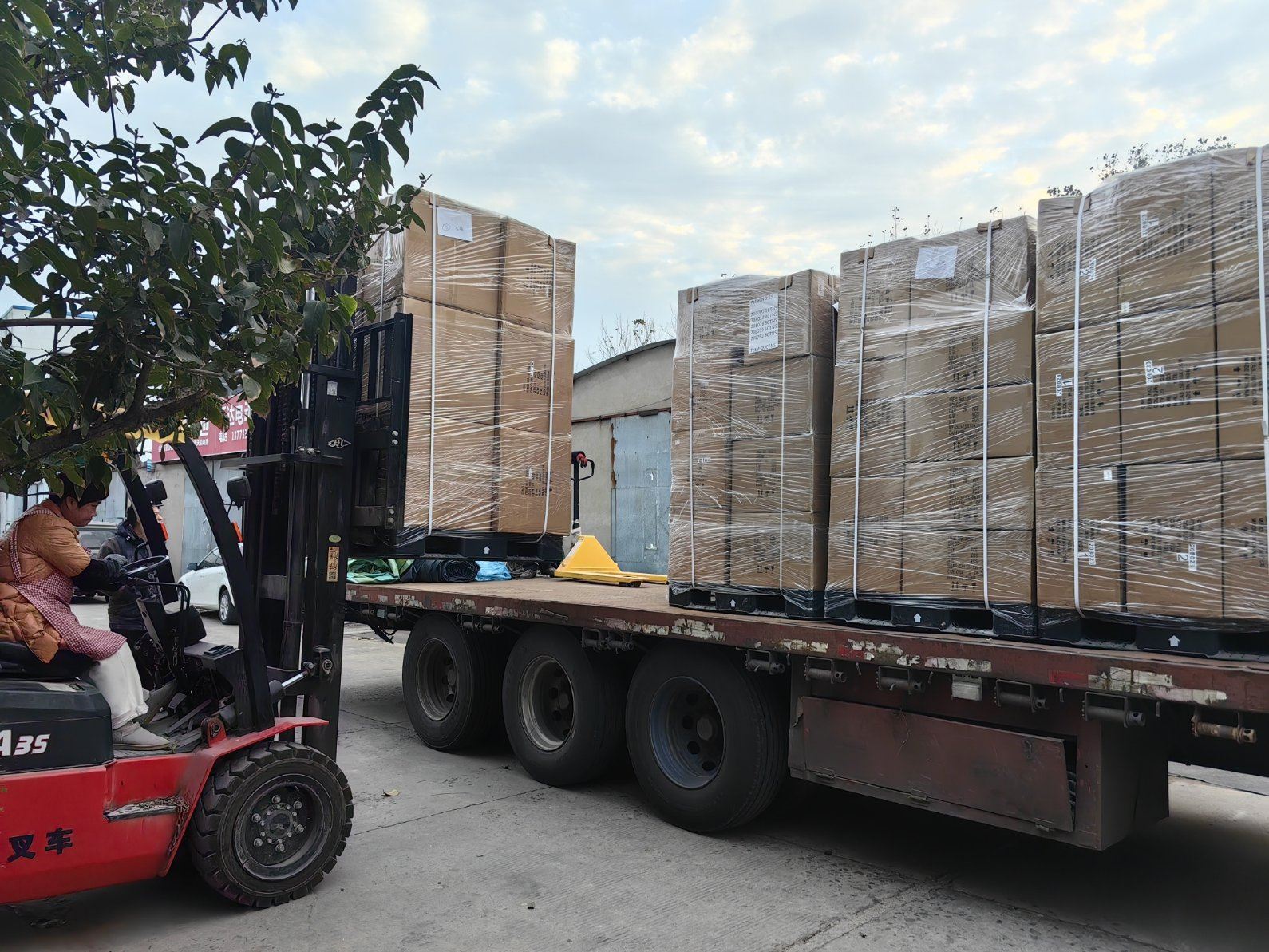
Germany is the largest smoke shop market in the European Union, with over 3,000 specialized retail outlets and a growing network of cannabis social clubs following the 2024 legalization framework. For wholesale buyers importing glass pipes from China, the German market offers strong margins but demands rigorous compliance with both EU-wide regulations and German-specific rules that go beyond what other member states require.
This guide walks through the compliance checkpoints, customs procedures, and sourcing considerations that any B2B buyer needs before placing a wholesale glass pipe order destined for Germany. If you are already familiar with EU importing basics, our EU CE marking and REACH compliance guide covers the broader framework in detail.
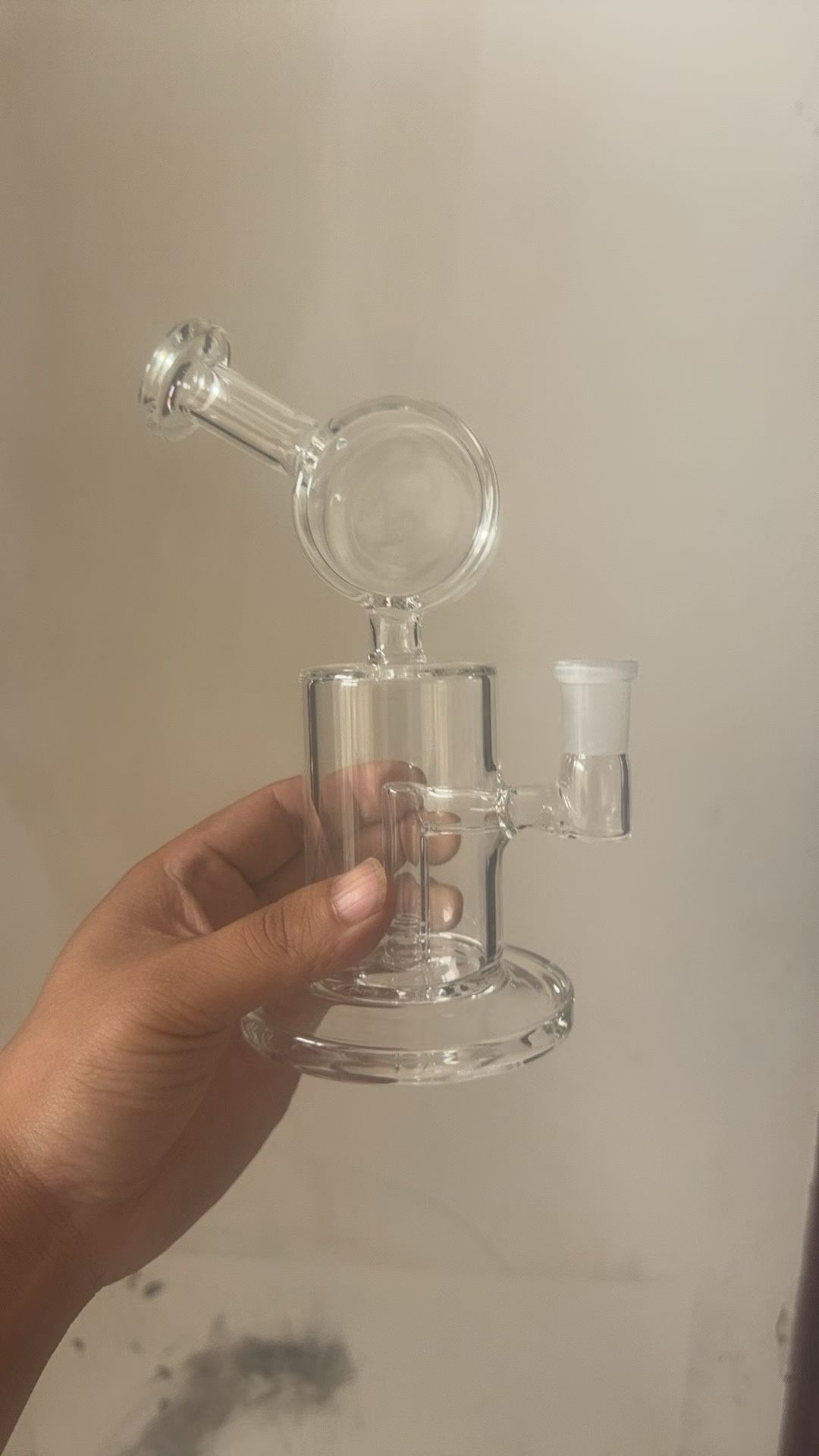
Key Takeaways
- Germany applies EU-wide regulations (REACH, customs union rules) plus national laws (VerpackG, BfR food-contact guidelines) that importers must satisfy separately.
- Glass smoking pipes fall under HS code 7012.90 with a conventional EU duty rate of 6.01%.
- The German Packaging Act (VerpackG) requires LUCID registration and a dual-system license before any packaged goods can be sold.
- BSCI certification is near-mandatory for B2B sales in Germany, as major retail chains require it from suppliers.
- German buyers prioritize borosilicate glass quality and craftsmanship, supporting higher price points than many other EU markets.
EU-Wide vs Germany-Specific Regulations
Every EU member state shares a common regulatory floor: REACH (Registration, Evaluation, Authorization and Restriction of Chemicals) governs chemical safety, the EU Customs Union sets tariff procedures, and CE marking applies to products in scoped categories. Germany enforces all of these, but layers additional national requirements on top.
REACH Compliance for Glass Products
Under REACH (EC 1907/2006), glass smoking pipes must not contain substances of very high concern (SVHCs) above the 0.1% weight threshold. For glass products, the primary concern is lead or cadmium leaching from colored glass or decorative coatings. Clear borosilicate glass typically passes without issue, but any colored or fumed piece should carry a REACH compliance declaration from the manufacturer.
German customs authorities (Zoll) can request REACH documentation at the point of entry. Without it, your shipment faces delays or rejection. This is one of the red flags in wholesale sourcing that catches unprepared importers off guard.
German Packaging Act (VerpackG)
Germany’s Verpackungsvergesetz (VerpackG) is stricter than most EU packaging laws. Any importer selling packaged goods to German end consumers must:
- Register with the LUCID packaging register (managed by the Zentrale Stelle Verpackungsregister).
- Contract with a licensed dual system (Duales System) such as Der Grune Punkt or Reclay for packaging waste recovery.
- Report packaging volumes annually.
This applies even if your glass pipes are shipped in simple cardboard boxes. The law covers all packaging materials that reach the end consumer. Budget approximately EUR 200-500 per year for dual-system licensing for a small-to-medium importer.
BfR Food-Contact Guidelines
The German Federal Institute for Risk Assessment (BfR) issues recommendations on food-contact materials. While glass pipes are not food in the traditional sense, German authorities often classify smoking accessories under the food-contact framework (Regulation EC 1935/2004). This means glass used for pipes should comply with migration limits for lead and cadmium under Directive 84/500/EEC.
When sourcing from Chinese manufacturers, request a BfR-style compliance test report. Reputable factories with ISO 9001 certification typically have these available. You can verify a supplier’s quality systems through our factory audit checklist.
HS Codes, Tariffs and Customs Procedures
Correct tariff classification determines your duty rate and clearance speed. Misclassification leads to fines and shipment holds.
| Product Category | HS Code | EU TARIC Duty | Notes |
|---|---|---|---|
| Glass smoking pipes (water pipes, hand pipes) | 7012.90 | 6.01% | Most common classification for wholesale glass pipes |
| Quartz bangers and dab accessories | 7012.90 | 6.01% | Same classification as pipes |
| Glass bowls and downstems (parts) | 7012.90 | 6.01% | Parts classified same as complete pieces |
| Silicone accessories (non-glass) | 4016.99 | 6.5% | Different material, different code |
Calculating Landed Cost
German import VAT (Einfuhrumsatzsteuer) is 19%, applied to the CIF value (cost + insurance + freight) plus duty. Here is a simplified example:
| Component | Amount |
|---|---|
| CIF value of 500 glass pipes | EUR 5,000 |
| Customs duty (6.01%) | EUR 300.50 |
| VAT base (CIF + duty) | EUR 5,300.50 |
| Import VAT (19%) | EUR 1,007.10 |
| Total landed cost | EUR 6,307.60 |
For a deeper breakdown of all cost components when importing from China, see our cost of importing water pipes from China guide.
Quality Certifications German Buyers Expect
German B2B buyers are among the most certification-conscious in Europe. Before approaching a German retailer or distributor, ensure your supplier can provide:
- ISO 9001: Quality management system certification. German buyers view this as a baseline indicator that the factory has documented processes.
- BSCI: Business Social Compliance Initiative. Major German retail chains (and their supply chain due diligence laws under the Lieferkettensorgfaltspflichtengesetz) increasingly require BSCI from non-EU suppliers.
- WRAP: Worldwide Responsible Accredited Production. An alternative or complement to BSCI, covering social compliance.
- RoHS compliance: While more relevant to electronic components, some German buyers ask for RoHS test results on glass products with colored coatings.
Understanding the differences between these certifications matters. Our glass pipe certifications glossary breaks down each one in detail.
Shipping and Logistics: China to Germany
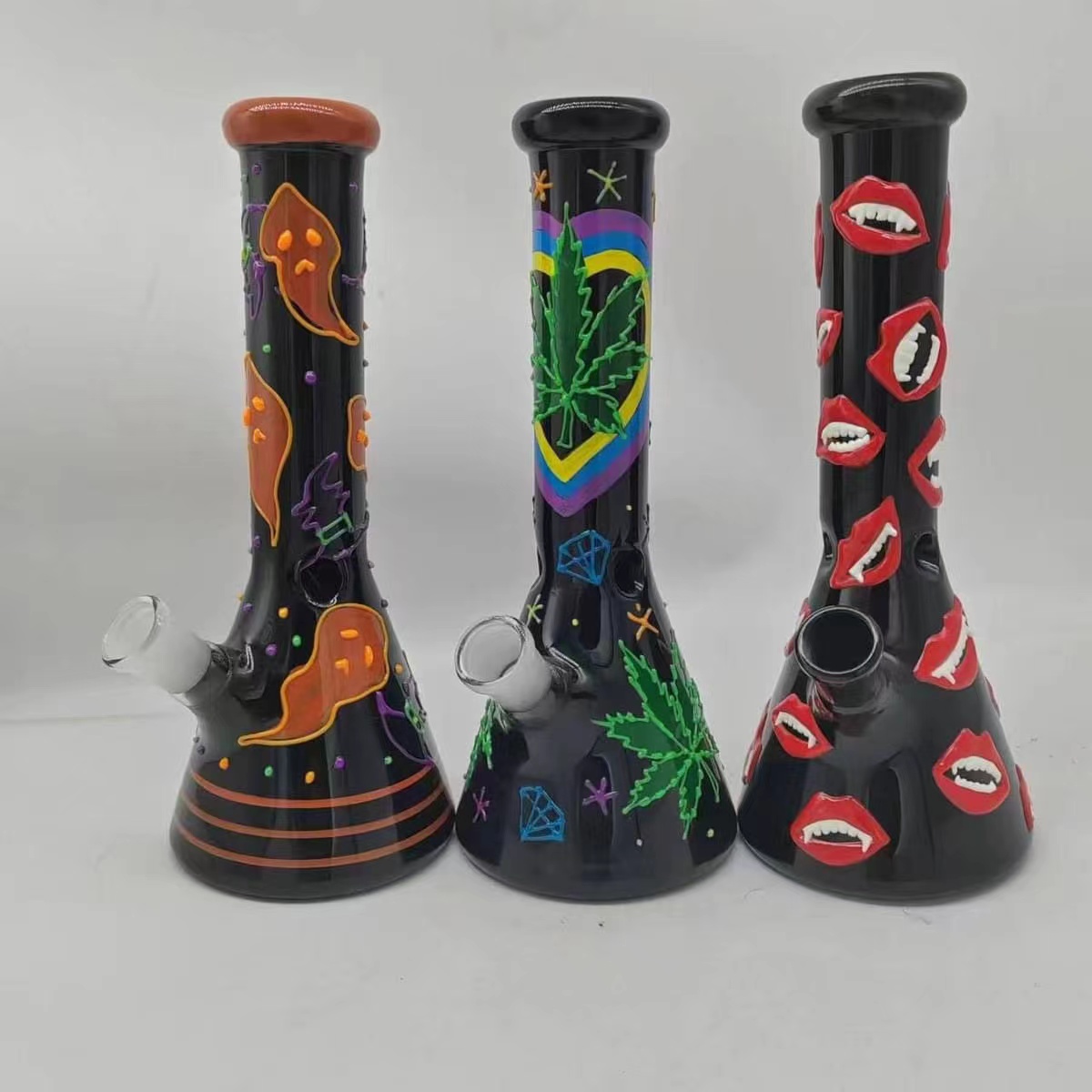
Most wholesale glass pipe shipments from China reach Germany via three routes:
| Method | Transit Time | Cost Range | Best For |
|---|---|---|---|
| Sea freight (FCL/LCL) | 28-35 days | EUR 2-4/kg | Orders over 100 kg; lowest unit cost |
| Air freight | 5-8 days | EUR 6-10/kg | Urgent restocking or sample batches |
| Express courier (DHL/UPS) | 3-5 days | EUR 8-15/kg | Samples and small parcels under 30 kg |
Sea freight is the default for wholesale orders. The main ports of entry for glass shipments from China are Hamburg and Bremerhaven. Factor in 3-5 additional days for customs clearance at these ports.

For seasonal planning, German retailers typically stock up for Q4 (Christmas) by August. If you are launching a new product line, our 90-day product line launch guide covers the timeline from sampling to first delivery.
German Market Demand Profile
Germany’s glass pipe market has distinct characteristics that differ from the US, UK, or Australian markets:
- Quality over price: German buyers are willing to pay premiums for craftsmanship, hand-blown pieces, and certified quality. The cheapest option rarely wins.
- Borosilicate preference: The market strongly favors borosilicate glass for its durability and heat resistance. Understanding material differences helps when positioning your products. Our borosilicate vs soda-lime material guide explains the technical distinctions. Browse our wholesale water pipe catalog to see the borosilicate pieces that German buyers order most.
- Custom and branded products: Many German shops develop their own house brands. OEM capability with custom molds is a significant selling point. Minimum order quantities of 100 pieces per design are standard for OEM work.
- Environmental consciousness: German buyers and consumers are particularly attentive to sustainable packaging, eco-friendly materials, and supply chain transparency.
Supplying the German Glass Pipe Market?
Elfglass delivers REACH declarations, BfR-style food-contact test reports, LUCID-ready packaging guidance and BSCI/ISO 9001 documentation, so your shipment clears German customs and satisfies certification-conscious retailers. Send your German spec and get a quote within 12 hours.
MOQ from 100 pieces | BSCI / WRAP / ISO 9001 | NDA before every project
Finding and Vetting a Supplier for the German Market
When evaluating a Chinese glass pipe manufacturer for German market supply, prioritize these criteria:
- Existing EU export experience: Ask which German or EU clients they currently supply. A factory already shipping to the EU understands REACH, CE, and customs documentation.
- Certification portfolio: Verify BSCI, WRAP, and ISO 9001 certificates independently. Do not accept a supplier’s word alone; check the issuing body’s database.
- REACH test reports: Request SVHC test results for each glass color and coating they offer. A supplier who cannot provide these is not ready for the German market.
- Packaging compliance awareness: The supplier should understand that their packaging must meet VerpackG requirements if it reaches German consumers.
- Sampling speed: German buyers expect fast iteration. A factory offering 1-3 day sampling turnaround gives you a significant advantage in product development cycles.
If you are evaluating suppliers for the German market, reach out to our team for a compliance-ready quotation with full REACH and BSCI documentation.
For a comprehensive vetting process, review the 15 checks to run before reordering from any glass supplier.
Key Takeaways
Importing glass pipes to Germany requires navigating a layered regulatory environment: EU-wide REACH and customs rules plus German-specific VerpackG, BfR guidelines, and supply chain due diligence laws. The market rewards quality, certification, and reliability over price alone.
Build your compliance foundation before your first shipment: REACH declarations, LUCID registration, proper HS classification, and verified supplier certifications. Once these are in place, Germany offers some of the strongest wholesale margins in the European glass pipe market.
Frequently Asked Questions
Do glass pipes need CE marking for Germany?
Generally no. Decorative glass smoking pipes do not fall under CE marking scope unless classified as medical devices. However, REACH compliance is mandatory for all chemical safety aspects.
What is the import duty rate for glass pipes in Germany?
The EU TARIC conventional duty rate for glass smoking pipes (HS 7012.90) is 6.01%, applied to the CIF value. German import VAT of 19% is then calculated on the duty-inclusive amount.
Is BSCI certification required for selling glass pipes in Germany?
Not legally required, but major German retail chains and distributors increasingly mandate BSCI from their non-EU suppliers under the Supply Chain Due Diligence Act (LkSG). Having BSCI significantly expands your market access.
What packaging regulations apply to glass pipe imports in Germany?
The VerpackG requires registration in the LUCID database and contracting with a licensed dual system for packaging waste recovery. This applies to all packaging materials reaching German end consumers.
What is the typical MOQ for wholesale glass pipes destined for Germany?
Most Chinese manufacturers set MOQ at 100 pieces per design for standard products. For OEM or custom designs, the MOQ is typically the same, though complex custom molds may require higher initial runs.
Ready to Start Your Custom Glass Pipe Project?
Get a free quote within 24 hours. MOQ from 100 pieces. NDA-protected design consultation.
About the Author
Ava Zeng is the founder of Elfglass, a Shenzhen-based borosilicate glass pipe manufacturer serving B2B brands worldwide. Every guide on this site is grounded in her production-floor experience— the annealing lines, QC checkpoints, and export orders behind each claim.
Before you commit to a supplier, read her founder’s story and trust promise, and the guide to vetting a reliable glass pipe manufacturer— the same red-flag checklist Elfglass applies to its own suppliers.
