
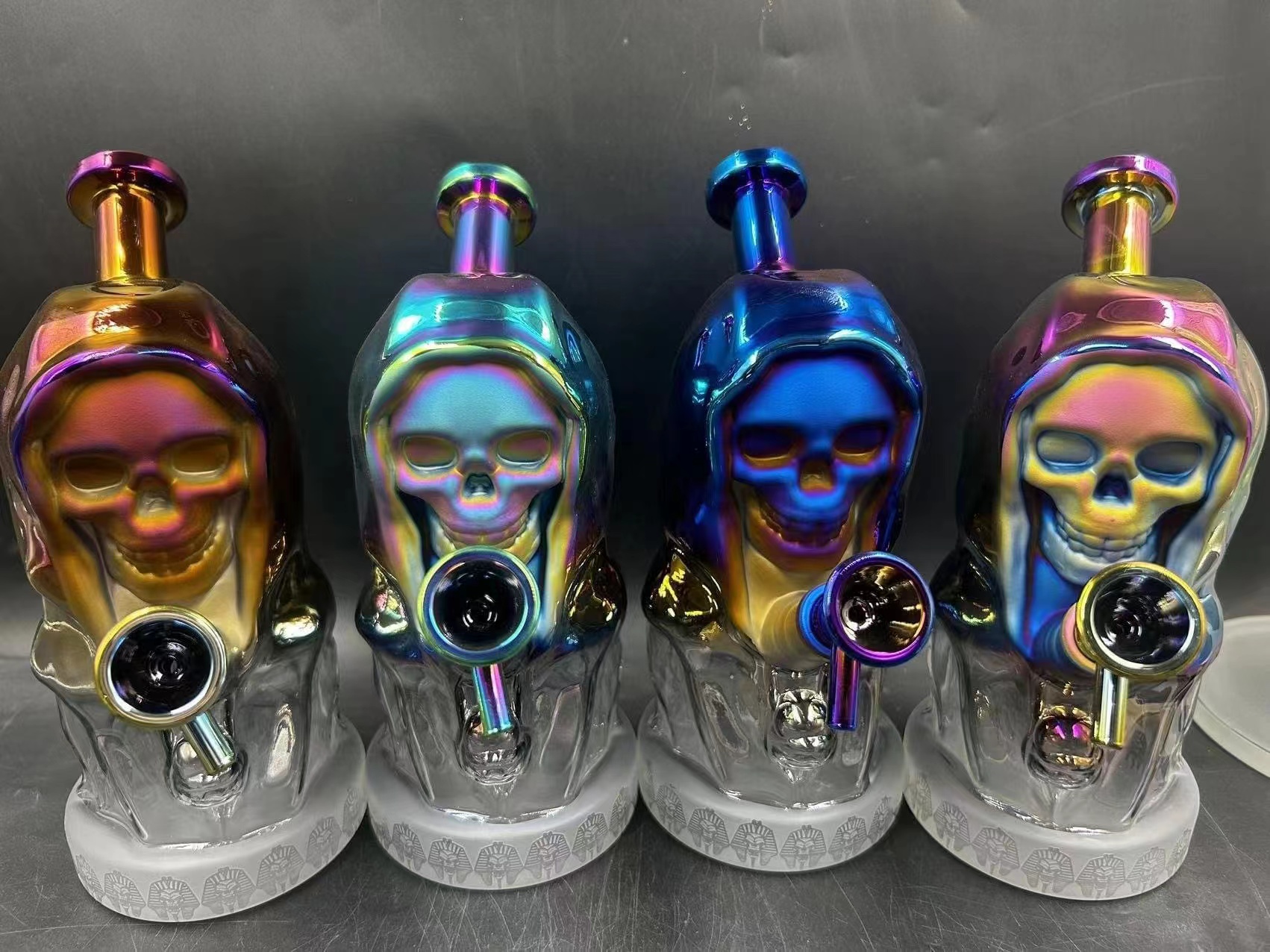
Japan is one of Asia’s most discerning markets for glass smoking accessories. With a strong culture of craftsmanship and exacting quality expectations, Japanese buyers—whether stocking a head shop in Shibuya or running an e-commerce brand in Osaka—demand products that meet precise standards for material quality, packaging, and labeling.
For wholesale buyers sourcing from China, Japan’s import regulations are straightforward but non-negotiable. This guide covers the regulatory framework, customs procedures, and market-specific requirements for importing glass pipes into Japan in 2026.
Key Takeaways
- Japan classifies glass smoking pipes under HS 9614; the import duty rate is 3.5% ad valorem for China-origin goods.
- The Pharmaceutical and Medical Devices Act (PMD Act) may apply if pipes are marketed with therapeutic claims.
- Japan’s Food Sanitation Act requires food-contact compliance for any glass component that contacts the mouth or substance being consumed.
- Labeling must be in Japanese; product descriptions must not reference controlled substances under the Cannabis Control Act and Stimulants Control Act.
- Japanese buyers prioritize packaging quality and individual unit protection—retail-ready presentation matters more than in Western markets.
Japan’s Regulatory Framework for Glass Pipes
Unlike the EU’s multi-layered regulatory system, Japan’s framework is comparatively centralized. Three laws govern glass pipe imports:
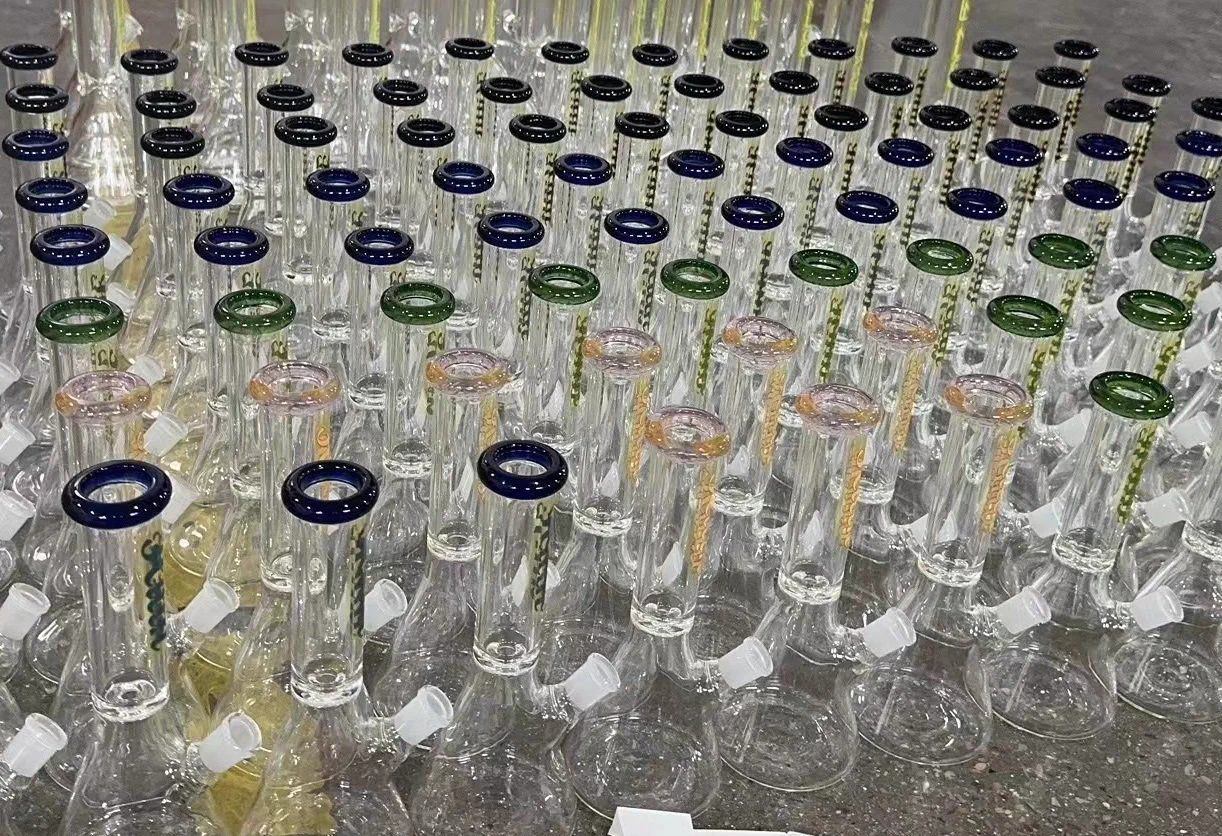
1. Customs Tariff (HS 9614)
Glass smoking pipes enter Japan under HS code 9614, the same international classification used worldwide. Japan’s tariff schedule applies a 3.5% ad valorem duty on smoking pipes from China under the WTO Most Favored Nation rate.
Japan also applies a 10% consumption tax (equivalent to VAT) on the CIF value plus duty. If you are a registered importer, you can claim input tax credits on your periodic consumption tax return.
2. Food Sanitation Act (食品衛生法)
This is the regulation most importers overlook. Japan’s Food Sanitation Act requires that any material coming into contact with food or beverages—including smoking pipe mouthpieces—must comply with food-contact safety standards. Glass (borosilicate and soda-lime) is generally recognized as safe, but:
- Colored glass with surface coatings or painted decorations may require testing for heavy metal migration (lead, cadmium) under Japan’s Food Sanitation Act specifications.
- Silicone components (mouthpiece tips, sleeves) must comply with Japan’s food-contact silicone standards, which differ from EU and US FDA standards.
- Testing can be done at designated Japanese testing institutions or at accredited laboratories in the country of origin.
If your glass pipe is clear borosilicate with no coatings or non-glass components, Food Sanitation Act compliance is typically straightforward—the material is inherently compliant.
3. Cannabis Control Act and Stimulants Control Act
Japan maintains some of the strictest drug laws in the world. The Cannabis Control Act (大麻取締法) and the Stimulants Control Act (覚せい剤取締法) prohibit the possession and use of cannabis and stimulants. While glass pipes themselves are legal accessories, marketing materials must never reference cannabis, marijuana, or any controlled substance.
This is not merely a legal precaution—it is a cultural norm. Japanese retailers will reject any supplier whose product descriptions, packaging inserts, or marketing imagery reference drug use. Position all glass pipes as tobacco accessories, art pieces, or aromatherapy tools.

Japanese Market Expectations: What Makes Buyers Different
Japanese wholesale buyers operate with standards that differ significantly from Western markets. Understanding these expectations helps you source products that sell and build lasting supplier relationships.
Quality Tolerance Is Tighter
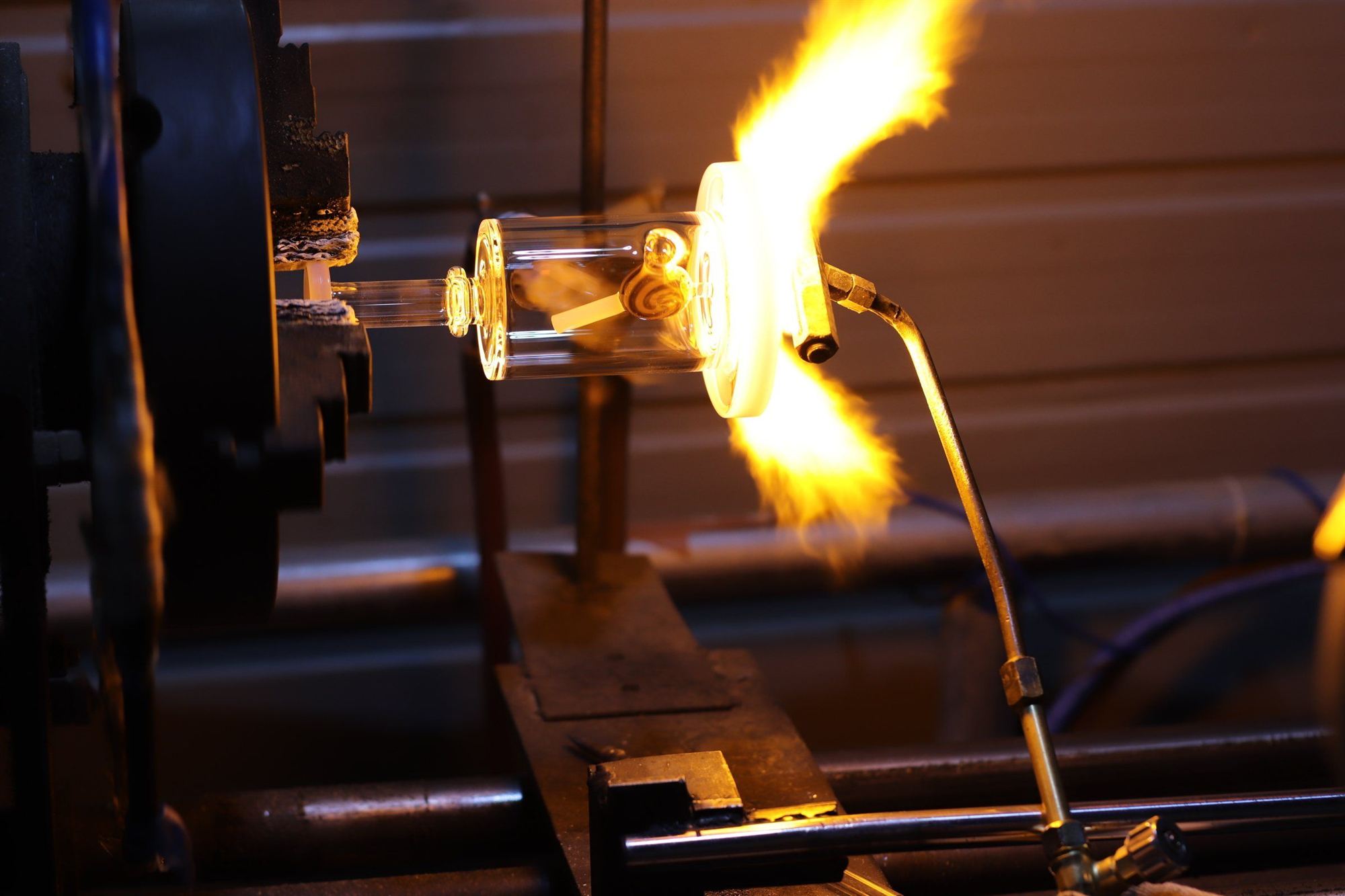
Where a Western buyer might accept minor cosmetic variations in hand-blown glass, Japanese buyers expect near-perfect consistency. Bubble marks, uneven walls, and slight asymmetries that pass inspection for US or European orders may be rejected in Japan.
This does not mean hand-blown glass is unwelcome—Japanese consumers appreciate artisan craftsmanship. But the craftsmanship must be intentional and consistent. Work with your manufacturer on quality specifications that define acceptable tolerances for the Japanese market specifically.
Packaging Is Part of the Product
In Japan, packaging quality directly influences perceived product quality. A glass pipe shipped in a basic poly bag will underperform the same pipe in a fitted foam insert inside a branded box. Japanese retail environments—whether physical shops or e-commerce unboxing experiences—demand packaging that protects the product and communicates value.
For custom OEM orders, discuss packaging specifications with your manufacturer during the design phase. Custom boxes with Japanese-language labeling, fitted inserts, and care instruction cards are standard for this market.
Individual Unit Inspection Is Common
Japanese importers frequently inspect every unit in a shipment, not just a random sample. This is standard practice in Japanese quality culture. Your manufacturer should be prepared for this level of scrutiny and should perform 100% pre-shipment inspection for Japanese orders.
Required Documentation for Japanese Customs
Prepare the following documents for each shipment:
- Commercial Invoice with HS code 9614, unit prices, and total CIF value
- Packing List with carton count, dimensions, and net/gross weight
- Bill of Lading (sea freight) or Airway Bill (air freight)
- Certificate of Origin (issued by CCPIT or a Japanese-accepted authority)
- Food Sanitation Act compliance certificate or test report for food-contact components
- Import declaration form (submitted to Japanese Customs by your customs broker)
Air freight from Shenzhen to Narita or Kansai takes 3-5 days. Sea freight to Tokyo or Yokohama takes approximately 10-14 days—significantly shorter than European or North American routes.
Importing Glass Pipes into Japan?
Elfglass supplies Food Sanitation Act-compliant borosilicate pieces with retail-ready Japanese packaging and full HS 9614 export documentation. Send your Japan spec sheet and get a quote within 12 hours.
MOQ from 100 pieces | BSCI / WRAP / ISO 9001 | NDA before every project
Working With Your Manufacturer on Japan Orders
Communicate these requirements clearly to your Chinese supplier before production begins:
- Food Sanitation Act compliance for all glass and non-glass components in the order.
- 100% inspection before packing—Japanese orders require zero-defect tolerance on cosmetic issues.
- Individual packaging in retail-ready boxes with Japanese labeling.
- Material test reports from an accredited lab, included with the shipment.
A manufacturer experienced in Japanese exports will already understand these requirements. Contact Elfglass to discuss your Japanese market specifications—our ISO 9001 quality system and 1-3 day sampling cycle make it easy to iterate on Japan-specific requirements before committing to production.
For broader guidance on evaluating supplier capabilities, see our factory audit checklist.
Positioning and Labeling: What You Can and Cannot Say in Japan
Because the Cannabis Control Act and the Stimulants Control Act reach marketing language and not just the physical product, the words on your box and your listing carry legal weight in Japan. Retailers will drop an entire supplier over a single offending phrase, so treat labeling as a compliance task rather than a design afterthought. This is the do-and-don’t screen we run every Japan-bound order through.
| Element | Safe to Use | Never Use |
|---|---|---|
| Product positioning | Tobacco accessory, handcrafted glass, art piece, aromatherapy tool | Cannabis, weed, marijuana, 420, “dab rig for concentrates” |
| Imagery | Neutral studio shots of the glass itself | Drug-use depiction, cannabis-leaf motifs, paraphernalia in use |
| Packaging inserts | Japanese-language material and care information | English slang referencing controlled substances, even as a joke |
| Listing copy | Material, dimensions, craftsmanship, origin | Therapeutic or drug-effect claims of any kind |
Two more Japan-specific points buyers routinely miss. First, keep every functional or health claim off the listing entirely — a therapeutic claim can pull the product under the Pharmaceutical and Medical Devices Act, a far heavier regime than the Food Sanitation Act and one you do not want to trigger by accident. Second, put everything the customer needs in Japanese: material, dimensions, care instructions, and country of origin. A cleanly translated insert reads as quality to a Japanese buyer; an English-only insert reads as a grey import and quietly caps the price the retailer will pay.
A Step-by-Step Japan Import Workflow
The requirements above are grouped by topic. Here they are in the order you actually execute them, so nothing is filed late or out of sequence.
- Classify and confirm duty. Log the product under HS 9614 and budget the 3.5% ad valorem duty plus 10% consumption tax on the CIF value plus duty.
- Screen components for the Food Sanitation Act. Clear borosilicate is inherently compliant; flag any colored coating, painted decoration, or silicone tip for heavy-metal-migration testing.
- Arrange accredited-lab testing if needed. Use a designated Japanese institution or an accredited origin-country laboratory, and keep the report in the shipment file.
- Prepare Japanese labeling and inserts. Material, dimensions, care, and origin in Japanese, with compliance-safe positioning per the table above.
- Specify 100% pre-shipment inspection. Japanese importers commonly inspect every unit, so brief your manufacturer on zero-defect cosmetic tolerance before packing begins.
- Book freight. Air from Shenzhen to Narita or Kansai runs 3-5 days; sea to Tokyo or Yokohama about 10-14 days.
- Broker files the import declaration. Provide the commercial invoice, packing list, bill of lading or airway bill, certificate of origin, and any Food Sanitation Act test report.
- Clear customs and receive. Pay duty and consumption tax, pass any examination, then run your own arrival inspection before the stock goes live.
Frequently Asked Questions
What is the import duty rate for glass pipes in Japan?
The import duty for glass smoking pipes (HS 9614) from China is 3.5% ad valorem under Japan’s WTO MFN tariff schedule. A 10% consumption tax applies on top of the CIF value plus duty.
Do glass pipes need special certification for Japan?
Glass pipes must comply with Japan’s Food Sanitation Act if any component contacts the mouth. Clear borosilicate glass is inherently compliant; colored glass or silicone components may require testing for heavy metal migration.
Can I market glass pipes as cannabis accessories in Japan?
No. Japan’s Cannabis Control Act and cultural norms strictly prohibit any marketing that references cannabis or controlled substances. Position all products as tobacco accessories, art pieces, or aromatherapy tools.
How long does shipping from China to Japan take?
Air freight takes 3-5 days from Shenzhen to Narita/Kansai. Sea freight takes approximately 10-14 days to Tokyo or Yokohama ports.
What packaging do Japanese buyers expect?
Retail-ready individual packaging with fitted inserts—browse our wholesale glass pipe collection for export-ready options, branded boxes, and Japanese-language labeling. Packaging quality is as important as product quality in the Japanese market.
Ready to Start Your Custom Glass Pipe Project?
Get a free quote within 24 hours. MOQ from 100 pieces. NDA-protected design consultation.
About the Author
Ava Zeng is the founder of Elfglass, a Shenzhen-based borosilicate glass pipe manufacturer serving B2B brands worldwide. Every guide on this site is grounded in her production-floor experience— the annealing lines, QC checkpoints, and export orders behind each claim.
Before you commit to a supplier, read her founder’s story and trust promise, and the guide to vetting a reliable glass pipe manufacturer— the same red-flag checklist Elfglass applies to its own suppliers.
