
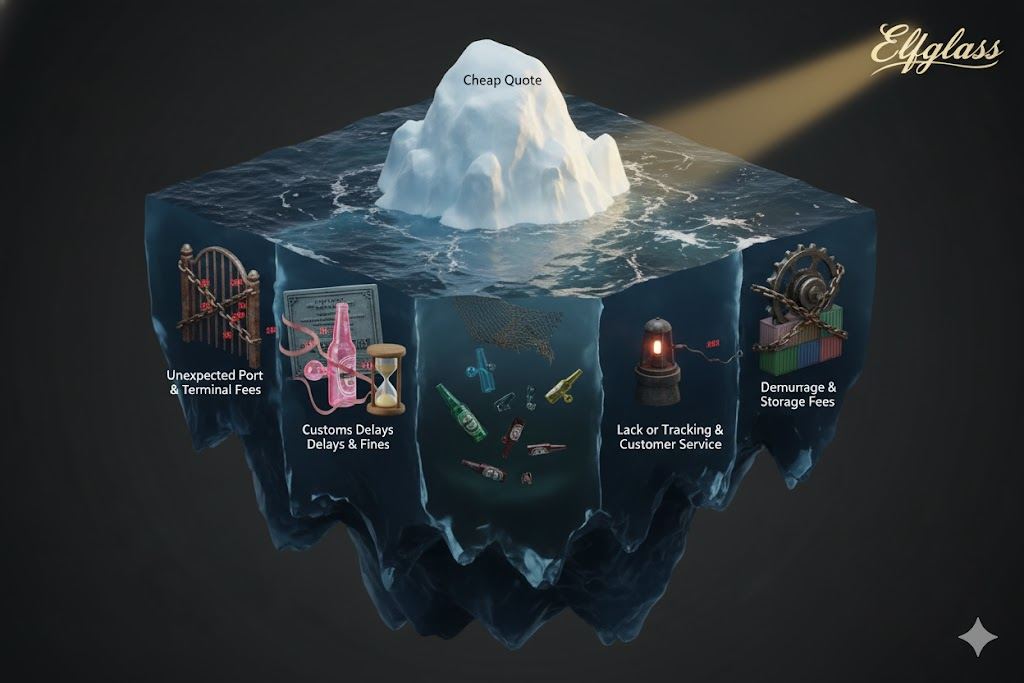
A glass pipe supplier quote is not just a price. It is a window into how the factory thinks about your business. A detailed, well-organized quote signals a professional operation that understands export trade. A vague one-liner with just a unit price signals a factory that will surprise you with hidden costs, quality shortcuts, and delivery delays. Learning to read a quote line by line is one of the most valuable skills a wholesale buyer can develop.
Key Takeaways
- A complete quote has 8+ line items: unit price, tooling, samples, production time, payment terms, shipping, packaging, and QC terms.
- FOB vs CIF changes your total landed cost by 10-25%. Always compare quotes on the same Incoterm basis.
- Hidden costs live in the details: mold amortization surcharges, packaging upgrades, and inland freight.
- The cheapest quote is rarely the best value. Compare total landed cost per conforming unit.
Anatomy of a Glass Pipe Quote
A professional glass pipe supplier quote follows a standard structure. Understanding each line item helps you identify where costs are fair and where you are being overcharged. The ICC Incoterms 2020 official rules define the international standard for shipping term responsibilities, and the U.S. ITA international commercial terms provide additional guidance on commercial terms.
| Line Item | What It Covers | Typical Range |
|---|---|---|
| Unit price (FOB) | Per-piece manufacturing cost | $1.50-$15.00 depending on complexity |
| Tooling / mold fee | Custom mold fabrication | $300-$2,000 per design |
| Sample fee | Pre-production sample | $20-$100 per piece (often credited against order) |
| Production lead time | Days from deposit to goods ready | 15-35 days |
| Payment terms | Deposit/balance structure | 30/70 T/T standard |
| Packaging | Individual and carton packaging | $0.30-$1.50 per unit |
| Inland freight | Factory to port trucking | $100-$400 per CBM |
| QC / inspection | Factory QC or third-party coordination | $0-$200 depending on arrangement |
FOB vs CIF: Which Should You Choose?
The Incoterm in your quote determines who controls shipping and who bears the risk. FOB means you choose your freight forwarder and negotiate ocean rates directly. CIF means the factory handles everything to your port. FOB is almost always cheaper for experienced importers because you control the freight cost. CIF is simpler for first-time buyers but typically adds 10-15% to shipping costs because the factory marks up the freight.
Always convert quotes to the same Incoterm before comparing. A $3.00 FOB quote and a $3.50 CIF quote may actually be the same price once you add your own freight cost to the FOB number.
Spotting Hidden Costs
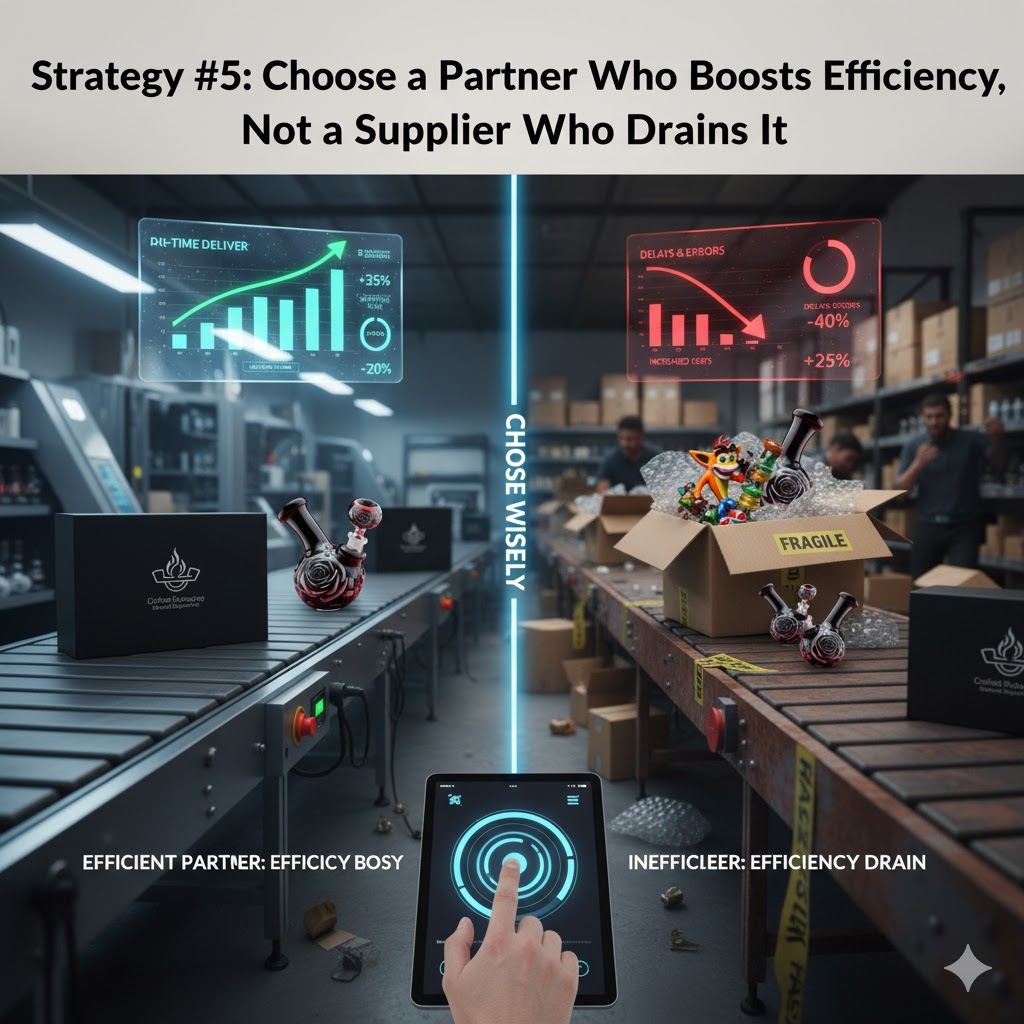
Experienced suppliers include all costs transparently. Less scrupulous ones lowball the unit price and recover margin through hidden charges. Watch for these common surprises:
- Mold amortization surcharge: Some factories quote low unit prices but add a per-unit mold fee on top of the stated tooling cost. Ask explicitly: “Is the tooling fee fully covered by the quoted tooling line, or is there a per-unit amortization?”
- Packaging upgrade charges: The base quote includes poly bag packaging. When you request foam inserts or branded boxes, the factory adds $0.50-$1.50 per unit. Get packaging costs in the initial quote.
- Inland freight surprises: If the factory is 300km from the port, inland trucking can add $200-$500 to your order. Confirm the factory’s distance from the loading port.
- Currency fluctuation clauses: Some quotes include a clause allowing price adjustment if the RMB/USD rate moves more than 2-3%. This is reasonable but should be disclosed upfront.
Confused by Supplier Quotes?
Get a Transparent Quote in 24 Hours
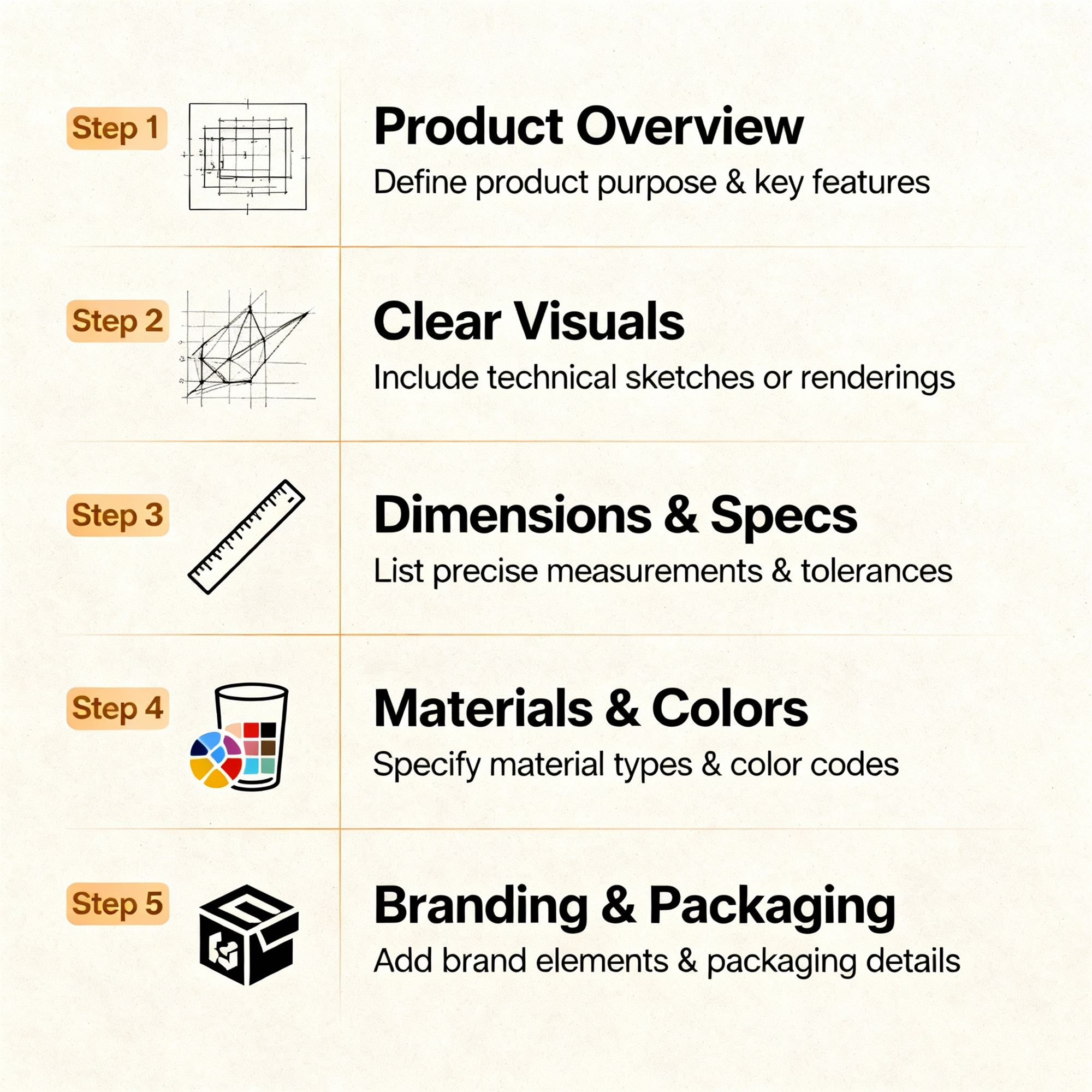
Elfglass provides detailed line-item quotes with no hidden fees. Every cost is broken out so you know exactly what you are paying for. Explore our custom glass pipe manufacturing services
Frequently Asked Questions
What should a glass pipe supplier quote include?
A complete glass pipe supplier quote should include: unit price per SKU, tooling or mold fees (if applicable), sample costs and lead time, production lead time, payment terms (deposit percentage and balance timing), shipping method and cost breakdown (FOB, CIF, or DDP), packaging specifications, and quality inspection terms. Any quote missing two or more of these elements is incomplete.
What is the difference between FOB and CIF pricing?
FOB (Free on Board) pricing means the factory is responsible for goods only until they are loaded on the vessel at the origin port. CIF (Cost, Insurance, and Freight) means the factory covers goods, marine insurance, and ocean freight to your destination port. FOB gives you more control over shipping costs; CIF is simpler but often includes a 10-15% shipping markup.
Why do two glass pipe suppliers quote such different prices for the same product?
Price differences come from material quality (borosilicate 3.3 vs soda-lime), wall thickness, production method (hand-blown vs machine-pressed), QC standards, packaging level, and whether the quote includes tooling amortization. A $2.50 hand pipe and a $4.50 hand pipe that look identical may differ in glass grade, wall thickness, and annealing quality.
How do I negotiate a glass pipe supplier quote effectively?
Negotiate on total landed cost, not just unit price. Ask the supplier to break out tooling, packaging, and shipping separately. Offer larger order quantities for better unit pricing. Propose longer-term commitments (6-month blanket orders) in exchange for price locks. Never negotiate so aggressively that the supplier cuts quality to maintain margin.
Ready to Start Your Next Glass Pipe Project?
Whether you need help verifying a new supplier, setting up quality control, or scaling your wholesale orders, the Elfglass team is ready to support your business. contact our team today and let us show you what a transparent, quality-focused manufacturing partner looks like.
About the Author
Ava Zeng is the founder of Elfglass, a borosilicate glass pipe manufacturer based in Cangzhou, China. With over 12 years of hands-on experience in glass manufacturing and international B2B trade, Ava has helped hundreds of smoke shops, head shops, and distributors across North America, Europe, and Australia build profitable glass product lines. She oversees every OEM project from design brief to final shipment, and writes from the factory floor rather than the marketing department.
