
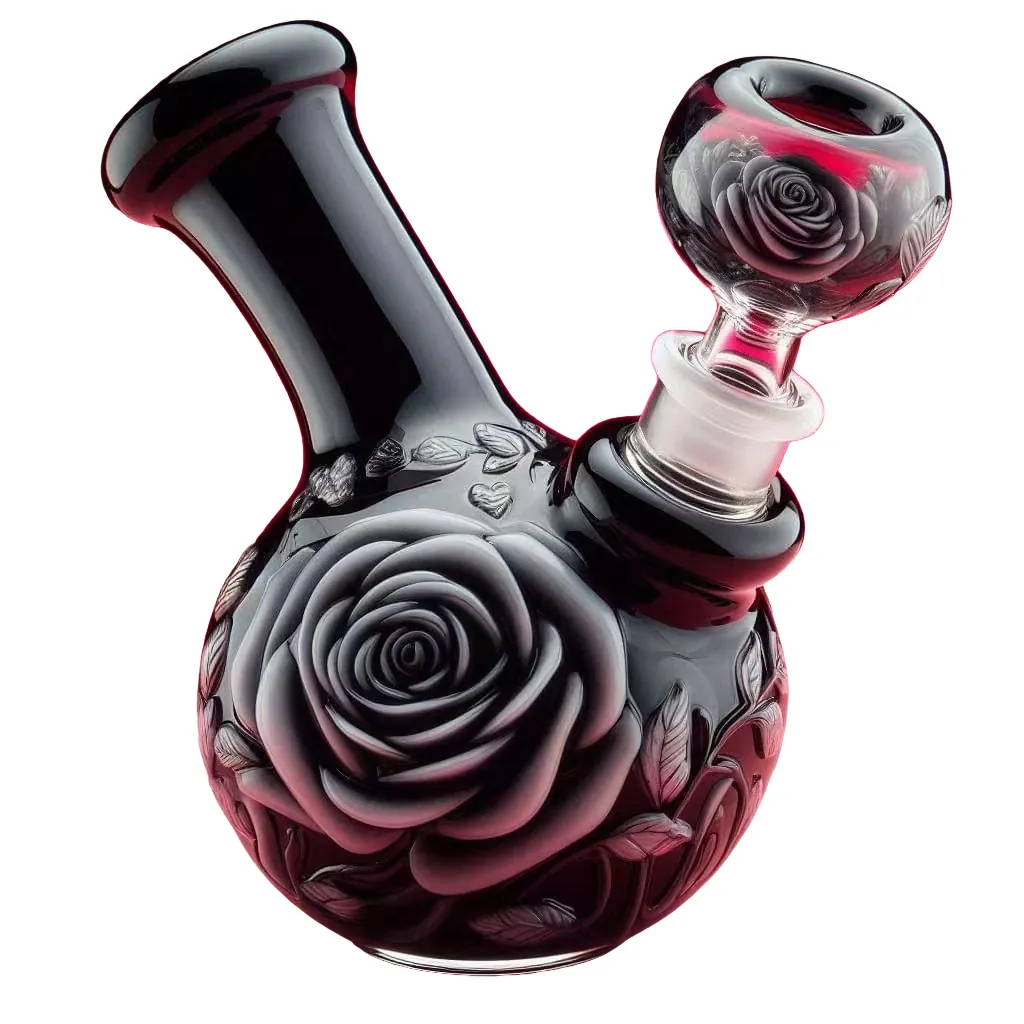
Most people assume black is the safest color in product design. Safe means boring. Safe means low-margin commodity stock that sits on shelves for months. The reality in the glass pipe trade tells a different story. Black glass pipes (though ceramic offers different aesthetic advantages) command higher retail prices, move faster off the shelf, and build stronger brand recognition than any other single color in the catalog. That is not a guess. It is a pattern that repeat buyers and retail owners confirm every quarter.
The matte finish takes this further. Where glossy black reflects light and draws attention to surface flaws, matte black absorbs light and hides them. The result is a product that looks intentional, premium, and difficult to reproduce cheaply. For wholesalers and brand owners, that difference translates directly into margin.
Key Takeaways
- Black glass pipes appear on most retailer best-seller lists, outpacing the next closest color by a wide margin.
- Matte finishes command a meaningful price premium over equivalent glossy pieces because buyers associate the texture with craftsmanship.
- Black hides residue and micro-scratches better than any other finish, keeping products shelf-ready for longer retail cycles.
- Demand for matte black glass pipes stays consistent year-round with no meaningful seasonal dip.
- Minimum orders start at 100 pieces per design, with sampling completed in 1-3 days and full production in 7-12 days.
- Batch-to-batch color matching is the single biggest quality challenge in custom matte black production.
Why Black Dominates the Glass Pipe Market
Walk into any head shop in Portland, Denver, or Amsterdam. Count the pipes on display. Black occupies more shelf space than every other color combined. This was not always the case. Ten years ago, colorful borosilicate pieces dominated retail displays. The shift toward black happened quietly. No single brand pushed it. No marketing campaign drove it. Buyers simply started choosing black, and the market followed.
The Retail Psychology of Black
Consumer research across product categories consistently shows that black signals premium. The same effect operates in glass pipes. A buyer browsing a display of 30 pieces will fixate on the black ones first. The matte surface absorbs light instead of reflecting it. That creates a sense of depth and substance. Shoppers perceive matte black pieces as more expensive before they check the price tag.
Retailers who track SKU-level sales data confirm the pattern. When they stock a full color range, black sells first and fastest. In many shops, black accounts for over half of unit sales. The glass pipe color trends for 2026 confirm that black is not losing ground. It is expanding as more brands introduce matte and soft-touch finishes.
Why Black Outperforms Every Other Color
Clear glass shows every fingerprint. Colored glass can clash with brand aesthetics. White glass yellows over time. Black avoids all of these problems. It hides residue. It hides micro-scratches. It pairs with any brand identity. For a retailer managing a large inventory, black is the lowest-risk color to stock in depth.
The Science Behind Matte Finishes
A matte finish is not a coating. It is a physical modification of the glass surface. Understanding how it works helps buyers evaluate quality and communicate clearly with manufacturers.
How Matte Is Achieved on Borosilicate Glass
Most quality matte black pipes start as borosilicate glass. The material matters. Borosilicate has a tighter molecular structure than soft glass. It withstands the thermal shock of finishing processes without developing stress fractures. The matte effect itself comes from one of two methods: acid etching or sandblasting.
Acid etching uses hydrofluoric acid to micro-dissolve the surface layer of the glass. This creates tiny uniform valleys that scatter light in every direction instead of reflecting it in a single beam. The result is a soft, diffuse appearance. Sandblasting fires fine aluminum oxide particles at high velocity against the glass surface. Each impact creates a microscopic crater. The craters collectively produce the matte texture. Both methods achieve similar visual results. Acid etching tends to produce a smoother feel. Sandblasting creates a more pronounced texture.
The Role of Fuming in Dark Glass Aesthetics
Fuming is a separate technique that produces dark coloration through metallic vapor deposition. The artisan vaporizes silver or gold wire and lets it condense on the glass surface. The thin metallic layer traps light and shifts color from amber to deep charcoal to near-black depending on thickness and viewing angle. Fumed pieces are inherently unique. No two come out identical. That makes fuming popular for artistic one-offs but problematic for consistent wholesale production runs.
Surface Texture and Perceived Quality
The tactile experience matters as much as the visual one. A customer who picks up a matte black pipe feels the texture immediately. That tactile feedback creates a perception of quality that glossy finishes cannot match. Across consumer product categories, matte surfaces are consistently rated as more premium by shoppers of all demographics.
The challenge is consistency. Achieving uniform texture across a batch of 500 pieces requires tight process control. Even brief variation in acid exposure time or a slight pressure difference in sandblasting can shift the texture noticeably. This is where quality control in glass pipe manufacturing becomes non-negotiable. Matte black shows variation more than glossy finishes do.
Black Glass vs Other Dark Finishes
Black is not the only dark option. Gunmetal, charcoal grey, and deep amber all compete for shelf space. Each has trade-offs. The table below breaks down where each finish wins and where it falls short.
| Feature | Matte Black | Gunmetal Grey | Charcoal (Soft Black) | Dark Amber Fumed |
|---|---|---|---|---|
| Visual depth | High — absorbs light uniformly | Medium — slight metallic sheen | Medium — softer than true black | Variable — shifts with angle |
| Fingerprint resistance | Excellent | Good | Good | Poor — oils show easily |
| Batch consistency | High with process control | Moderate — metallic tone shifts | High | Low — each piece unique |
| Retail price premium | Higher | Moderate | Lower | Variable (artisan pricing) |
| Best use case | Core retail lines, branded collections | Masculine-leaning brands, tech aesthetic | Entry-level dark options | Artisan and limited editions |
The data points one direction. Matte black delivers the strongest combination of visual impact, consistency, and margin. Gunmetal works for brands targeting a specific tech-industrial aesthetic. Charcoal serves as an entry-level dark option for price-sensitive markets. Dark amber fumed pieces occupy the artisan lane where uniqueness matters more than uniformity. A finish that keeps selling after lights-out is a different play entirely: our sourcing guide for glow-in-the-dark glass covers the pigment options, safety questions, and MOQ realities to check before ordering.

Inspect Real Production Glass Before You Commit
We ship COE 3.3 borosilicate samples in 1 to 3 days and back every order with a documented QC process and inspection report. Request a sample kit and judge the wall thickness, color, and finish yourself.
MOQ from 100 pieces | BSCI / WRAP / ISO 9001 | NDA before every project
What Retailers Need to Know About Black Glass
Understanding why black sells is only half the equation. The other half is figuring out how to stock it profitably. The numbers matter. Margins on matte black glass pipes run meaningfully higher than on standard clear glass at the same retail price point. That margin cushion gives retailers room to absorb shipping costs and still clear a healthy profit.
MOQ and Pricing Structure
Most Chinese manufacturers set minimum orders at 100 pieces per design or SKU. Elfglass, a Shenzhen-based factory operating since 2010, follows this standard. For a new retailer testing the matte black category, 100 pieces is a manageable commitment. The wholesale hand pipes category is where matte black moves fastest. Hand pipes let buyers examine the finish up close. The tactile experience seals the purchase.
Pricing tiers vary by design complexity. Basic matte black hand pipes wholesale at prices above equivalent clear pieces, while retail margins attract shop owners looking for profitable SKUs. Branded pieces with custom logos or packaging push retail prices higher.
Demand Patterns and Seasonal Trends
Black glass pipes sell year-round. Unlike novelty colors that spike during holiday seasons and fade afterward, matte black maintains consistent demand. Retailers report steady reorder cycles with no meaningful seasonal dip. The safest inventory strategy is to stock black continuously and rotate designs rather than cycling the color in and out.
One pattern worth noting. Black hand pipes and black one-hitters are the fastest-moving SKUs. Bowls and larger pieces in matte black sell well but at a slower velocity. Start with hand pipes. Add bowls once you have data on your specific customer base.
Custom Black Glass: OEM Considerations
Brands that want their own matte black line face a specific set of challenges. The glass itself is straightforward. The finish is where complexity lives. Matching a specific shade of black across multiple production runs requires discipline from both the brand and the factory.
Matching Pantone Black Across Batches
Pantone offers several black references. Pantone Black 6 C, Black 7 C, and Process Black C all look different on paper. On glass, the differences become even more pronounced because the substrate is transparent. A factory that claims to match “Pantone black” without asking which reference is a red flag.
The reliable approach is to provide a physical reference sample rather than a digital swatch. Screens lie. Printed Pantone chips can shift depending on printing conditions. A signed sample, sealed and dated, gives both the brand and the factory an unambiguous standard. Reputable manufacturers keep reference samples in their quality control archive for every active client.
Consistency Across Production Runs
The first order is never the problem. The second order is where consistency breaks down. A different batch of raw glass, a new acid etching solution at slightly different concentration, or a new operator on the sandblasting line can all shift the finish. The fix is simple but often skipped. Order a sampling round of 1-3 days before committing to full production. Review the samples against your reference. Approve or reject in writing.
Full production for orders of 100 pieces and above takes 7-12 days. Payment terms in the industry follow a T/T 30/70 structure, meaning 30% deposit upfront and 70% before shipment. Elfglass operates at a monthly capacity of 10,000 pieces from its 1,000-square-meter Shenzhen facility. That capacity supports both repeat orders and new designs without bottlenecking. When sourcing wholesale glass pipes from China, always request an approval sample before the production run begins.
Conclusion
The black glass aesthetic is not a trend that peaked and faded. It is a structural shift in how consumers evaluate glass pipes. Matte finishes amplify that shift by adding tactile premium cues that glossy surfaces cannot deliver. The comparison across dark finishes makes the hierarchy clear.
Matte black outperforms gunmetal on visual depth and fingerprint resistance. It outperforms charcoal on perceived value and retail margin. It outperforms dark amber fumed on batch consistency and scalability. For brands building a core retail line, matte black is the logical anchor product.
Key Takeaways
- Matte black delivers the strongest combination of visual impact, batch consistency, and retail margin among all dark glass finishes.
- Retailers stocking black glass pipes report consistent year-round demand with no seasonal weakness.
- Custom matte black production starts at 100 pieces per design, with sampling in 1-3 days and production in 7-12 days.
- Physical reference samples, not digital swatches, are the only reliable standard for cross-batch color matching.
If you are building or expanding a glass pipe brand, the question is not whether to stock black. It is how deep to go. Start with a focused selection of matte black hand pipes. Track sell-through rates. Then expand into bowls, one-hitters, and custom designs based on real data from your market.
Frequently Asked Questions
Why are matte black glass pipes more expensive than glossy ones?
The matte finish adds a processing step, either acid etching or sandblasting, that glossy pieces skip. That extra step increases production time and requires additional quality checks. Buyers also perceive matte textures as more premium, which supports stronger retail margins.
Does the matte finish on black glass pipes wear off over time?
No. The matte texture is etched into the glass surface itself, not a coating that peels or fades. Regular use gradually smooths the highest texture points, but the matte appearance lasts the lifetime of the piece. Avoid abrasive cleaners to preserve it.
Can I order custom matte black pipes with my brand logo?
Yes. Most established manufacturers offer OEM services including custom logos, packaging, and finish specifications. Elfglass provides sampling within 1-3 days so you can verify shade and texture before committing to full production. The minimum order is 100 pieces per design.
What is the minimum order quantity for matte black glass pipes?
The standard MOQ is 100 pieces per design. This applies to both stock designs and custom OEM pieces. The 100-piece threshold keeps inventory risk manageable for new brands while giving the factory enough volume to maintain consistent finishing conditions across the batch.
How do I verify the quality of matte black glass pipes before placing a large order?
Request a pre-production sample first. Check for consistent texture, even color distribution, and clean joins with no visible stress marks. The matte finish should look uniform from every angle. Ask the factory for their inspection checklist and certification records.
Get a Quote for Your Next Order
Building your wholesale lineup? in the matte black finishes this guide covers? Explore our wholesale hand pipe collections for MOQ, tiered pricing, and factory-direct lead times. Send us your product spec and target quantity — contact our factory team or message us on WhatsApp, and we will reply with pricing and lead times within 24 hours.
About the Author
Ava Zeng is the founder of Elfglass, a Shenzhen-based borosilicate glass pipe manufacturer serving B2B brands worldwide. Every guide on this site is grounded in her production-floor experience— the annealing lines, QC checkpoints, and export orders behind each claim.
Before you commit to a supplier, read her founder’s story and trust promise, and the guide to vetting a reliable glass pipe manufacturer— the same red-flag checklist Elfglass applies to its own suppliers.
Matte black finishes rely on the same light-absorption principles described in glass coloring chemistry, where metal oxides determine hue and surface treatment controls reflectivity.
Ready to Source Custom Glass Pipes?
Get a free quote within 24 hours. MOQ from 100 pieces. NDA-protected design consultation.
