
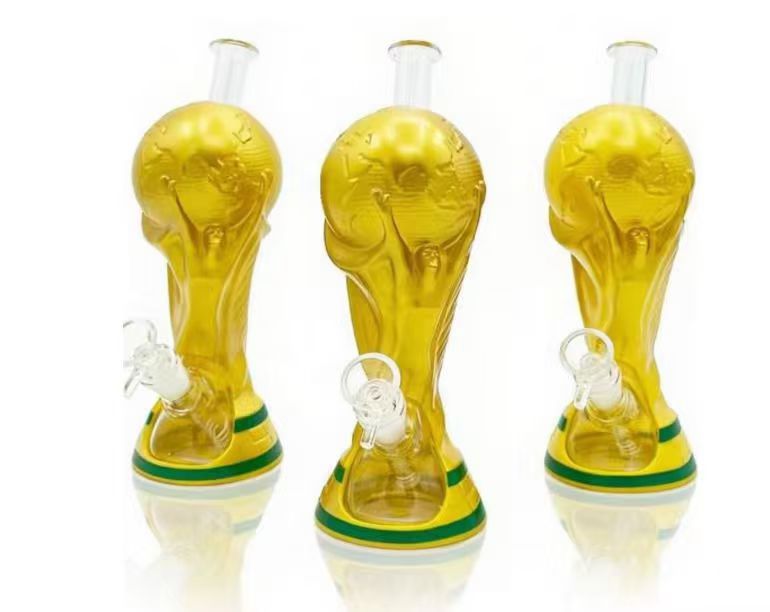
Walk into any head shop, dispensary, or online smoke-store catalog and you will see the same material debate playing out on the shelves: glass vs ceramic. Buyers who stock both materials tell us the question is no longer which one is better in absolute terms, but which one is better for a given price point, a given aesthetic, and a given end user. As a borosilicate glass manufacturer, we have obvious reasons to champion glass. Yet the wider material question matters just as much at wholesale: borosilicate or soda-lime glass? Our borosilicate vs soda-lime comparison breaks down which material survives thermal shock and which one keeps per-unit cost down. But after more than fifteen years of filling wholesale orders, we have also learned that ceramic holds advantages in specific retail niches that would be dishonest to ignore. This comparison breaks the two materials down property by property, cost by cost, and shelf position by shelf position, so you can make an informed sourcing decision rather than guessing based on what looks good in a catalog photo. Industry soft glass is soda-lime based—the most common commercial glass formulation—while ceramics are fired inorganic solids with entirely different thermal behavior (soda-lime glass reference).
Material Properties Compared: Glass vs Ceramic Head-to-Head
Before you commit to a purchase order, it helps to understand how each material behaves under the conditions your customers will actually use. The table below summarizes the key differences. Below the table, we walk through each property in more detail.
| Property | Glass (Borosilicate) | Ceramic |
|---|---|---|
| Heat Retention | Heats quickly, cools quickly | Slow to heat, holds warmth longer |
| Flavor Purity | Non-porous, zero taste transfer | Glaze-sealed; can retain residue over time |
| Impact Durability | Brittle under sharp impact | Chip-resistant but can crack on hard drops |
| Weight | Light to moderate | Noticeably heavier |
| Thermal Shock Resistance | Excellent (borosilicate standard) | Moderate; depends on clay body and firing |
| Surface Porosity | Zero | Low when glazed; unglazed is porous |
| Transparency | Fully transparent to fully opaque | Opaque only |
| Recyclability | Yes, cullet can be remelted | Extremely limited |
Heat behavior is where the two materials diverge most noticeably. Borosilicate glass heats fast and dissipates heat fast, which gives the user immediate, controllable vapor production. Ceramic, by contrast, acts like a thermal battery. It takes longer to reach temperature but holds that temperature through a longer session. For customers who prioritize flavor chasing at low temperatures, glass delivers a cleaner, more responsive experience. For customers who want a piece that stays warm through extended use, ceramic has a real edge.
Flavor purity is the argument glass has won most convincingly in the specialty market. Borosilicate glass is non-porous at the molecular level, meaning it does not absorb or transfer any taste to the material being consumed. Ceramic pieces rely on a glaze to seal the clay body underneath. When that glaze is well applied and properly fired, the flavor difference is marginal. But over months of daily use, micro-cracks in the glaze can trap residue, and users begin to notice a stale undertone that no amount of cleaning fully removes. Glass does not have this problem.
Durability is more nuanced than either side likes to admit. Glass shatters dramatically when it hits a hard surface at the wrong angle, which is why so many retail returns come from drops. Ceramic chips and cracks rather than shatters, and a small chip on the base of a piece is something most users will tolerate. In a retail environment where products get handled, demoed, and occasionally knocked off counters, ceramic can be the more forgiving material on the floor.
How Glass and Ceramic Pieces Are Made
The manufacturing process for each material shapes everything that comes after it: cost, lead time, customization options, and minimum order quantities.
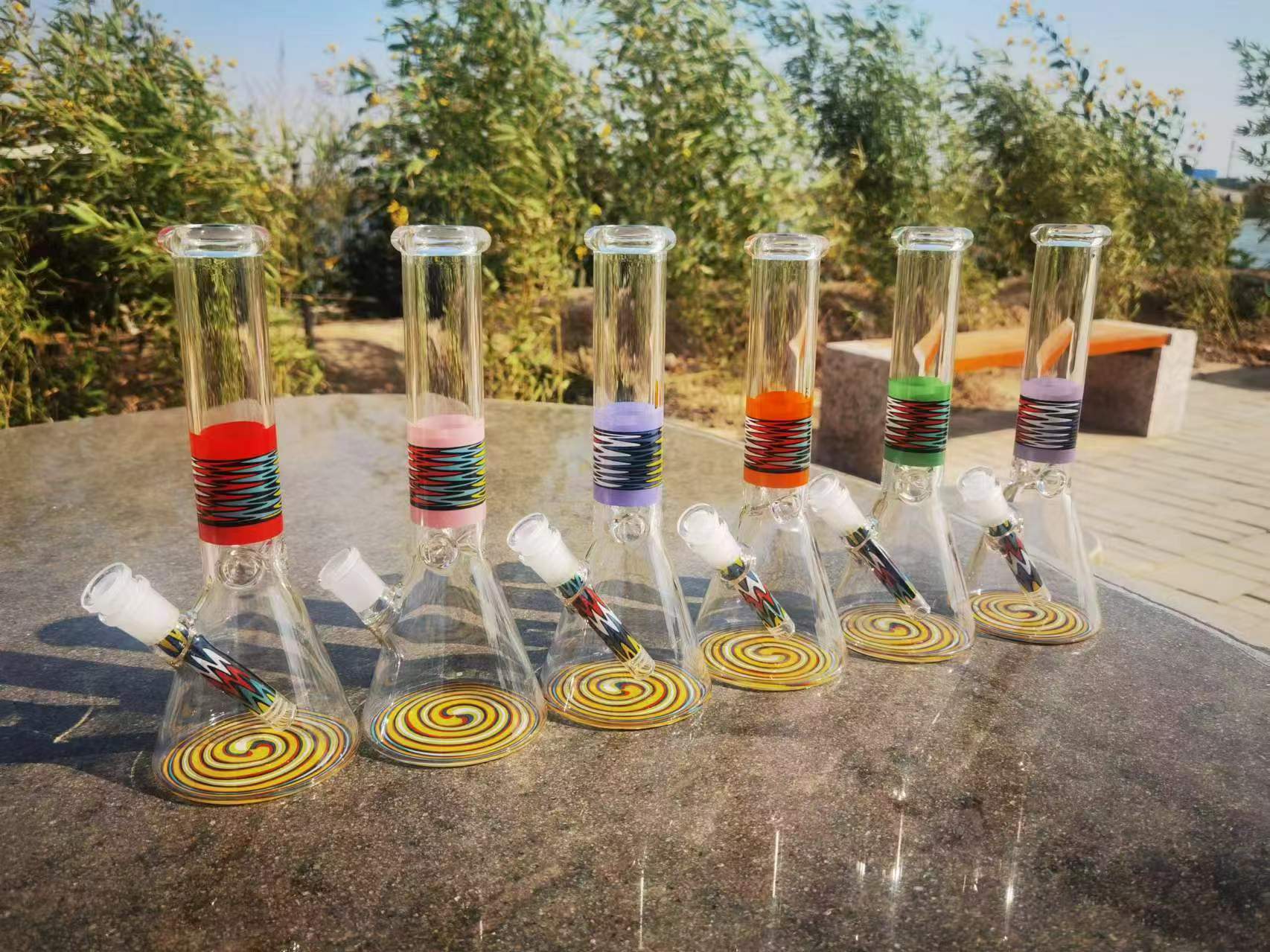
Glass pipe production begins with borosilicate rod or tubing, which is shaped using oxy-gas torches at temperatures between 1,200 and 1,600 degrees Celsius. Each piece is hand-blown or hand-shaped by a skilled worker, then placed in an annealing oven to relieve internal stress. The entire process, from raw rod to finished and annealed piece, can be completed in a single production day for simple designs. Complex pieces with multiple color layers, fuming work, or complex percolators take longer, but the basic workflow remains fast. At Elfglass, sampling runs one to three days and full production orders are completed in seven to twelve days. Our factory in Shenzhen operates across 1,000 square meters with a team of 20, and our monthly output sits at 10,000 pieces. For a deeper look at how different glass types affect the final product, the borosilicate vs soft glass comparison covers the material science in detail.
Ceramic production follows a fundamentally different path. Raw clay is shaped, either by wheel throwing, slip casting into plaster molds, or press molding. The shaped piece must then dry completely, sometimes over several days, before it enters a kiln for a bisque firing at around 900 to 1,000 degrees Celsius. After bisque firing, the piece is glazed and fired again at 1,200 to 1,300 degrees Celsius. This two-fire cycle means ceramic production has a longer built-in timeline. Molds must be created and tested before any production run begins, which adds upfront cost and time that glass does not require.
Wholesale Cost Comparison
Cost is where the comparison gets practical, and where the answer depends heavily on order volume and design complexity.
For simple, single-color hand pipes, glass and ceramic unit costs are closer than most buyers expect. A basic borosilicate glass spoon pipe at MOQ 100 typically lands in a similar wholesale range as a basic glazed ceramic piece. The difference emerges when you factor in tooling. Ceramic requires mold creation for any shape that is not a simple cylinder or bowl, and those mold costs are amortized across the production run. For a first order of 100 units, the mold cost per piece can be significant. Glass has no equivalent tooling expense for hand-blown work, which gives it a structural cost advantage on short runs and sampling.
At higher volumes, ceramic begins to close the gap. Slip-cast ceramic pieces benefit from economies of scale once the mold exists. A production run of 2,000 units in a popular ceramic shape can drive per-unit costs below what hand-blown glass achieves at the same volume, because each ceramic piece requires less individual skilled labor than a hand-blown glass pipe.
For glass, the cost curve moves differently. Hand-blowing labor scales linearly, but the skill premium means that complex designs, color work, and multi-chamber percolators push costs up steeply. Simple glass pieces remain cost-competitive; elaborate glass pieces carry a labor premium that ceramic can undercut on price.
Shipping weight also enters the calculation. Ceramic pieces are heavier, which means higher per-unit freight costs, especially for ocean shipments where dimensional weight matters. Glass is lighter, and the weight savings compound across a container load.
Stock the Glass Pipes Your Customers Actually Buy
Elfglass produces the full wholesale catalog, from hand pipes and sherlocks to dab rigs, percolator bongs, and accessories, in proven best-selling specs. Tell us your market and we will recommend a catalog mix with pricing.
MOQ from 100 pieces | BSCI / WRAP / ISO 9001 | NDA before every project
Customization Potential: Where Each Material Shines
This is the section where the comparison becomes most interesting for brand owners building a product line, because glass and ceramic offer fundamentally different creative toolkits.
Glass wins decisively on transparency and color work. Borosilicate glass can be made fully transparent, semi-transparent, or fully opaque. It accepts a wide range of frit colors, and techniques like silver fuming, gold fuming, and encalming produce effects that ceramic simply cannot replicate. Color-shift effects, reactive strikes, and inside-out color work are all unique to glass. If your brand identity depends on visible depth, luminous color, or the kind of visual complexity that makes a piece photogenic on social media, glass is the material that delivers. You can explore how these effects are achieved in our guide to glass color chemistry.
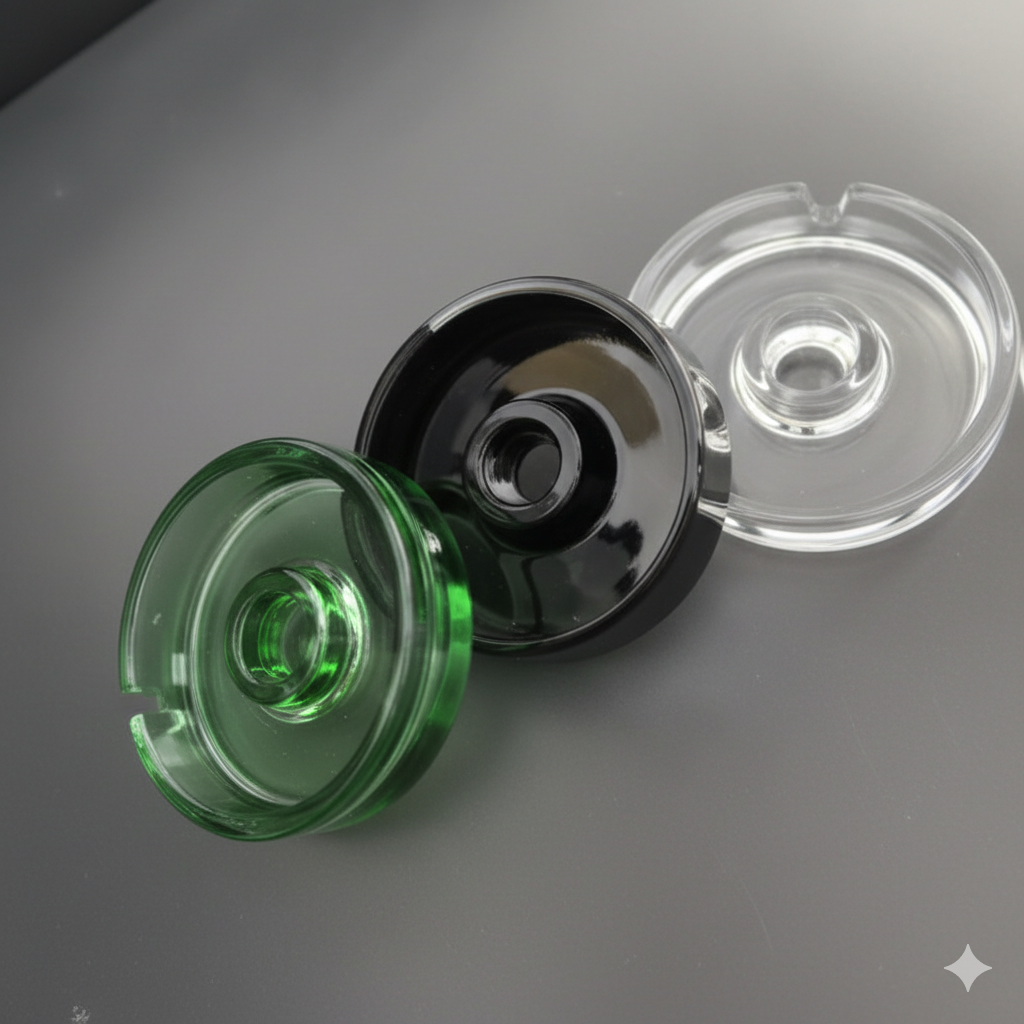
Ceramic wins on shape complexity and surface finish. A ceramic piece can be formed into virtually any shape that a mold can capture, including organic forms, textured surfaces, and detailed sculptural elements that would be extremely difficult or impossible in glass. Glazes offer a range of surface finishes from matte to high-gloss, from satin to crackle, and the color palette for glazes is essentially unlimited. If your design language relies on tactile texture, earthy aesthetics, or sculptural forms, ceramic gives you creative freedom that glass does not.
For buyers browsing our full product catalog, the glass range demonstrates how far material versatility extends within a single factory: hand pipes, water pipes, dab rigs, bowls, slides, and custom accessories, each available in multiple color and finish options. The breadth of SKU coverage that glass allows from one production setup is a significant advantage for brands that want to offer variety without managing multiple supplier relationships.
Market Demand and Retail Trends
Demand patterns for glass and ceramic pieces have shifted over the past several years, and the trend lines tell different stories.
Glass continues to dominate the specialty and premium segments. The best-selling glass hand pipes in 2026 show that consumers in the 25-to-45 age bracket, who drive the majority of specialty retail purchases, consistently prefer glass for its flavor purity and visual appeal. Social media has amplified this preference: glass pieces photograph better, display color more vividly, and create the kind of visual content that drives engagement for both brands and retail shops.
Ceramic, meanwhile, has found strong footing in two specific niches. The first is the cannabis-adjacent lifestyle market, where ceramic pieces positioned as home decor or artisan craft objects command premium prices that have little to do with material cost. The second is the entry-level and souvenir market, where ceramic’s durability and lower perceived fragility make it a practical choice for high-traffic retail environments.
For B2B buyers, the demand signal is clear: glass is the volume material with the higher margin ceiling, while ceramic serves specific aesthetic niches that can complement a glass-heavy catalog but rarely replace it.
Which Material Fits Which Retail Segment
The most useful way to frame this comparison is by retail context. Here is a practical breakdown of where each material earns its place on the shelf.
Specialty head shops and glass galleries should stock glass as the primary material. Customers in these environments are knowledgeable, value flavor purity, and are willing to pay for craftsmanship. The different types of glass pipes available give these retailers a deep catalog to work with, from simple spoons to complex recycler rigs.
Dispensaries in legal cannabis markets benefit from glass as the flagship material, supplemented by ceramic pieces positioned at accessible price points. Dispensary customers often include first-time or casual buyers who may prefer a lower-cost entry point, and ceramic fills that role well.
Gift shops, tourist retail, and lifestyle stores are where ceramic can outperform glass. The durability advantage matters in high-traffic environments, and the sculptural, artisan quality of ceramic pieces aligns with the buying mindset in these settings.
Online DTC brands skew heavily toward glass, because product photography and video content are the primary sales tools, and glass simply looks better on screen. Ceramic can serve as a secondary material for brands that want to offer a tactile, earthy counterpoint to their glass lineup.
The Final Word
Glass and ceramic are not competitors fighting for the same shelf space. They are complementary materials that serve different customer needs, different price points, and different brand aesthetics. Glass leads on flavor purity, visual versatility, production speed, and recyclability. Ceramic leads on shape freedom, surface texture, impact forgiveness, and certain lifestyle positioning opportunities.
The smartest buyers we work with stock both, but they stock them with intention: glass as the core material driving volume and margin, ceramic as a targeted supplement for specific customer segments. If you are evaluating suppliers for either material and want to start with a conversation about capabilities, MOQ flexibility, and sampling timelines, reach out to our team directly. We will tell you honestly whether glass or ceramic is the right call for your specific project.
Frequently Asked Questions
Glass, specifically borosilicate glass, is better for flavor because it is completely non-porous and does not absorb or transfer any taste. Ceramic relies on a glaze seal that can develop micro-cracks over time, potentially trapping residue and affecting flavor after extended use.
It depends on the type of damage. Ceramic is more resistant to small impacts and tends to chip rather than shatter, making it more forgiving in retail environments. However, glass handles thermal shock better, especially borosilicate, which is designed to withstand rapid temperature changes without cracking.
For small orders around 100 units, glass is typically cheaper because it requires no mold tooling. At larger volumes above 1,000 units, slip-cast ceramic can achieve lower per-unit costs. Shipping weight also favors glass, as ceramic pieces are heavier and increase freight expenses.
Yes. Glass can be branded through sandblasting, laser etching, or printed logos. Ceramic can be branded through mold-embossed logos, glaze-applied decals, or underglaze printing. Glass branding tends to look more premium; ceramic branding integrates naturally into the surface texture.
Glass production is generally faster. Sampling takes one to three days and full production runs seven to twelve days. Ceramic production involves a two-fire kiln cycle plus mold creation for non-standard shapes, which typically extends the timeline by several days beyond what glass requires.
About the Author
Ava Zeng is the founder of Elfglass, a Shenzhen-based borosilicate glass pipe manufacturer serving B2B brands worldwide. Every guide on this site is grounded in her production-floor experience— the annealing lines, QC checkpoints, and export orders behind each claim.
Before you commit to a supplier, read her founder’s story and trust promise, and the guide to vetting a reliable glass pipe manufacturer— the same red-flag checklist Elfglass applies to its own suppliers. Material comparisons here reference the property classifications used in ceramic materials science, where firing temperature and glaze composition determine durability.
Ready to Source Custom Glass Pipes?
Get a free quote within 24 hours. MOQ from 100 pieces. NDA-protected design consultation.
