
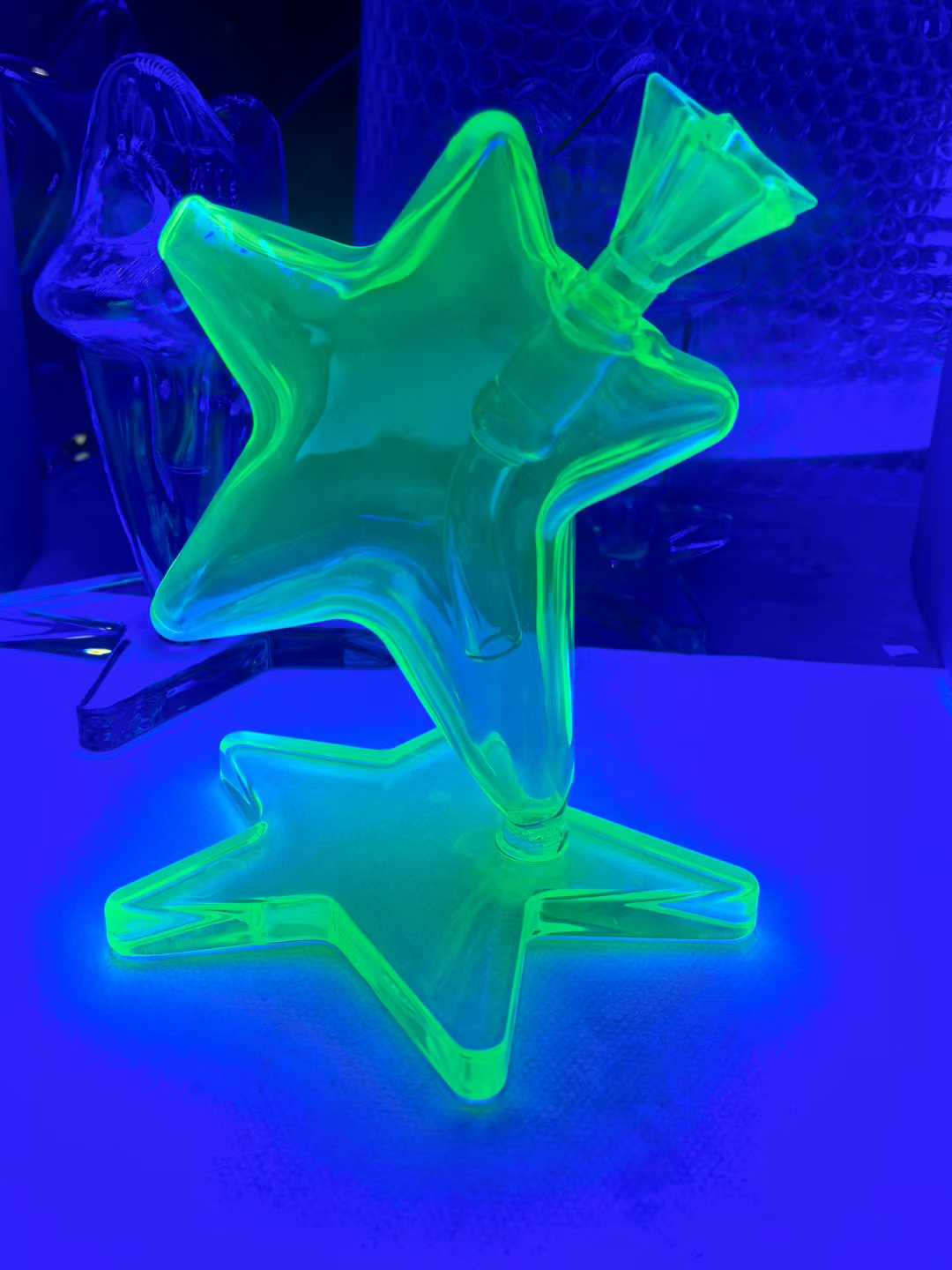
Glow-in-the-dark glass pipes are one of the fastest-moving novelty categories in the wholesale market. Customers who would never buy a second clear bong will happily buy a pipe that glows under UV light or after the lights go out. The problem for buyers is that “glow glass” covers several completely different products, from phosphorescent glass with permanent pigment to cheap coated pipes that lose their effect within weeks. This guide explains how glow glass actually works, which quality factors matter at wholesale scale, and the sourcing terms you can expect from a factory that produces it. Glow effects in glass rely on phosphorescent pigments that absorb light and slowly re-emit it in darkness (phosphorescence reference).
Key Takeaways
- “Glow in the dark” and “glows under UV light” are two different mechanisms — know which one you are buying.
- Pigment mixed into the glass during production is permanent; surface coatings wear off.
- Uranium glass is a legal, low-level UV-reactive category — stock it with accurate labels and it sells itself.
- Wholesale glow glass orders run on the same terms as any custom glass: 100-piece-per-design MOQ, samples first.
Why Glow-in-the-Dark Glass Sells at Retail
Glow glass earns its shelf space through differentiation. A smoke shop that stocks the same clear hand pipes as every competitor down the street competes on price alone. A counter display of UV-reactive bongs or phosphorescent chillums gives customers a reason to stop, pick the piece up, and ask questions. That conversation is where the sale happens.
The buying patterns we see in our factory support this. Retailers order glow glass for four windows: Halloween and costume-season inventory, festival and concert season, collector and novelty shelves that rotate monthly, and late-night counter displays where a glowing pipe is visible from across the room. The pieces are not positioned as daily drivers. They are positioned as fun, giftable, and visually distinct — which is exactly why the margin holds better than commodity clear glass.
Color trends shift year to year, and glow glass follows the same cycle as every other finish in the market. The 2026 color trends rundown on this site covers which directions are gaining shelf share; glow effects ride on top of those colors rather than replacing them.
How Glow-in-the-Dark Glass Actually Works
There are three distinct ways glass can glow, and every product on the market uses one of them. Understanding the difference prevents the most common sourcing mistake: buying a UV-reactive piece and discovering it does not glow in the dark, or vice versa.
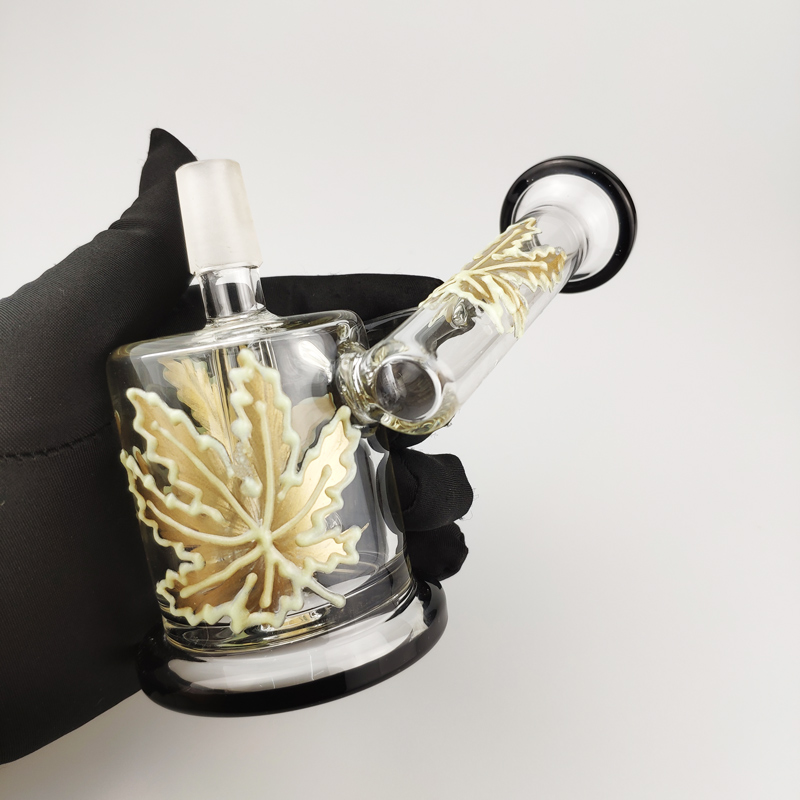
Phosphorescent pigment is the true “glow in the dark” mechanism. Tiny crystals of a photoluminescent material — typically strontium aluminate in modern production — are mixed into the glass batch or applied in a concentrated layer. The crystals absorb light energy and release it slowly, producing an afterglow that continues after the light source is removed. The glow fades over time and can be recharged by any light exposure, which is why the effect is permanent rather than consumable.
UV-reactive glass glows only while under ultraviolet light. It does not store energy and it does not produce afterglow. The classic example is uranium glass, often called Vaseline glass, which fluoresces green under blacklight. Modern UV-reactive glass uses other additives for the same effect. If your customer wants a piece that lights up at a party under a blacklight, UV-reactive is the right product. If they want a pipe that glows on the nightstand after the lights go off, they need phosphorescent. Glow glass pigments operate through photoluminescence, where stored photon energy releases gradually as visible light.
Applied coatings are the third category. A glow paint, decal, or dipped finish sits on the surface of the glass rather than inside it. These are inexpensive to produce and can look striking on the shelf, but they wear with handling, cleaning, and heat. A coated pipe that glows brightly in the showroom can be dull and patchy after limited use. We recommend buyers treat coatings as a lower tier and verify durability in samples before committing to volume.
The chemistry behind color effects is the same discipline that produces every other tinted pipe you stock. Our guide to how glass colors are made walks through the production side of colorants and pigment behavior in detail.
Glow Mechanisms Compared: What to Stock
Each mechanism earns its place in a different part of your inventory. The comparison below is the short version of what we tell buyers who ask us to produce glow lines for them.
| Mechanism | Daylight Look | Under Blacklight | Afterglow | Durability | Best For |
|---|---|---|---|---|---|
| Phosphorescent (in-glass) | Pale tint, often green or aqua | Bright | Yes — rechargeable afterglow | Permanent | Gift and novelty lines |
| UV-reactive glass | Green, yellow, or amber tint | Bright green (uranium) or orange | None | Permanent | Party and event inventory |
| Applied coating | Normal glass finish | Bright when new | Short | Wears off | Promotional low-price items |
Most wholesale buyers carry two of the three tiers: an in-glass phosphorescent line for the gift segment and a UV-reactive line for events and late-night venues. The coated tier is worth stocking only if you are prepared for the return conversations when the glow fades.
Quality Factors That Separate Good Glow Glass from Cheap
Glow glass adds a quality dimension that clear glass does not have: the glow itself. Four factors determine whether your customers are delighted or disappointed.
Pigment load and uniformity. The amount of pigment in the glass determines brightness and afterglow duration. Uniform distribution matters just as much — a piece with streaked pigment glows unevenly, with bright patches and dead zones. When you evaluate samples, charge them under a bright light for the same amount of time, then compare the pieces side by side in a dark room. The differences between suppliers are obvious within seconds.
Glass quality underneath the effect. The glow mechanism does not change the fundamentals of good pipe making. Bubbles, uneven wall thickness, and poor annealing still produce pieces that crack or look cheap, regardless of how well they glow. Every QC checkpoint that applies to clear glass — wall consistency, joint fit, heat resistance — applies to glow glass with the same weight.
Annealing discipline. Pigments and colorants alter how glass responds to temperature. A batch that anneals perfectly clear can develop stress points when pigment is added. Factories that skip or shorten annealing to save time produce glow pipes that fail under thermal cycling. If a supplier cannot explain their annealing process, treat that as a red flag.
Batch consistency. Glow color can vary between production runs. A buyer who reorders the same SKU six months later expects the same tint and the same glow intensity. Ask your factory how they control batch-to-batch consistency before you commit to a product that depends on it.
Inspect Real Production Glass Before You Commit
We ship COE 3.3 borosilicate samples in 1 to 3 days and back every order with a documented QC process and inspection report. Request a sample kit and judge the wall thickness, color, and finish yourself.
MOQ from 100 pieces | BSCI / WRAP / ISO 9001 | NDA before every project
UV-Reactive Glass and Uranium Glass: The Safety Question
Every wholesale buyer who adds UV-reactive glass eventually hears the uranium question, because uranium glass is the most famous UV-reactive glass ever made. The honest answer is straightforward: uranium glass is legal to sell, has been manufactured for over a century, and emits low-level radiation that is a well-documented and accepted part of the collector market. It is classified as radioactive only in the sense that the glass itself contains trace uranium oxides — the same category of material used in decorative glassware for generations.
We are not offering a medical or regulatory opinion here. The practical guidance is this: buy from suppliers who label UV-reactive products accurately, keep any documentation your importer requests, and sell uranium glass as the collectible category it is. Modern UV-reactive glass produced with non-uranium additives avoids the question entirely, and phosphorescent strontium aluminate pigment is not radioactive at all — it stores light energy and releases it, nothing more.
If your market skews toward customers who ask questions, put the answers on the product page before they ask. Accurate, boring labeling sells more than mystery ever did.
Sourcing Glow Glass Wholesale: MOQ, Sampling, and Lead Time
Glow glass is a customization category, which means the commercial terms follow the standard custom-glass framework — the same one behind our wholesale hand pipes program. Here is what a typical wholesale engagement looks like at our factory.
The minimum order quantity is 100 pieces per design or SKU. You can order 100 phosphorescent chillums as one SKU, 100 UV-reactive bongs as another, and so on. The per-design MOQ keeps your initial investment manageable while still giving you factory-direct pricing.
Sampling takes one to three business days. We produce physical samples to your specifications — glow mechanism, color, shape, wall thickness, joint size — so you can evaluate the glow effect before committing to production. Sample cost and shipping terms are quoted on request.
Production lead time is seven to twelve business days for orders of 100 pieces and above. The timeline starts after sample approval and deposit receipt. Non-standard pigment colors can extend the timeline slightly; we communicate that upfront.
Payment terms are T/T with 30 percent deposit at order confirmation and 70 percent balance before shipment. All projects begin with a mutual NDA to protect your designs, branding, and pricing. Our factory holds BSCI, WRAP, and ISO 9001 certifications, which matter for import compliance in the USA, UK, Australia, and Canada.
OEM Glow Glass: Custom Colors and Branding
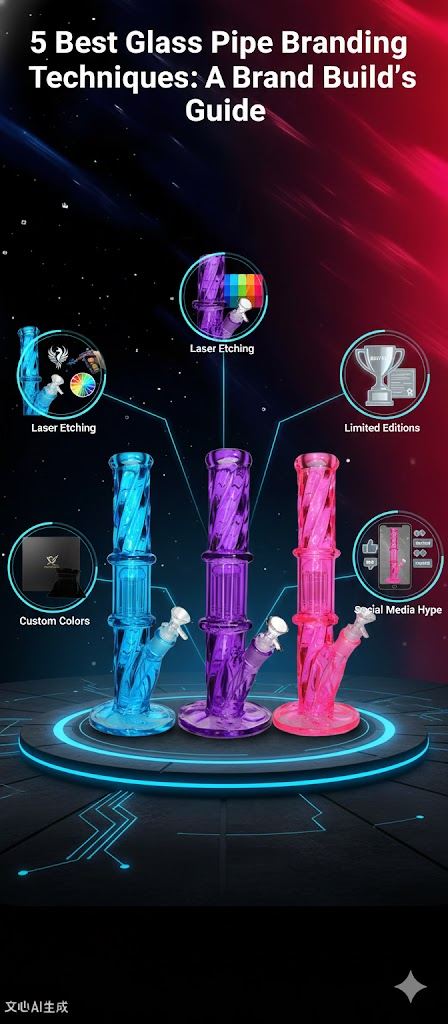
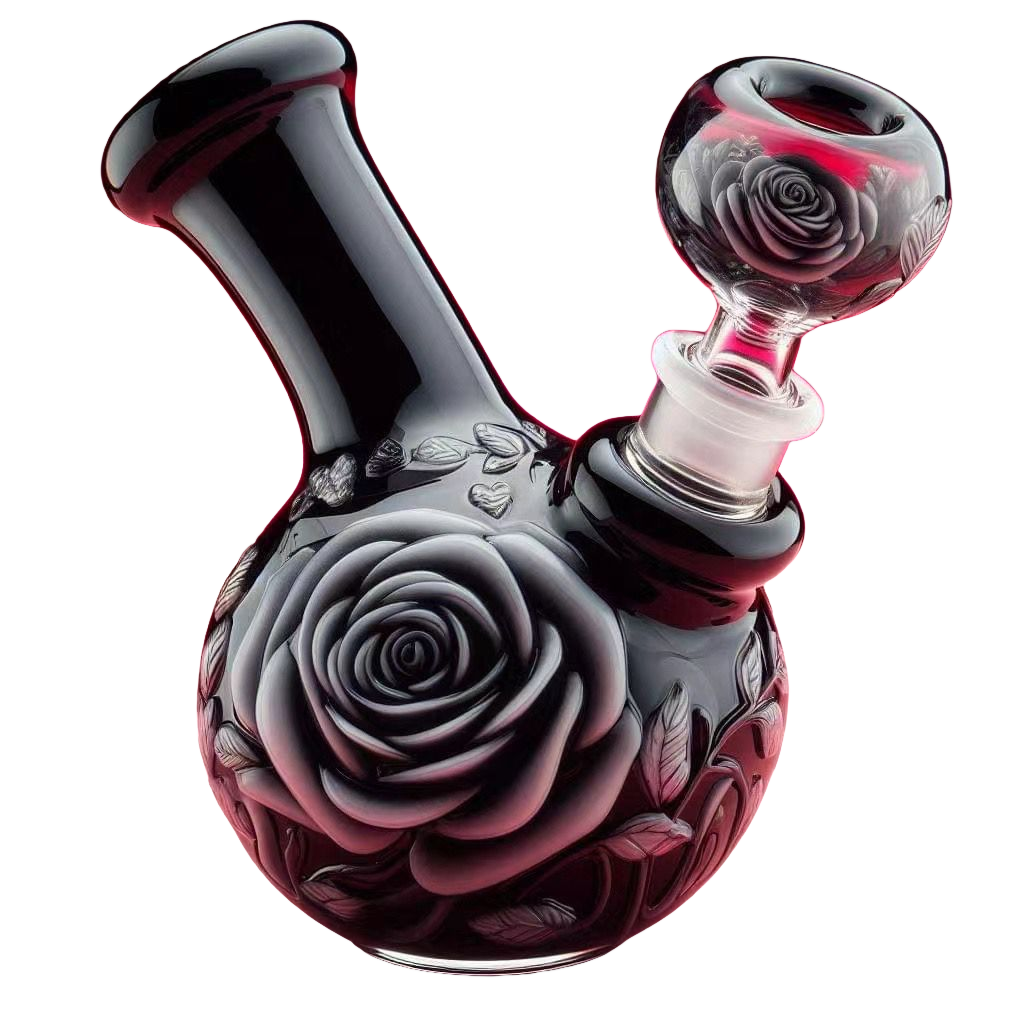
Glow glass is a natural fit for OEM work because the effect itself can be branded. A custom pigment blend in your brand color, a sandblasted logo on a UV-reactive body, or a signature shape exclusive to your store all turn a novelty item into a product only your business carries.
Custom glow colors work like any custom colorant: you specify the target color and glow behavior, and the factory blends pigments to match. Logo work uses the same etching and sandblasting processes as standard branding, and exclusive shapes are protected by custom molds that belong to your project — we do not sell your designs to other buyers.
The OEM process follows our standard production workflow: a design conversation on Day 1, a 3D model on Day 2, physical sampling within the first week, and delivery on Day 15 for standard timelines. The NDA is signed before the first design file is shared, not after.
How to Brief a Glow Glass Order
A good order brief removes every ambiguity before production starts. The six fields below cover the decisions that actually change the product you receive.
Mechanism. State it explicitly: phosphorescent (afterglow required) or UV-reactive (blacklight only). If you need both effects, say so and confirm whether the piece can carry both without compromising either.
Color and glow behavior. Specify the daylight tint, the glow color, and the brightness expectation. For phosphorescent pieces, tell the factory how the product will be charged — under store lighting, display lights, or sunlight — because charging conditions affect perceived performance.
Function specs. Joint size and joint type for bongs, wall thickness, overall dimensions, and any function requirements such as percolator type. Glow effects do not excuse deviations from these specs.
Quantity per SKU. 100 pieces per design minimum. If you are planning a multi-color line, each color that changes the pigment blend is its own SKU.
Packaging. Glow products benefit from packaging that shows the effect — a window or a note explaining how the glow works. Custom packaging is available under the same MOQ structure.
Timeline. Confirm sampling and production dates against your launch calendar. Festival and Halloween lines need lead time built in, not squeezed in.
If your brief is complete, the quote follows quickly — our team responds within 12 hours through the contact page, and the first sample lands in one to three business days.
Common Mistakes Wholesale Buyers Make
Three mistakes generate most of the dissatisfaction in this category, and all three are avoidable at the sourcing stage.
Buying coated pipes as a permanent product. If the glow is painted on, it wears off. There is nothing wrong with a promotional coating priced accordingly, but a buyer who stocks coated pieces at premium prices is building a returns problem.
Confusing UV-reactive with afterglow. A piece that glows beautifully under blacklight does not glow in the dark. If your product page says “glow in the dark” and the product only reacts to UV, customer trust takes the hit. The mechanism must be described accurately in your listings because it is described accurately in your order.
Skipping samples. Glow intensity is impossible to judge from photos. A video shot under a strong UV light makes every product look identical. Physical samples, charged under controlled conditions and compared side by side, are the only reliable evaluation. At wholesale volume, the sample cost is trivial next to the cost of a rejected container.
For buyers building out their full pipe assortment, the same sourcing logic applies to every category you stock. The guide to black and matte finishes covers the other high-differentiation finish that pairs well with glow lines on the same counter.
Frequently Asked Questions
Does glow in the dark glass fade over time?
In-glass phosphorescent pigment does not fade — it recharges every time it is exposed to light. Surface coatings, however, wear off with handling, cleaning, and heat, which is why the mechanism matters more than the marketing label.
Is glow in the dark glass safe to use?
Modern phosphorescent glass uses strontium aluminate pigment, which stores light energy and is not radioactive. Uranium glass, the historical UV-reactive category, is legal to sell and carries low-level radiation that has been an accepted part of the collector market for over a century.
What is the difference between glow in the dark glass and UV-reactive glass?
Glow-in-the-dark glass uses phosphorescent pigment that stores light and releases it as afterglow. UV-reactive glass glows only while under blacklight or UV light and produces no afterglow. The two are different products with different uses.
How long does glow in the dark glass stay lit?
Afterglow duration depends on the pigment type, the pigment load, and how the piece was charged. Higher-quality strontium aluminate pieces hold a visible glow for an extended period after bright charging; cheaper or coated products fade much faster.
Can I order glow glass with my own logo and custom colors?
Yes. OEM glow glass supports custom pigment blends, sandblasted or etched logos, and exclusive shapes protected by custom molds, under the standard 100-piece-per-design minimum order quantity.
About the Author
Ava Zeng is the founder of Elfglass, a Shenzhen-based borosilicate glass pipe manufacturer serving B2B brands worldwide. Every guide on this site is grounded in her production-floor experience— the annealing lines, QC checkpoints, and export orders behind each claim.
Before you commit to a supplier, read her founder’s story and trust promise, and the guide to vetting a reliable glass pipe manufacturer— the same red-flag checklist Elfglass applies to its own suppliers.
Ready to Source Custom Glass Pipes?
Get a free quote within 24 hours. MOQ from 100 pieces. NDA-protected design consultation.
