
Most first-time importers assume a glass pipe is a regulatory gray zone — a novelty item that either slips through or gets waved down at the border on luck. That assumption is expensive. A single glass pipe shipped into California sits inside three separate legal frameworks at once, each enforced by a different authority, each with a different penalty. Get the classification wrong and customs seizes the container. Miss a chemical warning and a Proposition 65 demand letter arrives. Ignore the age rule and the retail listing comes down.
None of this makes California a bad market — it is one of the largest in the world for glass. It makes California a market where the paperwork and the positioning matter as much as the product. This guide maps the three layers plainly, so an importer or brand owner knows exactly what to check before the goods sail. We ship into the US every week from Elfglass, and this is the framework we brief buyers on.
One note before the detail: this is a practical orientation, not legal advice. Classification under these rules is fact-specific, and a compliance attorney or licensed customs broker should confirm your specific products. For the broader state-by-state picture, our US state-level paraphernalia rules guide is the companion piece to this one.
California glass pipe rules rest on three layers: the federal drug-paraphernalia statute 21 U.S.C. 863, which lists pipes and bongs but exempts items intended for tobacco; California Proposition 65, which requires warnings for listed chemicals; and federal Tobacco 21, which sets the minimum purchase age at 21. Market for tobacco use, test and warn on chemicals, and enforce age at retail.
Key Takeaways
- Three frameworks apply at once: federal paraphernalia law, Prop 65, and Tobacco 21.
- 21 U.S.C. 863 turns on intent — ordinary tobacco pipes are exempt; drug-intended items are not.
- Proposition 65 warnings can be triggered by lead or cadmium in glass or decoration.
- Minimum purchase age is 21 federally, with no exemptions; retail tobacco needs a license.
- Classification, labeling, and marketing decide your legal position more than the glass itself.
Table of Contents
The Three Layers That Apply at Once
It helps to see the whole picture before the parts. A glass pipe entering California is subject to federal criminal law on drug paraphernalia, a California chemical-safety law, and a federal age restriction — and, at the point of retail sale, a state and local licensing regime. These do not replace one another; they stack. A product can clear one and fail another.
| Layer | Authority | What It Governs | Typical Penalty |
|---|---|---|---|
| Drug paraphernalia (21 U.S.C. 863) | Federal / DOJ | Sale, transport, import of drug-intended items | Seizure, fines, imprisonment |
| Proposition 65 | California OEHHA | Warnings for listed chemicals | Civil penalties, private suits |
| Tobacco 21 | Federal / FDA | Minimum purchase age of 21 | Fines, enforcement action |
| Retail licensing | California + local | License to sell tobacco products | License denial, fines |
The good news is that a well-run importer controls most of this through decisions made long before shipping: how the product is designed, how it is described, what it is made of, and who it is sold to. Let us take each layer in turn.
The Federal Paraphernalia Line: 21 U.S.C. 863
The single most important rule for glass pipes is federal, not Californian. 21 U.S.C. § 863 makes it unlawful to sell, offer for sale, transport through the mail or interstate commerce, or import or export drug paraphernalia. The statute explicitly names pipes, water pipes, and bongs among the items it can cover — which is why this law, not any state rule, is the one importers most need to understand.
But the statute does not ban pipes. It bans items “primarily intended or designed for use” with a controlled substance, and it exempts items traditionally intended for use with tobacco. That distinction — intent — is the whole ballgame. The law directs that intent be judged from factors including the product’s design, any instructions or descriptive material that accompanies it, how it is displayed alongside other items, and the manufacturer’s and seller’s stated purpose.
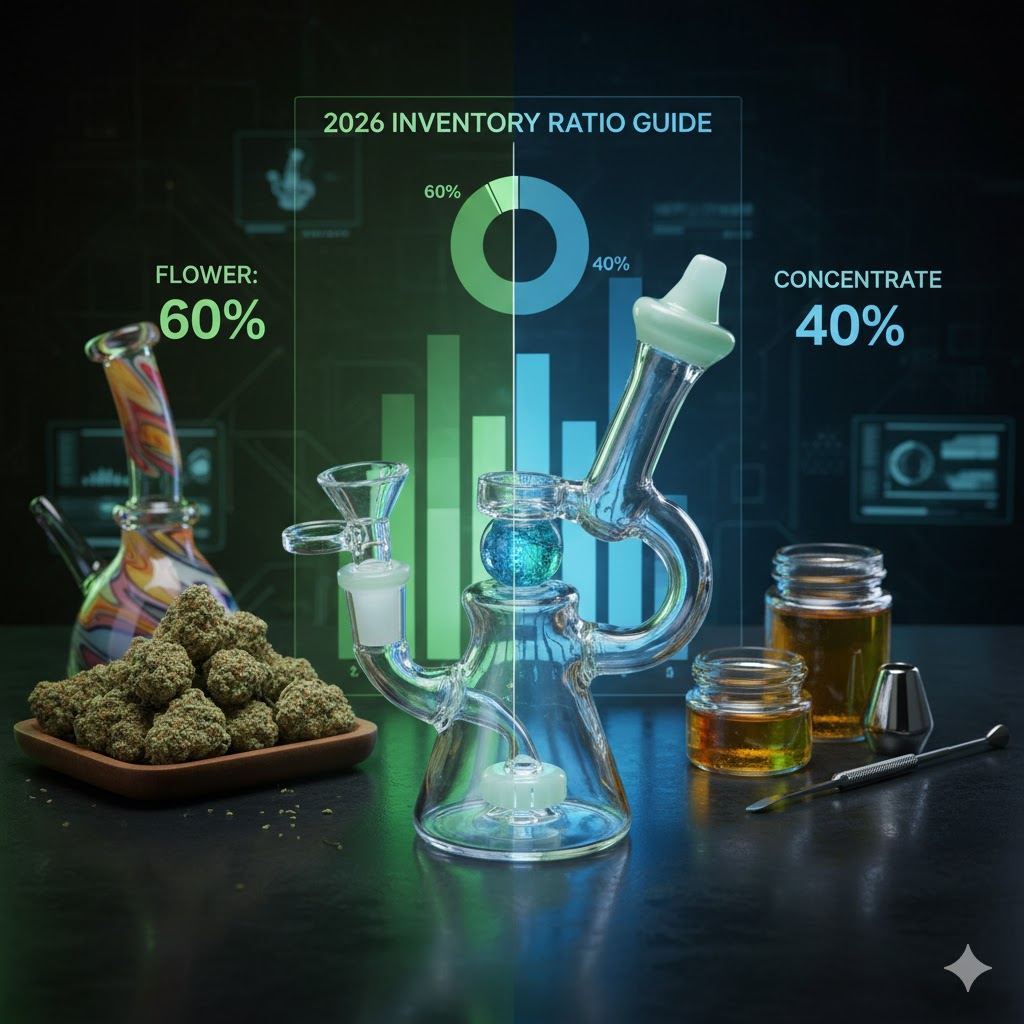
In practice, this means two physically similar pipes can sit on opposite sides of the line. One sold and described as a tobacco pipe, in a tobacco retail context, is treated as an exempt tobacco item. The same piece marketed with drug-culture imagery or described for use with a controlled substance crosses into paraphernalia. Positioning is not a marketing afterthought here; it is a legal control. This is the exact nuance our certifications glossary flags when it defines paraphernalia for buyers.
Need Products Documented for US Compliance?
Elfglass supplies material documentation, tobacco-intended product specs, and certifications that support your US classification and Prop 65 testing. Send your product list and get a quote with the compliance paperwork outlined within 12 hours.
MOQ from 100 pieces | BSCI / WRAP / ISO 9001 | NDA before every project
Proposition 65: The Chemical Warning Duty
The California-specific layer is chemical safety. Proposition 65 — formally the Safe Drinking Water and Toxic Enforcement Act of 1986 — requires businesses to provide a clear warning when a product exposes people to a chemical on the state’s published list, which runs to hundreds of substances known to cause cancer or reproductive harm.
Glass itself is often inert, but two things pull pipes into Prop 65 scope. Decorative glass, colored frits, metallic paints, and some ceramic or glass components can contain lead or cadmium, both listed substances. And residues or coatings applied during manufacturing can introduce others. If a listed chemical is present above the safe-harbor level, the product needs the Prop 65 warning — the recognizable triangular yellow sign or its short-form equivalent.
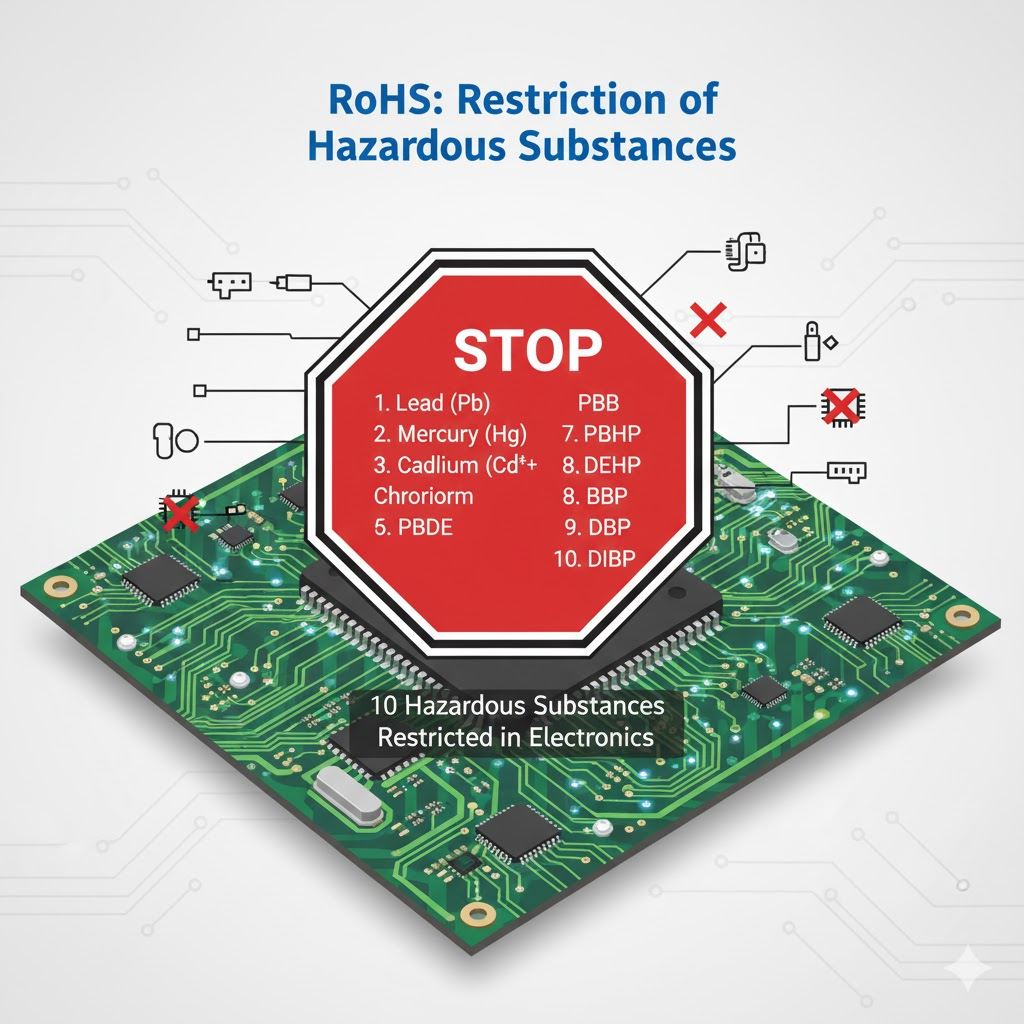
What makes Prop 65 unusually sharp is enforcement. Alongside state action, the law allows private plaintiffs — including attorneys who scan for missing warnings — to serve 60-day notices and pursue civil penalties per product per day. That bounty-hunter mechanism is why Prop 65 generates far more settlement activity than its penalty amounts alone suggest. The practical defense is testing: know your materials, get lab results for lead and cadmium, and warn where required. Importers already managing EU chemical rules will recognize the discipline; our REACH compliance guide shows how the European chemical regime compares.
Age 21 and Retail Licensing
The third layer is who may buy. Under federal Tobacco 21, the minimum age to purchase tobacco products rose from 18 to 21 effective December 20, 2019, and the rule applies to retailers in every state, California included, with no exemptions. It reaches any tobacco product, which covers pipe tobacco and hookah alongside cigarettes and vapes.
Glass pipes are accessories rather than tobacco products in themselves, but the age rule shapes how and where they are sold in practice, and many California localities apply age verification to smoking accessories as well. On the retail side, selling tobacco products in California requires a tobacco retail license issued by the state, and most cities and counties layer on their own local license. A smoke shop that wants to carry your glass alongside pipe tobacco needs both, and must enforce 21+ at the register.
For an importer or brand, this is mostly your retail partner’s burden — but it affects you two ways. Your products need to fit cleanly into a licensed tobacco retail environment, and your marketing should not encourage sale to anyone under 21. Understanding the market you are selling into is half the battle; our US wholesale market trends guide covers the demand side.
The Import and Border Layer
Everything above converges at the border, because 21 U.S.C. 863 does not only ban selling paraphernalia — it bans importing and exporting it. A shipment is assessed on entry, and Customs and Border Protection looks at what the goods are and how they are described. This is where careful classification and honest paperwork earn their keep.
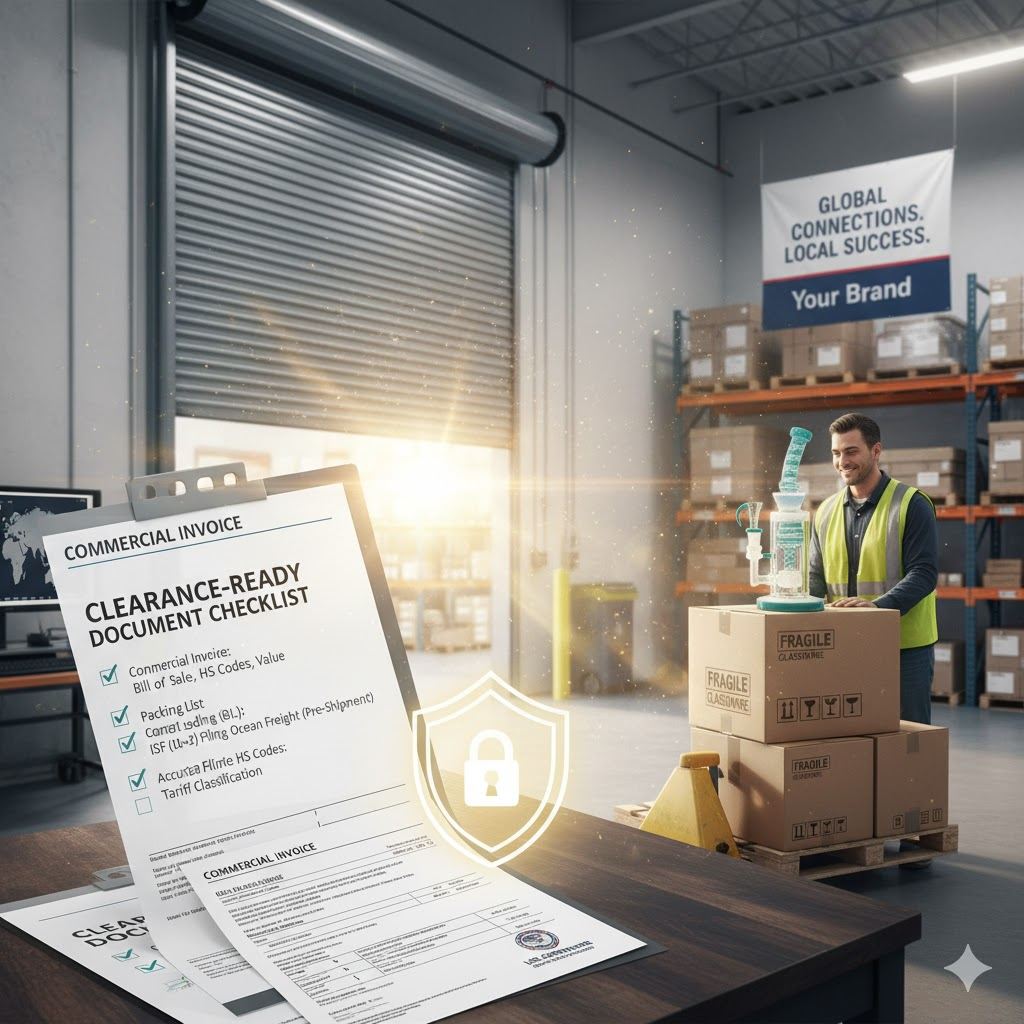
Three things keep a glass pipe shipment moving. First, an accurate commercial invoice that describes the goods truthfully and consistently with how they are positioned — tobacco pipes, glass water pipes for tobacco use. Second, a correct HTS classification, which a licensed customs broker determines. Third, material documentation that lets you answer a Prop 65 question fast if one arises. The US import and customs guide walks the border mechanics, and the general how to import glass pipes guide covers the full process end to end.
The California Cannabis Nuance
California complicates the picture in one specific way. The state legalized adult-use cannabis for adults 21 and over in 2016, and a large licensed retail market sells cannabis and cannabis accessories legally under state law. That means plenty of glass moves through licensed dispensaries and retailers as cannabis accessories — lawful at the state level.
Here is the tension an importer must hold in mind: cannabis remains a controlled substance under federal law, so the federal paraphernalia statute still exists on the books even where state law permits the activity. In practice, state-licensed cannabis retail operates under its own regulatory system, and the federal-state gap is managed by the licensing regime rather than resolved. The honest advice for a supplier is to know which channel your product is going into — general tobacco retail or state-licensed cannabis retail — because the compliance expectations and the paperwork differ. When in doubt, that is a question for counsel, not for a supplier blog.
A Practical Compliance Checklist
Pulled together, the California obligation for a glass pipe importer or brand is a short, controllable list. None of it is mysterious; all of it is easier to do before a container ships than to fix after it is held at the port.
Your compliance checklist:
| Layer | Action Before You Ship |
|---|---|
| Paraphernalia (863) | Position and describe the product for tobacco/legal use; keep marketing consistent |
| Proposition 65 | Lab-test glass and decoration for lead and cadmium; add warnings where required |
| Age 21 | Confirm retail partners enforce 21+; do not market to minors |
| Licensing | Sell into licensed tobacco or state-licensed cannabis retailers |
| Border | Accurate commercial invoice, correct HTS via a broker, material docs on hand |
Conclusion
California glass pipe regulations are three stacked layers — federal paraphernalia law that turns on intent, Proposition 65 that turns on materials, and Tobacco 21 plus retail licensing that turns on the buyer. None of them bans glass pipes; together they require that you position the product honestly, know what it is made of, and sell it into the right licensed channel. Handle those three and California is an open, high-volume market rather than a risk.
Building a product line for the California market? Request a quote with your product list, and we will supply the material documentation and tobacco-intended specifications that support your classification and Prop 65 testing — within 12 hours, with samples in 1 to 3 days.
Are glass pipes legal to sell in California?
Yes, when they are marketed and intended for tobacco or legal use. The federal drug-paraphernalia law turns on intent: an ordinary tobacco pipe is exempt, while a pipe primarily intended for a controlled substance is not. How a product is designed, labeled, and advertised largely decides which side of that line it falls on.
What makes a glass pipe drug paraphernalia versus a tobacco pipe?
Under 21 U.S.C. 863 the test is whether the item is primarily intended or designed for use with a controlled substance. Authorities weigh the product design, the marketing and descriptive material, and how it is displayed. The same physical pipe can be treated differently depending on the intent surrounding it.
Does Proposition 65 apply to glass pipes?
It can. Proposition 65 requires a warning when a product exposes people to a chemical on California’s list, and glass or decorative components can contain listed substances such as lead or cadmium. Prop 65 is enforced through civil penalties and private lawsuits, so importers should test materials and warn where required.
Do I need a license to sell glass pipes in California?
Retailers selling tobacco products must hold a tobacco retail license, and California plus most local jurisdictions require one. Age verification is federal too: Tobacco 21 sets the minimum purchase age at 21 with no exemptions. Check the specific city and county rules where you sell.
Can I import glass pipes into California?
Yes, but the federal ban on importing drug paraphernalia applies at the border, so classification and paperwork matter. Accurate commercial invoices, correct HTS codes, and tobacco-intended positioning help keep a shipment moving. Work with a customs broker and confirm materials for Prop 65 before you ship.
Ready to Start Your Custom Glass Pipe Project?
Get a free quote within 24 hours. MOQ from 100 pieces. NDA-protected design consultation.
