

Customs clearance and payment are two separate risk points in an import; for the money side, see our guide to glass pipe supplier payment terms and how to structure T/T or L/C safely.
Containers of glass pipes clear United States customs every week without incident. Occasionally, one does not. The difference almost never comes down to luck, and importing glass pipes into the USA is not the regulatory mystery many first-time buyers assume it is. It is a defined process governed by a legal framework that is widely misunderstood, even by people already selling these products on their shelves.
For other major markets, see our Australia compliance checklist, our UK retailer import guide, and our Canada retailer compliance guide.
Here is the part that surprises most importers. The regulation they spend their energy worrying about, the PACT Act, generally does not apply to glass pipes at all. The federal statute that actually governs the import decision is older, quieter, and considerably more forgiving than its reputation, provided your products are positioned the way the statute expects. This guide maps the terrain that actually matters: federal law, customs mechanics, tariff classification, export documentation, and the shipping decisions that determine whether your glass arrives whole.
The perspective here comes from the factory side of the table. Elfglass has manufactured glass water pipes, hand pipes, and dab rigs 鈥?including innovative silicone-glass hybrid pieces 鈥?for export since 2010, so the paperwork details in this article reflect how real export orders are documented, not how they are described on secondhand blogs. Nothing below replaces advice from your customs broker or attorney, and where verification is your responsibility, the article says so plainly.
Key Takeaways
- Glass pipes are lawful to import into the USA when positioned for tobacco use. 21 U.S.C. §863(f) expressly exempts items traditionally intended for use with tobacco products, including any pipe, paper, or accessory.
- The PACT Act covers cigarettes, smokeless tobacco, and, since 2021, electronic nicotine delivery systems (ENDS). Non-electronic glass pipes generally sit outside that definition.
- Your biggest cost risk is classification. Heading 9614 (smoking pipes) and Chapter 70 (articles of glass) carry different duty treatment, and a CBP binding ruling settles the question before you commit a large order.
- Ocean shipments require an Importer Security Filing (ISF, the “10+2”) before cargo is laden at the foreign port, so your broker needs supplier data early.
- A compliant export file rests on four documents: commercial invoice, packing list, bill of lading or air waybill, and certificate of origin.
- Verify current duty rates against your exact HTS number before signing the purchase order. Section 301 exposure on China-origin goods has shifted repeatedly in recent years.
Contents
- Is It Legal to Import Glass Pipes
- What the PACT Act Actually Covers
- Customs Essentials When Glass Pipes Enter
- HS Classification Deserves a Binding Ruling
- Paperwork Your Supplier Must Prepare
- Shipping Methods and Packing for Glass
- First Order Compliance Checklist for Importers
- Importing Glass Pipes Questions Answered
Is It Legal to Import Glass Pipes
The Short Answer
Yes. Glass pipes are lawful commercial articles in the United States when they are what the trade calls tobacco-use items, and the federal framework around them is more permissive than smoke shop owners typically expect. The governing statute is 21 U.S.C. §863, which prohibits importing, exporting, selling, or transporting drug paraphernalia through channels of interstate commerce. That sounds alarming until you read the exemption sitting inside it.
Section 863(f) excludes any item that, in the normal lawful course of business, is traditionally intended for use with tobacco products, including any pipe, paper, or accessory. A glass water pipe sold through ordinary wholesale and retail channels lands squarely within that exclusion. The statute defines paraphernalia by primary intent and design for use with a controlled substance, and ordinary glassware marketed for tobacco never crosses that line on its own.
Federal Law Versus State Rules
The federal layer is consistent nationwide, but it is not the only layer. State and local paraphernalia statutes vary, and jurisdictions differ on which product styles, marketing language, or retail locations they restrict. Before your first shipment, verify the rules in the states where you will sell and where the goods will land — our breakdown of state-level paraphernalia regulations maps the restrictions that matter most for glass retailers. A customs broker who handles this category regularly is a practical source, and so is a retail trade association in your state. Demand shifts across borders just as much as rules do: our UK market trends report for 2026 shows how differently British headshops stock their shelves.
One more thing is worth understanding because it shapes every document in your file. Section 863 lists factors for deciding whether an item is paraphernalia: advertising, descriptive materials, accompanying instructions, display for sale, sales ratios, and legitimate community uses among them. Your commercial invoice, product listings, and packaging copy all feed that analysis. Consistent tobacco-use positioning across all of them is not marketing polish. It is the compliance posture working as designed.
The most common self-inflicted wound in this category is marketing copy that advertises use with controlled substances. It converts an otherwise exempt product into evidence, and it is entirely avoidable.
What the PACT Act Actually Covers
Cigarettes, Smokeless Tobacco, and ENDS
The PACT Act (Prevent All Cigarette Trafficking Act) amended the Jenkins Act, the long-standing federal statute governing remote sales of cigarettes. In its original form it imposed registration, reporting, age-verification, and carrier-related obligations on remote sellers of cigarettes and smokeless tobacco, and it did not originally cover other tobacco products. That scope is worth memorizing because so much industry advice ignores it.
The scope widened in 2021. Congress enacted the Preventing Online Sales of E-Cigarettes to Children Act, which barred the remote sale of most ENDS, short for electronic nicotine delivery systems, by treating them as cigarettes under the Jenkins Act framework. USPS subsequently extended its mailing restrictions to cover ENDS. For online sellers of vaping products, the obligations became substantial: federal and state registration, reporting to tax administrators, age verification, and use of private carriers with adult signature programs.
Where Glass Pipes Stand
ENDS, by definition, are battery-operated electronic devices that heat a liquid into an inhalable aerosol: e-cigarettes, vape pens, e-hookahs, e-cigars. A glass water pipe has no battery, no heating element, and no electronics. It is hand-blown glass, full stop. Plain glass water pipes, hand pipes, and dab rigs sit outside the ENDS definition and outside the PACT Act’s operative scope as it is written. The table below lays out the boundary.
| Product Category | PACT Act Scope | Why |
|---|---|---|
| Cigarettes | Covered since enactment | Original Jenkins Act scope |
| Smokeless tobacco | Covered since enactment | Original Jenkins Act scope |
| ENDS (vapes, e-cigs) | Covered since 2021 | Treated as cigarettes by amendment |
| Non-electronic glass pipes | Generally outside scope | No electronics; not ENDS |
Where Importers Still Get Caught
The boundary leaks in one predictable place: mixed orders. Add e-rigs, vape batteries, atomizers, or cartridge hardware to a glass purchase and the ENDS obligations attach to those SKUs, with carrier restrictions on top. Keep glass and electronics in separate procurement streams unless you are prepared to run PACT Act compliance on the electronic portion.
A second trap is carrier policy. Private carriers maintain shipping rules for this category that can run stricter than statute, and their terms change. Describe your products accurately on every waybill, and confirm acceptability with your forwarder before booking, not after the freight is at the airport. This article covers import essentials; a deeper explanation of the PACT Act for glass wholesalers is planned as a follow-up piece on this site.
Customs Essentials When Glass Pipes Enter
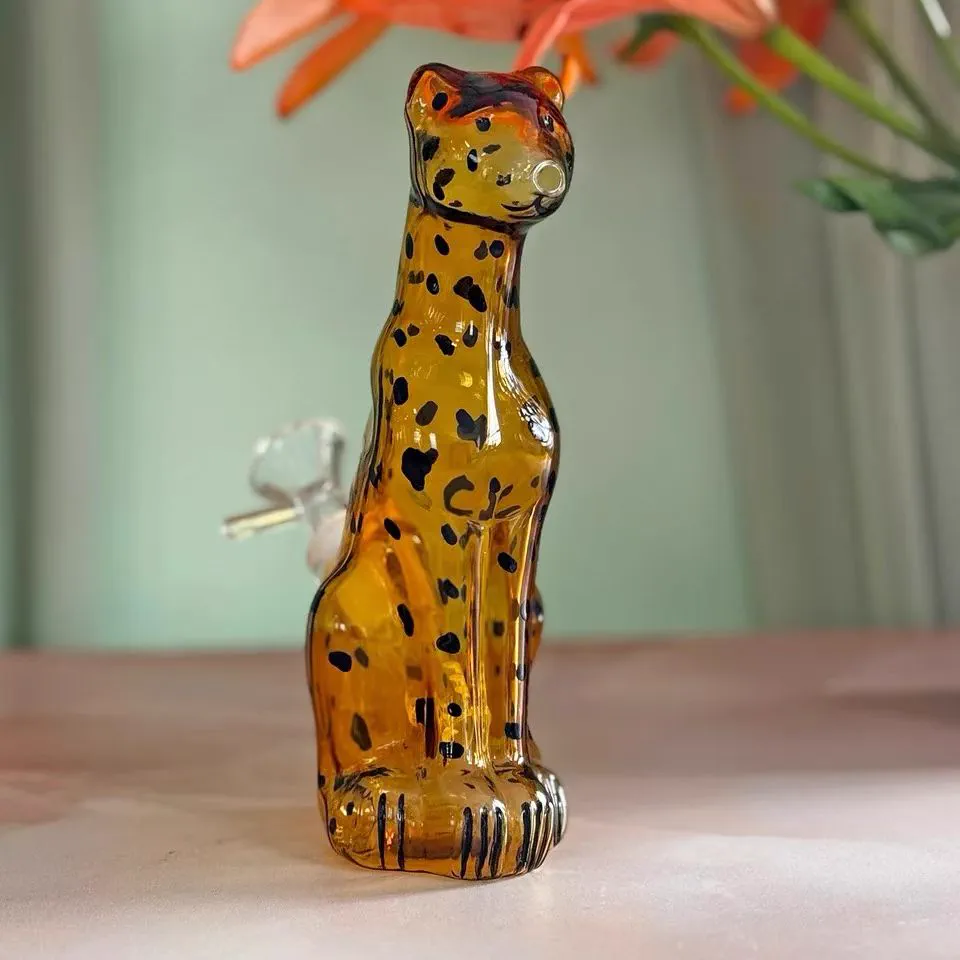
Glass pipes enter the US as ordinary commercial cargo when the paperwork is complete and accurate.
Entry Mechanics
Unless you clear freight for a living, hire a licensed customs broker for your first orders. The broker files the entry and entry summary with CBP on your behalf, calculates duties, and flags problems before they become port holds. The fee is small relative to the cost of a misfiled entry, and a broker who has cleared glassware before will recognize the category immediately. Entry requirements differ between informal and formal processing depending on the value and nature of the shipment; your broker will tell you which applies so you know exactly what documentation is expected.
The Documents CBP Expects
Four documents form the core of every import file. The commercial invoice states what the goods are, what they cost, and who sold them. The packing list breaks the shipment down carton by carton. The bill of lading or air waybill is the transport contract and receipt. The certificate of origin supports how the goods are treated for duty purposes. For anything arriving by vessel, add the Importer Security Filing, the “10+2,” which must be submitted before cargo is laden aboard the ship at the foreign port. That deadline is why your broker needs supplier-side data before the goods ship, not after.
Duties Are Classification Driven
Duty rates attach to HTS numbers, not to product names, which is why classification deserves its own section below. China-origin goods can carry a Section 301 tariff layer on top of the general rate, and that layer has changed multiple times in recent years. Before you sign a purchase order, have your broker confirm the current combined rate against the exact HTS number your product will use. Quoting duty costs from memory is how landed-cost surprises happen, and the fix costs nothing but one email.
HS Classification Deserves a Binding Ruling
Two Candidate Headings
Glass smoking pipes sit at a genuine classification fork. Heading 9614 covers smoking pipes, including pipe bowls, cigar and cigarette holders, and parts thereof. Chapter 70 covers articles of glass. Depending on material, form, and principal use, a given SKU can plausibly be argued into either neighborhood, and the duty consequences are different for each. This is not a corner case. It is the normal state of affairs for this product category, and it is exactly the kind of question the binding ruling process exists to resolve.
| Candidate | Covers | Consideration |
|---|---|---|
| Heading 9614 | Smoking pipes, pipe bowls, parts | Classified by function as pipes |
| Chapter 70 | Articles of glass | Classified by material |
Why It Pays to Get It in Writing
A CBP binding ruling is a written determination on classification that you can rely on, and it costs nothing to request. Your broker submits the application with product details, and CBP answers how the goods will be classified. For your first glass SKU ordered in quantity, request one before production starts. The ruling converts a judgment call into a documented position, which changes how confidently you can price landed cost and how cleanly an examination goes if your shipment is selected.
What Misclassification Costs
Get the classification wrong and the correction arrives after the goods have landed: back-duties with interest, potential penalties, and port holds while the record is sorted out. An examination triggered by a questionable description adds exam fees and delays on top. The cheapest classification is the correct one, agreed in writing, before the vessel sails. No buyer has ever regretted a binding ruling; plenty have regretted the opposite.
Ready to price your first compliant order?
Tell us your product mix and destination port. Elfglass quotes FOB with export documentation prepared for US entry, so your broker has a clean file from day one.
MOQ 100 pcs per SKU | Samples in 1-3 days | BSCI, WRAP, ISO 9001 audited
Ship-Ready Compliance Documentation
Elfglass supplies the material declarations, certifications, and export paperwork your customs broker needs for the US, UK, EU, Canada, and Australia. Ask us which documents accompany your order before you buy.
MOQ from 100 pieces | BSCI / WRAP / ISO 9001 | NDA before every project
Paperwork Your Supplier Must Prepare
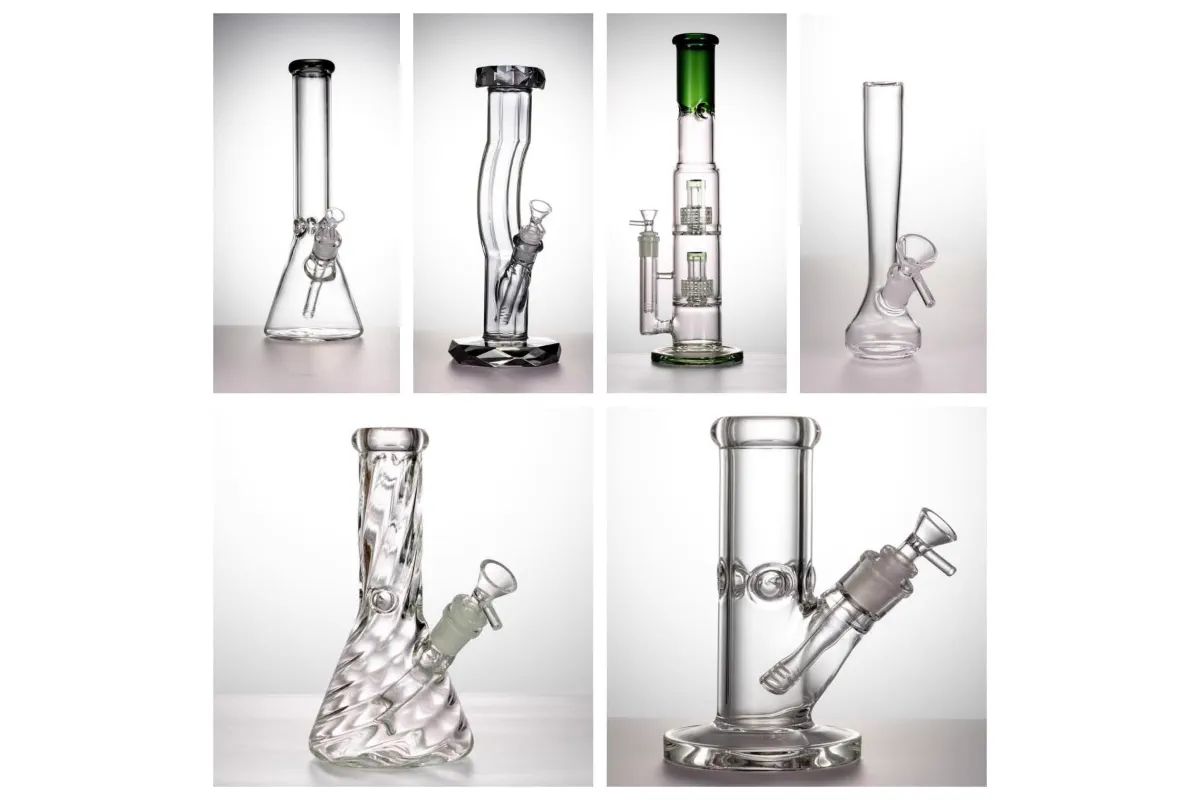
A clean export file starts on the factory floor, before the goods leave the building.
The Commercial Invoice Done Properly
The product description on your commercial invoice matters more than most buyers realize. Write it precisely: “glass water pipe for tobacco use” beats “glass gift item” every time, and not for aesthetic reasons. Vague or euphemistic descriptions invite exactly the questions you do not want, from classification disputes to paraphernalia scrutiny. Accurate descriptions also protect you: a clear tobacco-pipe description on the invoice is your §863(f) exemption, documented at the border.
Packing List and Certificate of Origin
The packing list should itemize carton counts, weights, and dimensions so your broker can complete entry paperwork without emailing the factory mid-clearance. The certificate of origin supports the duty treatment your goods receive. Neither document is difficult to produce, and both reveal a supplier’s export experience quickly: a factory that ships regularly has templates and turnaround measured in hours, not days.
Credibility Documents Worth Asking For
Ask any prospective supplier for their factory audit reports and quality management certification. BSCI and WRAP audits cover social compliance; ISO 9001 covers quality systems. Elfglass maintains all three, along with pre-shipment QC inspection reports on request. These documents matter beyond marketing: if CBP selects your shipment for examination, a file that shows who made the goods, under what standards, and with what inspection record is a file that gets resolved, not argued over.
Shipping Methods and Packing for Glass
Choosing the Method
Four methods cover essentially every glass order: international express, air freight, sea freight consolidated (LCL), and full container (FCL). The decision comes down to volume, urgency, and value density, and the table below is how we frame it with buyers. Timing matters just as much: Q4 sailings fill quickly, and our peak season logistics guide explains when to book space so holiday inventory lands before the selling season. For a first wholesale order with standard lead-time tolerance, sea LCL is usually the sensible default. Reserve express for samples, and move to FCL only when your SKU mix and volume genuinely fill a container. Once sea is the answer, the remaining variable is days on the water: our port-by-port sea shipping time guide maps each lane’s transit window so you can count back from your shelf date.
| Method | Best For | Trade-off |
|---|---|---|
| International express | Samples, urgent small replenishment | Highest cost per piece |
| Air freight | Time-sensitive mid-size orders | Cost rises fast with weight |
| Sea freight (LCL) | First wholesale orders | Slowest; needs solid packing |
| Full container (FCL) | Established distributors at volume | Commits capital to one SKU mix |
Packing Standards That Survive Freight
Glass handles heat well and shrugs off impact poorly. Freight testing targets exactly its weakness: vibration, drops, and compression in a shared container. The packing standard worth insisting on is individual partitioning for each piece, double-wall export cartons, and palletized loads that keep cartons from shifting. Ask your supplier to show you their packing line before you order, and request photos of the packed cartons before shipment. A factory confident in its packing shares those photos without being asked twice.
Insure at Replacement Value
Insure glass shipments at full replacement value and keep the packing photos with the policy. Glass claims succeed or fail on documentation: carrier notations at pickup, packing evidence, and damage photos at destination. The premium on a wholesale glass order is trivial against a container of broken pieces and a selling season missed. When a shipment does arrive broken, the response has its own discipline; our guide to handling a damaged glass order covers the sequence from first notification to settlement.
First Order Compliance Checklist for Importers
The checklist below compresses everything above into the sequence we walk first-time buyers through. Elfglass has run this same sequence with US buyers since 2010 from a 1,000-square-meter facility with a 20-person team, at a monthly capacity of 10,000 pieces. Buyers who want the supplier-side actions handled can explore our US solutions page before placing a first order. The supplier-side actions are what a capable factory simply does; the importer-side actions are yours to own.
| Stage | Action | Owner |
|---|---|---|
| Pre-order | Confirm HTS classification and current duty rate with broker | Importer + broker |
| Pre-order | Verify destination-state rules for your retail channel | Importer |
| Order | Request audit reports (BSCI/WRAP/ISO 9001) and QC process | Importer |
| Order | Approve samples; confirm MOQ, terms, and lead times in writing | Both |
| Production | Samples in 1-3 days; bulk in 7-12 days for 100+ pcs orders | Supplier |
| Pre-shipment | QC inspection, packing photos, ISF data to broker (ocean) | Both |
| Clearance | Entry filing with invoice, packing list, B/L, certificate of origin | Broker |
| Post-clearance | Retain the full document file; monitor state-level changes | Importer |
Commercial terms follow the same pattern of small commitments scaling up. Our MOQ is 100 pieces per SKU, so a first order can test a real assortment without overcommitting. Payment runs T/T with 30% deposit and 70% balance, the structure that keeps both sides’ risk proportional. Start with samples, approve production against them, and let the checklist sequence carry the rest.
Frequently Asked Questions
Is it legal to import glass pipes into the USA?
Yes. Glass pipes are lawful articles when intended for tobacco use. Federal law prohibits drug paraphernalia under 21 U.S.C. §863, but subsection (f) expressly exempts items traditionally intended for use with tobacco products, including pipes and accessories. State rules vary, so verify destination-state law before shipping.
Do glass pipes fall under the PACT Act?
Generally no. The PACT Act covers cigarettes, smokeless tobacco, and, since 2021, ENDS, which are battery-powered electronic nicotine delivery devices. Non-electronic glass water pipes and hand pipes sit outside that definition, though mixed orders containing vape components can trigger PACT Act obligations on those SKUs.
What HS code do glass smoking pipes use?
Classification is case-specific. Heading 9614 covers smoking pipes and pipe bowls, while Chapter 70 covers articles of glass. Because duty rates and Section 301 tariff exposure differ by heading, have your customs broker confirm the classification, or request a CBP binding ruling, before placing a large order.
Do I need a special license to import glass pipes?
There is no dedicated federal glass-pipe import license. Standard commercial import requirements apply: working with a licensed customs broker, complete entry documentation, and compliance with any state-level retail rules. Confirm specifics for your situation with your broker.
What documents clear glass pipes through US customs?
You need a commercial invoice with accurate product descriptions, a packing list, a bill of lading or air waybill, and a certificate of origin. Ocean freight also requires an Importer Security Filing before loading. Supplier audit and QC reports help if the shipment is selected for examination.
Conclusion
Importing glass pipes into the USA is a solvable problem with a known sequence. The legal foundation is friendlier than the industry folklore suggests, the PACT Act is mostly beside the point for non-electronic glass, and the real work happens in classification, documentation, and packing. Importers who treat those four areas as a checklist rather than a mystery clear their goods and reorder on schedule.
- Position everything, from invoice copy to retail listings, for tobacco use; that is what the §863(f) exemption rewards.
- Settle HS classification in writing with a CBP binding ruling before your first quantity order, and re-verify current duty rates at that moment.
- Build the export file from four documents: commercial invoice, packing list, bill of lading or air waybill, certificate of origin.
- Insist on partitioned packing and pre-shipment photos; glass survives freight when the carton does the work.
If your next step is pricing an assortment, start with the product range and MOQ structure on our wholesale water pipes page, and let your broker confirm classification in parallel. A 100-piece first order and a binding ruling, started the same week, is the fastest honest path to knowing your landed cost.
Get a Quote for Your Next Order
Importing glass pipes into the US? Send us your product spec and target quantity — contact our factory team or message us on WhatsApp, and we will reply with pricing and lead times within 24 hours.
A compliant import starts with a compliant factory. See our export and OEM process to understand how Elfglass prepares documentation, samples, and bulk production for US importers.
About the Author
Ava Zeng is the founder of Elfglass, a Shenzhen-based borosilicate glass pipe manufacturer serving B2B brands worldwide. Every guide on this site is grounded in her production-floor experience— the annealing lines, QC checkpoints, and export orders behind each claim.
Before you commit to a supplier, read her founder’s story and trust promise, and the guide to vetting a reliable glass pipe manufacturer— the same red-flag checklist Elfglass applies to its own suppliers.
Ready to Source Custom Glass Pipes?
Get a free quote within 24 hours. MOQ from 100 pieces. NDA-protected design consultation.
