
The Law That Most Importers Never Read
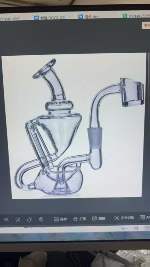
There is a United States federal statute — 21 USC § 863 — that makes it illegal to sell or transport “drug paraphernalia” in interstate commerce. It carries a first-offense penalty of up to three years in federal prison. And it applies, by its own text, to glass water pipes, bongs, and certain hand pipes imported from China into the United States every single day.
Yet the vast majority of glass pipe importers have never read this law. Many do not know it exists. The reason is not that the law is actively enforced against every shipment — it is not — but that the legal landscape for glass smoking pipes in the US is a three-layer patchwork of federal statute, state law, and local ordinance, and most buyers only check one layer. This article maps all three layers, explains what each one actually requires, and gives you a compliance checklist that keeps your shipment out of trouble.
Federal Law: 21 USC 863 and the Paraphernalia Question
The Controlled Substances Act, specifically 21 USC § 863 (often called the “drug paraphernalia statute”), prohibits three things:
| Prohibited Act | Scope | Penalty (First Offense) |
|---|---|---|
| Selling or offering for sale drug paraphernalia | Interstate commerce | Up to 3 years imprisonment + fine |
| Importing or exporting drug paraphernalia | International | Up to 3 years imprisonment + fine |
| Mailing or transporting paraphernalia | Any US mail or carrier | Up to 2 years imprisonment + fine |
The critical definition is “drug paraphernalia” itself. Under § 863(d), the statute lists 15 types of equipment that qualify, including “pipes, whether of metal, wood, bamboo, glass, or other material” that are “used or intended for use” in introducing controlled substances into the human body. Note the phrase “intended for use” — this is not about what the object physically does. It is about the seller’s intent and the context of sale.
Here is where it gets nuanced for B2B glass pipe importers. The statute does not ban glass pipes outright. It bans glass pipes that are “drug paraphernalia” as defined by context. A glass water pipe sold in a head shop with imagery suggesting tobacco use occupies a different legal position than the identical pipe sold with marketing materials referencing cannabis. The determination of “intent” rests on factors like:
- How the product is displayed and marketed (proximity to controlled substances imagery)
- Whether the seller also sells controlled substances
- Existence of legitimate uses (tobacco smoking, herbal blends, decorative use)
- Instructions or descriptions provided with the product
- Local and state community norms
For wholesale importers, the practical implication is this: the same glass pipe can be legal in one context and illegal in another, and the importer’s marketing materials, labeling, and sales channels are part of the legal determination.
The Tobacco Exception and FDA Jurisdiction
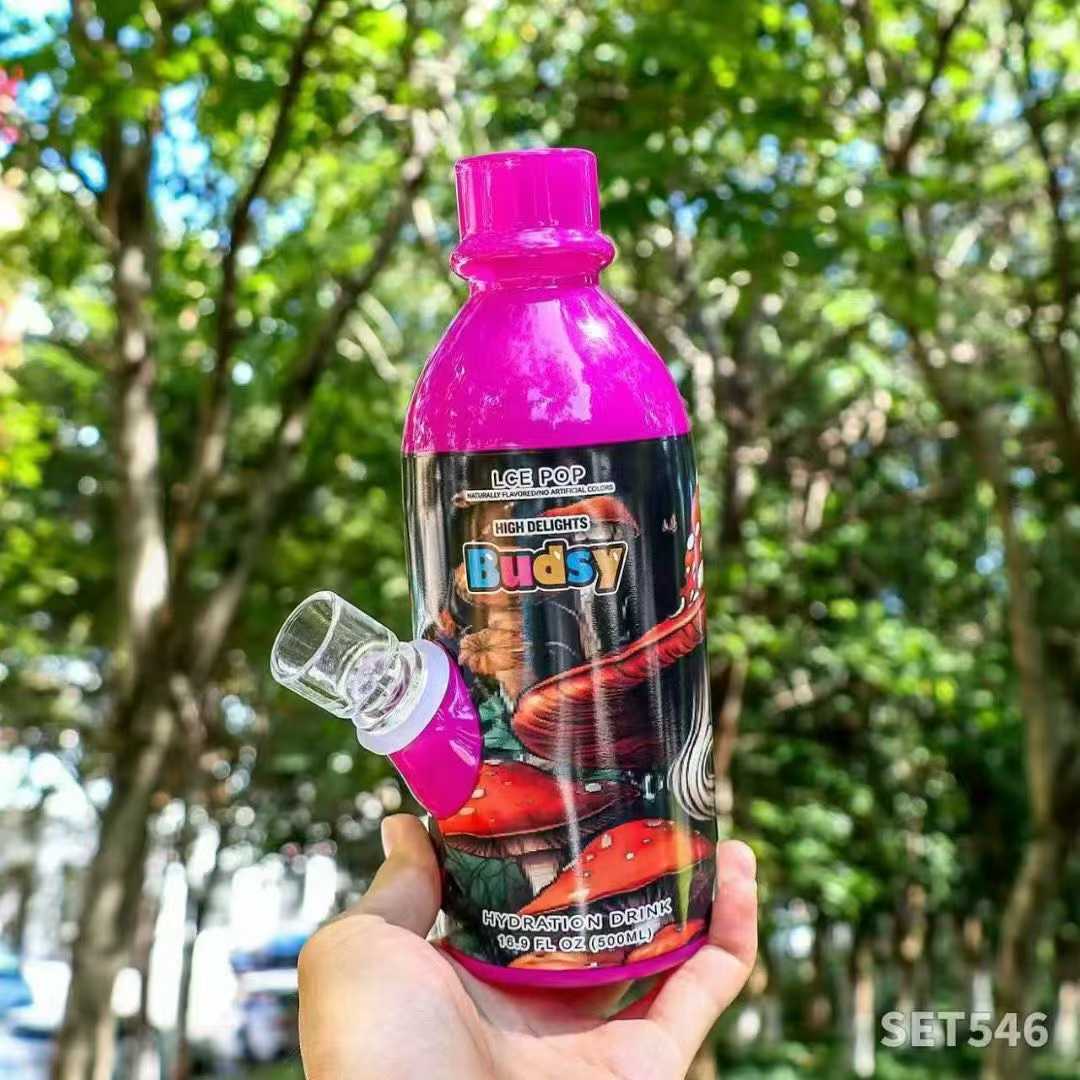
Glass pipes marketed and sold exclusively for tobacco use fall under a different regulatory framework. The FDA‘s Center for Tobacco Products has jurisdiction over tobacco products and “tobacco product components” under the Family Smoking Prevention and Tobacco Control Act of 2009. A glass pipe that is specifically designed and marketed as a tobacco water pipe may be classified as a tobacco product component, which triggers different (and generally less restrictive) compliance requirements.
However, the FDA has not issued specific product standards for glass tobacco pipes the way it has for cigarettes and e-cigarettes. The primary compliance obligation for glass tobacco pipes is registration and listing if you are a manufacturer, and compliance with applicable state and local laws. The FDA’s enforcement focus has been on e-cigarettes, flavored tobacco, and youth access — not on glass pipes per se.
For B2B importers, the key distinction is: if your glass pipes are marketed for tobacco use, you need to ensure your labeling, marketing, and sales documentation consistently reflect that intended use. Mixing tobacco and cannabis messaging in the same catalog creates legal ambiguity.
State-by-State Patchwork: Where the Real Compliance Work Happens
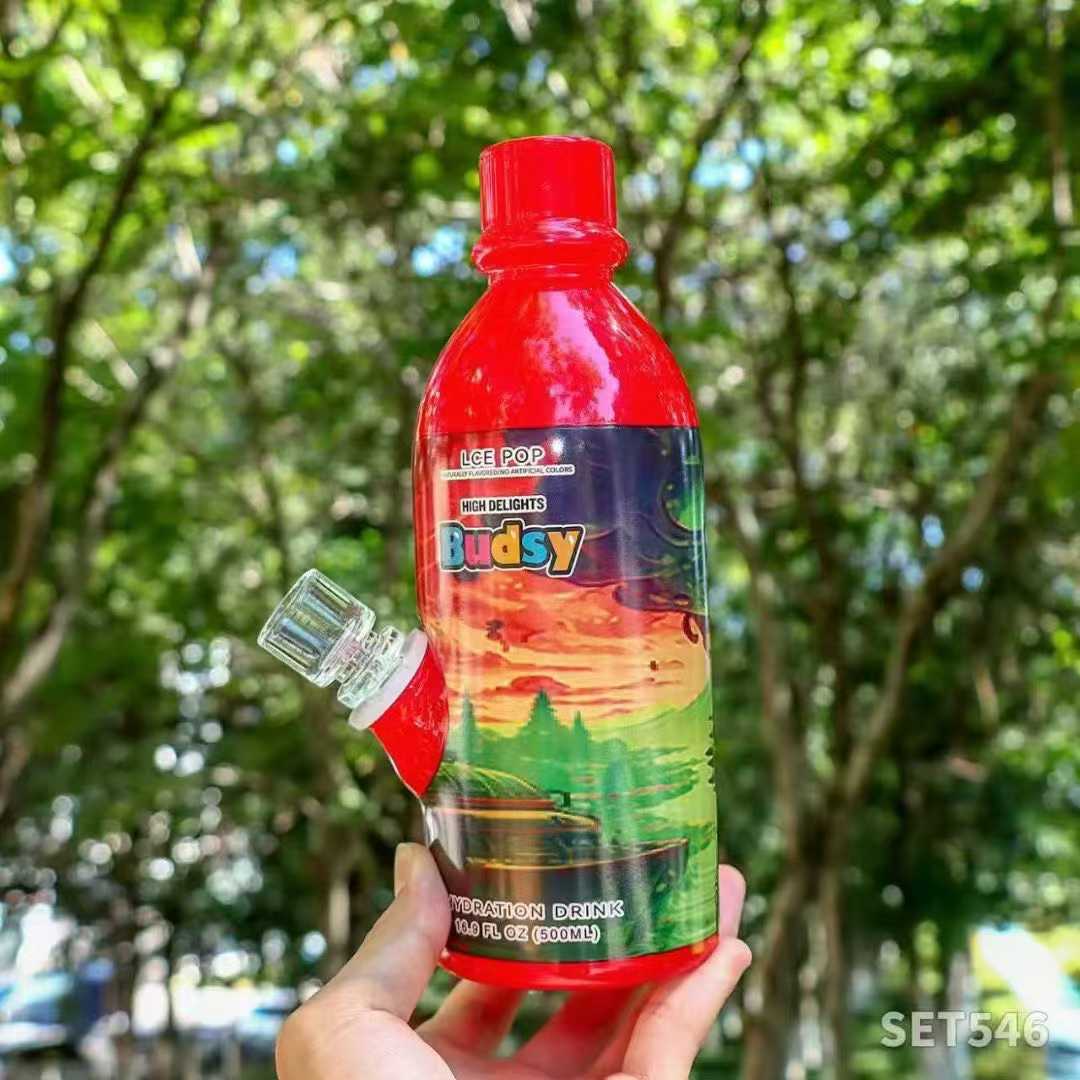
Federal law sets the floor, not the ceiling. Each US state has its own paraphernalia statute, and these vary dramatically in how they define and regulate glass pipes. Here is a representative sample of the landscape:
| State | Key Statute | Glass Pipe Status | Notable Requirement |
|---|---|---|---|
| California | Health & Safety Code § 11364.5 | Sale legal with restrictions | Must be sold in licensed premises; “for tobacco use only” labeling required |
| Colorado | CRS § 18-18-427 | Legal post-legalization | Amendment 64 created licensed retail channel; paraphernalia law amended |
| New York | Penal Law § 220.50 | Restricted | “Possession of paraphernalia” is a violation; retail sale requires specific licensing |
| Texas | Health & Safety Code Ch. 481 | Restricted | Paraphernalia offense is a Class B misdemeanor; “intended use” test applies |
| Oregon | ORS § 475.750 | Legal in licensed retail | OLCC-licensed retailers can sell; general retail sale may still be prohibited |
| Florida | Statute § 893.145 | Restricted | Delivery of paraphernalia is a first-degree misdemeanor |
The pattern is clear: in states with legal cannabis, glass pipe sales have been channeled into licensed retail systems. In states without legalization, the older paraphernalia statutes remain in force and can be enforced. For a wholesale importer distributing to retail customers across multiple states, this means your compliance obligation is not one-size-fits-all — it is customer-by-customer and state-by-state.
Ship-Ready Documentation for US Customs
Every Elfglass order can include the commercial invoice, packing list, and material declarations your customs broker needs. Ask us which documents accompany your shipment before you order.
MOQ from 100 pieces | BSCI / WRAP / ISO 9001 | NDA before every project
Import Documentation: What Customs Actually Checks

When a shipment of glass pipes arrives at a US port, Customs and Border Protection (CBP) officers check several things:
- Correct tariff classification — glass pipes typically fall under HS 7017.20 (other glassware of a kind used for table, kitchen, toilet or similar purposes) or HS 9614 (smoking pipes). Misclassification can trigger duty adjustments or delays.
- Country of origin marking — “Made in China” must be permanently marked on each piece or on the immediate container. This is required by 19 CFR § 134.
- Proposition 65 compliance — California requires warning labels on products containing chemicals known to cause cancer or reproductive harm. Lead-crystal glass pipes (rare but still imported) may trigger Prop 65 warnings.
- FDA registration — if the pipes are marketed for tobacco use, the manufacturing facility may need to be registered with the FDA as a tobacco product manufacturer.
- Lacey Act compliance — if any component of the pipe or packaging includes wood, plant material, or animal product, Lacey Act declarations may be required.
Most glass pipe shipments clear customs without issue when documentation is complete. The problems arise when importers use vague product descriptions (“glassware,” “decorative items”) that do not accurately describe the contents, or when the marketing materials in the shipment contradict the declared intended use.
A Compliance Checklist for B2B Glass Pipe Importers
Based on the federal, state, and customs requirements above, here is a practical checklist for any B2B buyer importing glass pipes into the United States:
| Check | Action | Frequency |
|---|---|---|
| Intended use documentation | Maintain written product descriptions specifying “for tobacco use” or “decorative” — avoid ambiguous language | Every product, updated annually |
| State-by-state legality review | Before selling to a new retail customer, verify the paraphernalia law in their state | Per new customer |
| Country of origin marking | Confirm every piece bears permanent “Made in [Country]” marking | Every shipment | If selling into California, assess whether products contain listed chemicals; add warnings if needed | Per product line |
| FDA registration check | If marketing for tobacco use, confirm manufacturer FDA registration is current | Annually |
| Tariff classification review | Confirm HS code with customs broker; retain ruling letters | Per new product type |
| Marketing material audit | Review catalogs, websites, and packaging for language that could create paraphernalia intent | Quarterly |
For related reading, see our PACT Act and customs essentials for glass pipe imports for a detailed breakdown.
For related reading, see our HS code classification for glass pipes for a detailed breakdown.
Learn more about our US market compliance solutions.
Learn more about discuss your compliance requirements with Elfglass.
Ready to Start Your Custom Glass Pipe Project?
Get a free quote within 24 hours. MOQ from 100 pieces. NDA-protected design consultation.
About the Author
Ava Zeng has spent over 16 years in glass manufacturing at Elfglass, managing production lines, color formulation, and international B2B partnerships. She writes from the factory floor in China, combining materials-science knowledge with hands-on procurement experience.
Frequently Asked Questions
Is it legal to import glass pipes into the United States?
Yes, glass pipes can be legally imported when they are marketed for legitimate uses such as tobacco smoking or decorative purposes. The key legal risk is the federal paraphernalia statute (21 USC § 863), which applies based on “intended use” — how the product is marketed and sold, not the physical object itself.
Do glass pipes need FDA approval?
Glass pipes marketed exclusively for tobacco use may be classified as tobacco product components under FDA tobacco products, which requires facility registration but not pre-market approval. Glass pipes not marketed for tobacco use do not require FDA approval. There is no “FDA certified glass pipe” designation.
What markings are required on imported glass pipes?
US Customs requires permanent country-of-origin marking (e.g., “Made in China”) on each piece or its immediate container under 19 CFR § 134. Additional markings may be required for California Proposition 65 compliance if the product contains listed chemicals.
Can I sell glass pipes online to customers in all 50 states?
No. State paraphernalia laws vary significantly. In states with legal cannabis, sales may be restricted to licensed retailers. In other states, general sale of glass pipes may constitute a paraphernalia offense. You must verify the legal status in each state where you have customers before fulfilling orders.
