
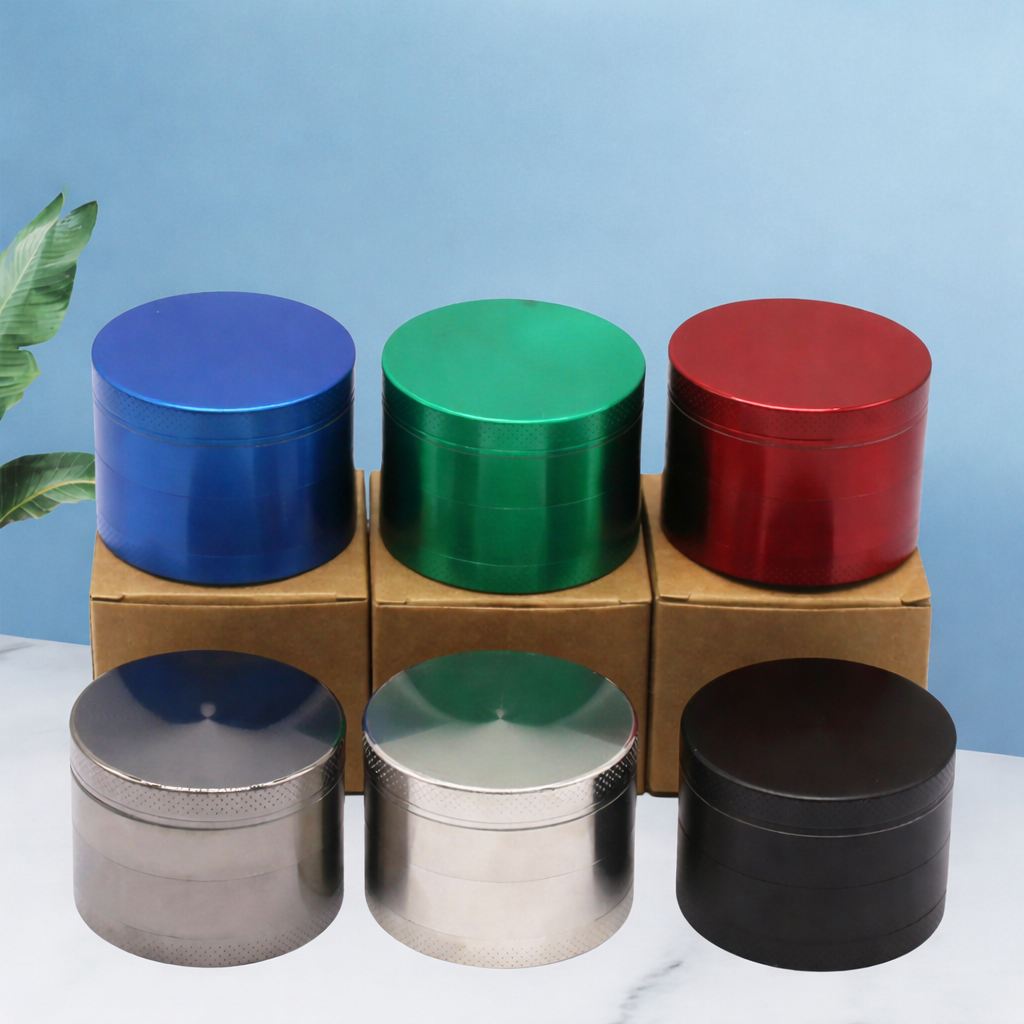
Surface finish is the detail that separates a glass pipe that sells at full margin from one that sits on the shelf. Two water pipes with identical borosilicate construction, the same joint size, and the same wall thickness can feel completely different in a customer’s hand based on the finish alone. The tactile experience drives the purchase decision in retail, and the finish determines how the piece looks under display lighting, how it feels during use, and how easily it cleans.
This guide covers the four primary surface finishes used in wholesale glass pipe manufacturing, how each is produced, which market segments prefer them, and what buyers should specify when ordering.

Glossy Finish
The glossy finish is the default state of fire-polished borosilicate glass. After the piece is shaped and annealed, the surface retains a smooth, reflective sheen from the flame work. No additional processing is required, which makes glossy the most cost-effective finish for wholesale production.
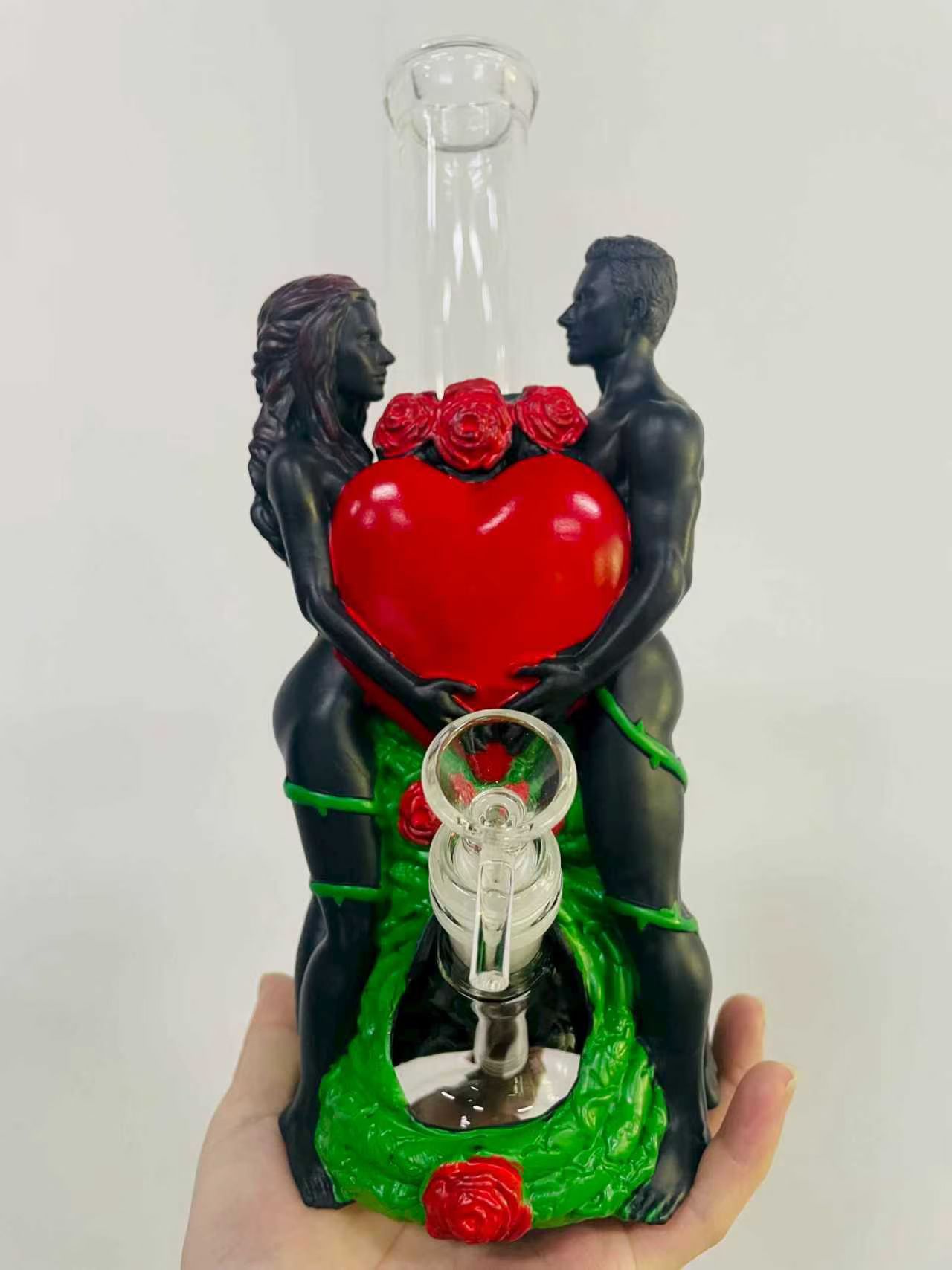
Characteristics
- Highly reflective surface that shows color depth and transparency
- Smooth to the touch with no texture
- Shows fingerprints and oils more readily than matte or frosted finishes
- Easiest to clean— residue wipes off without friction
- Best for showcasing colored glass, especially transparent tints and dichroic effects
Market Preference
Glossy finishes dominate the mainstream market. They are the standard for wholesale water pipes, hand pipes, and dab rigs sold in smoke shops and head shops. Customers associate the glossy look with cleanliness and quality. For retailers stocking a broad inventory, glossy is the safe default.
Frosted Finish
Frosted glass has a translucent, matte-white appearance created by roughening the surface at the microscopic level. The effect diffuses light, giving the piece a soft, opaque look that contrasts with the transparency of glossy glass.
How Frosted Finish Is Produced
Two methods are used in glass pipe manufacturing:
- Sandblasting: High-pressure abrasive particles etch the surface. This is the most common method for wholesale production because it is fast, consistent, and works on complex shapes. The coarseness of the abrasive determines the depth of the frost.
- Acid etching: Hydrofluoric acid dissolves the surface layer of the glass. This produces a smoother, more uniform frost than sandblasting but requires careful handling and disposal of hazardous chemicals. It is used for premium pieces where visual consistency matters.
Characteristics
- Hides fingerprints and handling marks effectively
- Provides a grippy surface that reduces slippage during use
- Diffuses light, obscuring the glass color underneath
- More difficult to clean than glossy— residue clings to the textured surface
- Popular for mouthpieces and grip areas on otherwise glossy pieces
Market Preference
Frosted finishes are popular for grip zones on water pipes and hand pipes, where the tactile benefit outweighs the cleaning difficulty. They are also used as a full-body finish for pieces marketed toward customers who prefer a subdued, modern aesthetic. For a deeper look at how matte aesthetics drive retail sales, see the guide to why matte finishes sell.
Matte Finish
Matte finish sits between glossy and frosted. It has a smooth, non-reflective surface that lacks the shine of fire-polished glass but does not have the white, opaque appearance of sandblasted frost. The glass color is still visible through the matte surface, just without the specular reflection.

How Matte Finish Is Produced
Matte finishes are achieved through light acid etching or fine-grit sanding. The process removes the fire-polish layer without creating the deep surface roughness of a full frost. The result is a satin-like surface that feels smooth but does not reflect light.
Characteristics
- Non-reflective surface that shows glass color without shine
- Resists fingerprints better than glossy but cleans more easily than frosted
- Gives colored glass a modern, understated look
- Maintains some translucency— light passes through but is diffused
- Popular for brand-oriented pieces where a premium, minimalist aesthetic matters
Market Preference
Matte finishes have grown in popularity as the glass pipe market has matured and customers begin to value aesthetics beyond the traditional glossy look. They are especially popular for colored glass pieces and brand-specific designs where the visual identity matters. For more on how color choices affect retail performance, read the glass color chemistry guide.
Textured Finish
Textured finishes involve raised or recessed patterns on the glass surface, created during the shaping process rather than as a post-production treatment. These include dot patterns, cross-hatching, ribbing, and custom logos pressed into the glass while it is still malleable.
How Textured Finish Is Produced
Textures are applied using sculpting tools, molds, or hand techniques while the glass is heated and workable. The glassblower presses a patterned tool against the surface or rolls the piece through a textured mold. Each method produces different levels of detail and consistency.
Characteristics
- Tactile grip that improves handling, especially for larger pieces
- Visual interest that differentiates the piece from smooth-finished competitors
- Can incorporate brand logos or signature patterns into the glass itself
- More expensive to produce due to the additional handwork
- Often combined with other finishes— for example, a glossy body with textured grip zones
Market Preference
Textured finishes are most common on premium and hand-blown pieces where the craftsmanship is part of the selling proposition. They are less common on high-volume wholesale production because the additional labor increases unit cost. For wholesale hand pipes, textures are typically limited to grip zones rather than full-body coverage.
Comparing the Four Finishes
| Finish | Reflectivity | Grip | Cleaning Ease | Production Cost | Best For |
|---|---|---|---|---|---|
| Glossy | High | Low | Easiest | Lowest | Mainstream retail, color showcase |
| Frosted | None (opaque) | High | Moderate | Low to moderate | Grip zones, modern aesthetic |
| Matte | Low | Moderate | Easy | Moderate | Brand pieces, colored glass |
| Textured | Varies | Highest | Moderate | Highest | Premium pieces, brand differentiation |
Specifying a Surface Finish for Your Wholesale Order?
Elfglass produces glossy, frosted, matte and textured finish samples in 1 to 3 days so you can approve the exact sheen and grip before a full production run. Send your finish spec and get a quote within 12 hours.
MOQ from 100 pieces | BSCI / WRAP / ISO 9001 | NDA before every project
Specifying Finish in Wholesale Orders
When ordering wholesale glass pipes from a manufacturer, specify the finish for each SKU. A complete specification includes the body finish and any secondary finish on grip zones or mouthpieces. For example: “Glossy body, frosted mouthpiece and grip zone.” This ensures the factory produces each piece to the intended design rather than defaulting to the standard fire-polished glossy finish.
Request finish samples before placing a large order, especially for matte and frosted finishes where the degree of etching can vary between factories. The difference between a light frost and a heavy frost is significant in appearance and feel, and the sample confirms the factory’s interpretation matches the buyer’s expectation.
Finish Selection by Product Category and Customer Segment
The four finishes are profiled above by how they are made; this table flips the view to how they are bought — which finish fits which product category and which customer segment. Use it to assign a finish per SKU rather than defaulting every piece to fire-polished gloss.
| Product Category | Recommended Finish | Why | Customer Segment |
|---|---|---|---|
| Mainstream water pipes and hand pipes | Glossy (fire-polished) | Lowest cost, shows color depth, easiest to clean, reads as clean and quality | Broad smoke-shop and head-shop retail |
| Grip zones and mouthpieces (any category) | Frosted (sandblasted) | Tactile grip that reduces slippage; hides fingerprints | Functional buyers, larger pieces |
| Brand-oriented colored glass | Matte | Non-reflective satin that shows color without shine; premium minimalist look | Brand-specific and design-led buyers |
| Premium and hand-blown hero pieces | Textured (in-shape patterns, pressed logos) | Highest tactile grip plus brand identity built into the glass; craftsmanship signal | Premium and collector segment |
| Two-tone and mixed designs | Glossy body + frosted or textured grip zones | Contrast and differentiation without adding color | Mid-to-premium retail |
Finish QC: Inspecting Surface Treatment on Incoming Wholesale Orders
Finish is a margin driver, so an inconsistent finish is a discount waiting to happen — and the degree of etching varies between factories. Inspect surface treatment against the approved sample the moment the carton opens, not against a brochure photo.
- Check frost depth consistency across the batch. A light frost and a heavy frost look and feel completely different. Match the physical sample you approved, since “frosted” alone does not pin down the depth.
- Inspect matte surfaces for shiny spots. Any patch where the fire-polish layer was not fully removed reads as a defect under display lighting and breaks the satin look.
- Verify textured grip definition. Patterns and pressed logos should be crisp and consistent, with no blurred or partially formed impressions from the tool or mold.
- Confirm no over-blast near joints and mouthpieces. Excess roughness at a ground joint can affect fit and feel; the frost belongs on grip zones, not on mating surfaces.
- Check secondary-finish zones against the spec. If you ordered “glossy body, frosted mouthpiece and grip zone,” enforce it — a factory will default to all-glossy if the zones are not verified.
- Compare every piece to the approved sample. Finish interpretation varies by factory; only a side-by-side against your sample confirms theirs matches yours.
- Reject or downgrade finish mismatches. Do not let an off-sample finish into the prime carton — it will sell at a discount and train customers to expect less.
Key Takeaways
- Glossy is the default and most cost-effective finish; best for mainstream retail and color showcase
- Frosted finish provides grip and a modern opaque look but is harder to clean
- Matte finish offers a non-reflective satin surface that shows color without shine
- Textured finishes add tactile grip and brand identity but increase production cost
- Always specify finish type for each SKU in wholesale orders and request samples
Frequently Asked Questions
Which glass pipe finish is the most durable?
All four finishes are applied to borosilicate glass, so the underlying durability is the same. The finish affects surface properties like grip and cleanability, not structural strength. However, frosted and textured finishes can hide minor surface scratches better than glossy finishes, which show every mark.
Can a glossy pipe be converted to a frosted finish after production?
Yes, a glossy piece can be sandblasted or acid-etched after production to create a frosted finish. However, this is a post-production step that adds cost. It is more efficient to specify the desired finish at the time of order rather than modifying finished pieces.
Which finish is easiest to clean?
Glossy finishes are the easiest to clean because the smooth surface does not trap residue. Frosted and textured finishes have micro-roughness that holds residue more stubbornly, requiring more soaking time or agitation during cleaning.
Does the finish affect the price of wholesale glass pipes?
Yes. Glossy finishes add no additional cost beyond the base production price. Frosted finishes add a small amount for the sandblasting or etching step. Matte finishes cost slightly more. Textured finishes add the most due to the additional handwork during shaping. The price difference between glossy and frosted is typically 5 to 10 percent; textured can add 15 to 25 percent.
Ready to Start Your Custom Glass Pipe Project?
Get a free quote within 24 hours. MOQ from 100 pieces. NDA-protected design consultation.
About the Author
Ava Zeng is the founder of Elfglass, a Shenzhen-based borosilicate glass pipe manufacturer serving B2B brands worldwide. Every guide on this site is grounded in her production-floor experience— the annealing lines, QC checkpoints, and export orders behind each claim.
Before you commit to a supplier, read her founder’s story and trust promise, and the guide to vetting a reliable glass pipe manufacturer— the same red-flag checklist Elfglass applies to its own suppliers.
