
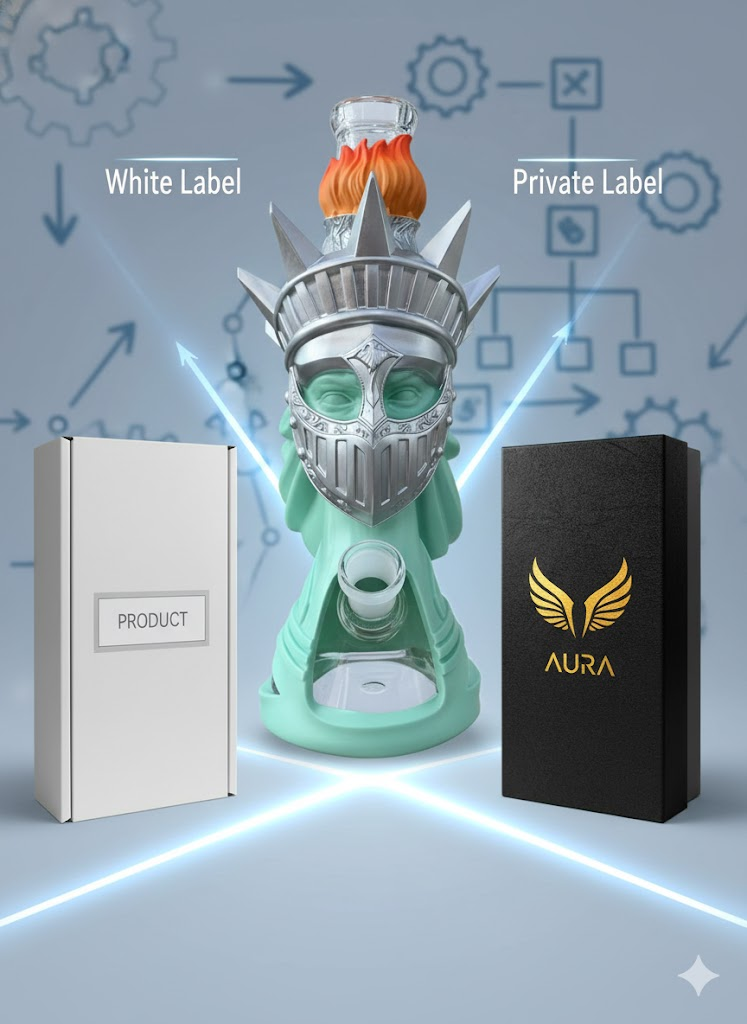
Every brand owner who has invested in a custom glass pipe design knows the sinking feeling: you hand over your mold, your specifications, your vision — and within months, a nearly identical product shows up under someone else’s label. Without exclusive molds, the tooling you paid for sits on a factory floor, available to any buyer who walks through the door. This is not a hypothetical scenario. It happens every day in overseas sourcing, and it is one of the most preventable losses a brand can suffer. Where the destination market recognizes design patents, owners can layer patent protection on top of mold exclusivity for a legally enforceable fallback.
At Elfglass, we take a different approach. Every custom mold we build belongs exclusively to the client who commissioned it. No exceptions, no gray areas, no fine print that quietly opens the door to shared tooling. If you are evaluating a glass pipe manufacturer and mold exclusivity matters to your business — and it should — this guide explains exactly how we protect your designs from the first sketch to the final shipment.
Why Mold Exclusivity Matters More Than You Think
A custom mold is not just a piece of metal or graphite. It is the physical embodiment of your product differentiation. When you invest in a unique shape, a proprietary chamber design, or a signature ergonomic curve, that mold becomes the single most valuable asset in your supply chain. Lose control of it, and you lose the very thing that separates your brand from a commodity listing on a wholesale marketplace.
Consider what happens when mold exclusivity breaks down. A competitor sources the same product from the same factory. They price it lower because they did not invest in design, branding, or market education. Your retail partners see two identical pipes. Margins collapse. Brand loyalty erodes. The investment you made in product development — the research, the prototypes, the testing — effectively subsidizes your competitor’s catalog.
This is why exclusive molds are not a luxury or a legal afterthought. They are a core business requirement for any brand that wants to maintain pricing power and market position in the borosilicate glass pipe category.

How Elfglass Enforces Mold Exclusivity From Day One
The protection starts before a single gram of glass is melted. Our process is built on a foundation of legal and operational safeguards that ensure your design never leaves your control.
Non-Disclosure Agreement Before Every Project
We sign a non-disclosure agreement before discussing any design details. This is not optional. It is not something we offer if you ask — it is how every project begins at Elfglass. The NDA covers your drawings, specifications, samples, and any derivative work produced during the development process. It creates a legal framework that makes unauthorized sharing of your design a breach of contract, not just an ethical lapse.
If you are sourcing from multiple factories, pay close attention to this step. A manufacturer who resists signing an NDA or treats it as a formality is telling you something important about how they view your intellectual property. We have written extensively about protecting product design IP when sourcing overseas, and the NDA is always step one.
Mold Ownership Written Into the Agreement
Our production agreement explicitly states that any custom mold built for your project is your property. The mold sits in our facility because we are the ones operating it, but it is yours. We do not run production on your mold for other clients. We do not show your mold to visiting buyers. We do not photograph it for our marketing materials without your written permission. When the engagement ends, the mold ships back to you or is destroyed at your direction.
This level of clarity eliminates the ambiguity that causes most IP disputes. There is no “shared tooling” arrangement where the factory retains rights to sell the same design to others. The mold is yours, period. See how exclusive molds shape the pieces in our wholesale hand pipes collection.
Design Files Stay Internal
Your CAD files, technical drawings, and design specifications are stored on our internal systems and shared only with the production team members directly involved in your project. We do not upload client designs to shared platforms, open forums, or third-party mold-making services without explicit authorization. Access is need-to-know, and the team working on your project is small — 20 people across our entire 1,000 square meter facility in Shenzhen — which means fewer touchpoints and tighter control.
The Factory-Direct Advantage for Mold Protection
Working directly with a manufacturer rather than a trading company adds a critical layer of protection. When you go through a middleman, your design passes through at least two sets of hands before it reaches the production floor. Each handoff is a potential leak. The trading company may work with multiple factories. They may not have a direct contractual relationship with the production facility regarding your IP. And if the relationship between the trader and the factory breaks down, your mold — and your design — can end up in limbo.
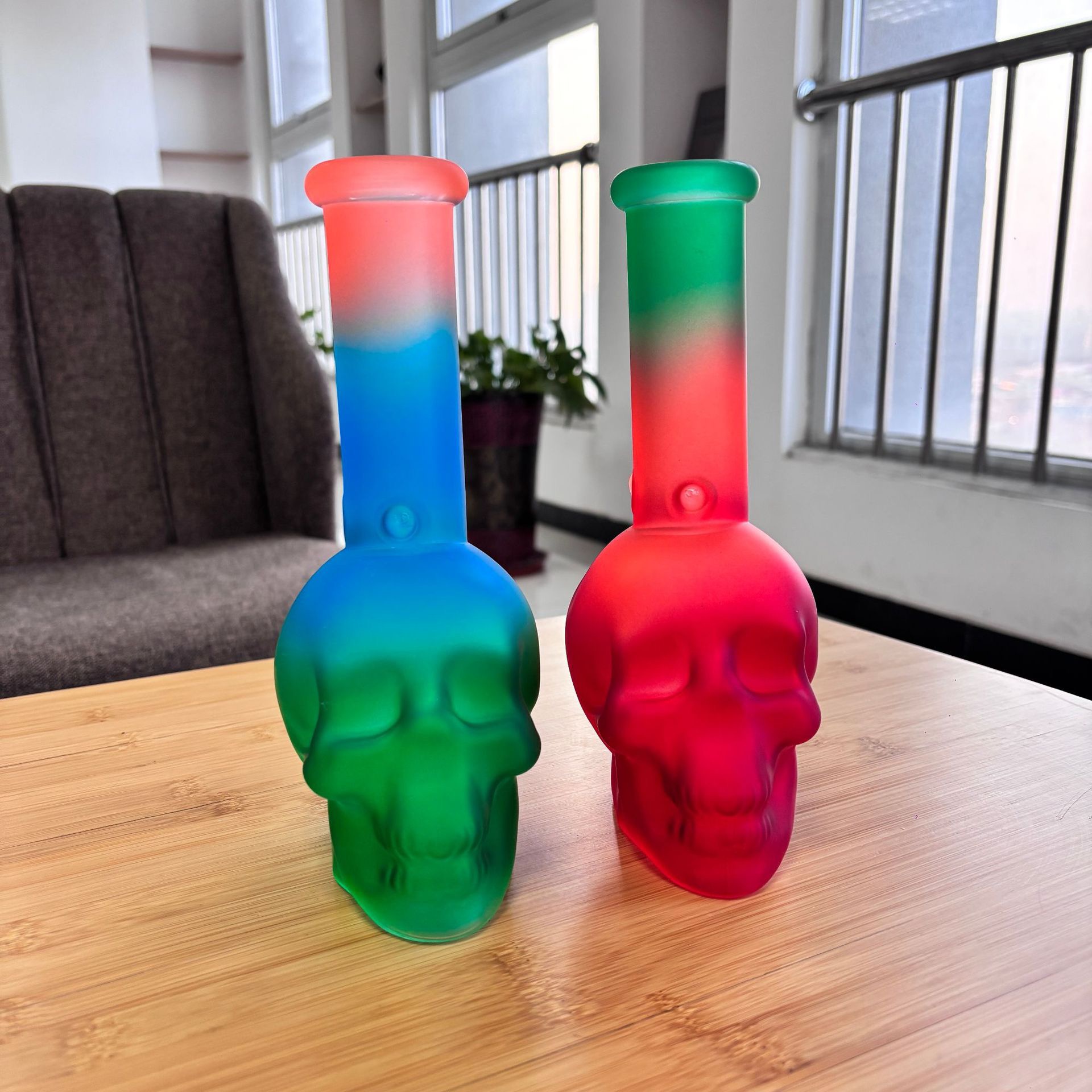
At Elfglass, the factory is the brand. There is no intermediary between your design and the production line. When you share a sketch, it goes directly to our team. When we build a mold, it goes directly into our facility. When we ship a production run, it ships from our dock to your warehouse. Every step is within our control, and every person handling your design works under our roof and our agreements.
This vertical integration is why our turnaround times are tight — sampling takes 1 to 3 days, and bulk production runs 7 to 12 days for orders of 100 pieces or more. But it is also why your intellectual property stays contained. Fewer parties means fewer risks.
Turn Your Concept Into Production-Ready Glass
Elfglass takes you from design brief and CAD/STEP files to prototyping, branding, and mold exclusivity, with your IP protected by NDA. Send us your concept and we will return a manufacturable plan and quote.
MOQ from 100 pieces | BSCI / WRAP / ISO 9001 | NDA before every project
What “Exclusive Mold” Really Means in Practice
Let us be specific about what mold exclusivity looks like on the production floor at Elfglass.
First, the mold is physically labeled and logged as a client-owned asset. It is stored in a designated area separate from our standard tooling. Only authorized technicians access it during production runs.
Second, we never use a client’s exclusive mold to produce samples for other potential buyers. If a visiting client asks to see what we can do, we show them our standard catalog or samples from clients who have given explicit permission. Your mold does not become a showroom piece.
Third, we maintain production records tied to each mold. We know exactly how many pieces have been run, when, and for which order. This traceability protects both parties — if a dispute arises about unauthorized production, the records provide a clear answer.
Fourth, when a mold reaches the end of its usable life, we notify you and discuss options: replacement, return, or certified destruction. We do not quietly retire a mold and replace it without your knowledge.
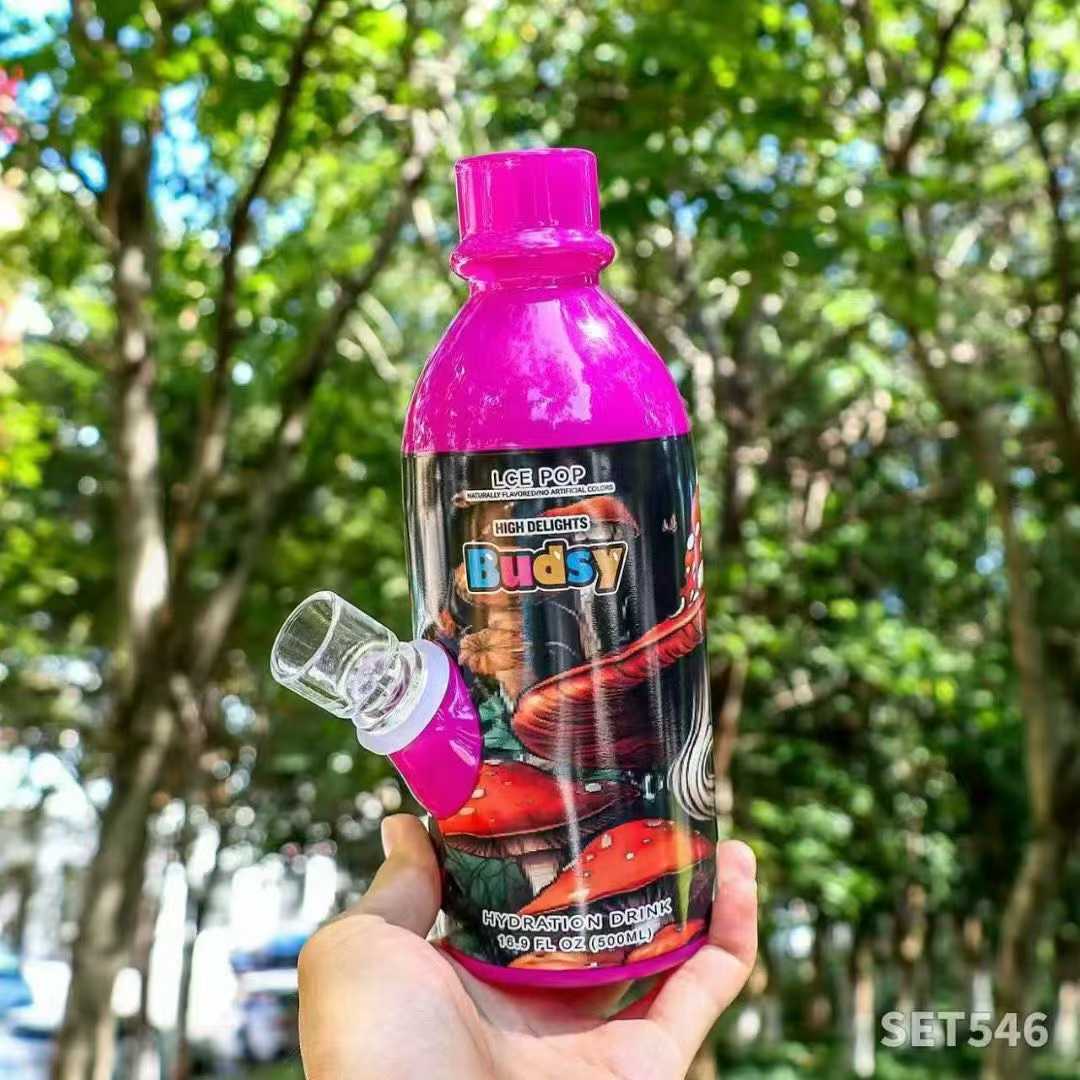
Communication as the Foundation of Trust
Legal agreements and operational procedures are essential, but they only go so far. The real protection comes from a manufacturer who genuinely understands why your design matters and treats it with the respect it deserves.
Ava Zeng, the founder of Elfglass, built this company on a principle that shapes every client interaction: “What kills a great idea is never the technology, but the communication gap and a lack of empathy.” That philosophy extends to how we handle your intellectual property. We do not see mold exclusivity as a constraint imposed by legal requirements. We see it as a basic respect for the creativity and investment that went into your design. Mold ownership can also rely on trade secret protection, where confidentiality agreements keep proprietary tooling details out of competitor hands.
This is why we respond to quote requests within 12 hours. It is why we maintain a monthly production capacity of 10,000 pieces with a minimum order of just 100 pieces per design — small enough to serve emerging brands, large enough to support established ones. It is why we earned BSCI, WRAP, and ISO 9001 certifications, not just as credentials but as evidence that our systems are auditable and our processes are consistent.
When you reach out to discuss a project, the conversation starts with your needs, not our capabilities. We want to understand what you are building, who it is for, and what success looks like for your brand. That understanding is what makes mold exclusivity meaningful — it is not just a clause in a contract, it is a commitment backed by genuine partnership.
Red Flags: When a Manufacturer Cannot Guarantee Exclusivity
Not every factory operates this way, and not every factory can. Here are warning signs that mold exclusivity may not be as secure as promised:
- Vague ownership language. If the contract says the mold is “available for your use” without clearly stating it is your property, that ambiguity is a risk.
- Resistance to NDAs. A factory that hesitates to sign a non-disclosure agreement has already shown you how they handle confidential information.
- Shared showroom samples. If a factory proudly displays custom pieces on their showroom floor, ask whose designs those are and whether those clients consented. If they cannot answer clearly, your design could end up on that same shelf.
- No production tracking. Without records of mold usage, you have no way to verify that production is limited to your authorized orders.
- Trading company intermediaries. Every additional party in the chain is another point of potential IP exposure. Factory-direct relationships are inherently more secure.
We discuss these red flags in greater detail in our founder’s story and trust promise, because transparency about how we operate is central to how we do business. If something feels off during your supplier evaluation, trust that instinct and ask direct questions. A trustworthy manufacturer will welcome the scrutiny.
Building a Long-Term Partnership Around Your Designs
Mold exclusivity is not a one-time transaction. It is an ongoing commitment that deepens as the partnership matures. Your first order might be 100 pieces of a single design. Your tenth order might span multiple designs, each with its own dedicated mold, each protected by the same agreements and operational safeguards.
At Elfglass, we view every mold we build as the beginning of a relationship, not the completion of a sale. When your design succeeds in the market, we succeed. When you expand your product line, we are already familiar with your quality standards, your brand positioning, and your expectations. That continuity is valuable — and it only works when trust is established from the very first interaction.
Our approach reflects our brand philosophy: we are a manufacturer with the soul of a designer. We understand what it means to create something original, and we respect the effort it takes to bring a vision to life. Protecting your exclusive molds is not just good business practice. It is the right thing to do.
For a detailed comparison, see our guide on why identical glass pipes get different prices.
Frequently Asked Questions
Who owns the custom mold after production is complete?
You do. Every custom mold built at Elfglass is the exclusive property of the client who commissioned it. The mold remains yours throughout the engagement and can be returned or destroyed at your direction when the project ends.
How does Elfglass prevent my design from being shared with other buyers?
We sign a non-disclosure agreement before every project, restrict design file access to authorized team members only, and never use client-exclusive molds to produce samples for other buyers. Our 20-person team operates within a single 1,000 square meter facility, keeping touchpoints minimal and control tight.
What is the minimum order for a custom mold design?
Our minimum order is 100 pieces per design. Sampling takes 1 to 3 days, and bulk production runs 7 to 12 days for orders of 100 pieces or more. Monthly production capacity is 10,000 pieces.
Can I visit the factory to verify mold storage and production practices?
Yes. We welcome factory visits and encourage prospective clients to see our production environment, mold storage, and quality control processes firsthand. Contact us to schedule a visit.
What certifications does Elfglass hold to ensure quality and compliance?
Elfglass holds BSCI, WRAP, and ISO 9001 certifications. These audits verify that our production processes, quality management systems, and operational practices meet international standards.
About the Author
Ava Zeng is the founder of Elfglass, a Shenzhen-based borosilicate glass pipe manufacturer serving B2B brands worldwide. Every guide on this site is grounded in her production-floor experience— the annealing lines, QC checkpoints, and export orders behind each claim.
Before you commit to a supplier, read her founder’s story and trust promise, and the guide to vetting a reliable glass pipe manufacturer— the same red-flag checklist Elfglass applies to its own suppliers.
Ready to Source Custom Glass Pipes?
Get a free quote within 24 hours. MOQ from 100 pieces. NDA-protected design consultation.
