
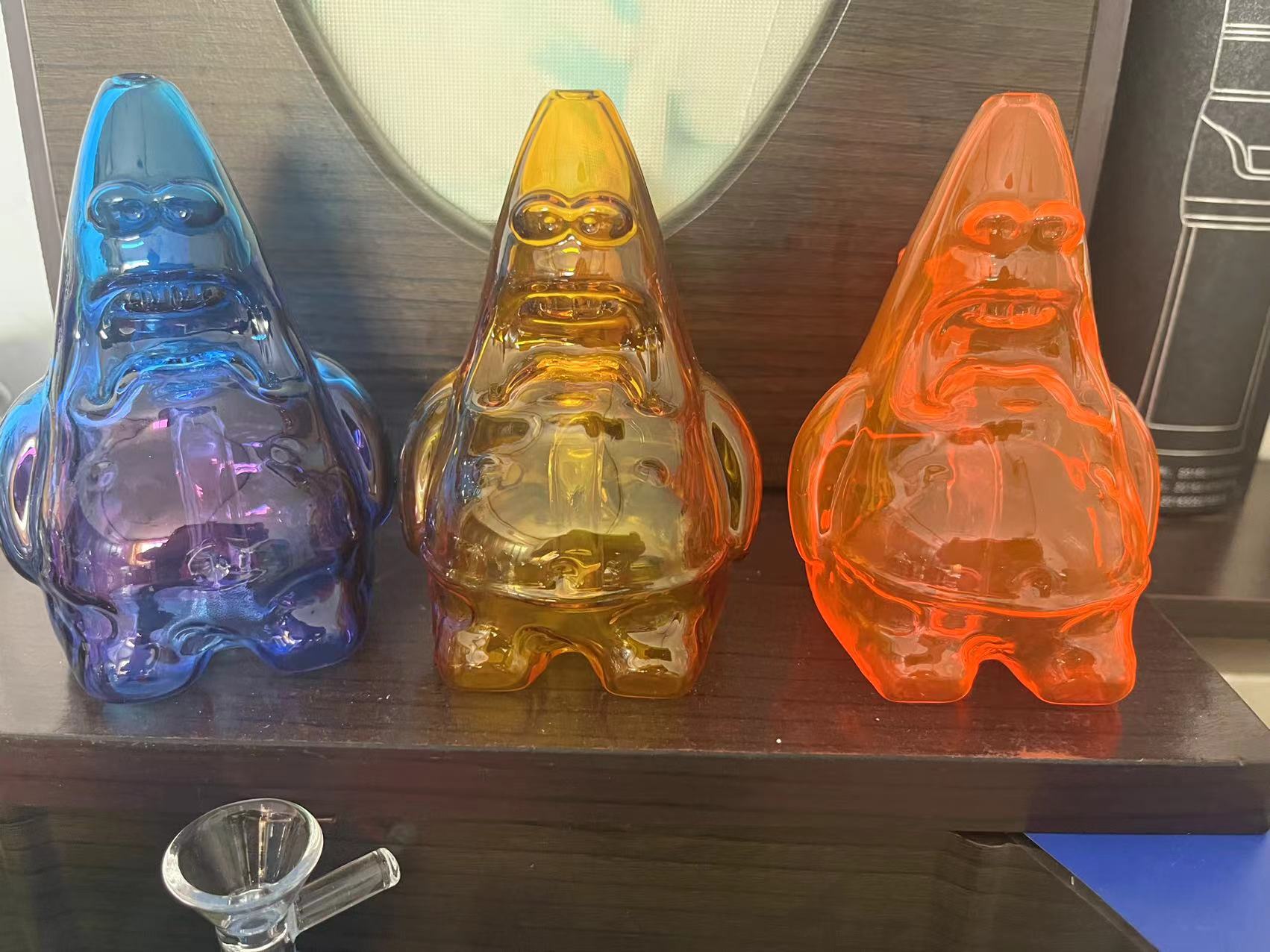
Online and brick-and-mortar are not competing channels for glass products—they are different businesses that happen to sell the same category. A smoke shop owner who treats them as interchangeable will underperform in both. The channel decision determines your margin structure, your marketing spend, your customer relationship depth, and which wholesale specifications you should order from your factory. Brick-and-mortar retail carries fixed occupancy costs that fundamentally change its margin math compared with online channels (brick-and-mortar reference).

This comparison breaks down where glass pipes actually sell better by channel, using the operational realities that matter to brand owners and retailers: margin per unit, customer acquisition cost, return rates, inventory risk, and brand-building capacity. The conclusion is not “one channel wins”—it is that each channel rewards different product strategies, and knowing the difference before you place your wholesale order prevents costly inventory mismatches.
Key Takeaways
- Brick-and-mortar converts higher per visitor because customers handle the product before buying—glass is a tactile category where weight and finish drive purchase decisions.
- Online reaches a wider audience at lower fixed cost but faces higher return rates due to shipping damage and expectation gaps from product photos.
- Physical stores build brand loyalty through staff interaction and immediate product access; online builds it through content, community, and repeat-purchase funnels.
- The highest-margin glass brands run both channels with different product allocations: premium and mid-range in-store, entry-level and volume online.
- Elfglass supports both channel strategies with MOQ 100 per design, 7–12 day production, and packaging options tailored to each fulfillment model.
Channel Economics: Margin and Cost Structure
The margin equation differs fundamentally between channels. Physical stores carry rent, utilities, staff wages, and insurance as fixed costs regardless of sales volume. Online stores carry lower fixed costs but pay per-transaction fees: marketplace commissions, payment processing, and shipping per order.
| Factor | Brick-and-Mortar | Online |
|---|---|---|
| Fixed costs | High (rent, staff, utilities) | Low (hosting, platform fees) |
| Per-transaction cost | Low (card processing only) | High (commission + shipping + packaging) |
| Typical glass margin | Higher per unit (no shipping cost absorbed) | Lower per unit (shipping + damage provision) |
| Break-even volume | Higher (must cover rent) | Lower (lean cost base) |
| Scaling cost | Linear (more locations = more rent) | Sub-linear (same platform handles 10x volume) |
For glass products specifically, physical stores hold a margin advantage on premium units. A customer who holds a hand-finished water pipe, feels its weight, and sees the percolator in person is paying for the experience as much as the product. That experience justifies retail prices that online listings struggle to command because a product photo cannot transmit weight, finish quality, or glass clarity with the same conviction.
Customer Behavior Differences
Glass buyers behave differently by channel, and the behavior gap determines which products succeed where.
In-store buyers are often browsing. They enter without a specific product in mind, handle multiple pieces, ask staff questions, and decide based on tactile feedback. Conversion rates per visitor are higher than online because the product sells itself through physical presence. But the customer pool is limited to foot traffic in your location. Pairing this with a structured review management routine strengthens the trust signals that bring customers back.
Online buyers arrive with intent. They searched for a specific product type, compared three to five listings, and chose based on photos, reviews, and price. Conversion per visitor is lower, but the visitor pool is geographically unlimited. The trade-off: online buyers cannot touch the product, so expectation management becomes critical. Product photos must accurately represent size, color, and finish—or returns climb.
Return behavior differs sharply. Physical store returns are rare for glass because the customer chose the exact unit they are buying. Online returns run higher due to shipping damage and expectation gaps. For wholesale buyers, this means online channels require stronger packaging investment per unit—a cost that does not exist in the same magnitude for in-store fulfillment. The email marketing strategies that work for smoke shops apply primarily to the online retention side of this equation.
Inventory Strategy and Risk Profile
Physical stores carry inventory risk concentrated in one location. A theft, fire, or slow quarter ties up capital in glass sitting on shelves. Online sellers distribute risk differently: inventory can sit in a warehouse or fulfill from the factory, but shipping damage creates a distributed loss pattern that is harder to predict.
For glass specifically, the damage risk profile favors physical retail. In a store, the product moves from shelf to customer’s hands in one step. Online, it moves from warehouse to courier to delivery van to customer’s door—each transfer is a breakage opportunity. Wholesale buyers supplying online channels should budget for individual foam inserts and reinforced outer cartons, adding per-unit packaging cost that in-store sellers can partially skip with shelf-ready display packaging.
The inventory velocity difference also matters. Physical stores sell what is visible; online stores sell what ranks. A water pipe on page three of a marketplace search might as well not exist. This means online sellers need broader SKU coverage to capture search queries, while physical sellers benefit from curated depth—fewer SKUs, more units per SKU, faster turnover on each.
Wholesale Supply Built for Smoke-Shop Sell-Through
Elfglass helps you forecast demand, build a high-turnover catalog, and reorder on a rhythm that keeps best-sellers in stock without dead inventory. Share your shop profile and we will map a sourcing plan.
MOQ from 100 pieces | BSCI / WRAP / ISO 9001 | NDA before every project
Brand Building by Channel
Brand building is where the channels diverge most sharply in mechanism, though both are capable of creating loyal customer bases.
Physical stores build brand through experience: staff knowledge, store atmosphere, product handling, and the immediate trust of seeing and touching before buying. A customer who has a positive in-store interaction remembers the brand and returns. The limitation is reach—one store builds brand in one geography. Naming your smoke shop brand and creating a memorable in-store identity matters more in this channel because the name is what customers say to friends.
Online brand building operates through content, community, and repeat-purchase systems. A brand that publishes useful content, engages on social platforms, and runs email sequences creates familiarity at scale. The limitation is trust: without physical product contact, online brands must work harder to convince first-time buyers. Reviews, video content, and generous return policies substitute for the in-store experience.
The strongest glass brands run both: physical presence for trust-building and premium positioning, online presence for reach and volume. The channels reinforce each other—customers discover online, validate in-store, and reorder online.
Product Strategy: What to Stock Where
The channel decision should drive your wholesale product selection, not the other way around. Different specs succeed in different channels.
| Product Attribute | Best for In-Store | Best for Online |
|---|---|---|
| Price tier | Mid-range and premium | Entry-level and mid-range |
| Size | Large display pieces (14″+) | Compact, shippable (8-14″) |
| Color | Full range including bold accents | Clear + 1-2 photograph well |
| Complexity | Multi-perc, artistic pieces | Simple, durable designs |
| Packaging | Display-ready, open or window | Protective, reinforced, branded |
The logic: in-store customers reward visual complexity and size because they experience the product physically. A 16-inch multi-percolator water pipe with color work sells in-store because the customer can appreciate its scale and detail. That same unit is a shipping risk online—large, fragile, and expensive to pack safely.
Online customers reward simplicity and photographic clarity. A clean 12-inch beaker in clear glass photographs well, ships safely, and meets the expectation set by the listing image. Complex artistic pieces that look stunning in person often photograph poorly or create expectation gaps that generate returns. The wholesale pricing tier structure should reflect this split: higher margins on in-store premium, volume pricing on online entry-level.
Wholesale Ordering Implications
Your channel mix determines what you order from the factory and how you structure the purchase.
Pure in-store buyer: Order fewer SKUs, deeper per SKU. Focus on mid-range and premium specs. Request display-ready packaging with window or open-top design. Allocate budget toward visual differentiation—color work, artistic elements, larger sizes that create shelf presence.
Pure online buyer: Order broader SKUs, shallower per SKU. Focus on entry-level and mid-range specs that photograph well and ship safely. Invest in protective packaging (foam inserts, reinforced cartons). Prioritize designs with clean lines and consistent color that reproduce accurately in product photography.
Hybrid buyer: Split the order. Allocate premium and large-format units to in-store, compact and simple units to online. This requires telling your factory which packaging spec applies to which SKU. Elfglass handles mixed packaging orders within the same production run—branded retail boxes for in-store SKUs, protective mailer packaging for online SKUs, all within the same 7–12 day window at MOQ 100 per design.
The mistake to avoid: ordering one product mix and pushing it into both channels. Premium large-format pieces listed online generate returns from shipping damage. Entry-level compact pieces displayed in-store fail to justify the retail experience premium. Match the product to the channel before placing the PO.
Which Channel Fits Whom
The honest answer: neither channel is universally “better” for glass. The right choice depends on your capital position, your market, and your brand strategy.
Choose brick-and-mortar first if: you have a physical location with existing foot traffic, you want to build a premium brand identity, your market has strong in-person shopping culture, or you want higher per-unit margins and can absorb higher fixed costs.
Choose online first if: you have limited starting capital, you want geographic reach beyond one city, you are comfortable with content marketing and logistics management, or your target customer researches and buys digitally.
Run both if: you have the operational capacity to manage two fulfillment models, you want maximum market coverage, and you can differentiate your product allocation by channel. Most established glass brands reach this stage within two to three years of operation.
The channel decision is also a market strategy decision that affects which wholesale partners you attract. Distributors serving physical retail look for different product specs than marketplace aggregators. Know your channel before you choose your factory order—and communicate that channel strategy to your supplier so they can recommend specs, packaging, and production sequencing that match your fulfillment model.
Conclusion
Glass sells differently in each channel, and the difference is structural—not just preference. Physical retail rewards tactile experience, premium positioning, and visual complexity. Online rewards reach, photographic clarity, and shipping durability. Neither replaces the other; the strongest brands run both with differentiated product strategies.
- Stock mid-range and premium pieces in-store; reserve entry-level and compact designs for online where shipping risk is manageable.
- Budget packaging differently by channel: display-ready for physical retail, protective reinforced for online fulfillment.
- Order fewer SKUs deeper for in-store; broader SKUs shallower for online—then communicate the split to your factory.
- The hybrid model (both channels, differentiated allocation) captures the widest customer base and builds the strongest brand.
Whichever channel you choose, your product mix starts with the right wholesale order. Discuss your channel strategy with Elfglass and get spec recommendations tailored to your fulfillment model—quote returned within 12 hours.
Frequently Asked Questions
Where do glass pipes sell better: online or in physical stores?
Neither channel is universally better. Physical stores convert higher per visitor for premium and large-format pieces because customers handle the product. Online reaches wider audiences at lower fixed cost but suits compact, shippable designs. For more context, see this MAP pricing policy for glass brands.
What products should I stock for online glass sales?
Entry-level and mid-range pieces in compact sizes (8 to 14 inches), simple designs, and colors that photograph accurately. Invest in protective packaging to reduce shipping damage returns.
What products work best in a physical smoke shop?
Mid-range and premium pieces, large display items (14 inches and above), multi-percolator designs, and bold color work. The in-store experience justifies higher retail pricing.
Can I run both online and in-store channels?
Yes. The hybrid model differentiates product allocation: premium in-store, volume online. Elfglass supports mixed orders with different packaging specs per SKU in the same production run.
How does channel choice affect my wholesale order?
Channel determines SKU depth, size range, packaging spec, and price tier. Communicate your channel strategy to your factory so they recommend appropriate specifications. Elfglass returns tailored quotes within 12 hours.
About the Author
Ava Zeng is the founder of Elfglass, a Shenzhen-based borosilicate glass pipe manufacturer serving B2B brands worldwide. Every guide on this site is grounded in her production-floor experience— the annealing lines, QC checkpoints, and export orders behind each claim.
Before you commit to a supplier, read her founder’s story and trust promise, and the guide to vetting a reliable glass pipe manufacturer— the same red-flag checklist Elfglass applies to its own suppliers.
Channel comparisons here reference the retail structure outlined in brick-and-mortar commerce literature, where foot traffic and online reach serve different buyer segments.
Ready to Source Custom Glass Pipes?
Get a free quote within 24 hours. MOQ from 100 pieces. NDA-protected design consultation.
