
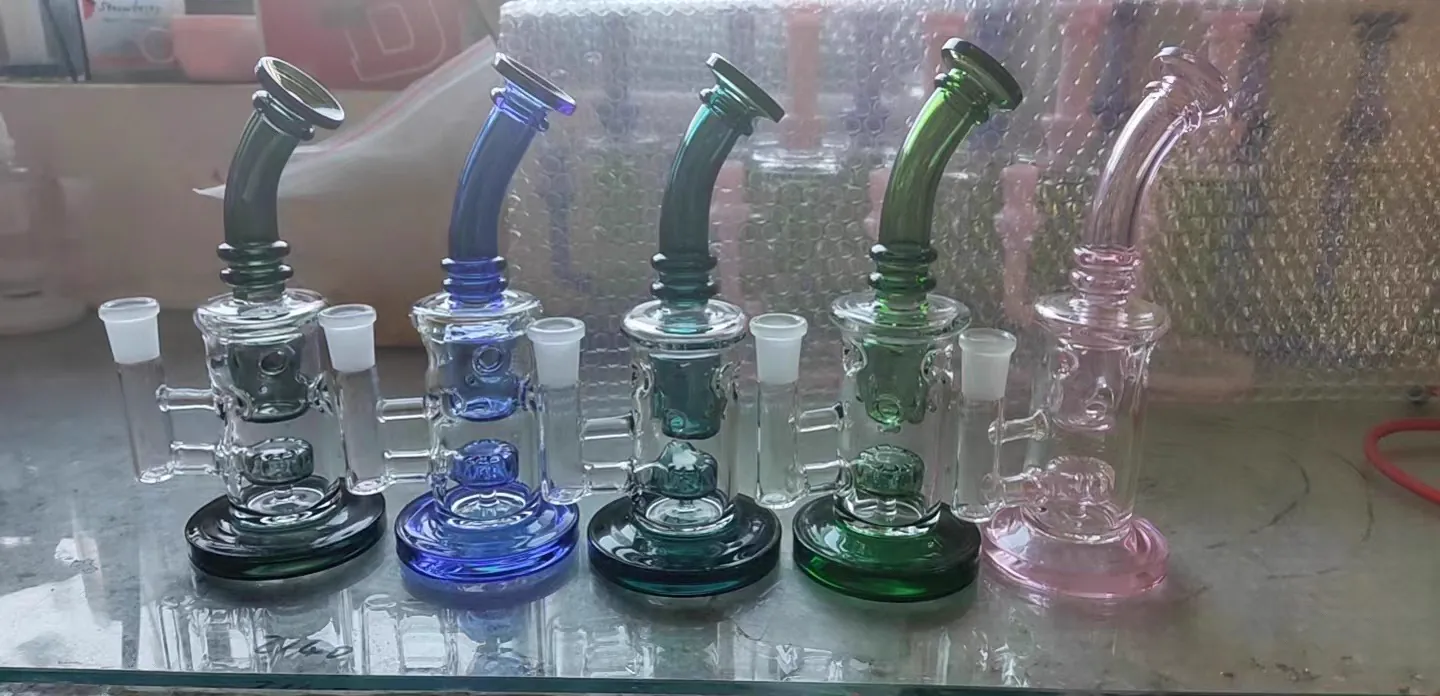
Every wholesale buyer has seen the same pricing table: 100 units at $8 each, 500 units at $6.50, 1,000 units at $5. The structure looks simple, but the logic behind those breakpoints — and the margin protection that makes them sustainable — is where most brands get it wrong. Set your tiers too aggressive and you erode your margin on volume orders. Set them too conservative and you lose deals to competitors who offer better quantity pricing. Before you accept any quotation, review the ten red flags that appear in glass pipe quotes.
This guide explains how wholesale pricing tiers work for glass pipe buyers and the brands that supply them. It covers the cost structures that determine where tier breakpoints should sit, the discount mechanics that protect your margin at volume, and the negotiation tactics that help you secure better pricing from your factory. The principles apply whether you are buying water pipes, hand pipes, or dab rigs from a manufacturer like Elfglass, which has been producing up to 10,000 pieces per month from its Shenzhen facility since 2010. For more context, see this wholesale glass margins guide.
Why Wholesale Pricing Exists in Tiers
Wholesale pricing is not charity from the manufacturer. Each tier reflects a real cost reduction that the factory experiences at higher volumes. When you order 100 pieces of a hand pipe, the factory sets up the mold, runs a short production batch, packs individually, and ships a small parcel. When you order 1,000 pieces of the same pipe, the mold setup cost is amortized across more units, the production run is continuous rather than interrupted, and the packing and shipping cost per piece drops because the factory fills cartons more efficiently.
For more on this topic, see our guide on online vs physical retail strategy.
The tier structure passes some of these savings to you while retaining some for the factory. A well-structured pricing table aligns both parties’ incentives: you get better unit economics at volume, and the factory gets the production efficiency that makes those lower prices profitable. For more context, see this MAP pricing policy for glass brands.
The Cost Components That Drive Tier Breakpoints
Understanding what goes into the unit price helps you evaluate whether a tier structure is fair. For borosilicate glass pipes, the major cost components are:
Mold amortization. A custom mold costs $200 to $800 depending on complexity. At 100 units, that adds $2 to $8 per piece. At 1,000 units, it drops to $0.20 to $0.80. This is the single biggest driver of tier pricing for OEM orders.
Labor and production time. Glass blowing is skilled manual labor. A factory with 20 employees producing 10,000 pieces per month has relatively fixed labor costs per shift. Longer production runs reduce the per-unit labor cost because setup and cleanup time is spread across more pieces.
Material cost. Borosilicate glass raw material cost is relatively constant per kilogram regardless of order size. However, color additives (especially reactive colors and custom Pantone matches) can vary in cost. Material cost does not change significantly between tiers — it is a flat component.
Packing and shipping. Individual packing, carton filling, and palletizing all become more efficient at scale. A 100-unit order might ship via express courier; a 1,000-unit order fills a partial container and ships by sea at a fraction of the per-unit freight cost.
Quality control. QC inspection time per piece is roughly constant, but the fixed overhead of preparing inspection reports, photographs, and compliance documentation is spread across more units at higher volumes.
Typical Tier Structures for Glass Pipe Wholesale
| Tier | Quantity | Typical Discount | Best For |
|---|---|---|---|
| Samples | 1-10 pieces | List price (no discount) | Design evaluation, quality check |
| Trial | 50-100 pieces | 5-10% off list | New product testing, small retailers |
| Standard | 200-500 pieces | 15-20% off list | Established shops, seasonal restock |
| Volume | 500-1,000 pieces | 25-30% off list | Distributors, multi-location brands |
| Enterprise | 1,000+ pieces | 30-40% off list (negotiated) | National distributors, large OEM runs |
These tiers are illustrative. Actual pricing depends on the product complexity, the customization level, and the relationship between buyer and factory. The key insight is that the biggest per-unit cost drop happens between the trial tier and the standard tier — that is where mold amortization and production efficiency deliver the most significant savings.
Transparent Tiered Pricing and Flexible MOQ
Elfglass publishes volume tiers, explains every cost driver, and works with first-time buyers on realistic minimums and safe payment terms. Tell us your target quantity and we will quote a tier that protects your margin.
MOQ from 100 pieces | BSCI / WRAP / ISO 9001 | NDA before every project
How to Negotiate Better Tier Pricing
Factories expect negotiation on pricing tiers. Here are the tactics that work in glass pipe manufacturing:
Commit to a schedule, not just a quantity. Offering to place three orders of 200 units over six months is more valuable to a factory than a single 600-unit order, because it gives them production planning certainty. You may get volume-tier pricing on each 200-unit order based on the committed schedule.
Bundle SKUs to reach volume tiers. If you need 50 units each of four different hand pipe designs (200 total), ask for the standard-tier pricing on the combined quantity rather than trial-tier pricing on each SKU. The factory’s production setup cost is lower when they know the total run is 200 pieces, even if the pieces differ.
Pay deposit terms that help the factory’s cash flow. The standard payment structure is T/T with 30 percent deposit before production and 70 percent before shipment. If you can increase the deposit to 50 percent or agree to faster payment cycles, some factories will offer a small pricing concession in return.
Ask about mold cost amortization. For OEM orders, negotiate whether the mold cost is charged separately or built into the unit price. If it is built in, ask at what quantity the mold cost component drops out of the unit price. A factory that charges $5 per piece for mold amortization at 100 units should drop that to zero (or near-zero) at 1,000 units — and your tier pricing should reflect that.
Pricing Tiers for Different Markets
If you are importing glass pipes into specific markets, your landed cost includes more than just the factory tier price. Import duties, shipping method, and compliance costs vary by destination, which affects the effective tier breakpoints.
For buyers in the US market, factor in the current tariff rate on glass smoking articles and the cost of PACT Act compliance documentation. For UK buyers, import VAT and post-Brexit customs procedures add to the per-unit cost. Australian importers should account for the GST on imported goods and any state-level paraphernalia restrictions that affect which products can be sold.
When comparing tier pricing from different factories, always calculate the landed cost per unit in your market, not just the factory-gate price. A factory offering a lower tier price but higher shipping costs or longer lead times may not be cheaper in practice.
Protecting Your Margin as You Scale
As your order volumes grow and you move into higher tiers, resist the temptation to pass all the savings to your retail customers. The margin you build at volume tier is what funds your brand development, marketing, and inventory buffer for slow seasons.
A common approach is to maintain your retail price at the level set by your trial-tier cost, and let the volume-tier savings accumulate as margin. This gives you room to offer promotional pricing during slow periods without going below cost, and it builds the cash reserves needed to fund larger orders during peak seasons.
For buyers building a wholesale parts and accessories line alongside their core glass products, the tier pricing on accessories often follows a different structure than on glass pieces, because the cost components (material, labor, tooling) are different.
If you want to discuss pricing structures for your next glass order or explore volume commitments, contact the Elfglass team for a detailed quotation based on your specific product mix and order schedule.
Frequently Asked Questions
What is the typical MOQ for wholesale glass pipes?
Most factories require a minimum of 100 pieces per design (SKU) for wholesale orders. This covers the production setup cost and ensures the order is economically viable for both parties.
How much discount can I expect at volume tiers?
Typical wholesale discounts range from 5-10 percent at trial tier (50-100 units) to 25-30 percent at volume tier (500-1,000 units). Enterprise orders above 1,000 units may negotiate 30-40 percent off list price.
Should I negotiate pricing per SKU or on the total order?
Negotiate on the total order quantity. If you are ordering multiple SKUs that add up to a volume-tier quantity, you should receive volume-tier pricing on each SKU, not trial-tier pricing based on individual SKU counts.
Does the payment terms affect the unit price?
Some factories offer small pricing concessions for favorable payment terms, such as a higher deposit percentage or faster payment cycles. Standard terms are T/T 30/70 (30 percent deposit, 70 percent before shipment).
Get a Quote for Your Next Order
Building your wholesale lineup? with tiered pricing that rewards volume? Explore our wholesale water pipe collections for MOQ, tiered pricing, and factory-direct lead times. Send us your product spec and target quantity — contact our factory team or message us on WhatsApp, and we will reply with pricing and lead times within 24 hours.
About the Author
Ava Zeng is the founder of Elfglass, a Shenzhen-based borosilicate glass pipe manufacturer serving B2B brands worldwide. Every guide on this site is grounded in her production-floor experience— the annealing lines, QC checkpoints, and export orders behind each claim.
Before you commit to a supplier, read her founder’s story and trust promise, and the guide to vetting a reliable glass pipe manufacturer— the same red-flag checklist Elfglass applies to its own suppliers.
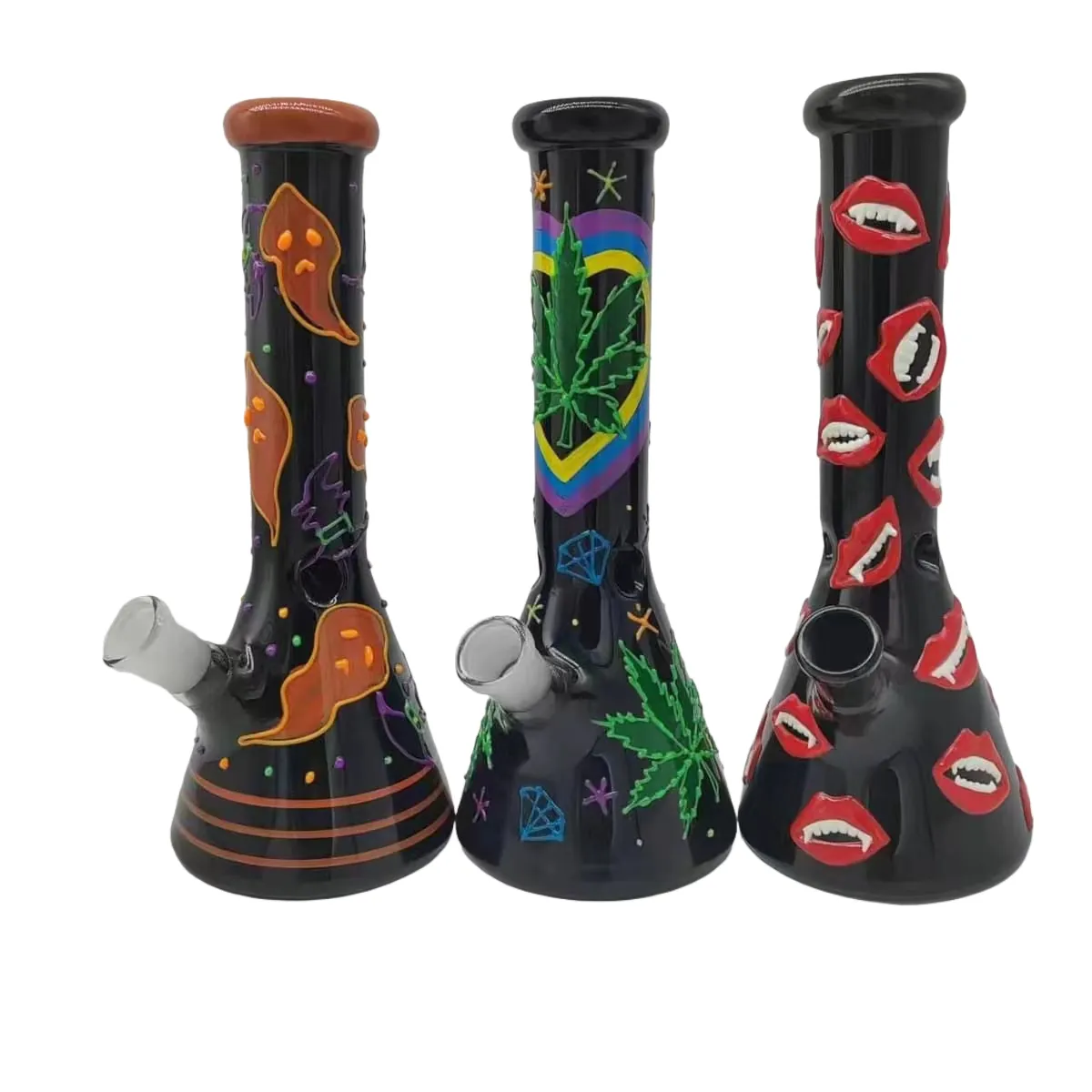
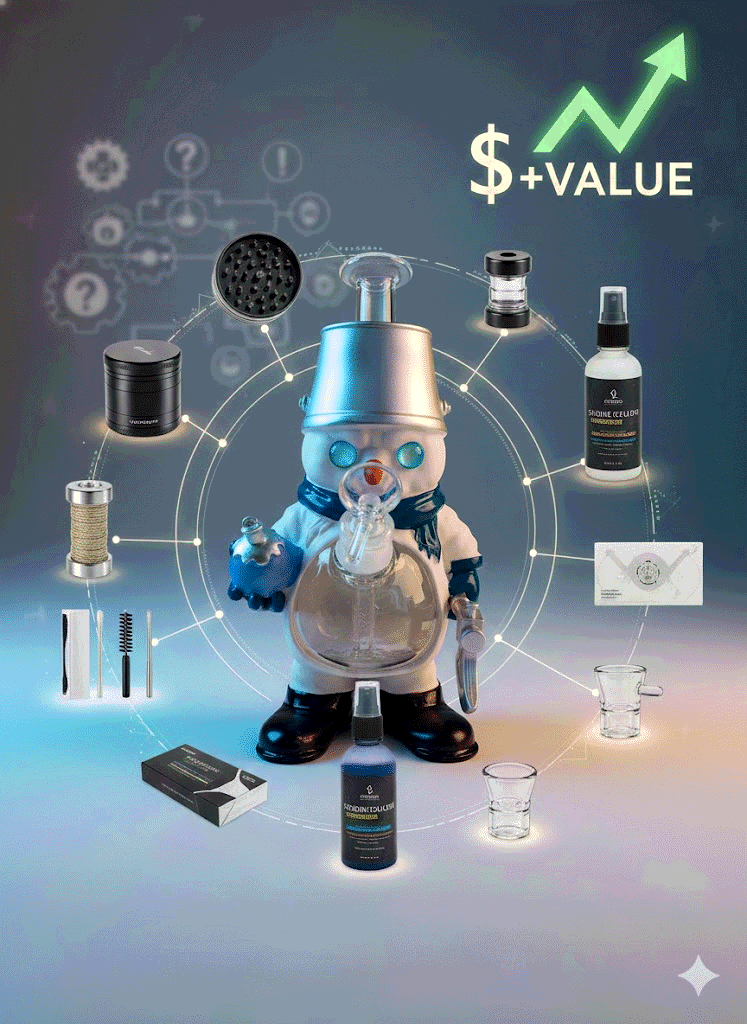
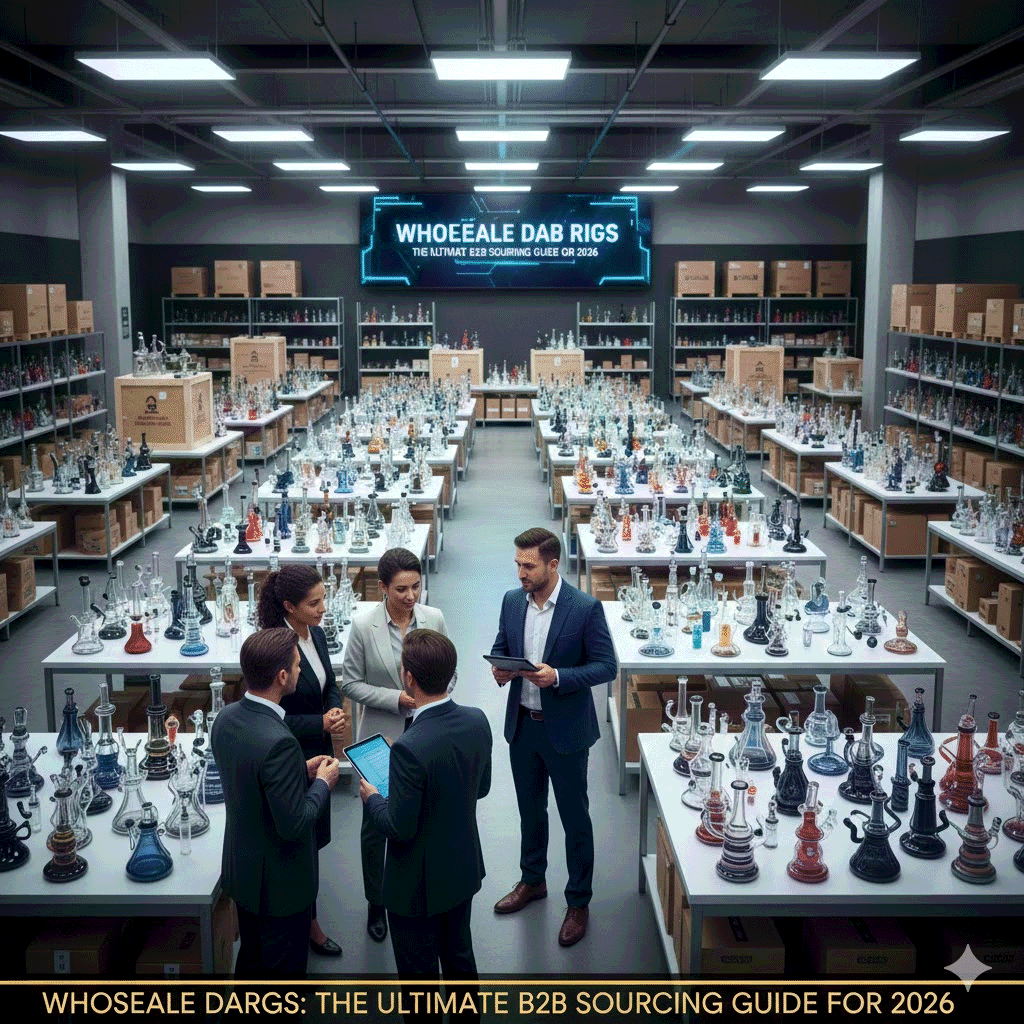
Tier structures follow the volume-discount logic in wholesale pricing models, where unit cost decreases as order quantity increases.
Ready to Source Custom Glass Pipes?
Get a free quote within 24 hours. MOQ from 100 pieces. NDA-protected design consultation.
