A retailer we talked to last year signed his lease in March and spent the next six weeks unable to print his sign. He had a shortlist of five names and rejected one every week — each candidate failed a different test the moment he tried to use it in the real world. The domain was taken. The word looked fine on paper but was impossible to say out loud. One name tested well until he realized it would box him into a single product category forever.
His problem was not a lack of ideas. It was that he was treating the name like a slogan when it is actually a load-bearing decision. In smoke-shop retail, a name carries more weight than in most categories: the sector is regulated, the customer base is loyal to places that feel trustworthy, and many owners eventually want the shop name to grow into a branded product line. If that is your goal, review the wholesale hand pipe range you would put the name on before you finalize it. Get the name wrong and you are not just rebranding a logo — you are re-registering a business, re-ordering signage, and rebuilding recognition you already paid for.
For more on this topic, see our guide on online vs brick-and-mortar channel comparison.
- A smoke shop name must clear five tests at once: memorable, pronounceable, category-aware without being locked in, scalable, and usable across domain, handle, and signage
- There are four workable naming routes — descriptive, evocative, founder-place, and playful — and each carries a different cost you should choose deliberately
- Run the legal checks before you fall in love with a name: trademark, business registration, and caution with words that imply a license you do not hold
- If you may ever sell your own branded glass, pick a name that can become a product brand, and protect it with an NDA before sharing it with any manufacturer
What a Smoke Shop Name Actually Has to Do
Most naming advice treats the decision as a creativity exercise. That framing is backwards. A name is a piece of working equipment, and the first step is to list the jobs it must perform every single day. If a candidate cannot do all five of these jobs, it does not matter how clever it sounds.
It must be memorable after one hearing. Your customers will recommend you to friends verbally, in a category where many people still prefer word of mouth over searching. A name that needs spelling out or explaining loses most of those referrals.
It must be pronounceable without hesitation. Say the candidate out loud three times, then imagine a first-time customer asking for directions to it over the phone. Names that stumble in the mouth stumble in marketing.
It must signal the category without locking you into it. A name that makes the shop’s purpose clear helps first-time customers feel they are in the right place. But a name built around one product — one format, one brand of accessory, one trend — becomes a cage the day your mix evolves.
It must scale. The name that fits a single neighborhood counter should still fit if you open a second location, sell online, or put your own branded glass on the shelf. Test every candidate against a version of your business three sizes larger than today’s.
It must work everywhere at once. Storefront sign, domain, Instagram handle, marketplace seller name, and the business registration. It will also sit in the From field of every campaign you send that wins in one channel but is unavailable in another is not a name yet — it is a negotiation you have not finished.
The Four Naming Routes, and What Each One Costs
Nearly every smoke shop name you have ever noticed falls into one of four routes. None of the four is wrong; each one trades a different strength for a different cost. Choosing the route deliberately is what separates a strategic name from a lucky one.
| Route | What it signals | Where it shines | The cost |
|---|---|---|---|
| Descriptive | What you sell, plainly | Instant category clarity, strong for local search | Hard to own legally, blends into competitors, weak as a future product brand |
| Evocative | A mood, image, or idea | Distinctive, ownable, scales into a brand story | Needs marketing spend to teach the market what you sell |
| Founder or place | A person or a location | Built-in trust and local rooting | Hard to sell the business later, tied to one geography |
| Playful | Humor or subculture reference | Memorable, shareable, strong community signal | Ages fast, can repel premium customers and landlords |
The descriptive route is the most common and the most crowded. A name that simply says what you sell is easy to understand, but it is also nearly impossible to own as a trademark, and it gives customers no reason to pick you over the shop with a similar name two blocks away.
The evocative route is where the strongest long-term retail brands live, because an invented or suggestive word can be owned outright and can carry a story as you grow. The price you pay is patience: an evocative name starts empty and only fills with meaning as you market it.
Founder and place names buy trust fast, especially in a category where customers are choosing who to feel comfortable with. The trade is flexibility — a business named after its owner or its street is harder to sell, expand, or move.
Playful names earn attention cheaply and signal that you understand the culture. But humor has a short half-life, and a joke on your sign can quietly repel exactly the premium customers and commercial landlords you may want in five years.
There is no universally best route. The strategic move is to pick the route whose cost your business can afford, rather than landing on a name and rationalizing it afterwards.
The Legal and Regulatory Checks Before You Commit
Once a candidate survives the five job tests, run it through the checks that catch problems you cannot un-fix later. Do these before you order signage, register the business, or file anything.
Trademark search. Search your national trademark database for the exact name and for close variants in related retail categories. A name that is already registered for a related class can force a rename years in, after you have built recognition. If the name matters to your plan, a trademark attorney’s opinion is cheap relative to the cost of rebranding.
Business registration availability. Confirm the name is registrable as a business entity in your jurisdiction. Registration systems reject names that are deceptively similar to existing ones, and that rejection often arrives after you have already told everyone your name.
Words that imply a license you do not hold. Terms that suggest a licensed activity — words tied to cannabis retail or dispensing, for example — can be restricted or require authorization depending on where you operate, and platforms and landlords apply their own rules on top of the law. The safe habit is to treat any name that sounds like a licensed dispensary as a name that needs explicit local legal confirmation before you use it. We are not lawyers, and naming rules differ by jurisdiction, so verify the specifics where you actually operate.
Platform and landlord acceptability. Marketplaces, payment processors, social platforms, and commercial landlords each have their own standards for the businesses they host. A name that sails through government registration can still trip a platform policy. If you plan to sell online, check the terms of the platforms you intend to use before you print anything.
Domain, Handles, and Signage: the Practical Sweep
With the legal boxes checked, sweep the channels where the name has to live. This is where most shortlists shrink fast, and it is better to discover the collision now than after registration.
Check the exact-match domain first, and be honest about what you will accept. A short, clean, pronounceable domain that matches the shop name is worth more than a clever abbreviation nobody can spell. Then check the same handle on the social platforms your customers actually use, the marketplace seller name if you plan to sell online, and any directory listings that matter locally.
Finally, put the name on a mock sign. A name that reads well in a text message can look wrong on signage — too long, too easy to misread at a distance, or hard to render as a legible logo. This is a five-minute exercise with a free design tool, and it eliminates a surprising number of candidates.
Wholesale Supply Built for Smoke-Shop Sell-Through
Elfglass helps you forecast demand, build a high-turnover catalog, and reorder on a rhythm that keeps best-sellers in stock without dead inventory. Share your shop profile and we will map a sourcing plan.
MOQ from 100 pieces | BSCI / WRAP / ISO 9001 | NDA before every project
Test the Name Against Your Real Customers
A smoke shop does not serve one generic customer. It serves a mix of regulars with strong, different habits — the connoisseur who cares about craft, the price-driven casual buyer, the newcomer who is nervous about walking in at all. A name that attracts one persona can actively repel another.
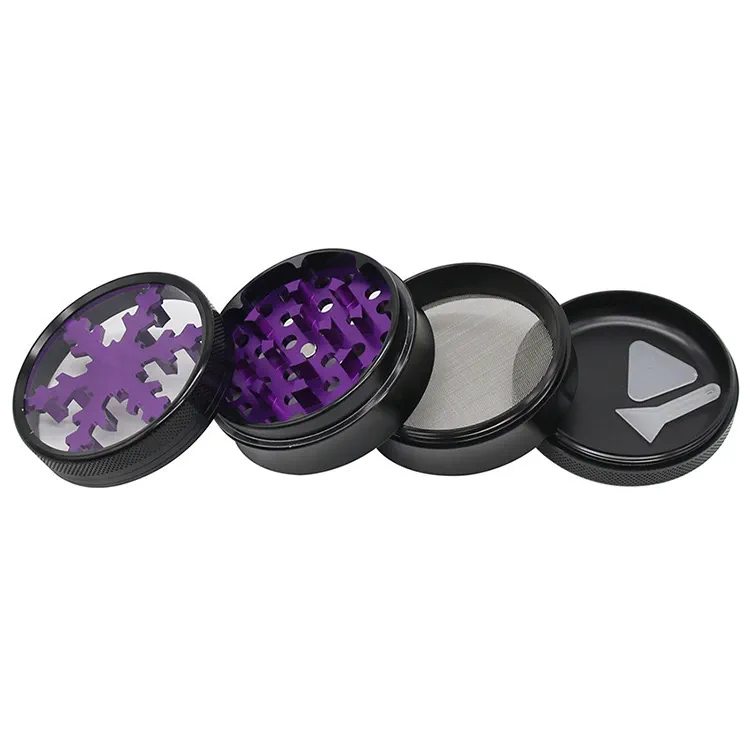
Before committing, run the shortlist past people who match the customer mix you actually want. Ask them three questions and listen to the answers literally: What do you think this place sells? Would you feel comfortable walking in? Would you recommend it to a friend, and how would you say the name out loud? The third question is the one that catches pronunciation problems no amount of staring at a list will reveal.
If you serve several distinct segments, favor the name that none of your target personas finds off-putting, even if it is not the dramatic favorite of any single one. In retail, a name that nobody rejects usually beats a name that somebody loves.
Name With Your Future Private Label in Mind
Here is the consideration most naming guides miss entirely. Many smoke shop owners eventually move from reselling other people’s glass to selling their own branded pieces — and when that day comes, the shop name is the natural candidate for the product brand.
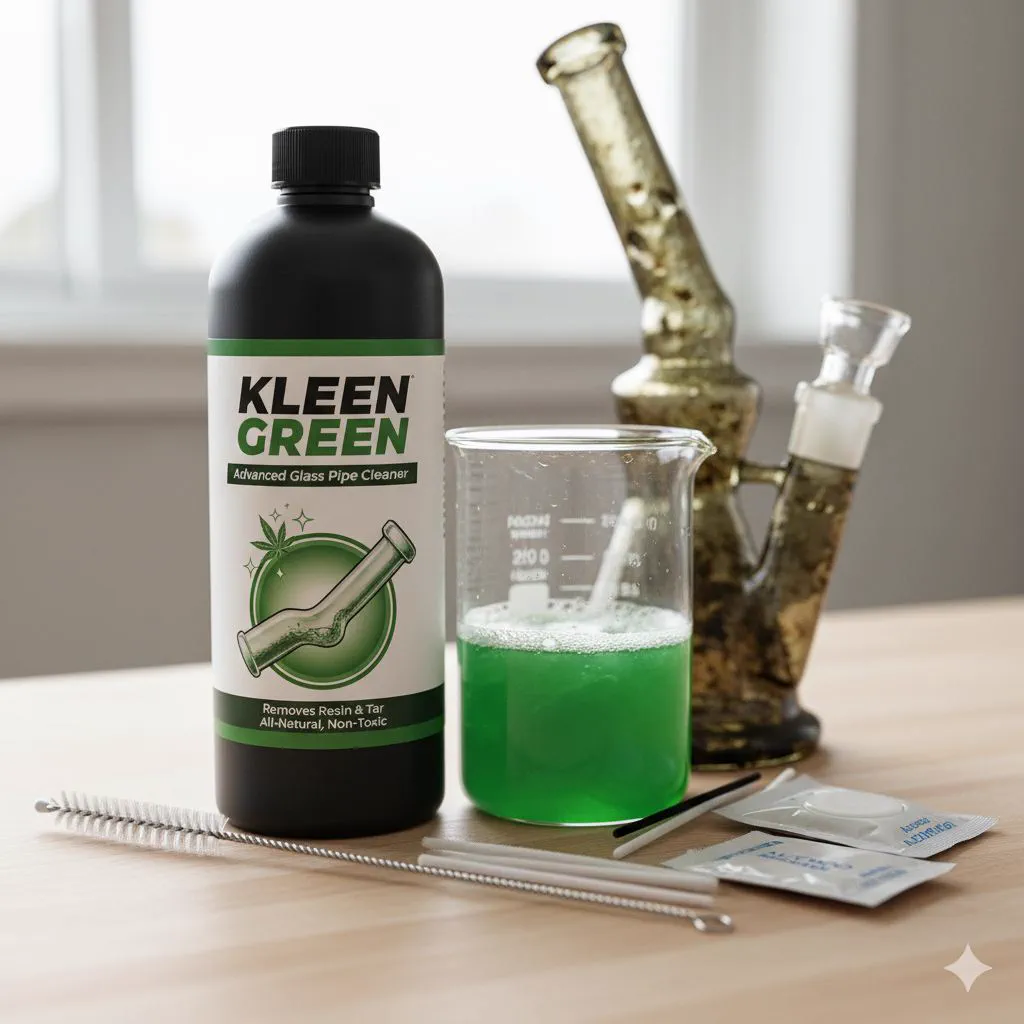
If there is any chance you will go down that road, test your name candidates as product brands, not just shop names. Picture the candidate etched or printed on a glass piece sitting in a display case, then ask whether it still reads as premium on a shelf. A descriptive shop name that works fine over a door can look flat and generic printed on a product, while an evocative name often makes the transition naturally. Once the brand translates to product, consider whether seasonal limited edition releases could extend the brand story with exclusive, time-limited pieces.
This is exactly the conversation we have with retailers at Elfglass, because we run OEM and ODM projects and keep custom molds exclusive to the client’s brand. Since 2010, and with a team of 20 in a 1,000-square-meter facility, we have built glass under retailers’ own names — with an MOQ of 100 pieces per design, sampling in 1-3 days, and an NDA signed before the project starts. If you are weighing whether a name can carry a private label, you can review how that process works and what it costs in our market insights, and read how retailers approach private label versus white label glass before deciding, and explore the story behind the Elfglass factory to see how a designer’s philosophy shapes every OEM project.
The practical rule: if you share your brand name or design ideas with any manufacturer during this exploration, insist on an NDA before the conversation starts. A name you have carefully cleared can be squatted or copied if it leaks too early, and in a niche market that copycat risk is real, not theoretical.
Your Naming Decision Checklist
Run every finalist through this checklist in order. A candidate that fails any of the first four checks goes back on the list; it does not get negotiated through.
- Job test: memorable after one hearing, easy to pronounce, signals the category without locking you in, scales to a bigger version of the business
- Channel test: exact-match or clean domain available, same handle free on the platforms you use, registrable as a business name
- Legal test: trademark search cleared for the relevant class, no words implying a license you do not hold without local legal confirmation
- Acceptability test: passes the standards of the marketplaces, payment processors, and landlords you plan to use
- Persona test: no target customer segment finds it off-putting; people can say it out loud without stumbling
- Private-label test: if you may ever brand your own glass, the name still reads as premium printed on a product
- Protection test: you can register it, and you will use an NDA before sharing brand or design plans with any manufacturer
A name that clears all seven is worth committing to quickly, because every extra week of indecision is recognition you are not building. The retailers who struggle longest with naming are rarely the ones with too few ideas — they are the ones who never wrote down the tests, so every candidate got judged by a different mood.
Frequently Asked Questions
How long should a smoke shop name be?
Short enough to say and spell without hesitation, and short enough to fit a sign and a domain. In practice, two to three words is the sweet spot for most retailers; longer names almost always get shortened by customers anyway, so you are better off choosing the short version yourself.
Can I use the word cannabis in my shop name?
Only after confirming it locally. Several jurisdictions restrict or condition the use of cannabis-related terminology for retail that is not licensed as a dispensary, and platforms and landlords add their own rules. Treat any name that implies a licensed activity as one that needs explicit legal confirmation before you use it.
Should my shop name and my private label brand be the same?
If the shop name is evocative and reads as premium on a product, keeping them aligned is usually the strongest choice because every sale reinforces one brand. If your shop name is descriptive or location-bound, a separate product brand can be worth it. Either way, protect the name with registration and an NDA before sharing it with a manufacturer.
Do I really need a trademark search before opening?
A search is cheap insurance. You can open without one, but if your name collides with a registered mark in a related class, a forced rename later costs far more than the search and the early registration would have. For a business whose name is also planned as a product brand, the search is effectively mandatory.
What if I plan to sell online under the same name?
Then treat online channels as first-class citizens during naming, not an afterthought. Check the marketplace seller name, the payment processor rules, and the social handles before you commit, because platforms enforce their own naming standards independently of government registration.
A name is the first piece of your brand your customers ever touch, and in this category it is also the first piece a manufacturer or a platform will judge. Choose it with written tests, clear it legally, and protect it before you share it. The retailers we build private label glass with at Elfglass — MOQ 100 per design, sampling in 1-3 days, quote within 12 hours — almost always arrived at their brand name the same disciplined way.
Get a Quote for Your Next Order
Building your wholesale lineup? once your store name is locked in? Explore our wholesale hand pipe collections for MOQ, tiered pricing, and factory-direct lead times. Send us your product spec and target quantity — contact our factory team or message us on WhatsApp, and we will reply with pricing and lead times within 24 hours.
About the Author
Ava Zeng is the founder of Elfglass, a Shenzhen-based borosilicate glass pipe manufacturer serving B2B brands worldwide. Every guide on this site is grounded in her production-floor experience— the annealing lines, QC checkpoints, and export orders behind each claim.
Before you commit to a supplier, read her founder’s story and trust promise, and the guide to vetting a reliable glass pipe manufacturer— the same red-flag checklist Elfglass applies to its own suppliers.
When you are ready to brief a manufacturer, request an NDA template as the first step.
Naming decisions follow the principles in brand management, where memorability, trademark availability, and domain registration determine viability.
Ready to Source Custom Glass Pipes?
Get a free quote within 24 hours. MOQ from 100 pieces. NDA-protected design consultation.
