
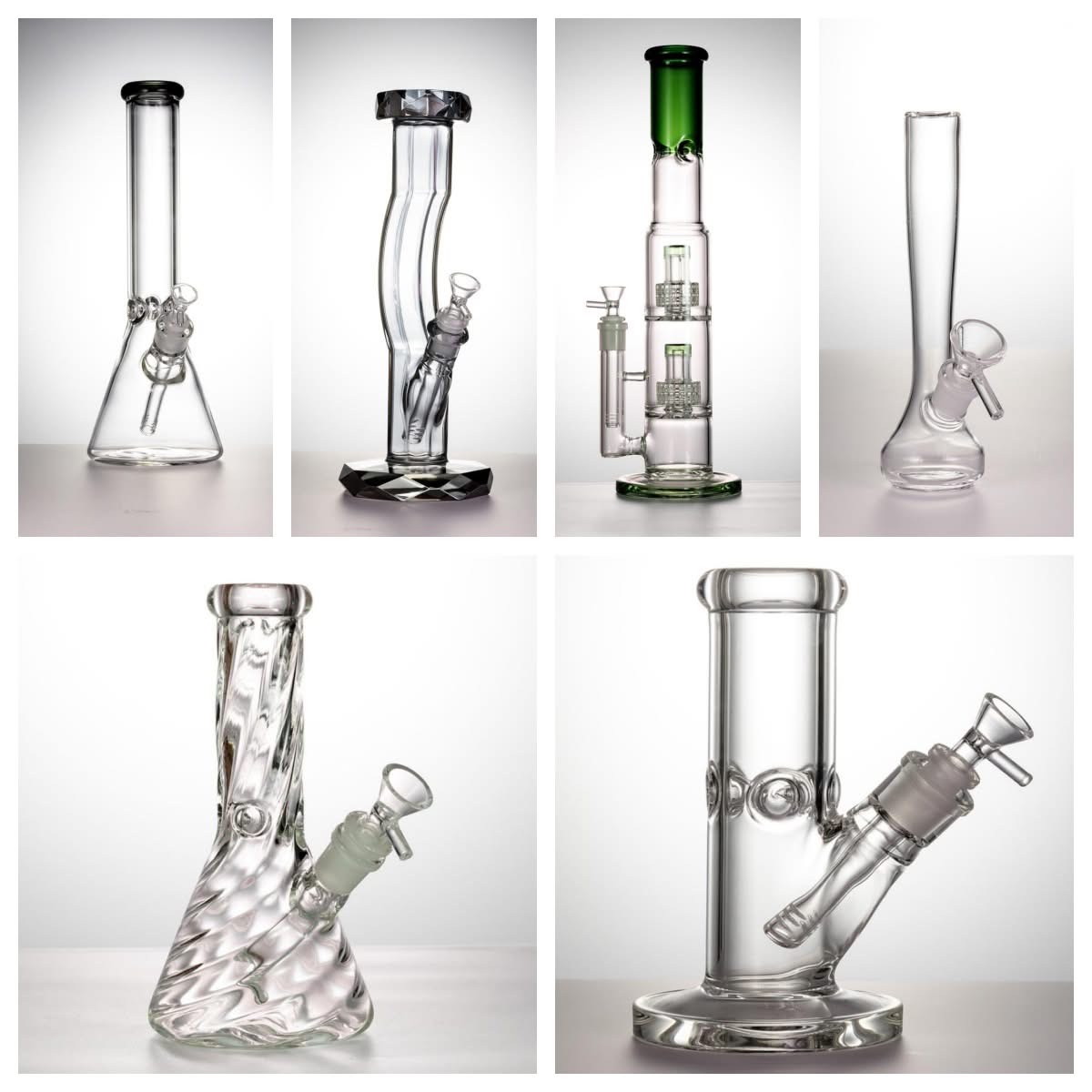
If you have ever watched a customer walk into a smoke shop and head straight for the biggest, heaviest piece on the shelf, you already understand why base shape matters. The debate between beaker and straight tube water pipes is one of the oldest in the glass category, and it shows no sign of settling. Both designs have loyal followings, both sell well when positioned correctly, and both solve different problems for different end users. Water filtration here follows the basic water-pipe principle—smoke drawn through water before reaching the user—which is documented in standard references (water pipe design reference).
Related reading: hand pipe draw mechanics.
As a manufacturer, we produce both shapes every week. This article breaks down the real differences, the ones rooted in physics and daily use, so you can make smarter stocking decisions and give your retail customers the guidance they actually need.
What Is a Beaker Base Water Pipe?
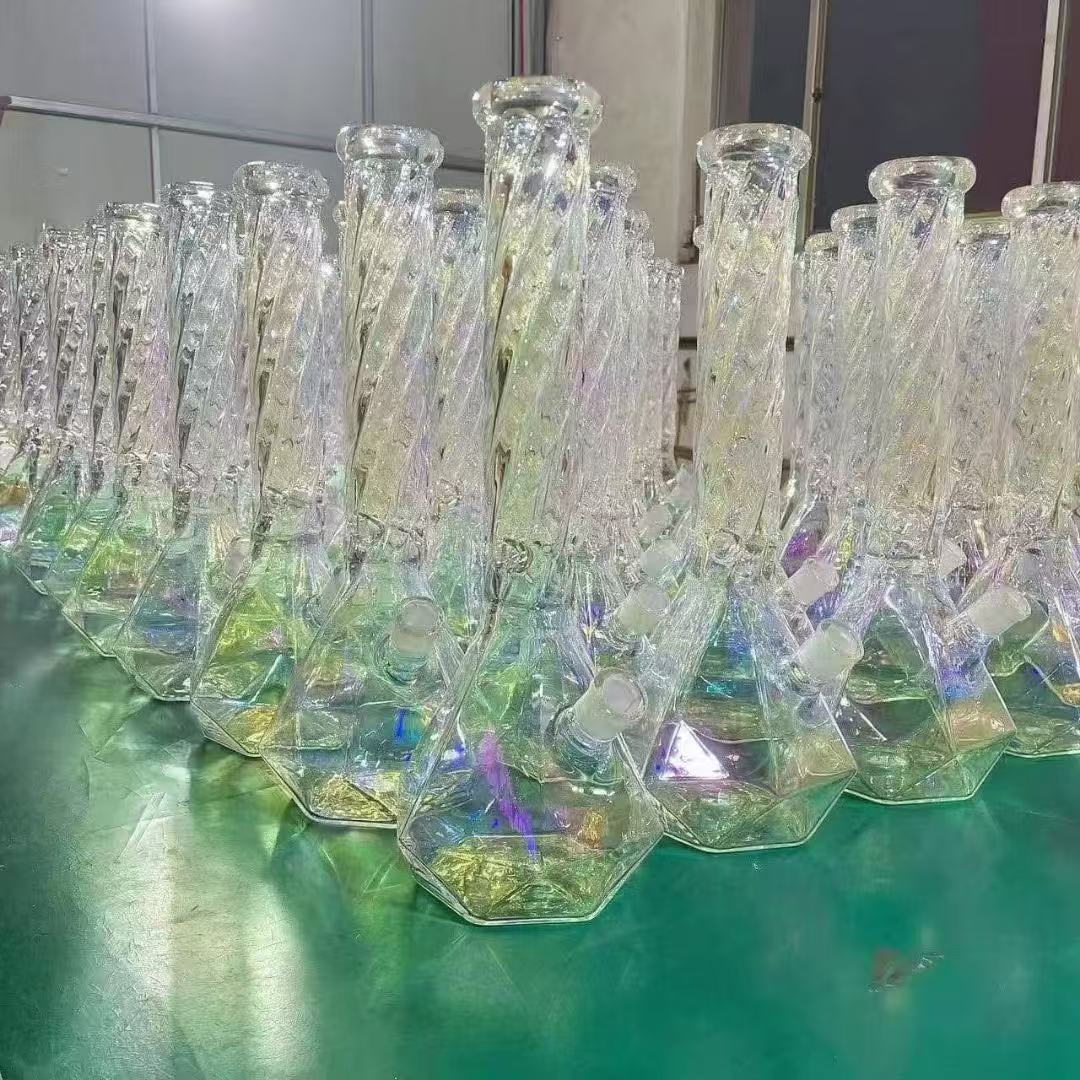
Named after the flat-bottomed laboratory flask, a beaker base water pipe features a wide, triangular bottom that flares outward before tapering into a narrower neck. That silhouette is not just an aesthetic choice. The broad base gives the piece a low center of gravity and a large contact area with whatever surface it sits on. One neck detail worth understanding in depth is the ice pinch and how it changes day-to-day usability.
In practice, this means a beaker bong resists tipping. Set it on a counter, a table, or a shelf and it tends to stay put, even when bumped. The wider chamber also holds more water, which increases the distance smoke travels through liquid before reaching the user. More water contact means more particulate matter gets trapped and the smoke cools further before inhalation.
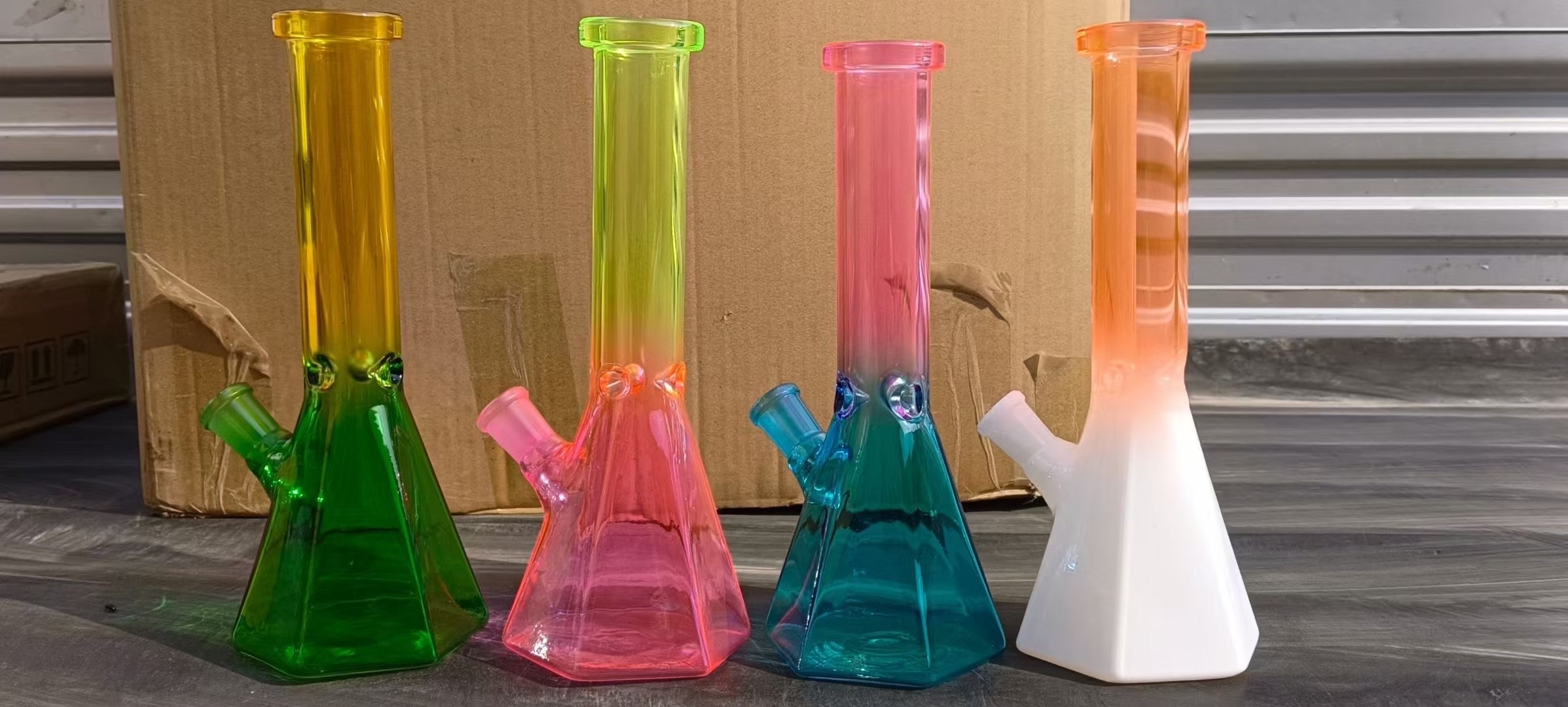
For retail, beaker bongs tend to attract first-time buyers and home users who value a relaxed session. The shape reads as substantial and forgiving. It is the piece you recommend when someone asks, “I want something smooth that will not tip over every time I set it down.”
What Is a Straight Tube Water Pipe?
A straight tube water pipe does exactly what the name suggests: a single cylindrical column from base to mouthpiece. No flare, no widening at the bottom. The design prioritizes simplicity, portability, and a direct draw.
Because the tube stays narrow from top to bottom, airflow encounters less resistance. Smoke passes through the water column in a tighter path with fewer directional changes. Many experienced users describe the hit as more immediate and intense. The trade-off is reduced stability. A narrow footprint means a higher center of gravity, and the piece is more prone to tipping, especially when accessories like a heavy bowl or aftermarket downstem are attached.
Straight tubes appeal to users who prioritize function over form, portability over capacity. They are easier to pack for travel, simpler to clean, and often available at a lower price point because less material goes into the build.
Beaker vs Straight Tube: Key Differences at a Glance
| Feature | Beaker Base Water Pipe | Straight Tube Water Pipe |
|---|---|---|
| Base shape | Wide, flared triangular | Narrow, cylindrical |
| Stability | High | Moderate |
| Water volume | Higher | Lower |
| Splash resistance | Better (more distance from waterline) | More prone (narrower chamber) |
| Airflow | Slower, more diffusion | Faster, more direct |
| Hit character | Smoother, cooler | More intense, immediate |
| Portability | Bulky, heavier | Compact, lighter |
| Ideal user | Beginners, home sessions | Experienced users, on-the-go |
| Retail positioning | Entry-level, premium home pieces | Travel-friendly, value range |
Stability: The Physics Behind the Base
When a customer asks which is more stable, beaker or straight tube, the answer is not subjective. It is geometry. A beaker base creates a wider support polygon. The feet of that polygon, where the glass meets the surface, sit farther apart. That alone makes the piece harder to tip. Add the weight of the water, which pools in the broad bottom, and the center of gravity drops further.
A straight tube, by contrast, has a small circular footprint. The center of gravity sits higher, especially as the piece gains height. A tall straight tube with a thick glass bowl inserted becomes top-heavy. A careless elbow or an enthusiastic set-down can send it over.
This is not a trivial concern for retailers. Breakage from tipping is one of the most common complaints in the water pipe category. A beaker base water pipe eliminates a significant portion of that risk simply through its shape. For display-heavy retail environments where pieces sit on open shelves or glass counters, the stability advantage of the beaker design translates directly into fewer losses.
That said, some manufacturers add stability features to straight tubes, like weighted bases or rubber rings. These help but do not fully close the gap with a true beaker geometry.
Filtration and Performance
Filtration in a water pipe depends on two things: how much water the smoke passes through, and how long it stays in contact with that water. A beaker base typically holds more water and creates a longer bubble path. The smoke enters through the downstem, travels upward through the water column, and has more opportunity to cool and leave behind particulate matter.
A straight tube water pipe holds less water and creates a shorter path. The smoke still gets filtered, but the contact time is reduced. What the straight tube loses in smoothness, it makes up for in airflow efficiency. Less resistance means the user does not have to pull as hard, and the hit arrives faster. For concentrate users and experienced consumers, that directness is often the preferred experience.
Neither design is universally better at filtration. The difference is in character. Beaker bongs deliver a cooler, gentler hit. Straight tubes deliver a quicker, more forceful one. Your retail customers will have preferences on both ends of that spectrum, which brings us to stocking strategy.
Stock the Glass Pipes Your Customers Actually Buy
Elfglass produces the full wholesale catalog, from hand pipes and sherlocks to dab rigs, percolator bongs, and accessories, in proven best-selling specs. Tell us your market and we will recommend a catalog mix with pricing.
MOQ from 100 pieces | BSCI / WRAP / ISO 9001 | NDA before every project
Which Shape Sells Better at Retail?
Both, if you stock them thoughtfully. The customers who walk into your store are not a monolith. First-time buyers and casual users gravitate toward beaker bongs. The wide base feels stable and forgiving. The smoother hit is less likely to cause coughing, which matters when someone is still learning. Beaker bongs also photograph well and look impressive on display, which helps with visual merchandising.
Straight tubes attract a different buyer. Experienced users who know exactly what they want often reach for the simpler design. They value portability and a more direct experience. Straight tubes also tend to sit at a lower price point, which makes them attractive for budget-conscious customers or those who want a secondary piece for travel.
The data we see from wholesale orders suggests that buyers who stock both shapes consistently outperform those who pick one. The beaker vs straight tube question is not either-or. It is about covering the full range of end-user preferences in your store.
Stocking Strategy: Building a Water Pipe Collection
If you are building or expanding your water pipe category, shape is a useful organizing principle. Start with beaker bongs in two to three size ranges. A compact beaker around 10 inches works for customers who want the stability without the bulk. A full-size 14-to-16 inch piece covers the standard home-use segment. Add one larger option for buyers who want a statement piece.
For straight tubes, focus on the mid-range. An 11-to-14 inch straight tube hits the sweet spot between portability and function. Stock at least one option with a removable downstem so customers can customize their setup.
An ash catcher extends that customization: it changes the filtration and draw of a straight tube without touching the piece itself — the wholesale ash catcher guide covers which styles pair with 45- and 90-degree joints.
Then branch out. Top rig styles for the coming season include recyclers, mini rigs, and hybrid designs that blend elements from both beaker and straight tube geometries. A well-rounded collection also includes the different types of glass pipes beyond water pipes, such as bubblers and hand pipes, to capture customers at every price point and use case.
When you are ready to source wholesale beaker bongs or wholesale straight tube water pipes for your store, review the full catalog at our wholesale water pipe catalog, covering current designs, available percolator options, and customization possibilities for your brand.
How Percolator Choice Interacts with Base Shape
The base shape sets the foundation, but the percolator determines what happens inside the water column. A beaker base, with its wider chamber, accommodates larger percolators like discs and honeycombs. These percs create fine bubble patterns that maximize diffusion. The combination of a beaker base and a disc percolator is one of the most effective filtration setups available in a standard water pipe.
A straight tube water pipe typically pairs with a simpler percolator or a fixed downstem. The narrow chamber limits the size of percolator that fits comfortably. Some straight tubes use showerhead percs or single-slit designs that work within the tighter space. For a detailed breakdown of how different percolator types affect performance, see our percolator types comparison guide.
For retail, this interaction matters because it lets you differentiate within each shape category. Two beaker bongs with different percolators are effectively two different products. That variation gives your customers more reasons to browse and more options to match their preferences.
What This Means for Your Sourcing Decisions
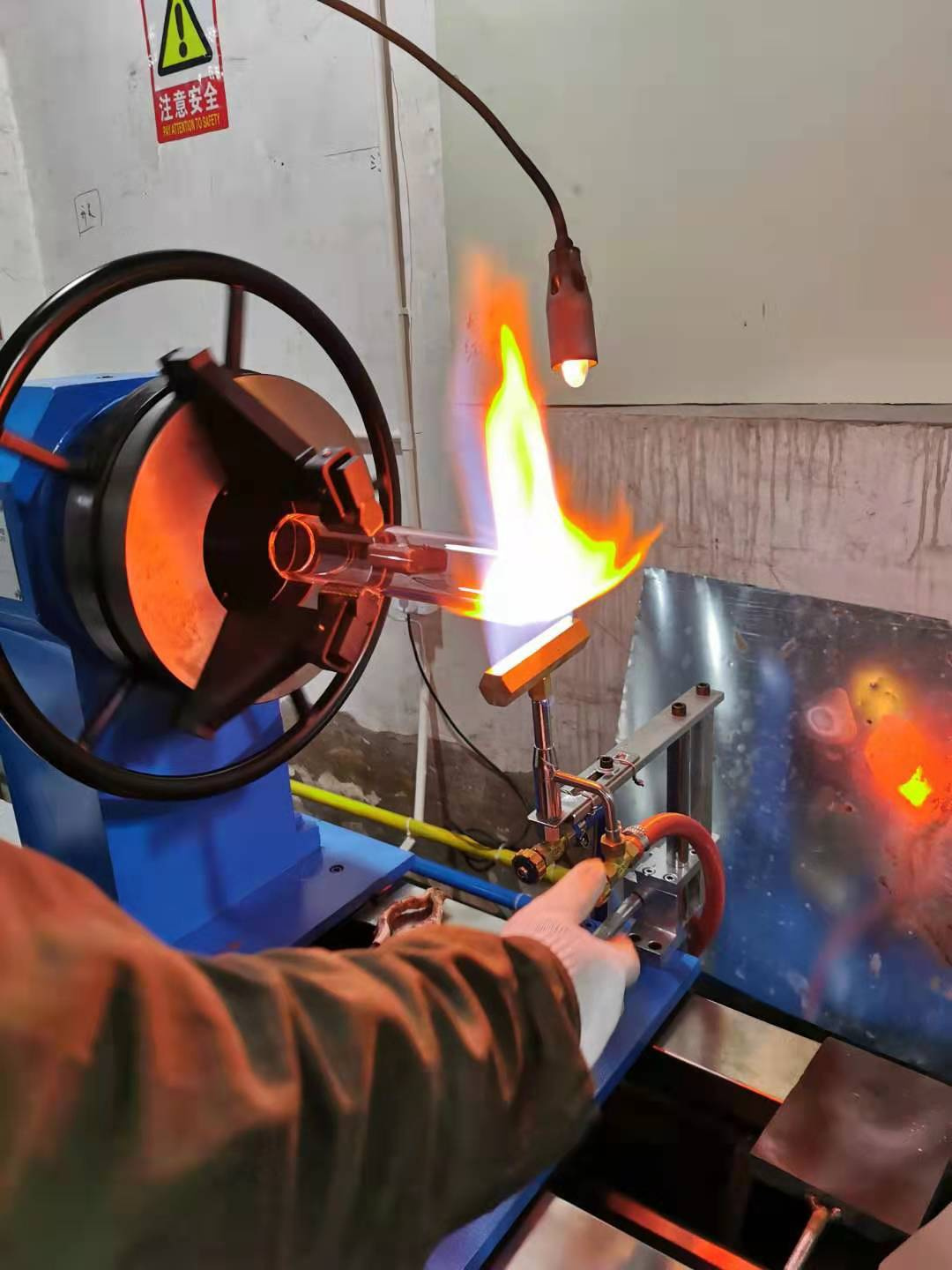
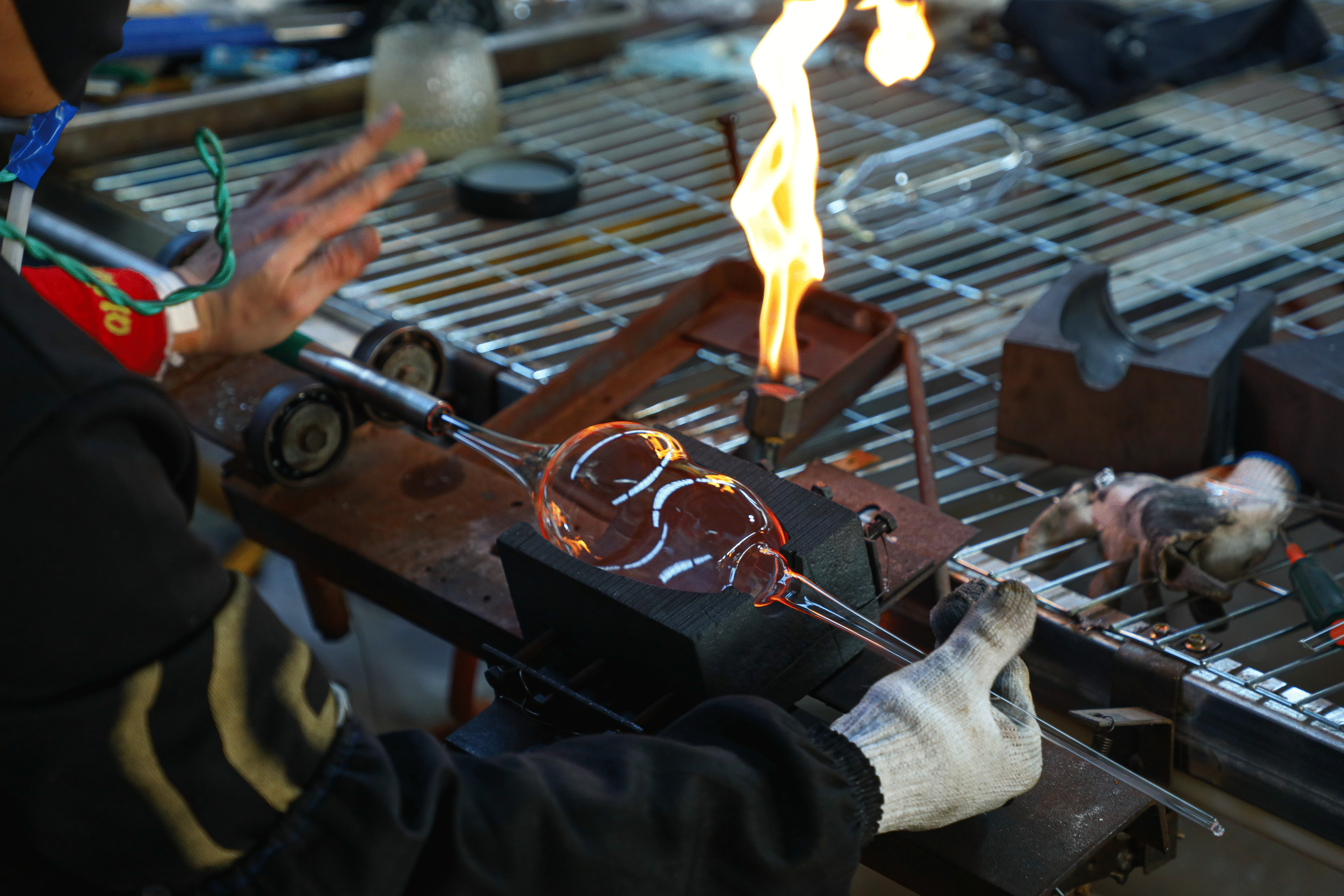
From a manufacturing standpoint, beaker and straight tube designs differ in production complexity. A beaker base requires more material and more careful handling during the annealing process. The joint where the base meets the tube is a stress point that demands precision. A straight tube is simpler to produce but requires consistent wall thickness throughout its length to avoid weak spots.
When evaluating a supplier, the question is not whether they can make one shape well. It is whether they can produce both reliably, at consistent quality, and with the flexibility to support your design requirements. The principles here extend beyond water pipes. Whether you are comparing glass versus electric dab rigs or choosing between water pipe styles, the fundamentals of supplier evaluation remain the same: transparency, quality control, and communication.
Frequently Asked Questions
What is the difference between beaker and straight tube water pipes?
The main difference is the base shape. A beaker base water pipe has a wide, flared bottom that provides high stability and holds more water for smoother hits. A straight tube water pipe has a narrow cylindrical body that offers less stability but delivers faster, more direct airflow. The beaker design suits home use and beginners. The straight tube appeals to experienced users who want portability and a stronger hit.
Which is more stable, beaker or straight tube?
A beaker base is significantly more stable. The wide triangular footprint creates a larger support polygon and a lower center of gravity, especially when filled with water. A straight tube has a small circular base and a higher center of gravity, making it more prone to tipping. For retail displays or customers who prioritize durability, the beaker shape is the safer choice.
Does a beaker base filter better than a straight tube?
A beaker base holds more water and creates a longer bubble path, which increases smoke-water contact time. This generally results in cooler, more filtered hits. A straight tube holds less water and produces a shorter path, so filtration is reduced but airflow is more direct. Neither is objectively better. It depends on whether the end user prefers smoothness or intensity.
Which bong shape is better for beginners?
A beaker base water pipe is generally better for beginners. The wide base prevents tipping, the higher waterline produces smoother hits that are easier on the throat, and the overall design feels more stable and forgiving during use. It is the shape most first-time buyers reach for, and the one that generates fewer complaints in early use.
Should a retail store stock both beaker and straight tube water pipes?
Yes. The two shapes serve different customer segments. Beaker bongs attract beginners and home users who want stability and smooth hits. Straight tubes appeal to experienced users who value portability and a more direct draw. Stocking both shapes ensures your store covers the full range of preferences. Most successful retailers also diversify into other styles like recyclers, bubblers, and hand pipes.
Final Thoughts
The beaker vs straight tube debate will continue because both designs earn their place. A beaker base water pipe offers stability, higher water volume, and a smoother experience. A straight tube water pipe delivers portability, faster airflow, and a more intense hit. Neither is a compromise. Each is the right tool for a different job.
As a retailer or brand owner, your job is not to pick a winner. It is to understand what each shape offers and stock accordingly. Your customers will do the rest.
If you are evaluating suppliers for your next order of beaker bongs or straight tube water pipes, reach out to our team to discuss your requirements, customization options, and lead times.
About the Author
Ava Zeng is the founder of Elfglass, a Shenzhen-based borosilicate glass pipe manufacturer serving B2B brands worldwide. Every guide on this site is grounded in her production-floor experience— the annealing lines, QC checkpoints, and export orders behind each claim.
Before you commit to a supplier, read her founder’s story and trust promise, and the guide to vetting a reliable glass pipe manufacturer— the same red-flag checklist Elfglass applies to its own suppliers.
Downstems are the replacement part a beaker needs most when everything else survives: the wholesale downstems and bowls guide covers joint sizing, diffuser types, and the quality checks that keep replacement stock from becoming returns.
Base geometry comparisons reference the engineering principles in water pipe design, where center-of-gravity placement determines stability.
Ready to Source Custom Glass Pipes?
Get a free quote within 24 hours. MOQ from 100 pieces. NDA-protected design consultation.
