
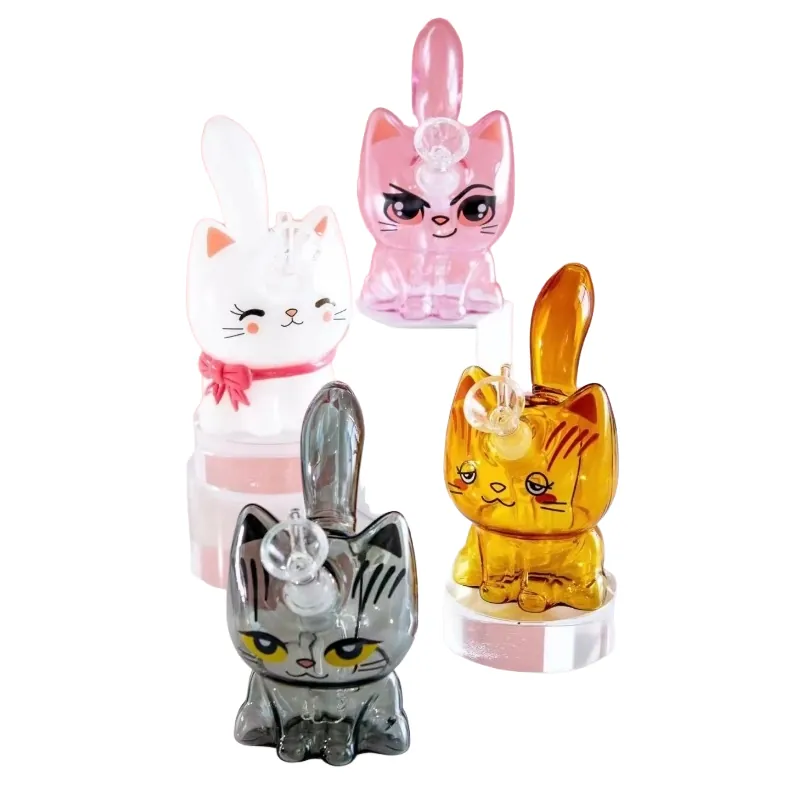
An ash catcher is a small glass chamber that sits between the bowl and the bong, catching ash and debris before they reach the water. Think of it as the sump filter of a water pipe: the piece that keeps everything downstream cleaner. For wholesalers, it is also something more — the single easiest add-on sale in the glass category, because it is bought by customers who already own a bong and already know what it does. Water filtration here follows the basic water-pipe principle—smoke drawn through water before reaching the user—which is documented in standard references (water pipe design reference).
This guide covers what to check before ordering wholesale ash catchers — how they work, the types worth stocking, joint compatibility, quality checks, and the ordering path from sample to shelf.
What an Ash Catcher Actually Does
When a bowl is hit, embers and ash get pulled down with the smoke. In a bong without an ash catcher, that material lands in the water, clouds it, and eventually clogs the downstem slits. An ash catcher intercepts that flow: smoke and embers pass through its chamber, the heavier particles drop out of the air stream, and only cleaned smoke continues into the bong.
That single function produces three visible benefits for the owner. The bong water stays cleaner for longer. The downstem and perc need less scrubbing. And because many ash catchers add their own water and percolation, the hit comes out smoother than it went in. None of these benefits requires explaining — customers understand the pitch the moment they see ash floating in dirty water.
The Diffusion Bonus
Most ash catchers are not passive filters. A wet ash catcher holds its own water and a perc, so it doubles as an extra diffusion stage: the smoke is broken into finer bubbles twice — once in the catcher, once in the bong. This is why a well-matched catcher changes the draw quality of a mid-range bong more noticeably than almost any other accessory.
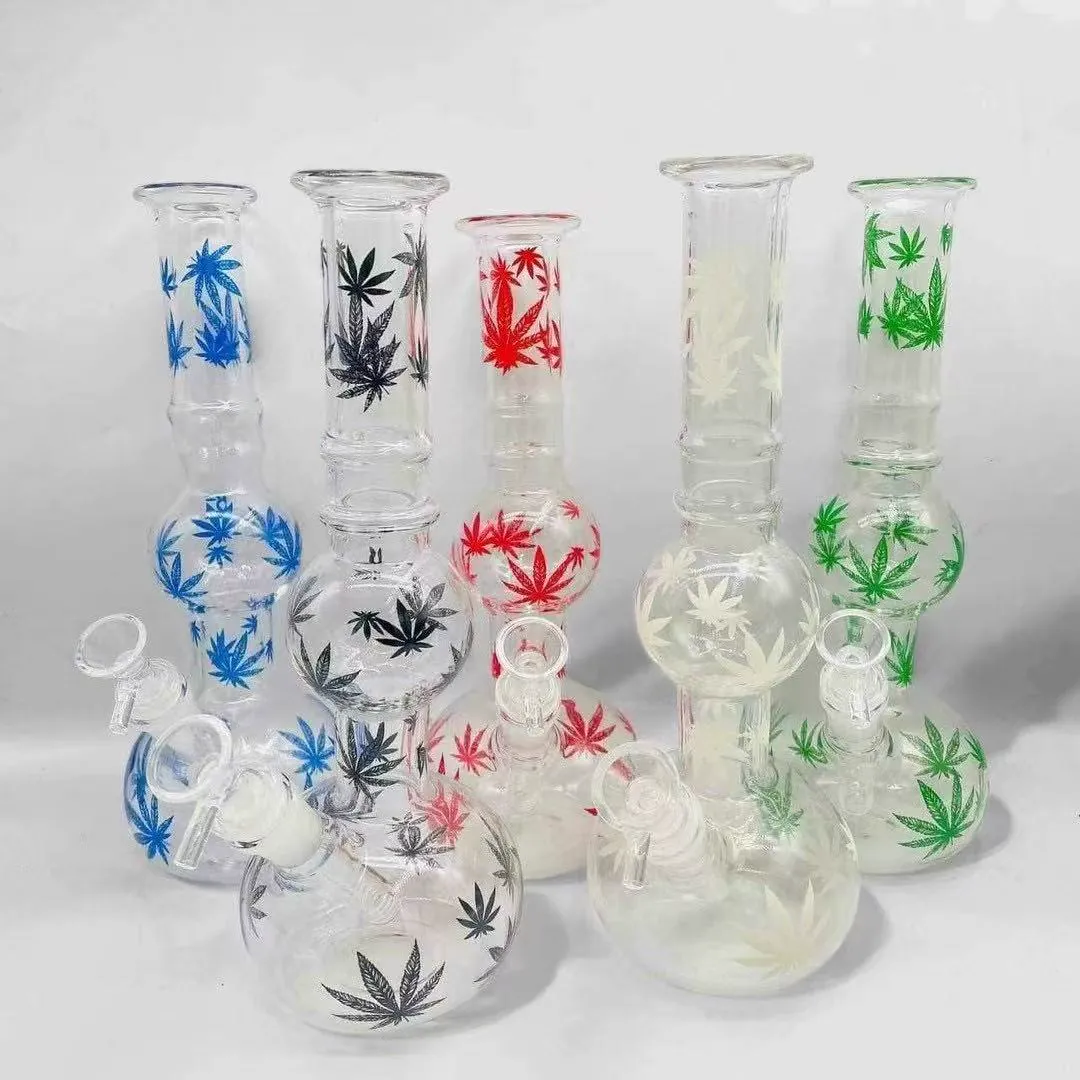
Why Ash Catchers Are the Classic Add-On Sale
The economics of the add-on are different from the economics of the main product. A bong buyer is comparing brands and prices; an ash catcher buyer is protecting a purchase they already made. That makes the catcher decision faster, less price-sensitive, and more likely to happen at the register.
Think through the sequence in a typical transaction. A customer buys a 14mm bong. The counter conversation naturally covers accessories — and an ash catcher that matches the joint size is a one-sentence upsell with a visible benefit. The customer either takes it now or comes back for it the first time they clean a filthy downstem. Either way, the sale happens without a discount and without marketing.
Where the Margin Lives
For the shop, the catcher earns its shelf space twice: as a product with solid retail margin, and as a reason for the customer to return to the same counter. Accessories are also where a shop can differentiate — a color-matched catcher or a distinctive perc style is a store-exclusive item that no chain down the street can match. For the buyer at wholesale level, stocking catchers in the two dominant joint sizes is a small commitment of capital that turns every bong sale into a two-item basket.
Ash Catcher Anatomy: Joints, Angles, and Fitment
Every ash catcher is defined by four numbers: joint size, joint gender, joint angle, and whether it carries its own downstem. Joint sizes follow the same industry standard as the rest of the category — 10mm, 14mm, and 18mm. Gender works the opposite way to what most new buyers expect: an ash catcher that sits between a male bowl and the bong needs a female joint on top to receive the bowl, and a male joint on the bottom to enter the bong’s female opening.
Angle matters because bong joints are not all vertical. A 45-degree catcher suits side-mounted joints on beakers and straight tubes; a 90-degree catcher suits vertical joints on many rigs and scientific tubes. Ordering the wrong angle leaves the catcher leaning away from the piece at an odd tilt — functional, but wrong in hand. Combustion residue management is the primary function of an ash catcher.
Reading a Spec Sheet
Every catcher can be described in one line, and learning to read that line prevents most ordering mistakes. Take the phrase “14mm male-to-female, 90-degree, wet, showerhead.” It says the bottom joint is a 14mm male that enters the bong, the top joint is a 14mm female that receives the bowl, the chamber sits at a 90-degree angle, it holds water, and it diffuses through a showerhead perc. If the spec line omits the angle or the gender, ask before ordering — those are the two fields most commonly wrong on marketplace listings.
With or Without a Built-In Downstem
Some catchers have a short integrated downstem inside the chamber; others simply connect to the bong’s existing joint. The built-in style is the most common and the easiest to stock — it is a complete solution that needs nothing else. The simpler connector style matters mostly for dab rigs, where a quartz banger already occupies the top joint and the catcher must fit around it. For a first wholesale order, built-in downstem catchers in 14mm and 18mm cover the widest set of bongs.
10mm catchers occupy a narrower niche: they serve the small rigs and mini pieces at the dab-adjacent end of the counter, and they are the size most often requested as an OEM line rather than as shelf stock. For a first order they belong in the sample mix, not the volume mix — confirm whether your customers actually own 10mm pieces before committing 100 units. If the samples confirm demand, a 10mm catcher line carries over the same spec sheet with one number changed, which keeps the reorder conversation short.
Dry vs Wet Ash Catchers
| Feature | Dry Catcher | Wet Catcher |
|---|---|---|
| Main job | Catch ash and embers only | Catch ash plus add diffusion |
| Water | None — dry chamber | Own small water column |
| Draw resistance | Minimal change | Slightly more, smoother hit |
| Retail fit | Budget buyers, first-time add-on | Enthusiasts, quality-focused buyers |
Both styles are worth a slot on the shelf. The dry catcher is the easy first purchase; the wet catcher is the upgrade path that buyers discover six months later. The pattern repeats itself in every shop that carries both — the same customer returns for the wet version after living with the dry one.
Perc Styles: Showerhead vs Tree Arm
The perc inside a wet catcher determines how the smoke is broken up. Two styles dominate the market, and each has a clear retail story.
| Perc Style | How It Diffuses | Sourcing Note |
|---|---|---|
| Showerhead | Fine slits around a capped head | Check slit consistency and straight fusion |
| Tree arm | Multiple small arms with slits | More arms = more break risk; verify weld points |
The showerhead is the safer stock pick for a first order — it is easier to manufacture consistently and its diffusion is predictable. Tree arms sell to the collector who already owns a showerhead piece; treat them as the second order, not the first.
Stock the Glass Pipes Your Customers Actually Buy
Elfglass produces the full wholesale catalog, from hand pipes and sherlocks to dab rigs, percolator bongs, and accessories, in proven best-selling specs. Tell us your market and we will recommend a catalog mix with pricing.
MOQ from 100 pieces | BSCI / WRAP / ISO 9001 | NDA before every project
Single vs Double Chamber
| Chamber Type | Design | Best Fit |
|---|---|---|
| Single chamber | One chamber, one perc | Core stock — most bongs, most buyers |
| Double chamber | Two stacked chambers, two percs | Premium line — heavy glass buyers |
Double-chamber catchers are taller, heavier, and more fragile in transit — the packaging cost is real. They belong in the premium tier of the parts wall, not in the everyday stock. Single-chamber catchers carry the volume; double chambers carry the margin on the enthusiast who asks for them by name.
How to Fit an Ash Catcher to a Bong
Fitment is a three-step check that takes a minute at the counter and saves a returned sale. First, match the joint size — 14mm to 14mm, 18mm to 18mm — and do not trust the label; test the ground joint against the actual piece. Second, match the angle: hold the catcher at the bong’s joint and confirm the chamber hangs level rather than tilting. Third, confirm the bowl still sits correctly: the catcher’s top joint must accept the customer’s existing bowl or the new bowl that comes with the package.
The Adapter Case
Adapters exist for a reason, and knowing them saves a sale. A customer with an 18mm bong who loves a 14mm catcher is a common case: a 14mm-to-18mm adapter bridges the difference, and many shops stock adapters alongside catchers deliberately. The same logic applies to angle adapters. Carrying the two most common adapters makes the catcher line compatible with nearly every piece that walks through the door.
Testing Fit at the Counter
A three-point fit test takes under a minute and prevents the most common return. Seat the catcher’s bottom joint into the bong — it should hold without force and release without a twist-fight. Seat the bowl into the top joint the same way. Then cover the bowl and pull: no air should escape around either joint. A catcher that passes the test at the counter will pass it at home, which is what the customer remembers.
Quality Checks Before You Order
An ash catcher carries more joints than a bong — two or three ground connections plus a perc — which means more places for quality to fail. The sample stage is where these failures get caught.
Ground Joint Fit
Every joint on the catcher must seat with a snug, air-tight fit — no rocking, no force, no visible light between ground surfaces. Test each joint with its matching gender counterpart. A loose top joint leaks the hit; a tight bottom joint chips the bong it touches.
Weld Integrity and Perc Alignment
The perc is fused inside the chamber, and a crooked fusion is a stress point that fails weeks later. Hold the catcher up and sight along the perc: it should sit parallel to the chamber walls, with the slits or arms evenly spaced. Any tilt, uneven gap, or bubble in the weld is a reject — cosmetic issues become structural ones under heat.
Annealing and Transit Packaging
Ask the supplier whether every catcher passes a full anneal cycle; the multi-joint geometry is exactly where skipped annealing shows up as stress cracks. And because catchers are small but fragile, packaging matters as much as the glass: check that each piece is individually wrapped and that the carton design was tested for the route your orders travel.
MOQ, Sampling, and Custom Options
Ash catchers follow the same wholesale rules as the rest of the parts category. The standard MOQ is 100 pieces per design, samples come back in 1 to 3 days, and production for orders of 100 or more runs 7 to 12 days. The payment structure is a 30 percent deposit with the balance before shipment, quotes are returned within 12 hours, and an NDA protects any designs you bring to the table.
Color Matching and OEM Angles
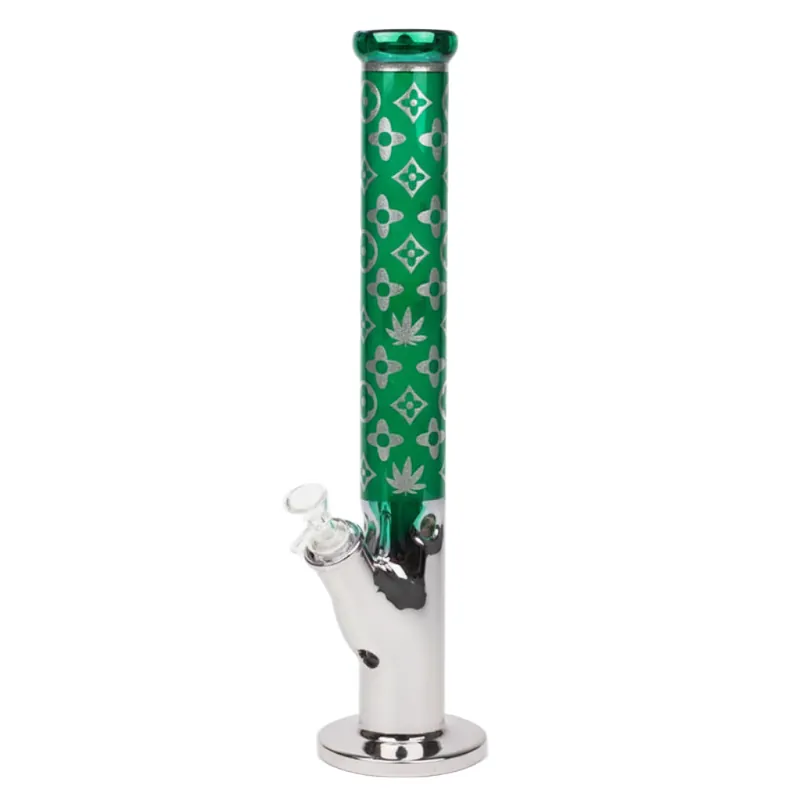
Because the add-on buyer is often matching an existing bong, color-matched catchers are one of the most effective OEM requests in the category. Send a reference — a color chip, a photo of the bong, or a Pantone value — and the 3D drawing on day two of the project confirms the match before anything is produced. The same process covers custom perc styles, branded joint sizes, and logo work on the chamber, all under the custom molds exclusive to your order.
A First-Order Mix That Covers the Counter
A lean first order outperforms a wide one. The starting mix that covers most counters is simple: single-chamber showerhead catchers in 14mm and 18mm, one wet version and one dry version per size, in one matched color run. That is four designs — 14mm wet, 14mm dry, 18mm wet, 18mm dry — each at the 100-piece MOQ, with samples confirmed before production. Add tree-arm percs and double chambers on the second order, once the first batch has shown you which joint size your customers actually own.
Building the Add-On Sale
The catcher earns its place in the store with display and one sentence of training. Display a catcher mounted on a bong at the counter — seeing the assembled setup sells more than any sign. Train staff on the one-line pitch: “this keeps your water clean and your hits smooth,” plus the honest note that it fits their joint size. Bundling a catcher with bong purchases at a small bundle price moves stock and builds the habit.
Placement matters as much as the pitch. The mounted demo belongs at the register end of the counter, where the bong transaction is being settled — that is the moment the add-on decision happens. A second demo near the downstem and bowl display catches the customer who came in for a replacement part. Two demos, two decision points, one small investment in glass.
For reordering, track catcher sales against bong sales by joint size. A shop that sells mostly 14mm pieces should see 14mm catchers dominate; when that ratio drifts, the display or the counter pitch needs attention, not the inventory.
Ordering Ash Catchers Wholesale
The path is short. Send the joint sizes, angles, and styles you want to stock, approve the sample, and release production — a first order can move from inquiry to shelf in roughly three weeks. Ash catchers ride comfortably in combined shipments, so most buyers fold them into their regular bong orders; if your supplier’s wholesale parts and accessories line treats catchers as a category of their own, a standing add-on order is easy to maintain.
When the shipment arrives, run the same checks the receiving inspection checklist walks through — joint fit first, perc alignment second, packaging damage third. For the perc styles and what they do inside the piece, the percolator types guide explains the physics your customers will ask about, and the carb caps guide covers the sibling accessory that belongs on the same order sheet.
If you are ready to spec a first ash catcher order, send the joint sizes and styles to the factory — the quote comes back within 12 hours, and the sample within 1 to 3 days.
Frequently Asked Questions
What does an ash catcher do?
Are ash catchers universal?
Do you need an ash catcher for a bong?
How do you attach an ash catcher to a bong?
Dry or wet ash catcher: which is better?
About the Author
Ava Zeng is the founder of Elfglass, a Shenzhen-based borosilicate glass pipe manufacturer serving B2B brands worldwide. Every guide on this site is grounded in her production-floor experience— the annealing lines, QC checkpoints, and export orders behind each claim.
Before you commit to a supplier, read her founder’s story and trust promise, and the guide to vetting a reliable glass pipe manufacturer— the same red-flag checklist Elfglass applies to its own suppliers.
Ready to Source Custom Glass Pipes?
Get a free quote within 24 hours. MOQ from 100 pieces. NDA-protected design consultation.
