

Lead times are the single most common source of friction between wholesale glass pipe buyers and their suppliers. A retailer who plans for a four-week turnaround and receives a six-week quote scrambles to explain empty shelves to customers. A brand owner who assumes sampling takes a day when it actually takes three builds a launch calendar on a false foundation.
This guide breaks down every phase of a wholesale glass pipe order, the realistic timeline for each, and the variables that stretch or compress the schedule. The numbers below reflect borosilicate glass manufacturing at an established factory with certified quality management, not a trading company that adds weeks by forwarding orders to a third workshop.
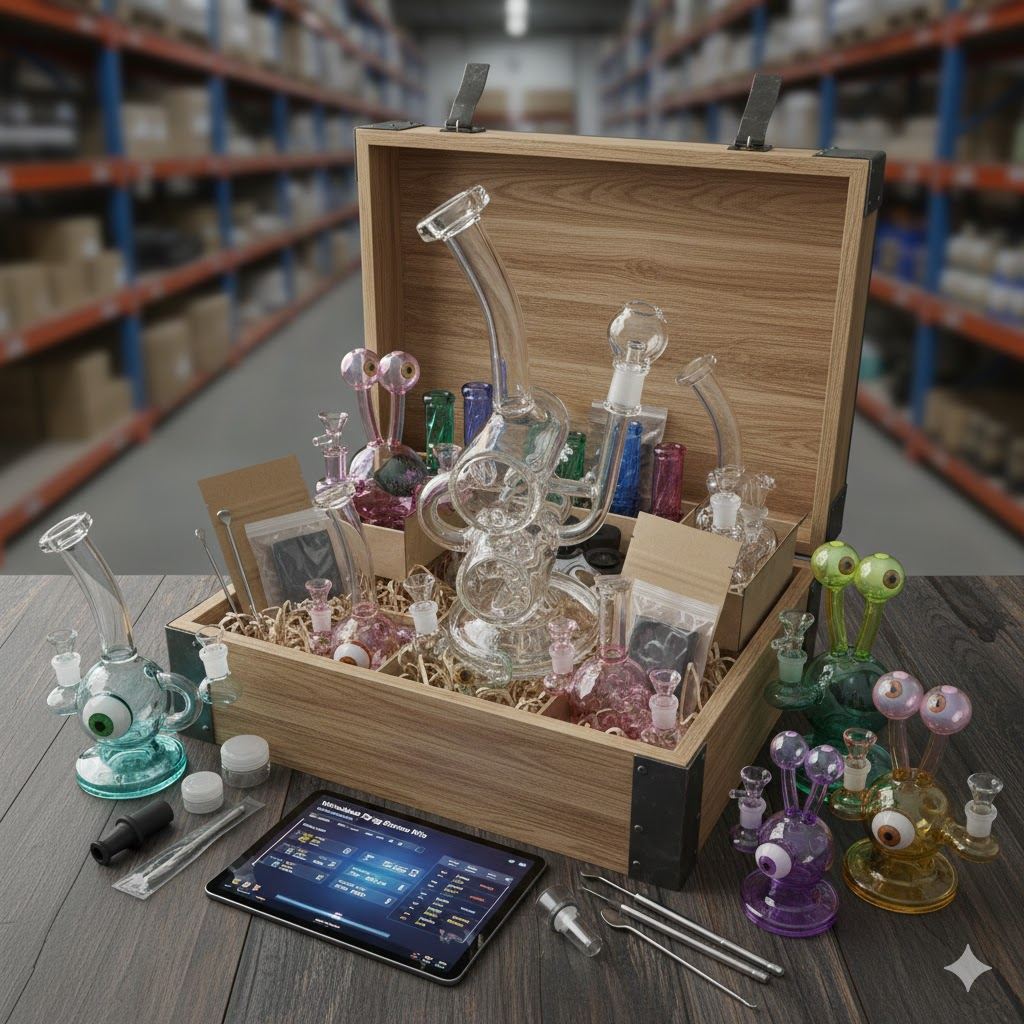
Phase 1: Sampling (1 to 3 Days)
Before any production order, buyers request samples to evaluate glass thickness, joint fit, finish quality, and overall craftsmanship. At an established manufacturer, sampling takes one to three business days from the moment the design is confirmed.
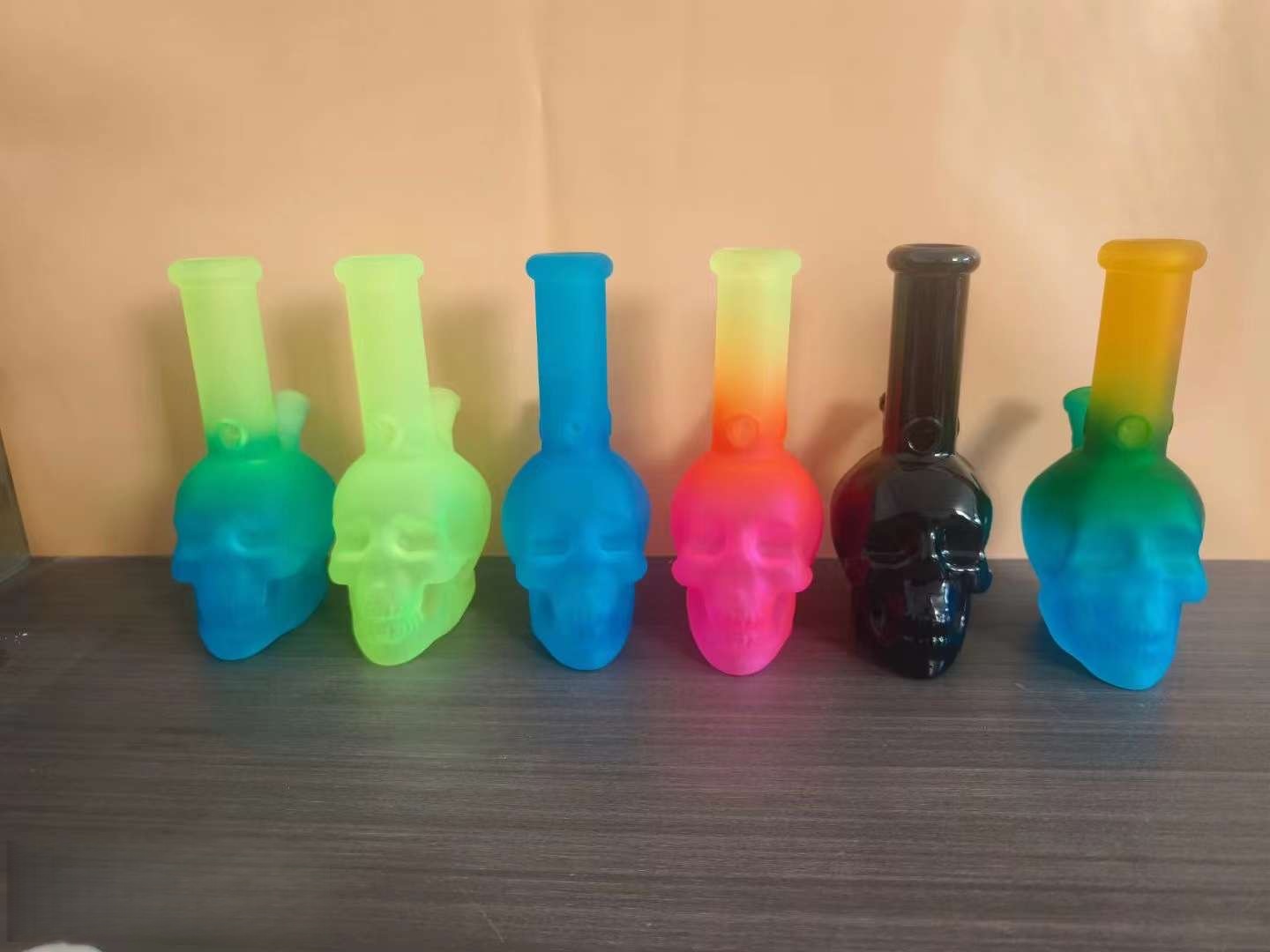
Sampling is faster than full production because the factory allocates a small batch on the existing production line rather than scheduling a dedicated run. Buyers who need samples for multiple SKUs should submit all requests at once so the factory can consolidate them into a single sampling cycle.
When you request a sample from the manufacturer, confirm whether the sample lead time includes shipping or only production. International express shipping adds three to seven days depending on the destination country.
Phase 2: Production (7 to 12 Days for 100+ Units)
Once the sample is approved and the deposit is received, production begins. For a standard order of 100 units per SKU, production takes seven to twelve business days. This range accounts for the full manufacturing process: glass tube cutting, shaping, joint grinding, annealing, quality inspection, and packaging.
Several factors determine where an order falls within that range:
- Order quantity: 100 units per SKU completes faster than 500 units per SKU. Larger orders require more raw material preparation and longer quality inspection cycles.
- Design complexity: A simple straight tube with a ground joint takes less time than a recycler rig with multiple percolators and color work.
- Custom elements: Custom logos, color matching, or unique shapes add one to three days for tooling setup and first-article approval.
- Current queue: Factories with a monthly capacity of 10,000 units may have a backlog during peak season. Confirm the production start date, not just the duration.
Phase 3: Quality Control and Packaging (1 to 2 Days)
After production, every piece undergoes a final quality inspection. This includes checking joint fit tolerance (within 0.3mm for ground glass joints), verifying annealing quality (no stress cracks), inspecting finish consistency, and confirming packaging integrity.
Packaging for wholesale orders typically involves individual bubble wrap or foam inserts, then carton boxing with dividers. For wholesale water pipes and other fragile pieces, proper packaging is non-negotiable. A factory that rushes this phase increases breakage risk during transit.
Phase 4: Shipping (Variable)
Shipping time depends entirely on the method chosen and the destination. The production lead time does not include transit.
| Shipping Method | Typical Transit Time | Best For |
|---|---|---|
| Express (DHL/FedEx/UPS) | 3 to 7 days | Samples, urgent small orders |
| Air freight | 7 to 14 days | Mid-size orders (50 to 200 kg) |
| Sea freight (LCL) | 25 to 45 days | Large orders, cost-sensitive shipments |
| Sea freight (FCL) | 20 to 35 days | Full container loads |
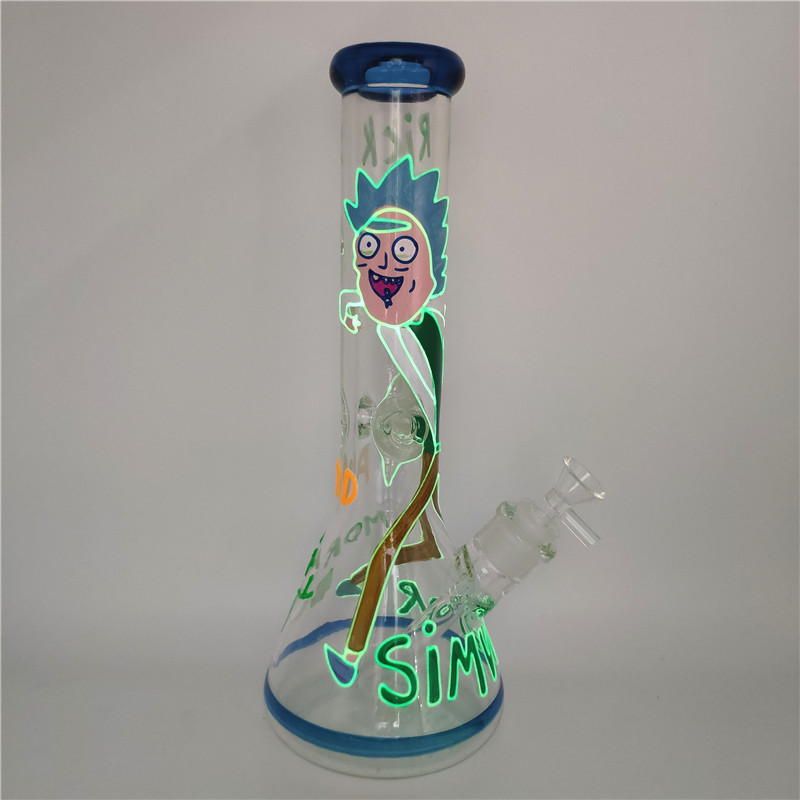
Buyers importing to the USA, EU, or Australia should also factor in customs clearance, which typically adds two to five days. For a detailed breakdown by port, see the sea shipping times port guide.
Seasonal Demand and Lead Time Variability
Glass pipe manufacturing, like many industries, experiences seasonal demand peaks. The months leading into Q4 (August through October) see a surge in orders as retailers stock up for holiday sales. During this window, production lead times can extend by three to five days beyond the standard seven to twelve day range.
Factories that plan capacity ahead, like those with a 10,000-unit monthly ceiling, manage this by booking production slots in advance. Buyers who wait until September to place a Q4 order may find the factory cannot start production until mid-October. The solution is to plan backward from the shelf date: if products must arrive by October 15, and sea shipping takes 30 days plus five days for customs, production must start no later than late August.
For a deeper look at seasonal logistics, read the guide to booking shipping space before Q4.
Stock Orders vs Custom Orders
Not all wholesale orders follow the same timeline. The distinction between stock and custom orders matters:
- Stock orders: The factory already produces these designs regularly. Lead times are at the lower end of the range (seven to nine days) because no tooling or setup is required. The factory pulls from existing molds and standard color formulations.
- Custom orders: New designs, custom logos, or unique colorways require tooling setup, first-article sampling, and buyer approval before full production begins. Add three to five days to the standard timeline for custom work.
Buyers who need faster turnaround should consider a hybrid approach: order core SKUs from the stock catalog for immediate availability, and place custom orders separately with a longer lead time.
Planning a Wholesale Order Timeline?
Elfglass samples in 1 to 3 days and produces 100-unit SKU runs in 7 to 12 days, with Q4 capacity booked in advance so your shelves never go empty. Send your target shelf date and get a quote within 12 hours.
MOQ from 100 pieces | BSCI / WRAP / ISO 9001 | NDA before every project
How to Plan Your Order Timeline
A reliable order planning process works backward from the target shelf date:
- Set the shelf date: When must products be available for sale?
- Subtract transit time: Based on the shipping method chosen.
- Subtract customs clearance: Typically two to five days.
- Subtract production time: Seven to twelve days for standard orders; add three to five for custom.
- Subtract sampling time: One to three days, plus sample shipping if needed.
- Add a buffer: Five to seven days for unexpected delays (material shortages, holiday closures, quality rework).
For example, a retailer who needs products on shelves by November 1, shipping by sea to the USA (30 days transit + 5 days customs), with a custom order (12 days production + 3 days custom setup), plus sampling (3 days + 5 days express shipping), plus a 7-day buffer, must start the process by August 9 at the latest.
Where Lead Time Actually Goes: What to Compress and What to Protect
Not every phase can be rushed, and rushing the wrong one costs more than the time it saves. The table below separates the phases you can legitimately compress from the ones you must protect — because a faster order that arrives with stressed glass or failed QC is slower than waiting.
| Phase | Standard Duration | How to Compress It | What You Must NOT Rush |
|---|---|---|---|
| Sampling | 1–3 business days | Submit all SKU requests at once to share one sampling cycle | The evaluation itself — approve on a real piece, not a photo |
| Production | 7–12 days (100+ units) | Choose stock designs, order off-peak, confirm the start date not just the duration | The annealing soak inside it — rushed cooling locks in stress and shatters later |
| QC and packaging | 1–2 days | Pre-agree the joint tolerance (0.3mm) and finish standard so inspection is fast | Joint-fit, stress-crack, and packaging checks — skipping these ships breakage |
| Shipping | 3–45 days by method | Upgrade the transit leg (express/air) rather than the production leg | Nothing — this is the safe place to buy speed with money |
The rule that follows from the table: compress by choosing stock designs, consolidating samples, and paying for faster transit — never by cutting annealing or QC. The first three save days without risk; the last two save days by creating returns.
Building a Lead-Time Buffer by Risk Factor
A flat five-to-seven-day buffer is a starting point, not a plan. The right slack depends on what is actually in your order and when it ships. Add buffer against each risk factor that applies, so the timeline absorbs the delays that are likely rather than a generic cushion.
- Q4 peak (August–October). Add three to five days to production — and book the slot early, because a September order may not start until mid-October.
- Chinese New Year. The largest single risk: factories close for two to three weeks. Place orders well before the closure or plan to receive after it; never let a launch date sit on the far side of the holiday without a confirmed pre-holiday ship date.
- Custom tooling and first-article approval. Add three to five days for new designs, logos, or color matching, plus the buyer-approval loop before full production begins.
- First-article rework. If the first piece does not meet spec, a re-run adds a cycle. Build slack the first time you work with a factory or a new design.
- Transit method and customs. Sea LCL can run 25–45 days; add two to five days for clearance into the USA, EU, or Australia. Choose the method against the shelf date, not the quote.
- Raw-material supply. Borosilicate tube shortages delay the start of production, not the end — confirm material availability when you confirm the start date.
Key Takeaways
- Sampling takes one to three business days; production takes seven to twelve days for 100+ units
- Custom designs, color matching, and logos add three to five days to production
- Shipping is separate from production lead time and varies by method and destination
- Q4 seasonal peaks extend production lead times by three to five days
- Always plan backward from the shelf date and include a five to seven day buffer
Frequently Asked Questions
How long does a wholesale glass pipe order take from start to finish?
From sample approval to delivery, a standard wholesale order takes approximately four to six weeks including production (7 to 12 days), quality control (1 to 2 days), and shipping (7 to 45 days depending on method). Custom orders add three to five days for tooling and setup.
Can I rush a wholesale glass pipe order?
Some factories offer rush production for an additional fee, typically compressing the seven to twelve day production window to five to seven days. However, rushing quality control or annealing is risky. A better approach is to place orders earlier and use express shipping for the transit portion.
What causes lead time delays in glass pipe manufacturing?
The most common causes are raw material shortages (borosilicate glass tube supply), holiday closures (Chinese New Year shuts factories for two to three weeks), custom tooling delays, and quality rework when first articles do not meet specifications. Building a seven-day buffer into your timeline absorbs most delays.
Does ordering more units increase the lead time?
Yes, but not linearly. Doubling the order quantity from 100 to 200 units per SKU adds roughly two to three days to production, not double the time. The setup and annealing phases are fixed; only the per-unit inspection and packaging scale with quantity.
Ready to Start Your Custom Glass Pipe Project?
Get a free quote within 24 hours. MOQ from 100 pieces. NDA-protected design consultation.
About the Author
Ava Zeng is the founder of Elfglass, a Shenzhen-based borosilicate glass pipe manufacturer serving B2B brands worldwide. Every guide on this site is grounded in her production-floor experience— the annealing lines, QC checkpoints, and export orders behind each claim.
Before you commit to a supplier, read her founder’s story and trust promise, and the guide to vetting a reliable glass pipe manufacturer— the same red-flag checklist Elfglass applies to its own suppliers.
