
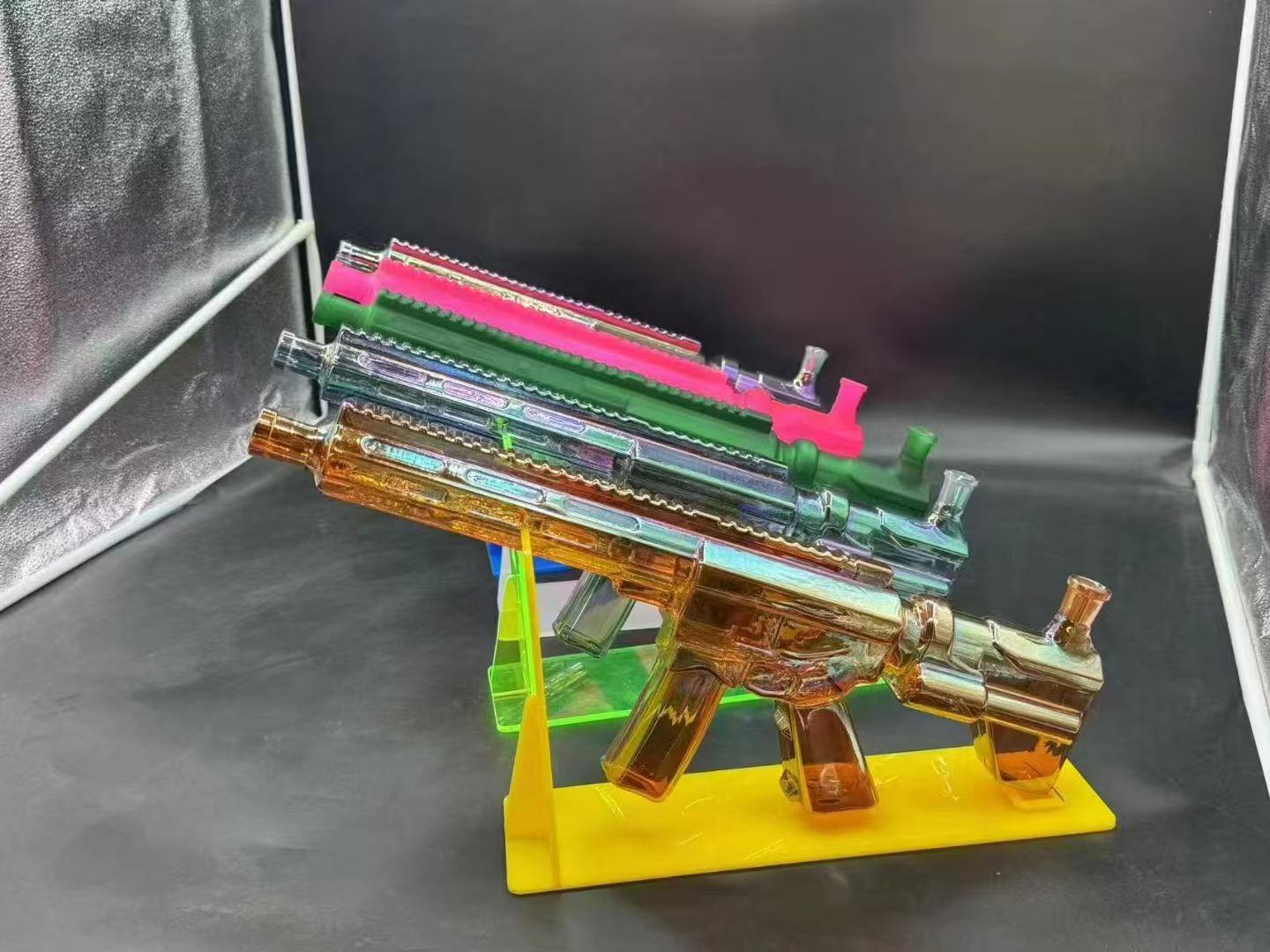
Consider a buyer who approved her water pipe samples on the first of September and promised her distributor full shelves in Los Angeles by early October. She had seen a rate sheet listing 14 to 18 days from Shanghai to Los Angeles, done the arithmetic, and felt safe. The number was correct. It was also only one leg of the trip. By the time production finished, the container reached the dock, the vessel sailed, and customs released the cargo, November was already underway. The sailing time was never wrong. It was simply the one number she had, while every other number in the chain went uncounted.
That is the trap of sea freight time: the port-to-port figure is precise, quotable, and easy to repeat, but it describes a ship on the water and nothing else. The China to USA lane you are searching for when you type “sea freight time china usa” is really five timelines stacked on top of each other: supplier readiness, origin handling, the ocean crossing, destination handling, and inland delivery. Buyers who plan around the middle leg alone keep missing their own dates.
This guide breaks down sea shipping times from China port by port, across the four lanes most wholesale glass buyers import through: the USA, Canada, the UK, and Australia. Every day range below comes from published 2026 forwarder data on the specific routes, not from guesswork. At the end, you will find a restock calendar that connects factory lead times to sailing schedules, so you can convert an order date into a realistic shelf date.
The Short Answer: Sea Shipping Times from China at a Glance
| Lane | Port pair | FCL sailing time | Notes |
|---|---|---|---|
| China to USA (West Coast) | Shanghai to Los Angeles | 14-18 days | Direct service |
| China to USA (West Coast) | Shenzhen / Yantian to Long Beach | 15-20 days | Direct sailings; about 19 days ex-Yantian |
| China to USA (East Coast) | Shanghai to New York | 25-32 days | Via Panama Canal or Suez; some sailings transship at LA |
| China to USA (East Coast) | Shenzhen to Miami | 28-35 days | Limited direct service; usually transships |
| China to Canada | Main China ports to Vancouver | 16-30 days | LCL 20-40 days; rail onward to Toronto and Montreal |
| China to UK | Shanghai / Shenzhen to Southampton | 25-28 days | LCL 26-32 days; Cape rerouting adds 10-14 days |
| China to Australia | China ports to Sydney / Melbourne / Brisbane | 20-27 days | LCL 21-31 days |
Two things to notice before you use this table. First, every figure is sailing time, meaning the days between vessel departure and vessel arrival. Your container will not be on your shelf on day 18 of a Shanghai to Los Angeles booking. Second, the ranges are wide because the same port pair can be served by a direct vessel, a service that transships once, or a service that changes carriers mid-route. A forwarder quoting 15 days and another quoting 28 for Shenzhen to Miami can both be telling the truth about different services.
These day counts also move. Carriers publish new sailing schedules each season, blank sailings get announced with short notice, and routing disruptions such as the Red Sea situation push vessels onto longer paths. Treat the figures in this guide as planning baselines for 2026, and confirm the specific sailing with your forwarder when you book.
What Sea Freight Transit Time Includes, and What It Does Not
Forwarders use three overlapping phrases, and mixing them up is the most common planning error we hear from first-time importers. Transit time usually means the ocean leg only: departure port to arrival port. Lead time means the whole span from placing the order to holding the goods. Delivery time means the door-to-door total. A quote that says “30 days” without naming which of the three it describes is not a quote you can plan around.
A full-container sea shipment actually passes through five legs. A typical FCL timeline looks like this:
- Supplier readiness: the factory finishes production, inspects, and packs. For a 100-piece glass order this commonly runs 7 to 12 days of production after sample approval, plus whatever sampling took before it.
- Origin handling: container pickup, loading, trucking to the port, and export terminal processing. Forwarder stage data puts pickup and trucking at roughly 2 to 5 days and export terminal handling at another 2 to 5 days.
- Ocean transit: the sailing days from the tables above.
- Destination handling: discharge from the vessel, terminal availability, and customs clearance. Published stage data runs this at about 3 to 8 days when paperwork is clean.
- Inland delivery: drayage or rail to your warehouse. Depending on distance, forwarders quote anything from 1 day to 14 or more; a common US estimate for final clearance and movement is 3 to 7 business days.
That is why a China to Canada FCL quote can show 16 to 30 days port-to-port yet 25 to 50 days delivered, and why LCL delivered totals run 30 to 55 days. The ocean leg did not change. The land on both sides of it simply got counted.
Port-to-port quotes are cheaper and cleaner to compare, which is why they dominate rate sheets. Door-to-door quotes are what your calendar actually needs. When you request freight quotes for a wholesale order, ask for both, and ask which stage each number starts and stops at.
China to USA: Port-by-Port Sea Freight Times
West Coast: Los Angeles and Long Beach
The Los Angeles and Long Beach complex is the default gateway for US-bound cargo from China, and the fastest ocean option. Direct services from Shanghai to Los Angeles run 14 to 18 days. From Shenzhen, expect 15 to 20 days. Yantian, one of Shenzhen’s main deep-water container terminals, has direct sailings to Long Beach that run about 19 days. If your supplier sits in the Shenzhen area, Yantian is usually the natural exit point for your containers.
West Coast service is also the deepest: more carriers, more weekly departures, more equipment availability. That depth matters at peak season, when space on East Coast vessels often sells out before West Coast space does. The tradeoff is geography. If your warehouse sits east of the Rockies, you either accept the inland rail or truck cost from California, or buy the longer all-water sailing to an East Coast port.
East Coast: New York and Miami
All-water services from Shanghai to New York run 25 to 32 days. The spread exists because some sailings route through the Panama Canal while others go via Suez, and some transship through Los Angeles rather than sailing direct. Shenzhen to Miami is slower still at 28 to 35 days, because limited direct service means most cargo transships at least once.
For US importers of glass pipes there is a second clock running alongside the sailing clock: federal formalities. PACT Act registration, filings, and customs treatment decide how quickly a container actually leaves the port once it lands, and mistakes there can add more days than any ocean leg. We cover those requirements in detail in our guide to importing glass pipes to the USA under the PACT Act. Check that list before you book, not after the vessel departs.
Choosing Between the Two Coasts
The decision rule is simple. Ship West Coast when speed and sailing frequency matter most, when your warehouse is in the western or central US, or when you are shipping close to peak season and want the most booking options. Consider East Coast ports when your warehouse is on the seaboard and the inland move from Los Angeles would eat the savings, and when your order window is generous enough to absorb an extra two weeks on the water. There is no universally cheaper coast. There is only the coast that matches where your stock actually sells.
China to Canada: Vancouver, Toronto, Montreal
Vancouver is the West Coast ocean gateway for Canada, and the entry point for most China cargo. Published 2026 figures put FCL port-to-port time at 16 to 30 days, with LCL at 20 to 40 days. The same forwarder data shows full delivered timelines of 25 to 50 days for FCL and 30 to 55 days for LCL once clearance and inland movement are included.
Destination inside Canada changes the math more than most buyers expect. Toronto and the surrounding GTA are commonly reached by transcontinental rail from the West Coast, with inland movement adding roughly 7 to 14 days. Montreal is served by eastern routing with its own schedule, and inland figures of 8 to 16 days appear in forwarder breakdowns. If you are stocking a shop in Ontario, ask for a quote that names the rail leg explicitly, because “door to Toronto” that quietly assumes a longer ocean routing will surprise you.
Canadian buyers should also plan around the same compliance layer as everyone else: accurate commercial invoices and correct classification keep the destination handling leg at the short end of its 3 to 8 day range. Our Canada compliance guide for glass pipe retailers walks through what customs expects before your container arrives.
China to the UK: Southampton, Felixstowe, London Gateway
The China to UK lane has the most volatile transit times of the four routes in this guide, and the reason is routing. Under normal Suez routing, FCL sailings to Southampton run 25 to 28 days, with LCL at 26 to 32 days. General market figures for the lane run 25 to 35 days for FCL and 30 to 40 days for LCL. The key UK gateways are Southampton, Felixstowe, and London Gateway, with Rotterdam and Hamburg serving as North European alternatives when capacity tightens.
The volatility comes from the Red Sea disruption. Vessels rerouted around the Cape of Good Hope instead of through the Suez Canal add roughly 10 to 14 days to the sailing. Forwarders flagged Cape rerouting as a live factor throughout 2026. That means two quotes for the same UK port, taken weeks apart, can legitimately differ by two weeks without either being wrong. When you compare UK lane quotes, ask which routing the sailing uses and whether the quote assumes Suez or Cape.
Packaging and Freight Planned Around Your Route
From foam-insert and double-wall cartons to air or sea freight with clear Incoterms, we engineer packaging to cut breakage and quote landed cost honestly. Send us your destination and volume for a packing plan.
MOQ from 100 pieces | BSCI / WRAP / ISO 9001 | NDA before every project
China to Australia: Sydney, Melbourne, Brisbane
Australia is the shortest of the four deep-sea lanes for most Chinese origins. Published 2026 figures show FCL transit of 20 to 27 days and LCL of 21 to 31 days, with the ranges applying across Sydney, Melbourne, and Brisbane. Air freight on this lane moves in about 3 to 5 days for the main segment when buyers cannot wait, at a correspondingly higher cost.
The delay factors named for this lane are weather, port congestion, customs delays, and the general efficiency of the logistics chain. Australian importers get the same advice we give everyone: the ocean leg is short enough that the land-side legs become the difference between a four-week and a seven-week delivery. Book the sailing, but manage the paperwork.
FCL vs LCL: The Time Cost Nobody Quotes
Full container load (FCL) means your cargo travels alone in a 20-foot or 40-foot box. Less-than-container load (LCL) means your boxes share a container with other shippers’ cargo, consolidated at origin and deconsolidated at destination. The price difference gets quoted every time. The time difference rarely does.
LCL adds handling at both ends. Forwarder stage data puts consolidation and export preparation at 4 to 10 days before the vessel even sails, and deconsolidation at the destination at 3 to 8 days after it arrives. That is why LCL port-to-port figures trail FCL on every lane in this guide: 20 versus 16 days at the short end for Canada, 26 versus 25 for Southampton, 21 versus 20 for Australia. A week of extra calendar time, give or take, is the standard price of sharing a box.
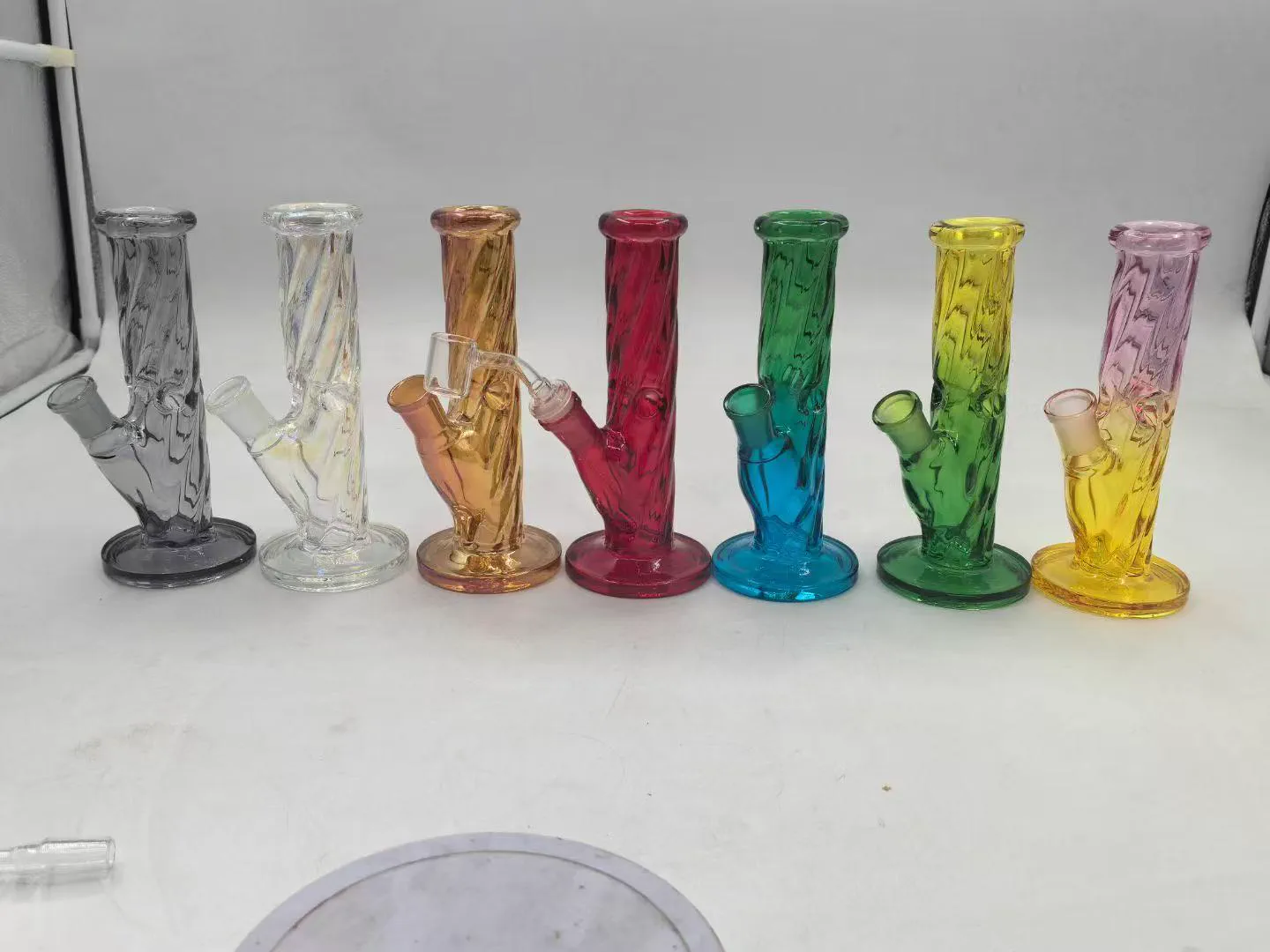
LCL is not a mistake. It is the right call for trial orders. A first wholesale order at a 100-piece minimum rarely fills even a 20-foot container, and paying for empty air in an FCL box makes no sense. The correct move is to accept the extra week of consolidation time, build it into your shelf date, and graduate to FCL once reorder volume justifies it. If you are at that first-order stage right now, our wholesale water pipes range starts at exactly that 100-piece minimum, and the same MOQ applies across our hand pipes, dab rigs, and accessories lines.
One LCL warning that matters for glass: your cargo gets handled more. Consolidation and deconsolidation mean more loading and unloading cycles than a sealed FCL box ever sees. Export-grade inner packing is not optional for LCL glass orders. It is the whole strategy.
Seven Things That Stretch Sea Shipping Times
Every delay source below appears in forwarder delay-factor lists published in 2026. The pattern worth noticing: about half of them are outside your control, and the other half are inside it.
1. Blank sailings
Carriers cancel departures when demand softens or equipment is out of position. Your booking simply slides to the next vessel, often a week later. You control this one partly: book earlier, and ask your forwarder which sailings have been blanked on your lane before you promise dates downstream.
2. Port congestion
Backups at either end extend discharge and pickup times beyond the normal 3 to 8 day handling window. Congestion is lane-specific and season-specific, so ask your forwarder about current conditions at both your origin port and destination port when you request the quote.
3. Weather
Storms delay vessel departures and close terminals. Nothing controls this except buffer, which is why experienced importers pad dates rather than sail them tight.
4. Chinese New Year
Factories close for the holiday and the weeks around it are the most distorted of the year: rate rises are documented before Chinese New Year every season, and capacity on both the factory side and the shipping side compresses at once. If your order window touches January or February, plan the shipment as if everything takes longer, because it does.
5. Q4 peak season
Freight rates typically rise before Chinese New Year, before back-to-school season, and again before the Q4 holidays, and space gets tight at the same moments. The standard forwarder advice is to ship 2 to 4 weeks earlier than you normally would during these windows. We keep a running booking calendar for this exact window in our guide to peak season logistics before Q4.
6. Paperwork and customs errors
A wrong HS classification, a mismatched commercial invoice, or a missing filing does not just risk duty problems. It parks your container at destination while the paperwork is fixed, turning a 3 to 8 day handling leg into an open-ended one. Every document error is a scheduling error.
7. Canal disruption and rerouting
The Suez situation keeps the Cape of Good Hope alternative live for Europe-bound cargo, at an extra 10 to 14 days per sailing. Panama Canal transit conditions affect East Coast US routing. Neither can be controlled by a buyer, but both can be asked about: which routing does this sailing take, and what happens to my quote if it changes?

From Order Date to Shelf Date: A Restock Calendar for Glass Buyers
Here is the part most shipping guides never show you, because it requires knowing the factory side. We are a manufacturer, so we can. The numbers below for sampling, production, and payment are our own published terms; the shipping stages come from the forwarder data in this guide.
The chain for a wholesale glass order looks like this:
| Stage | Typical duration | Who controls it |
|---|---|---|
| Sampling and approval | 1-3 days to produce samples, plus your review time | Shared |
| Deposit and production start | 30% T/T deposit releases production | You |
| Production (100+ pieces) | 7-12 days | Factory |
| Balance and release | 70% T/T balance paid before shipment | You |
| Origin handling (trucking, export terminal) | 4-10 days combined | Forwarder |
| Ocean transit | See lane tables above | Carrier |
| Destination handling and clearance | 3-8 days with clean paperwork | Shared |
| Inland delivery | 1-14+ days depending on distance | Forwarder |
Run a concrete example. A 100-piece water pipe order destined for Los Angeles: sample approval in about a day or two of review, 12 days of production at the outer bound, roughly a week of origin handling, 15 to 20 days sailing from a Shenzhen port, then 3 to 8 days of discharge and clearance and a few days of drayage. Realistic total: about 6 to 8 weeks from the day you approve the sample to the day stock is sellable. The same order to Southampton under Suez routing lands closer to 8 to 10 weeks.
The planning insight is that the factory stages and the shipping stages are sequential, not parallel. Nothing on the water moves until production finishes, and production does not start until the deposit lands. Compressing the calendar means compressing decisions: approve samples fast, pay the deposit fast, and send complete paperwork before the container reaches the port. That urgency reflects a broader principle: speed is sacred in supplier partnerships. A factory quote response within 12 hours matters for the same reason. Waiting two days for a shipping answer is two days subtracted from your shelf date. Our standard is a quote within 12 hours, and samples in 1 to 3 days, because on this calendar the early stages are the only ones anyone can actually speed up.
How Far Ahead to Book, and When Sea Beats Air
The booking rule from forwarder guidance is concrete: during rate-rising windows, ship 2 to 4 weeks earlier than your normal schedule. Translated into restock planning, that means ordering roughly a month before the date your calendar says you need the stock, once you add factory time on top of sailing time. For Q4 shelf dates, sea bookings need to be in motion by late summer, because September and October departures compete for the same space.
When does air beat sea? When the stockout is already happening. Air freight moves in days rather than weeks, and for a small replenishment of best-sellers the margin math can justify it. But for planned wholesale volume, sea wins on cost by a wide margin, and the planning discipline in this guide removes most of the time disadvantage. The buyers who get hurt are not the ones who chose sea. They are the ones who chose sea late.
Sea also suits fragile goods operationally. A sealed FCL container gets handled less than air cargo moving through hub networks, and packing for a container is packing you can engineer in advance with your factory. That is a conversation to have at order stage, not at the loading dock.
If you are planning an order now, start from the factory end of the calendar, because that is the only part anyone can compress. Elfglass works to a 100-piece minimum per design, samples in 1 to 3 days, and production of 100 or more pieces in 7 to 12 days, with every quote answered within 12 hours. Pick your starting point in our wholesale water pipes catalog, and count forward from sample approval using the restock calendar above. That date, not the rate sheet, is your real shipping time.
Frequently Asked Questions
How long does sea freight take from China to the USA?
Sailing time is 14 to 18 days from Shanghai to Los Angeles and 15 to 20 days from Shenzhen to the West Coast, versus 25 to 32 days to New York and 28 to 35 days to Miami on East Coast routings. Add roughly 3 to 7 business days for final clearance and inland movement. Door-to-door totals come to about 4 weeks for West Coast orders and 6 weeks or more for East Coast ones.
Is LCL slower than FCL?
Usually by about a week. Consolidation and export preparation add 4 to 10 days before sailing, and deconsolidation adds 3 to 8 days after arrival. Every lane in this guide shows LCL figures trailing FCL: for example, 20 versus 16 days at the short end for Canada and 26 versus 25 for Southampton. For a 100-piece trial order, LCL is still the economical choice; just plan the extra week.
What is the difference between port-to-port and door-to-door shipping time?
Port-to-port counts only the ocean leg between departure and arrival ports. Door-to-door adds origin handling (roughly 4 to 10 days of pickup, trucking, and export processing), destination discharge and customs (3 to 8 days with clean paperwork), and inland delivery (1 to 14+ days). China to Canada shows the gap clearly: 16 to 30 days port-to-port becomes 25 to 50 days delivered for FCL.
Why do two forwarders quote different transit times for the same route?
Because they are usually quoting different services. One may be on a direct vessel while the other transships once. They may route differently (Suez versus Cape for UK cargo, Panama versus Suez for US East Coast), or quote different scopes (port-to-port versus door-to-door). Ask each forwarder to name the vessel service, the routing, and where their number starts and stops before you compare.
How far ahead should I book Q4 shipping from China?
Forwarder guidance is to ship 2 to 4 weeks earlier than normal during rate-rising windows, and Q4 is the biggest one. For holiday shelf dates, that means sea orders in motion by late summer, production booked before that, because rates and space pressure both climb into the peak. Start with the sailing date you need and count backwards through the restock calendar above.
Get a Quote for Your Next Order
Planning your next shipment from China? Send us your product spec and target quantity — contact our factory team or message us on WhatsApp, and we will reply with pricing and lead times within 24 hours.
About the Author
Ava Zeng is the founder of Elfglass, a Shenzhen-based borosilicate glass pipe manufacturer serving B2B brands worldwide. Every guide on this site is grounded in her production-floor experience— the annealing lines, QC checkpoints, and export orders behind each claim.
Before you commit to a supplier, read her founder’s story and trust promise, and the guide to vetting a reliable glass pipe manufacturer— the same red-flag checklist Elfglass applies to its own suppliers.
If you are working out how much actually fits, our guide to how many glass pipes fit in a 20ft container converts usable cube into a concrete order quantity.
Ready to Source Custom Glass Pipes?
Get a free quote within 24 hours. MOQ from 100 pieces. NDA-protected design consultation.
