
The High-Margin Category Most Wholesale Buyers Overlook

When retailers stock glass pipes, they tend to focus on the main pieces: water pipes, hand pipes, dab rigs. But the components that attach to, connect with, and replace parts of those main pieces form a wholesale category with disproportionately high margins and repeat purchase rates. Replacement parts—bowls, downstems, carb caps, and slide pieces—are the consumables of the glass industry, and B2B buyers who stock them strategically can lift average order value without adding complexity.
This guide covers why replacement parts deserve their own wholesale allocation, which components move fastest, and how to source them from manufacturers who also produce the main pieces they fit. If you already order wholesale parts and accessories, this framework will help you optimize your SKU mix.
Why Replacement Parts Turn Faster Than Main Pieces
A glass water pipe can last years with proper care. A glass bowl piece, dropped once on a tile floor, is gone in seconds. Replacement components face higher breakage risk because they are smaller, handled more frequently, and removed from the main piece for cleaning. The result is a natural repeat-purchase cycle that main pieces do not generate.
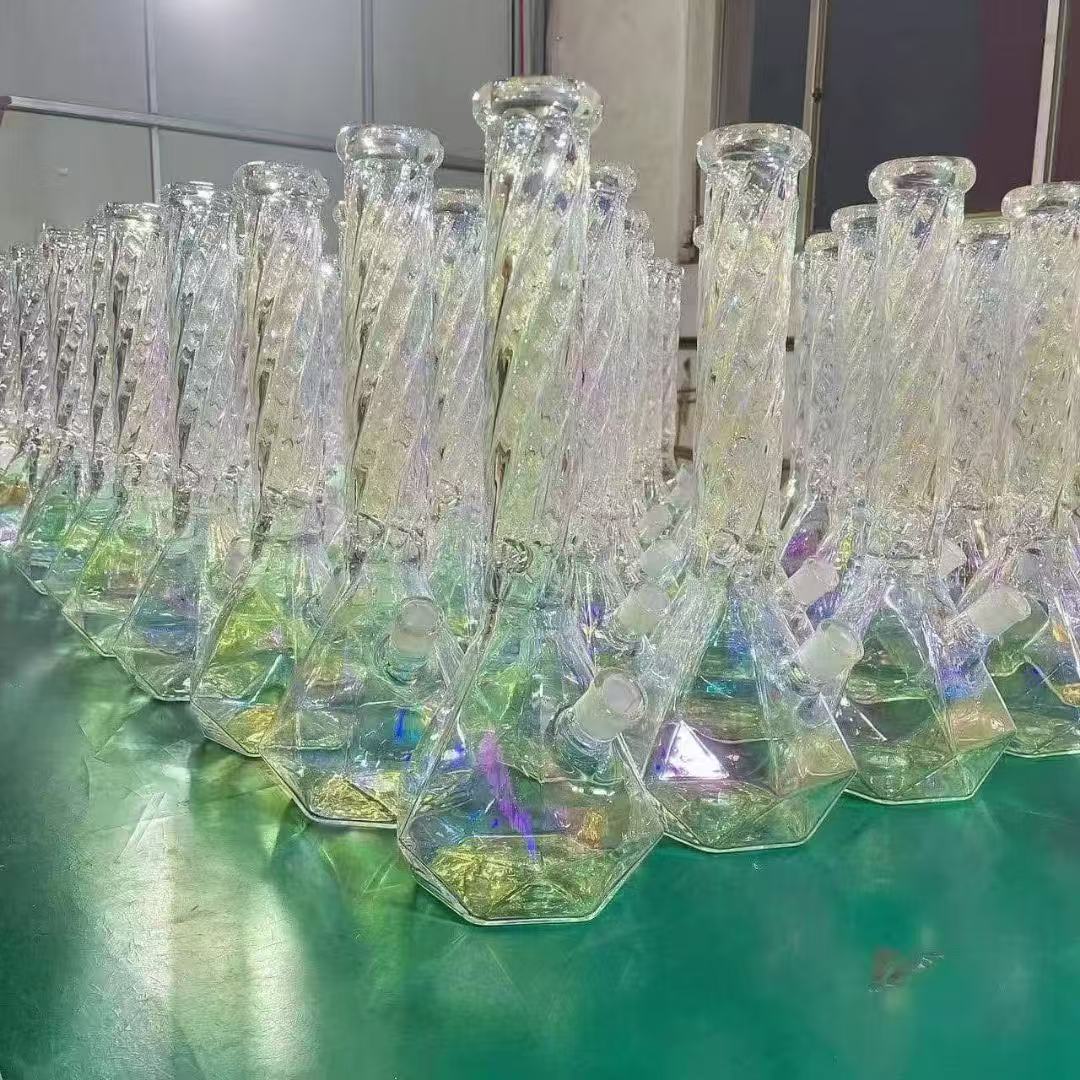
For retailers, this means replacement parts have higher inventory turnover. A well-stocked parts drawer behind the counter generates consistent revenue from customers who already own the main piece. The attach rate—the percentage of main-piece buyers who also purchase a spare bowl or downstem—typically runs 15–30 percent when the parts are visible and available.
The Four Fastest-Moving Replacement Categories
1. Glass Bowls and Slide Pieces
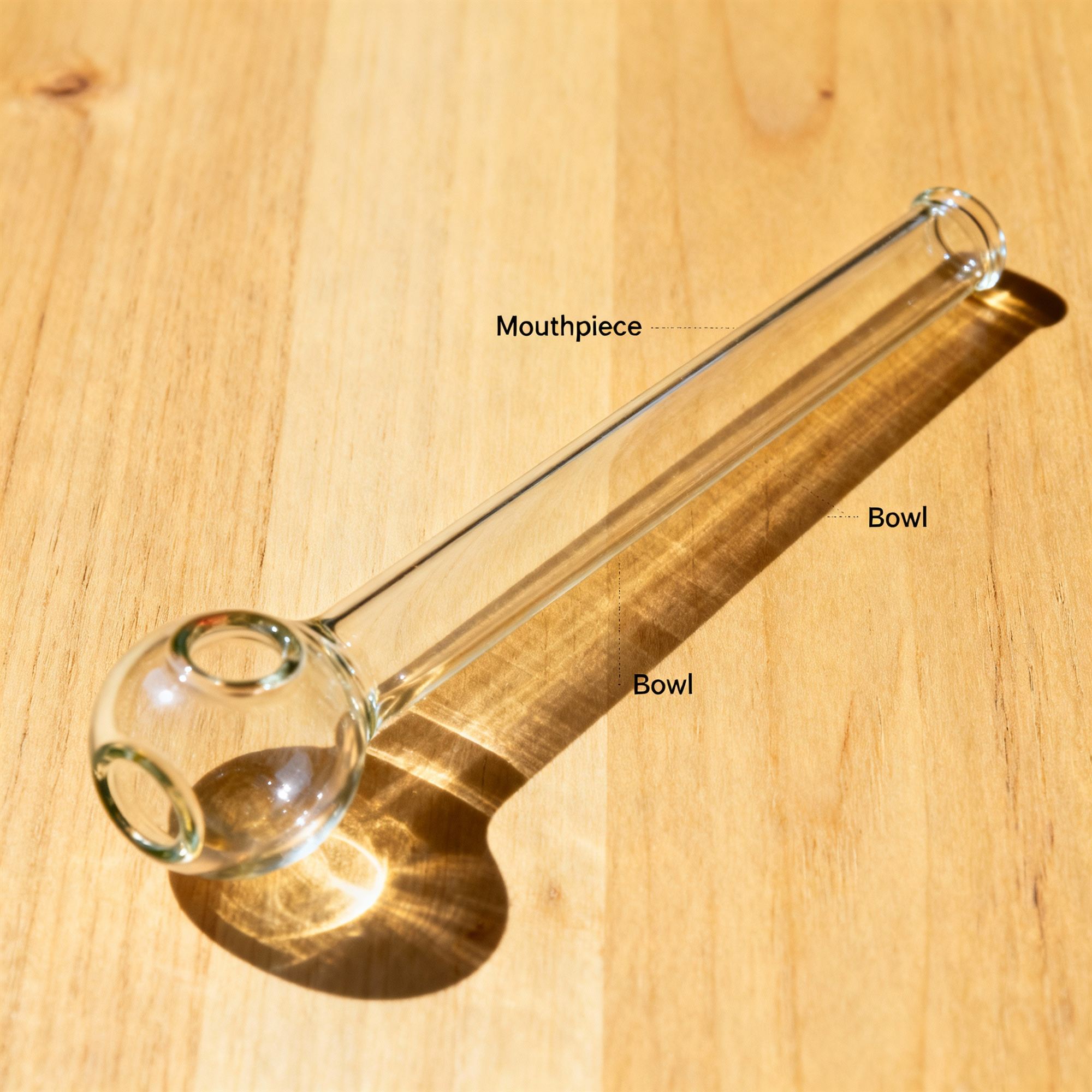
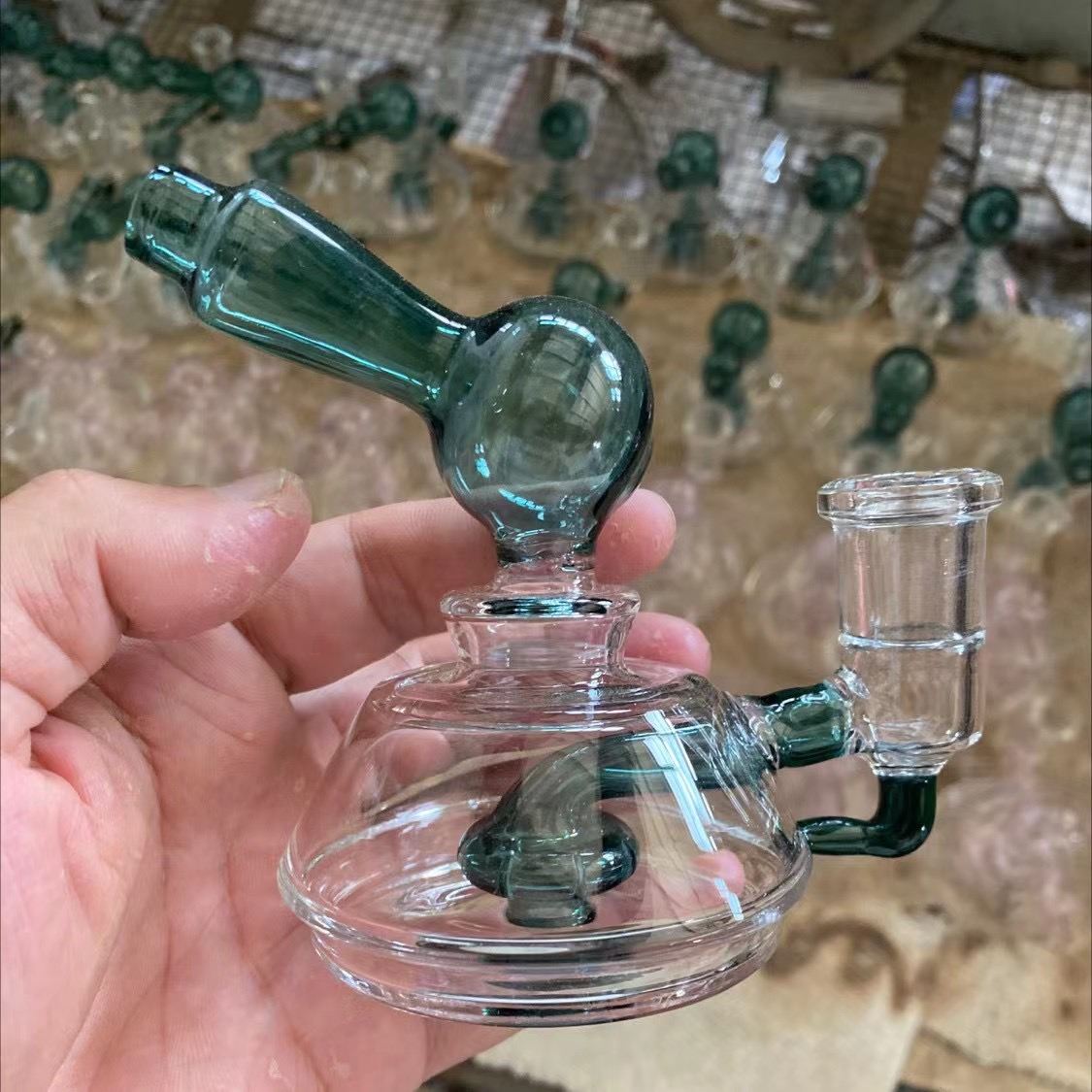
The bowl is the most handled component on any water pipe. It is removed for cleaning, tapped to clear ash, and occasionally dropped. Standard joint sizes (10mm, 14mm, 18mm female) mean that a single bowl SKU fits a wide range of water pipes. Stocking bowls in both clear borosilicate and colored variants covers most customer requests.
2. Downstems
Downstems connect the bowl to the water chamber. They come in fixed-length and telescoping varieties, with joint sizes matching the pipe’s downstem receptacle. Like bowls, they are removable and breakable. Telescoping downstems are particularly popular because they fit multiple pipe sizes, reducing the SKU count a retailer needs to carry.
3. Carb Caps
Carb caps are used with dab rigs to restrict airflow and lower the temperature on a banger. They are small, inexpensive to produce, and frequently lost or broken. The wholesale cost is low and the retail markup is high—often 3–5x cost. Directional carb caps with notches add functionality and command a premium over flat domes.
4. Ash Catchers
An ash catcher sits between the bowl and the main water chamber, trapping ash and resin before they reach the pipe. They serve a functional purpose (cleaner water, less maintenance) and are themselves a glass component that can break. Our wholesale ash catcher guide covers the styles and margins in detail.
Sourcing Strategy: Buy Parts From the Same Factory That Makes Your Main Pieces
Joint fit is the single most important quality factor for replacement parts. A bowl that wobbles in a 14mm joint frustrates the end user and generates returns. The best way to ensure joint compatibility is to source replacement parts from the same manufacturer that produces the main pieces they will fit.
When you order wholesale water pipes from a manufacturer like Elfglass, the joints are cut to consistent tolerances. Ordering matching bowls, downstems, and accessories from the same source ensures the ground glass joints mate properly. This is not just about convenience—it is about reducing the return rate caused by fit issues.
For buyers working with multiple pipe suppliers, stocking universal-fit parts (standard 14mm female bowls, telescoping downstems) provides coverage across brands. But for your house brand or exclusive designs, matched sets from a single OEM source are the better approach.
Stocking High-Margin Glass Pipe Replacement Parts?
Elfglass supplies bowls, downstems and slide parts in matching COE 3.3 borosilicate from the same factory as your main pieces, so every replacement fits and your parts drawer turns faster. Send your parts list and get a quote within 12 hours.
MOQ from 100 pieces | BSCI / WRAP / ISO 9001 | NDA before every project
Pricing and Margin Structure
| Component | Typical Wholesale Unit Cost | Typical Retail Price | Margin Range |
|---|---|---|---|
| Glass bowl (14mm, clear) | $0.80–$1.50 | $3.50–$6.00 | 70–80% |
| Glass downstem (14mm, fixed) | $1.20–$2.50 | $5.00–$9.00 | 70–78% |
| Carb cap (flat dome) | $0.60–$1.20 | $3.00–$5.00 | 75–80% |
| Ash catcher (inline perc) | $3.00–$6.00 | $12.00–$22.00 | 70–75% |
These margins are consistently higher than main-piece margins (typically 50–65 percent for water pipes). The lower absolute dollar value per unit also means replacement parts are impulse-friendly—customers add them to orders without the deliberation they apply to a $40 water pipe.
MOQ Considerations for Parts
One advantage of replacement parts is that MOQs are often more flexible than for main pieces. Because parts are small and fast to produce, some manufacturers will mix multiple part types into a single 100-unit MOQ. At Elfglass, our standard MOQ is 100 pieces per design/SKU, but for small components like bowls and carb caps, we can accommodate mixed-SKU orders that let retailers stock variety without overcommitting to a single part type.
For buyers new to a product line, starting with a mixed parts order is a low-risk way to test which components your customers request most. After one or two reorder cycles, you will have data to allocate shelf space to the fastest movers.
Displaying Replacement Parts at Retail
Parts sell best when they are visible and accessible. A small glass display case or counter-top organizer near the register captures impulse purchases. For guidance on retail display strategies, see our smoke shop glass pipe display guide.
The key is to group parts by joint size (14mm together, 18mm together) rather than by type. Customers who know their pipe’s joint size can find a compatible part quickly. Mixing types within a joint-size group also encourages add-on purchases—a customer looking for a bowl may notice a matching carb cap.
Contact Us for Replacement Parts Sourcing
If you are looking to add replacement components to your wholesale order, our team can provide a mixed-parts quote based on your joint size requirements and volume. Reach out through our contact page or request a quote directly—we respond within 12 hours with pricing, MOQ options, and lead times.
A Starter Mixed-Parts Order: Sample 100-Unit Allocation
Because small components can share a single 100-unit mixed-SKU MOQ, a first parts order is a low-risk way to learn what your customers actually request. The allocation below is a starting template — weighted toward the fastest movers and the most common joint size — that you rebalance after one or two reorder cycles once you have real attach-rate data. Adjust the joint-size mix to match the main pieces you already stock.
| Component | Joint / Type | Units | Rationale |
|---|---|---|---|
| Glass bowls | 14mm, clear borosilicate | 30 | Most-handled part; 14mm fits the widest range of water pipes |
| Glass bowls | 14mm, colored variants | 15 | Covers the “match my rig” request without adding a new joint size |
| Downstems | 14mm, fixed | 15 | Second-fastest mover; breakable and frequently replaced |
| Downstems | Telescoping (multi-fit) | 10 | One SKU covers several pipe sizes — reduces the count you must carry |
| Carb caps | Flat dome | 15 | Low cost, high markup, frequently lost; strong impulse add-on |
| Ash catchers | Inline perc | 10 | Higher ticket functional upgrade for dab and flower rigs |
| Glass bowls | 18mm | 5 | Covers the larger-joint minority without overcommitting units |
| Total | Mixed SKU | 100 | One MOQ, full variety, minimal exposure to any single part type |
Using Attach-Rate Data to Rebalance Your Next Parts Order
The first order is a hypothesis; the reorder is where the data takes over. The attach rate — the share of main-piece buyers who also take a spare bowl or downstem — typically runs 15–30% when parts are visible. Tracking it turns a guess into an allocation. Here is how to read your own numbers after a cycle or two.
- Log the attach rate by component, not in aggregate. A 25% overall attach rate hides whether bowls or carb caps are driving it. Track each part type against main-piece sales separately.
- Cut the SKUs that never attach. If a colored bowl variant or an 18mm size has not moved in two cycles, drop it from the next mixed order and reallocate those units to the proven movers.
- Deepen the fastest mover first. The part with the highest attach rate is your volume driver — give it the larger share of the next 100-unit basket before you widen variety.
- Watch the joint-size split against your main pieces. Your parts mix should mirror the joint sizes of the water pipes you actually sell; if your floor shifts toward 10mm rigs, shift the parts order with it.
- Re-test placement when attach rate stalls. A low attach rate is often a visibility problem, not a demand problem — move the parts case nearer the register and group by joint size before you conclude the product is weak.
Key Takeaways
- Replacement parts (bowls, downstems, carb caps, ash catchers) have higher margins and faster turnover than main glass pieces.
- Joint fit is critical—source parts from the same manufacturer that produces the main pieces they will fit.
- Typical retail margins on parts run 70–80 percent, compared to 50–65 percent for main pieces.
- Mixed-SKU part orders let new retailers test demand without overcommitting to individual component types.
- Display parts grouped by joint size near the register to capture impulse add-on sales.
Every guide on this site is grounded in production-floor experience. Before you commit to a supplier, read the founder’s story and trust promise to understand how Elfglass approaches component quality.
Frequently Asked Questions
What are the fastest-selling glass pipe replacement parts?
Glass bowls, downstems, carb caps, and ash catchers are the four fastest-moving replacement categories due to frequent handling, breakage risk, and consumable use patterns.
Why source parts from the same factory as main pieces?
Joint fit is the critical quality factor. Parts from the same manufacturer ensure ground glass joints mate properly, reducing returns from fit issues.
What margins can retailers expect on replacement parts?
Typical retail margins run 70-80 percent on glass bowls, downstems, and carb caps, compared to 50-65 percent on main glass pieces.
What is the MOQ for replacement parts?
Standard MOQ is 100 pieces per design or SKU. For small components like bowls and carb caps, manufacturers can accommodate mixed-SKU orders to let retailers stock variety without overcommitting.
Ready to Start Your Custom Glass Pipe Project?
Get a free quote within 24 hours. MOQ from 100 pieces. NDA-protected design consultation.
About the Author
Ava Zeng is the founder of Elfglass, a Shenzhen-based borosilicate glass pipe manufacturer serving B2B brands worldwide. Every guide on this site is grounded in her production-floor experience— the annealing lines, QC checkpoints, and export orders behind each claim.
Before you commit to a supplier, read her founder’s story and trust promise, and the guide to vetting a reliable glass pipe manufacturer— the same red-flag checklist Elfglass applies to its own suppliers.
