
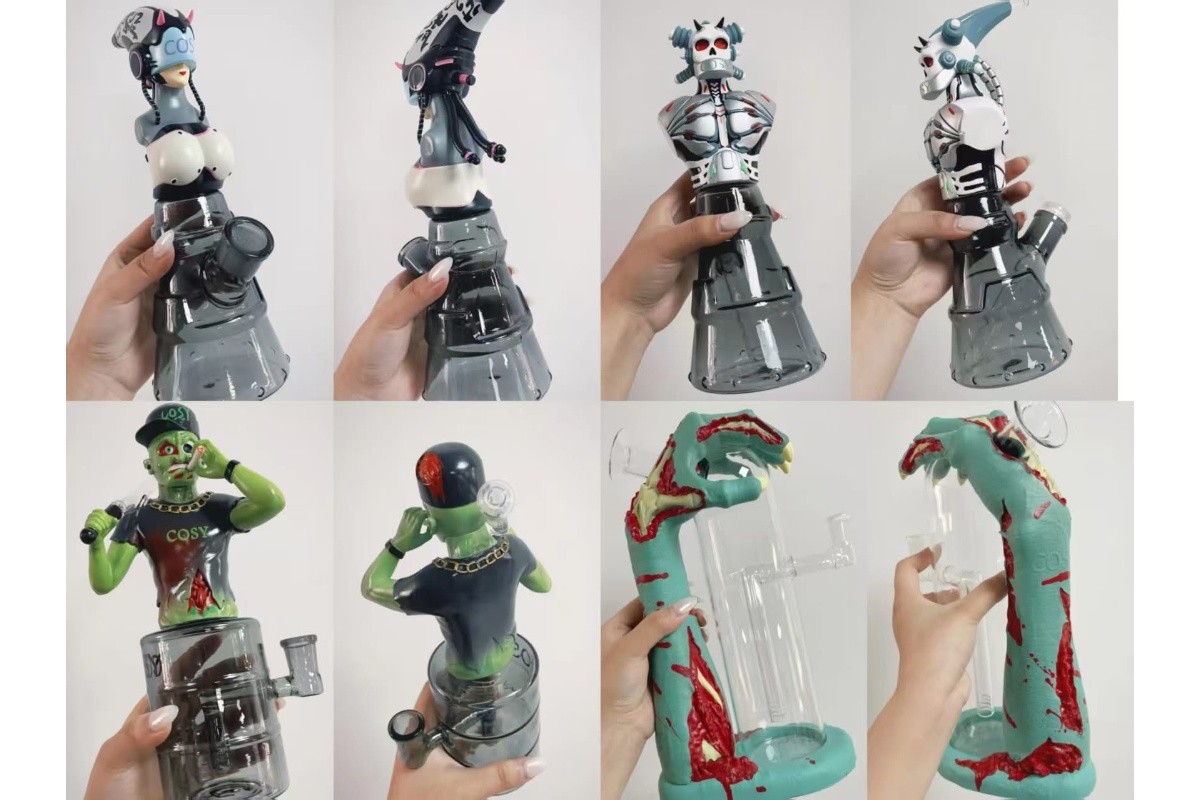
Walk into any smoke shop or scroll through an online headshop, and you will notice the shelves split into two distinct visual camps: crystal-clear glass pieces sitting beside bold, saturated colors. For wholesale buyers, this split is more than a merchandising choice — it reflects years of shifting consumer demand, regional taste, and product-category conventions. The debate between clear and colored glass has practical consequences for purchasing decisions, margin planning, and shelf turnover. This guide examines the real differences between clear and colored glass pipes across aesthetics, cost, durability, regional preference, and product-type suitability, so you can build a balanced inventory that moves consistently.
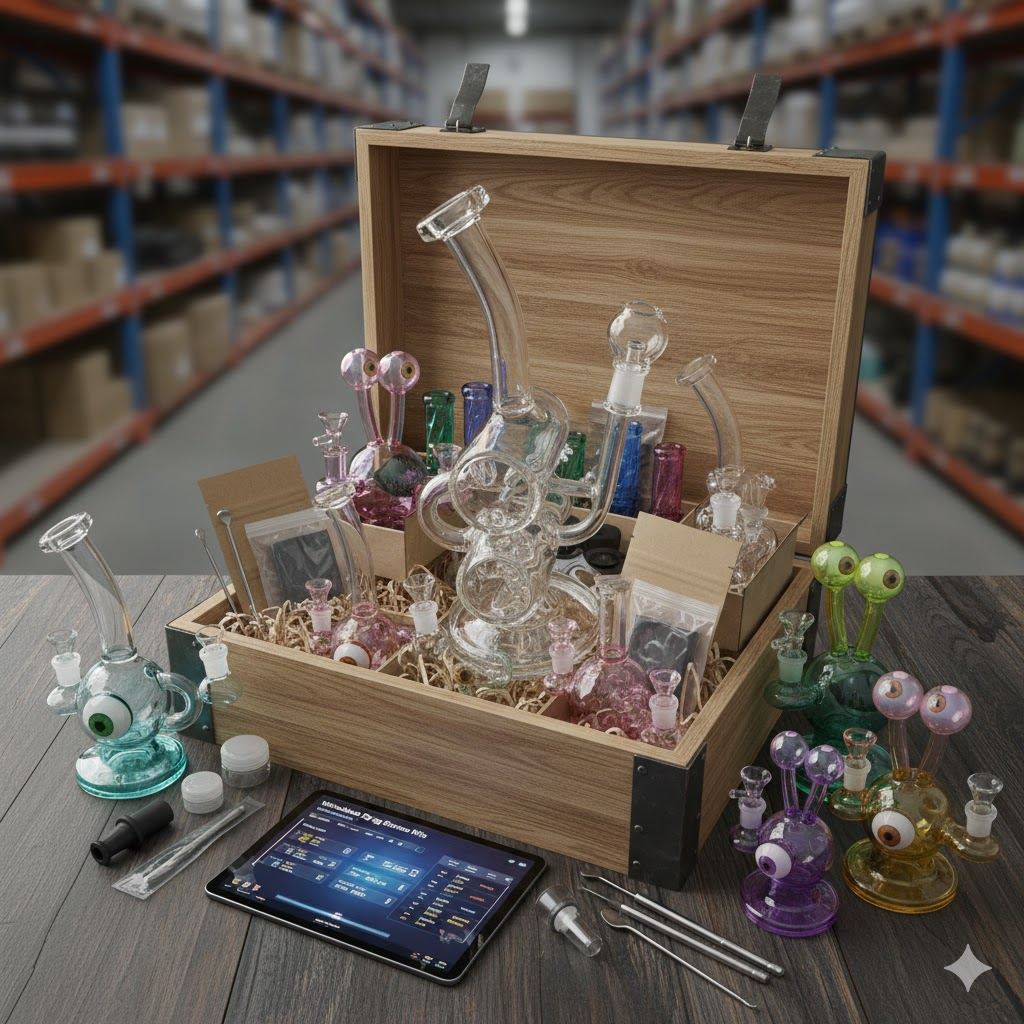
Aesthetic Appeal and Buyer Psychology
Clear glass has an undeniable classicism. It communicates purity, craftsmanship, and functional transparency — the user can see the smoke path, watch the percolation, and appreciate the precision of the welds. For decades, clear borosilicate has been the default material for serious enthusiasts who value visual feedback during use. Retail buyers who stock only clear glass often find it remains their most consistent seller because it never clashes with store décor and appeals across age groups. Both categories rely on borosilicate glass, whose silica and boron trioxide composition is documented in materials references, for heat resistance and durability.
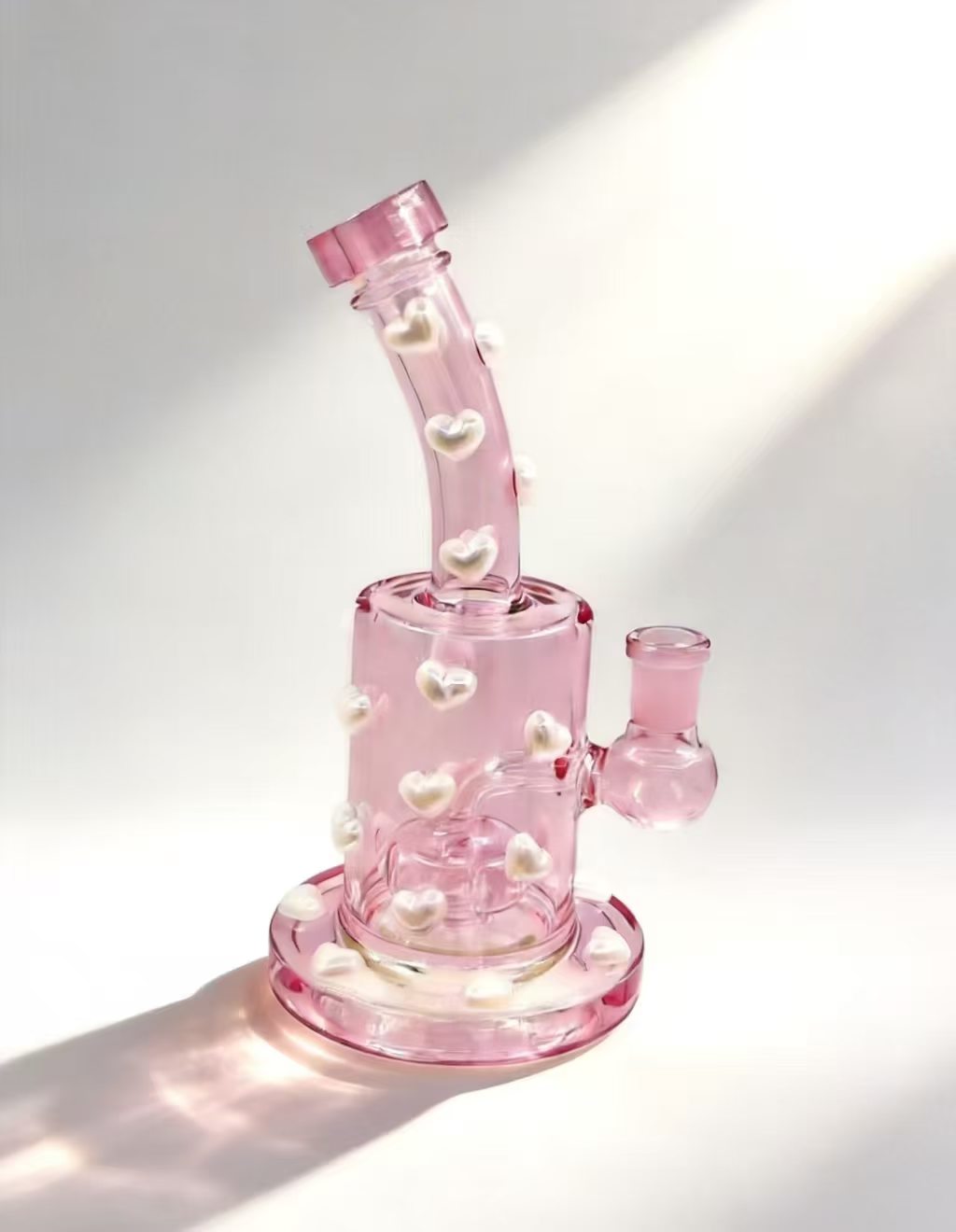
Colored glass tells a different story. Vibrant hues — deep cobalt blue, emerald green, ruby red, or even soft pastels — create an emotional pull that clear glass simply cannot replicate. Color transforms a functional piece into a statement object. Younger consumers, particularly those in the 21–35 demographic, frequently choose colored pieces because they photograph well for social media and express personal style. Shops that cater to a younger or fashion-forward clientele tend to report stronger foot traffic when their display cases include eye-catching colored pieces near the entrance.
The psychology extends to gift purchasing as well. A buyer selecting a present for a friend will often gravitate toward a colored piece because it feels more “intentional” — as though the purchaser put thought into choosing something distinctive. Clear glass, by contrast, reads as the safe, utilitarian option. Both have their place, but understanding this psychological split helps you allocate your open-to-buy budget more effectively.
Cost Differences Between Clear and Colored Glass
One of the first questions wholesale buyers ask is whether colored glass costs more to produce. The short answer is yes, though the margin varies depending on the coloring method. Clear glass requires only the base raw materials — silica sand, soda ash, and limestone — melted at high temperature. Colored glass demands additional metallic oxide compounds: cobalt for blue, iron for green, gold chloride for ruby red, selenium for pink. These additives increase raw material costs and require careful batch monitoring to maintain color consistency across production runs.
At Elfglass, where every order begins with a 100-piece minimum per design, the cost difference between a clear and a colored version of the same piece is meaningful but varies considerably, depending on the color complexity and the volume ordered. Multi-colored pieces — those combining two or more hues in a single blow — carry higher labor costs because the glassblower must manage different melting points and viscosity levels simultaneously. If you are exploring the full range of wholesale hand pipes, for instance, you will notice that single-color options sit at a lower price point than fumed or multi-color designs.
Budget-conscious buyers sometimes assume that colored glass automatically means lower margins. The opposite is often true: colored pieces can command higher retail prices because consumers perceive them as more premium or unique. A clear beaker bong might retail at a moderate price point, while the same silhouette in deep purple could sell for a noticeably higher price, depending on the market. The key is choosing colors that resonate with your specific customer base rather than ordering every available shade.
Durability and Heat Resistance Compared
A persistent myth in the wholesale community claims that colored glass is inherently more fragile than clear glass. The reality is more nuanced. When both clear and colored pieces are made from high-quality borosilicate glass — the industry standard for durable, heat-resistant smoking accessories — the structural difference is negligible. Borosilicate glass, whether clear or colored with compatible metal oxides, maintains a low coefficient of thermal expansion, meaning it resists cracking under rapid temperature changes.
That said, certain deep or opaque colors can make it harder for the glassblower to inspect the wall thickness during production. A piece of clear glass allows visual quality control at every stage; the artisan can spot thin walls, air bubbles, or stress points in real time. With heavily colored or opaque glass, some of that visual feedback is lost, which places greater reliance on the maker’s experience and technique. This is why sourcing from certified manufacturers matters. Elfglass operates under BSCI, WRAP, and ISO 9001 certifications, ensuring that every colored piece receives the same structural scrutiny as its clear counterpart.
For dab rigs specifically, where thermal shock is a daily reality, clear borosilicate remains the most popular choice among experienced users who want to monitor the nail or banger heating process. You can compare the functional differences between glass and electric alternatives in our glass vs electric dab rigs guide. However, colored dab rigs are gaining ground among lifestyle brands that prioritize visual identity over thermal transparency.
Regional Preference Patterns Across Markets
Geography plays a significant role in which glass color sells faster. In North America, clear glass has historically dominated the wholesale market, particularly in the Pacific Northwest and Mountain states where the consumer base skews toward traditional, function-first enthusiasts. Colored glass, however, has seen steady growth in urban markets — Los Angeles, Denver, Portland, and Toronto — where lifestyle branding and shelf aesthetics drive purchasing decisions.
European markets show a stronger appetite for colored and artistic glass. Germany, the Netherlands, and Spain have long traditions of glass artistry, and consumers in these countries often seek out pieces with bold color work, fuming, or reactive glass effects. In contrast, Scandinavian buyers tend to prefer the clean, minimal look of clear glass with precise percolator engineering — form follows function.
Asian markets, particularly Southeast Asia and Australia, have shown increasing interest in small, colorful hand pipes and novelty pieces. The compact size and lower price point of colored hand pipes make them accessible impulse purchases, and retailers in these regions frequently reorder fast-moving color assortments. If you are studying which best-selling glass hand pipes are trending this year, you will notice that color variety appears repeatedly in the top-performing SKUs.
Inspect Real Production Glass Before You Commit
We ship COE 3.3 borosilicate samples in 1 to 3 days and back every order with a documented QC process and inspection report. Request a sample kit and judge the wall thickness, color, and finish yourself.
MOQ from 100 pieces | BSCI / WRAP / ISO 9001 | NDA before every project
Which Product Types Suit Each Glass Type
Not every glass product benefits equally from color treatment. Understanding which forms work best in clear versus colored glass helps you avoid costly inventory mistakes. If you need a refresher on the full range of shapes available, our guide on the different types of glass pipes covers every silhouette in detail.
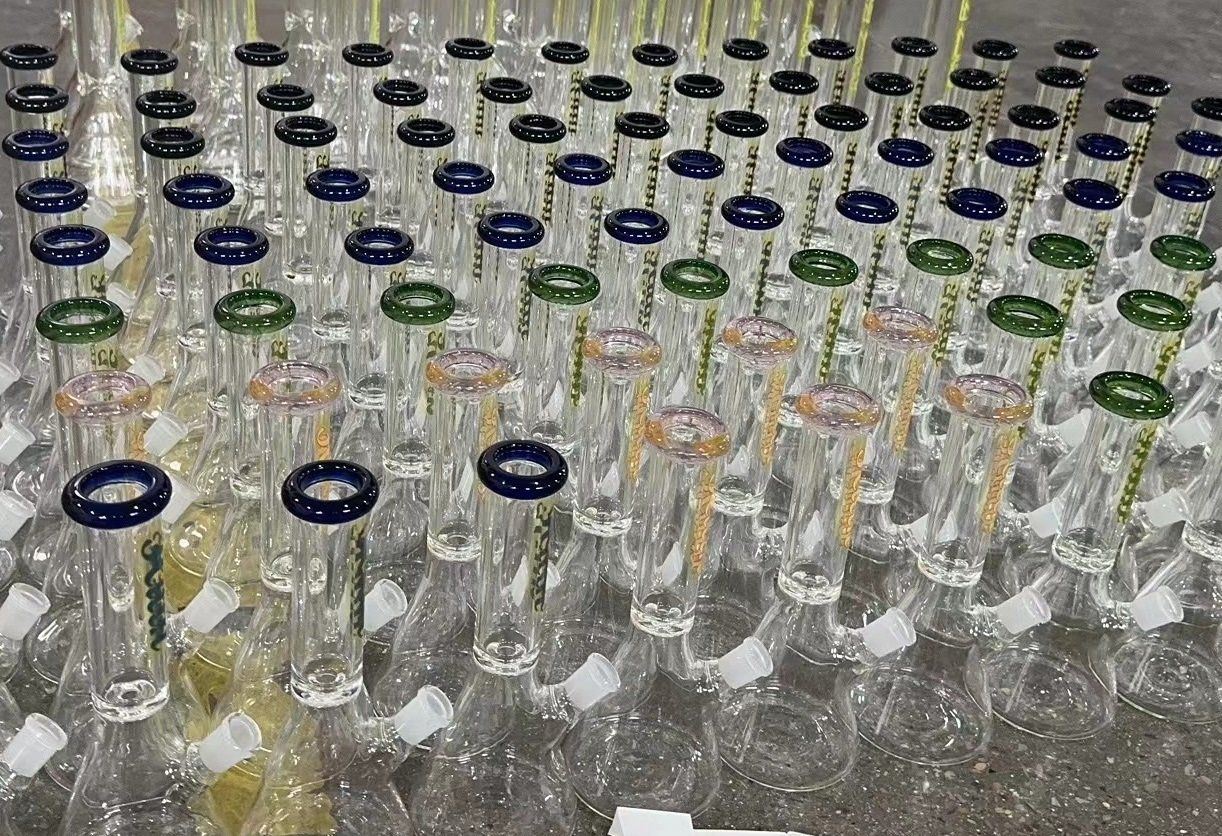
Water pipes and bongs perform well in both clear and colored glass. Clear beaker bongs remain the industry workhorse — they are versatile, easy to clean, and appeal to the broadest audience. Colored water pipes, especially those with gradient or reactive color work, attract buyers looking for display-worthy pieces. Straight tubes and conical bases in deep jewel tones have become particularly popular in the mid-range price bracket.
Hand pipes are where colored glass arguably shines brightest. The smaller canvas means color has a proportionally greater visual impact. A simple Sherlock pipe in cobalt blue catches the eye far more effectively than the same shape in clear glass. Retailers who stock wholesale hand pipes often find that colored variants rotate off the shelf faster because the lower absolute price encourages color-based experimentation.
Dab rigs lean toward clear glass for functional reasons, as discussed earlier. However, mini colored rigs — particularly e-rig-compatible pieces — have carved out a niche among consumers who want their dab setup to match a curated aesthetic. The wholesale dab rigs category includes both clear and colored options to serve these distinct buyer segments.
Customization and Branding Impact of Glass Color
For wholesale buyers building a private-label program, the clear-versus-colored decision intersects directly with branding strategy. Clear glass offers the most flexibility for aftermarket branding — logos, etchings, and decals are highly visible against a transparent background. Many brands choose clear glass as their canvas precisely because the product itself recedes, letting the branding take center stage.
Colored glass, on the other hand, creates a stronger brand signature when the color itself becomes associated with your label. Think of it as the difference between a clear bottle and a signature-shaped colored bottle in the fragrance industry — the container becomes part of the identity. Elfglass offers full OEM and ODM services with custom molds exclusive to each client, meaning you can develop a proprietary colored glass silhouette that no other brand can replicate. With sampling completed in 1–3 days and production running 7–12 days for orders of 100 pieces or more, the turnaround for a custom colored design is remarkably fast.
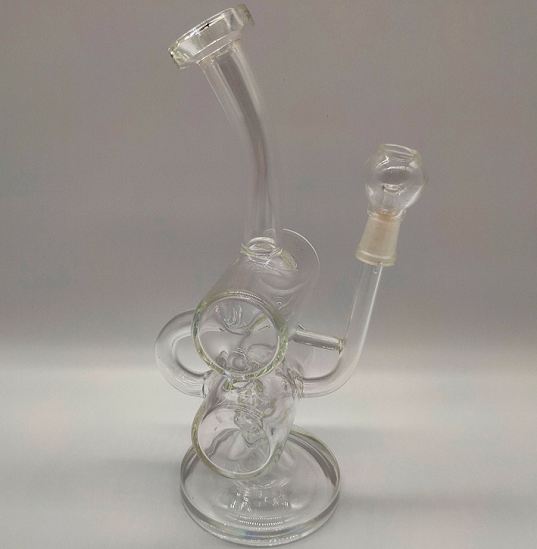
Stocking Both for Maximum Shelf Appeal
The most successful retail accounts do not choose between clear and colored glass — they stock both in deliberate proportion. A common approach is to keep clear glass as the majority of the assortment, with colored pieces making up a smaller but meaningful share. Urban lifestyle shops may push the colored share higher, while traditional head shops in conservative markets may keep colored pieces as a modest portion of total inventory.
Merchandising research suggests that placing a few bold colored pieces at the front of a display case draws the eye inward, where clear pieces then anchor the bulk of the assortment. The colored items serve as visual anchors; the clear items serve as volume sellers. When planning your next order, consider requesting a color assortment pack from your manufacturer — many factories, including Elfglass, can produce matched sets in multiple colorways from the same mold, ensuring design consistency across your display.
Seasonal adjustments also matter. Holiday seasons tend to favor colored glass — reds and greens in Q4, pastels in spring, black and orange around Halloween. Planning your colored inventory well ahead of these seasonal peaks ensures your shelves stay relevant without overstocking.
Clear vs Colored Glass: Side-by-Side Comparison
| Dimension | Clear Glass | Colored Glass |
|---|---|---|
| Base material cost | Lower — standard raw materials | Higher — metallic oxide additives required |
| Retail price potential | Moderate — competitive pricing | Higher — perceived as premium or unique |
| Visual quality control | Easy — wall thickness visible during production | Harder — opaque colors limit visual inspection |
| Durability (borosilicate) | Excellent thermal shock resistance | Equivalent when using compatible colorants |
| Broadest appeal | All demographics, all markets | Younger buyers, urban markets, gift segment |
| Best product categories | Beaker bongs, dab rigs, straight tubes | Hand pipes, mini rigs, novelty pieces |
| Branding surface | Excellent for logos, etchings, decals | Color itself becomes brand signature |
| Seasonal demand fluctuation | Stable year-round | Peaks around holidays and seasonal trends |
For a detailed comparison, see our guide on hand pipe ergonomics and design.
Frequently Asked Questions
Is colored glass more expensive to wholesale than clear glass?
Generally, yes. Colored glass requires additional metallic oxide additives and more careful batch monitoring during production, which increases the base cost depending on color complexity and order volume. However, the higher retail price that colored pieces command often offsets this difference, protecting your margin.
Does colored glass break more easily than clear glass?
Not when both are made from quality borosilicate. The thermal shock resistance and structural integrity remain comparable. The main difference lies in production quality control — clear glass allows easier visual inspection during manufacturing, which is why sourcing from certified factories with rigorous QC processes is essential regardless of color choice.
Which sells faster at retail — clear or colored pipes?
Clear glass tends to move in higher volume because it appeals to the widest audience. Colored glass, however, often has faster per-SKU turnover in lifestyle-oriented shops because the visual appeal triggers impulse purchases. The optimal strategy is stocking both, with clear as your volume base and colored as your margin enhancer.
Can I order custom colors for my brand?
Yes. Manufacturers that offer OEM/ODM services can develop custom color formulations exclusive to your brand. At Elfglass, custom molds and color specifications are kept proprietary to each client. Sampling takes 1–3 days, and full production runs 7–12 days for orders of 100 pieces or more per design.
What is the minimum order for colored glass pipes?
At Elfglass, the minimum order is 100 pieces per design or SKU, whether you choose clear or colored glass. This applies to water pipes, hand pipes, dab rigs, and accessories. The factory produces approximately 10,000 pieces monthly from its 1,000 sqm facility, ensuring consistent availability across all color options.
Building Your Clear and Colored Inventory
The clear versus colored glass question does not have a single correct answer — it has a strategic one. Your ideal mix depends on your customer demographics, your market geography, your price positioning, and your brand identity. What matters most is intentionality: ordering both categories with a clear understanding of the role each plays in your overall assortment.
Clear glass remains the backbone of any glass pipe inventory. It is the safe bet, the consistent seller, the canvas for your branding. Colored glass is the differentiator — the piece that stops a browser in their tracks, the gift that feels personal, the Instagram photo that drives organic traffic. Together, they create a balanced display that serves every type of customer who walks through your door or lands on your product page.
If you are ready to explore a mixed inventory of clear and colored glass pieces, Elfglass offers full OEM/ODM capabilities with a 100-piece minimum per design. With BSCI, WRAP, and ISO 9001 certifications, a 1,000 sqm production facility, and a team of 20 skilled artisans producing 10,000 pieces monthly, the factory delivers consistent quality across every color and every category. Reach out through the contact page to discuss your next order or request color samples for your upcoming season.
About the Author
Ava Zeng is the founder of Elfglass, a Shenzhen-based borosilicate glass pipe manufacturer serving B2B brands worldwide. Every guide on this site is grounded in her production-floor experience— the annealing lines, QC checkpoints, and export orders behind each claim.
Before you commit to a supplier, read her founder’s story and trust promise, and the guide to vetting a reliable glass pipe manufacturer— the same red-flag checklist Elfglass applies to its own suppliers.
Color preferences tie to the glass coloring chemistry, where metal-oxide additives determine the hue visible through borosilicate walls.
Ready to Source Custom Glass Pipes?
Get a free quote within 24 hours. MOQ from 100 pieces. NDA-protected design consultation.
