

Every year, dozens of OEM glass pipe projects collapse before a single piece ships. The glass was never the problem. The kilns were hot, the blowers were skilled, and the borosilicate rods sat ready on the rack. What killed the project was something far more mundane: a missed email, a vague sketch, a specification buried in a voice note that nobody transcribed. OEM communication problems are the single largest cause of project failure in this industry, and almost nobody talks about it honestly. Sharing drawings early under a non-disclosure agreement keeps the conversation open while proprietary geometry stays inside the project boundary.
At Elfglass, we have watched brilliant brand concepts die on the production floor because the person who wrote the purchase order and the person who read it were operating in two different realities. This article breaks down exactly where those breakdowns happen, why they happen, and what a structured communication protocol looks like on a factory floor in Shenzhen that has been producing borosilicate glass pipes since 2010.
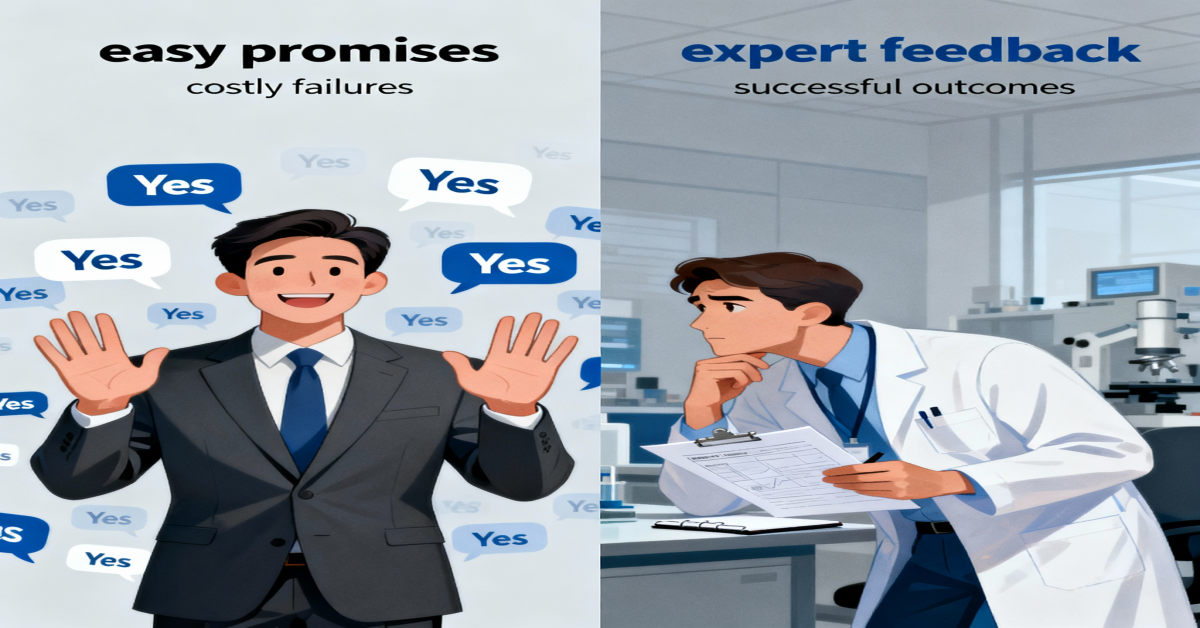
The Hidden Cost of a Misunderstood Spec Sheet
Consider a scenario that plays out more often than anyone wants to admit. A brand in California sends a design brief to a manufacturer in Guangdong. The brief includes a hand-drawn sketch with approximate dimensions, a color swatch photographed under office fluorescent lighting, and a note that says “similar to the one we did last quarter.” The factory interprets the dimensions literally. The brand intended them as guidelines. The color swatch shifts three shades when the factory’s color-matching team compares it under D65 standard lighting. The “similar” piece from last quarter used a different joint gauge that the brand has since discontinued.
None of this is malicious. Every party is doing their best with the information they have. But the information was never sufficient. By the time the first sample arrives in California, six weeks have passed, the brand rejects it, the factory feels frustrated because they followed the spec as written, and the project either enters a costly revision cycle or gets cancelled entirely. This is not a technical failure. It is a communication failure, and it accounts for the majority of OEM project casualties in the borosilicate glass space.
The cost of these breakdowns extends well beyond the wasted sample. There is the opportunity cost of delayed market entry. There is the strain on the buyer-supplier relationship that makes future collaboration tense. There is the quiet erosion of trust that turns a promising partnership into a transactional one where every email is hedged with liability language. When oem communication problems go unaddressed, both sides start documenting for litigation instead of collaborating for innovation.
Why Design Briefs Fail Before Production Begins
The most common root cause of OEM project failure is a vague or incomplete design brief. Brands, especially newer ones entering the glass market, often assume the manufacturer can read between the lines. They send inspiration images instead of technical drawings. They describe a feeling rather than a dimension. They say “premium quality” without defining what that means in measurable terms.
At Elfglass, we have developed a structured approach to the design brief because we learned the hard way that goodwill alone does not produce accurate samples. A proper brief must answer specific questions: What is the exact outer diameter at each point along the tube? What is the wall thickness? What joint type and gauge? What is the target weight range? What color standard are we using, and under what lighting condition was the reference photographed? Is there a Pantone code, or are we working from a physical sample that needs to be shipped to the factory?
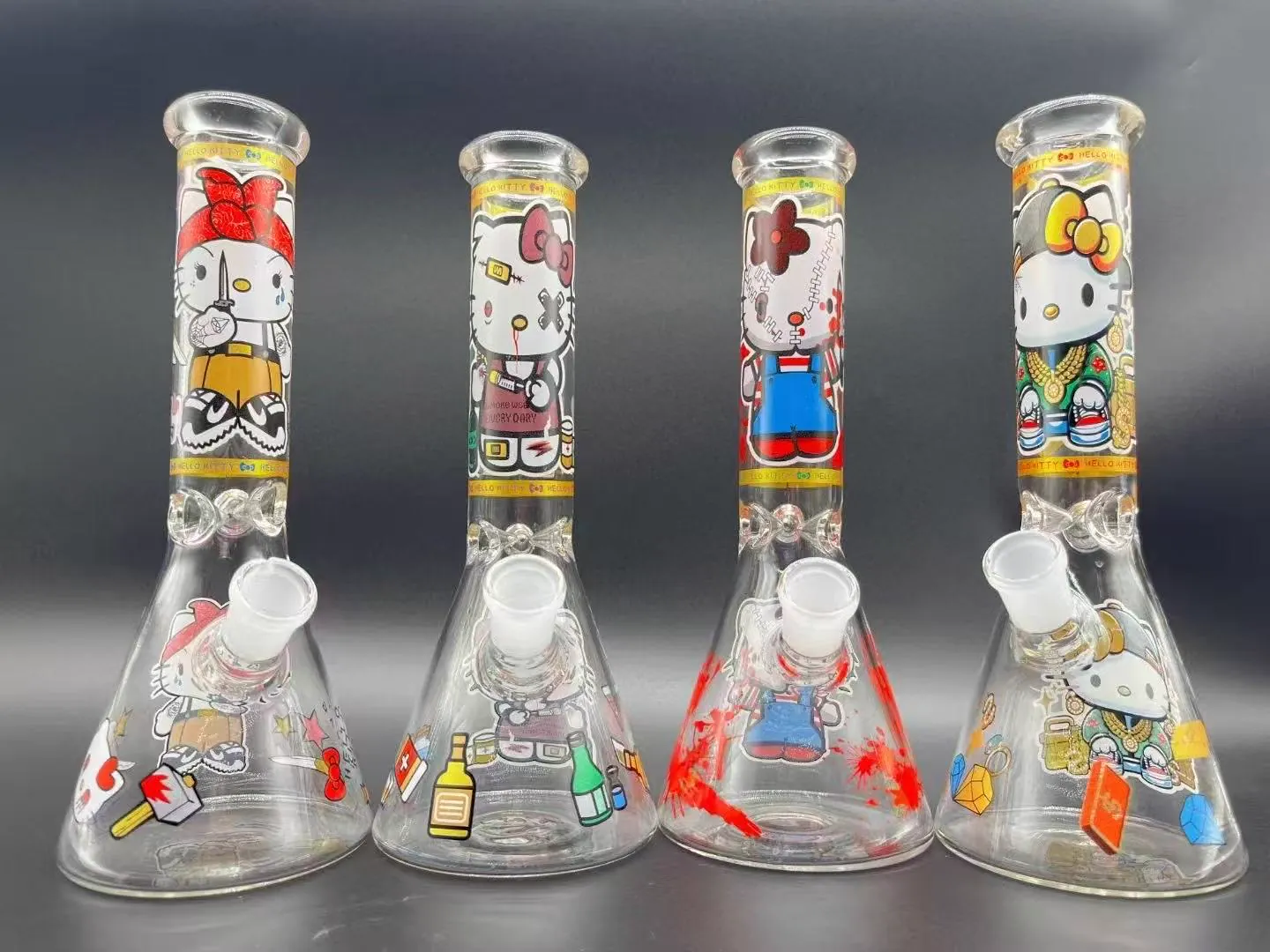
We created a design brief guide specifically to help brands articulate their vision in terms a production floor can execute against. The gap between “I want something elegant and sturdy” and “3.2mm wall thickness, 14mm joint, borosilicate 3.3, annealed at 560 degrees Celsius for 45 minutes” is where most OEM projects lose their way. Bridging that gap is not the brand’s sole responsibility, but the brand must be willing to engage with the specificity that manufacturing demands.
The Empathy Deficit in Contract Manufacturing
Ava Zeng, the founder of Elfglass, has said it plainly: “What kills a great idea is never the technology, but the communication gap and a lack of empathy.” That statement is not a marketing line. It is a diagnosis born from fifteen years of watching projects succeed and fail on the same production lines, with the same equipment, using the same glass.
Empathy in manufacturing means the factory takes time to understand why the brand made each decision in the brief. Why this particular curve? Because the target demographic holds the piece differently than experienced users. Why this specific color? Because it matches the brand’s existing silicone accessory line, and the entire collection needs to photograph well together on Instagram. Why this packaging requirement? Because the brand ships direct-to-consumer and the unboxing experience is part of the product.
When a manufacturer lacks this empathy, they produce technically correct samples that miss the point entirely. The joint is the right gauge but the piece feels wrong in the hand. The color matches the swatch but clashes with the brand’s product line. The piece is functional but photographically flat. These are not manufacturing defects. They are empathy failures, and they only happen when the factory treats the order as a spec sheet to be executed rather than a vision to be understood.
This is why Elfglass operates with a philosophy we call “A Manufacturer With the Soul of a Designer.” It means the person reading your brief is thinking about your end user, your brand positioning, and your market, not just the glass in front of them on the bench.

Time Zones, Language Barriers, and the Async Trap
International OEM projects carry an additional communication burden that domestic manufacturing simply does not face. A brand in Berlin sends an email at 9 AM CET. The Shenzhen factory reads it at 4 PM CST, after their production day is mostly done. They reply that evening. The brand sees the reply the next morning. By then, the factory has started on other orders and the mental context of the project has shifted. Each exchange takes 24 hours minimum, and a single design clarification that would take five minutes in person becomes a week-long email chain.
Language compounds this problem. Even when both parties communicate in English, technical terminology creates friction. The word “thick” means different things to a German engineer and a Chinese glassblower. “Smooth” is subjective. “Durable” is unmeasurable without a test standard. These are not trivial semantic quibbles. They are the exact points where oem communication problems generate expensive physical mistakes.
Elfglass addresses this by assigning a dedicated project contact who learns the brand’s vocabulary over the course of the relationship. We respond to all quote requests within 12 hours, which means the brand never waits through a full business cycle to learn whether their project is feasible. We also invest in clarifying questions upfront rather than making assumptions and discovering the mismatch at the sampling stage. This approach is what we mean when we say “Speed is Sacred Respect.” Every hour of delay is an hour of the brand’s time that we do not take lightly. OEM communication failures follow the patterns documented in business communication research, where ambiguous specifications cascade into costly rework.
Start a Conversation With a Real Factory Partner
You get a named contact, honest lead times, and an NDA before any OEM project. Tell us what you are building and we will reply within 12 hours with straight answers, not a sales script.
MOQ from 100 pieces | BSCI / WRAP / ISO 9001 | NDA before every project
The Revision Cycle Death Spiral
When communication breaks down early, the project enters what we call the revision cycle death spiral. Sample one is wrong because the brief was vague. The brand provides feedback, but the feedback is reactive rather than systematic, addressing the visible symptoms rather than the root misunderstanding. Sample two fixes one problem and introduces two new ones because the factory overcorrected. Sample three is closer but still not right, and by this point both sides are frustrated, the timeline has slipped by months, and the brand is considering whether to abandon the project entirely.
This spiral is preventable. The fix is not more samples. The fix is better communication at the front end. At Elfglass, our sampling turnaround is one to three days after specifications are confirmed, and bulk production takes seven to twelve days for orders above 100 pieces. Those timelines only work when the specifications are genuinely confirmed, not assumed. We have found that investing an extra day in specification alignment before the first sample saves a week of revision cycles afterward.
Our minimum order quantity of 100 pieces per design is deliberately accessible. It means brands can test a concept without committing to a massive production run, and it means the sampling stage carries lower financial risk. When the stakes are lower, both sides communicate more honestly. The brand is more willing to say “I am not sure about this detail” rather than guessing and hoping for the best. The factory is more willing to push back and ask for clarification rather than making an assumption to keep the project moving.
NDA as a Communication Enabler
Most brands think of a non-disclosure agreement as a legal formality, a piece of paper that protects intellectual property. At Elfglass, we sign an NDA before every single project, and we have found that it serves a purpose beyond legal protection: it enables better communication.
When both parties know the project is protected by a signed NDA, the brand shares more. They share their full product roadmap, not just the single piece they are ordering. They share competitor analysis, pricing strategy, and marketing plans. They share the reason behind a design choice, not just the choice itself. All of this additional context makes the manufacturer’s job easier and the final product better.
Without an NDA, brands hold back. They share only what they consider legally safe to share, which means the manufacturer operates with incomplete information. The factory might know the dimensions and the color, but not the target price point or the intended retail channel. That missing context is exactly what would have prevented the empathy failures described earlier. The NDA removes the fear that allows the communication gap to widen.
This is why our sample revision process begins with an NDA, not with a sketch. The legal framework creates the psychological safety that honest communication requires.
What Separates Surviving OEM Partnerships from Failed Ones
After fifteen years in borosilicate glass manufacturing, Elfglass has seen enough projects succeed and fail to identify the pattern. The partnerships that thrive share three communication habits.
First, they invest in the brief. The brands that produce the best results are the ones that treat the design brief as a serious engineering document, not a casual email with attachments. They measure their pieces. They specify their colors with codes. They describe their target user. You can explore what this looks like in practice through our OEM vs ODM comparison guide, which explains how different engagement models demand different levels of brief specificity.
Second, they maintain a single point of contact on each side. When the brand rotates through three different project managers and the factory assigns a new sales rep each quarter, institutional knowledge evaporates. The most successful partnerships have one person at the brand who knows the product vision and one person at the factory who knows the production capabilities, and those two people build a working relationship over multiple projects.
Third, they treat the manufacturer as a partner rather than a vending machine. A vending machine receives an order and dispenses a product. A partner asks questions, raises concerns, suggests alternatives, and shares the risk. Brands that approach their OEM relationship as a partnership get better outcomes because the manufacturer feels ownership over the result rather than just obligation to the order.
Building a Communication Protocol That Scales
Elfglass operates 1,000 square metres of production space in Shenzhen with a team of 20 employees and a monthly capacity of 10,000 pieces. That scale is deliberate. We are large enough to handle serious production volumes and hold BSCI, WRAP, and ISO 9001 certifications, but small enough that every project receives direct attention from experienced staff. We are not so large that your order becomes a number in a queue managed by a rotating cast of account managers who have never visited the production floor.
Our payment terms, T/T with 30 percent deposit and 70 percent before shipment, are structured to align incentives. The deposit confirms the brand’s commitment. The pre-shipment balance ensures we have delivered to specification before receiving full payment. This structure only works when communication is clear, because both sides need to agree on what “to specification” means before money changes hands.
The communication protocol we follow is simple but rigorous. Day one: NDA signed, design brief received and reviewed. Days one through three: sampling, with the brand receiving photos and measurements of the sample before it ships. Days seven through twelve: bulk production for orders above 100 pieces, with progress updates at key milestones. At every stage, the brand has a direct line to the person managing their project, and quote requests receive a response within 12 hours.
If you are evaluating whether a glass pipe manufacturer can handle your project, communication quality should be your first filter, not your afterthought. Before you send your design brief, take the time to read about the trust and philosophy that guides our factory floor, and review the vetting checklist we recommend for evaluating any glass pipe supplier. The right manufacturer will welcome your questions. The wrong one will rush you to a purchase order.
If you have a project in mind and want to test whether the communication works before committing, reach out to our team. Send us your brief, however rough, and we will respond within 12 hours with the kind of detailed feedback that tells you whether this partnership will work.
For a detailed comparison, see our guide on first OEM project timeline. Browse the wholesale dab rigs collection to see finished products from projects that communicated well.
Frequently Asked Questions
Why do OEM glass pipe projects fail?
Most OEM glass pipe projects fail due to communication gaps between the brand and manufacturer, not technical limitations. Vague design briefs, language barriers, and time zone delays cause specifications to be misinterpreted, leading to rejected samples, costly revision cycles, and ultimately abandoned projects.
How does Elfglass prevent communication problems?
Elfglass signs an NDA before every project, assigns a dedicated project contact, responds to all quote requests within 12 hours, and follows a structured workflow from design brief review through sampling to bulk production. This protocol ensures both sides stay aligned at every stage.
What is the most common OEM communication mistake?
The most common mistake is vague design briefs that leave critical specifications open to interpretation. Brands send inspiration images instead of technical drawings, describe feelings instead of dimensions, and assume the manufacturer can infer details that were never explicitly stated.
How long does sampling take at Elfglass?
Sampling takes one to three days after the design brief and specifications are confirmed. This fast turnaround allows brands to evaluate physical samples quickly and move to bulk production, which takes seven to twelve days for orders above 100 pieces.
What role does empathy play in OEM manufacturing?
Empathy ensures the manufacturer understands the brand vision and end-user needs, reducing revision cycles and improving first-sample accuracy. When the factory understands why a design decision was made, not just what the decision is, the resulting product aligns with the brand’s intent rather than just its spec sheet.
About the Author
Ava Zeng is the founder of Elfglass, a Shenzhen-based borosilicate glass pipe manufacturer serving B2B brands worldwide. Every guide on this site is grounded in her production-floor experience— the annealing lines, QC checkpoints, and export orders behind each claim.
Before you commit to a supplier, read her founder’s story and trust promise, and the guide to vetting a reliable glass pipe manufacturer— the same red-flag checklist Elfglass applies to its own suppliers.
Ready to Source Custom Glass Pipes?
Get a free quote within 24 hours. MOQ from 100 pieces. NDA-protected design consultation.
