
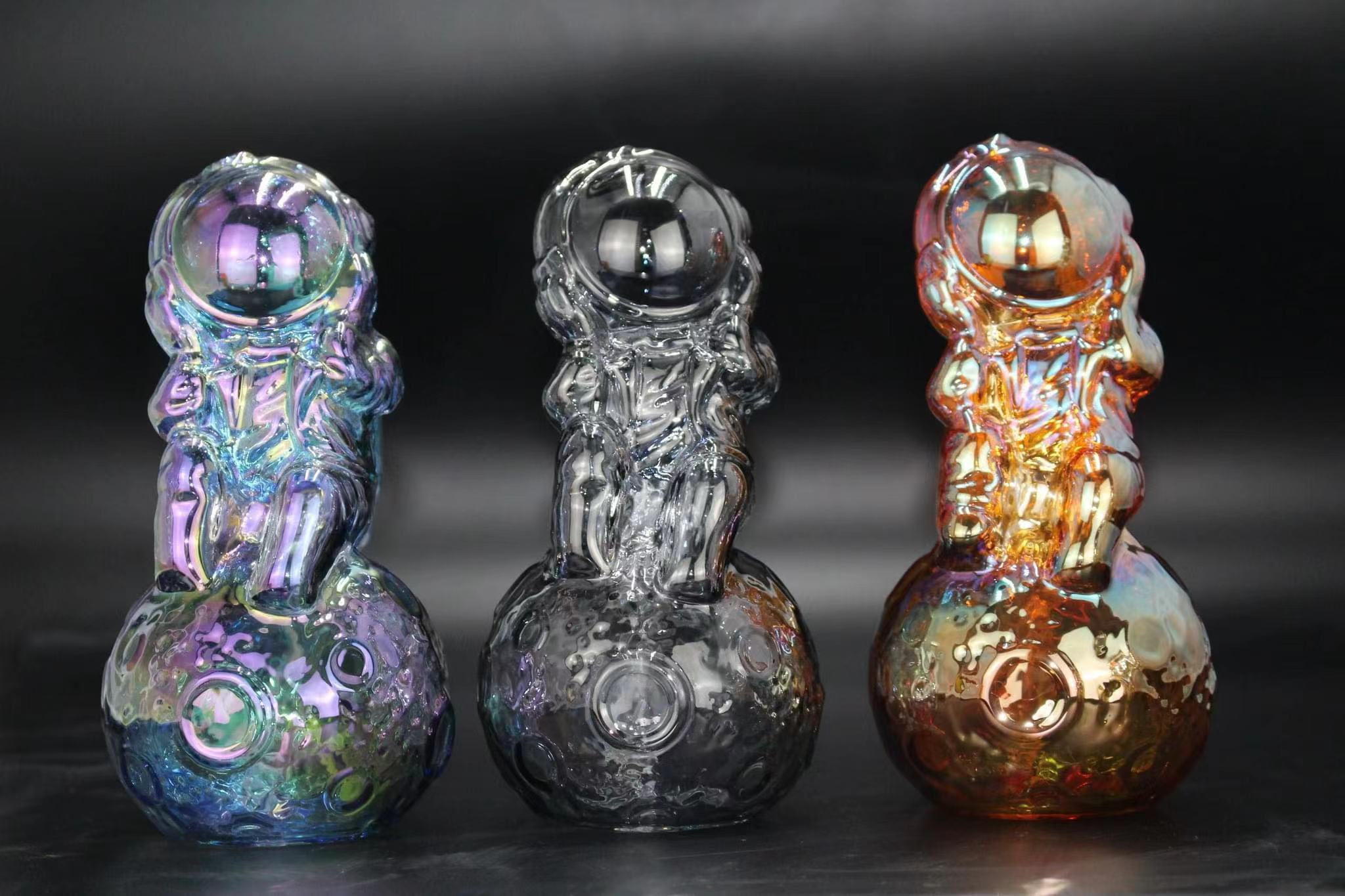
OEM and ODM are the two manufacturing models factories offer: with OEM you own the design and the factory builds it; with ODM you customize a factory’s existing design. The choice decides who owns the mold, who pays tooling, and how fast you reach market, and what sample fees you pay along the way — here is the buyer’s framework for picking the right one.
When you approach a glass factory with a product idea, the first question the manufacturer will ask is not about your design or your budget. It is about the engagement model: do you want OEM or ODM? The answer determines who owns the design, who controls the tooling, how long sampling takes, and what your minimum order looks like. Getting this wrong means paying for a custom mold when a catalog piece would have worked, or accepting a supplier’s existing design when your brand needs something exclusive. For more context, see this exclusive designs vs open catalog.
Elfglass has run both OEM and ODM projects since 2010, producing up to 10,000 pieces per month from its 1,000 square-meter Shenzhen facility. This guide breaks down the practical differences between the two models for glass pipe buyers, with specific examples from the water pipe, hand pipe, and dab rig categories.
For more on this topic, see our guide on custom packaging integration into OEM production.
The Core Difference: Who Owns the Design
The distinction between OEM and ODM comes down to one question: who created the product design that goes into production?
OEM (Original Equipment Manufacturer). You bring the design. The factory builds it to your specification. Your technical pack, CAD files, or physical sample defines every dimension, material choice, color, and finish. The factory provides the labor, the tooling expertise, and the production capacity. You own the design and, typically, the mold.
ODM (Original Design Manufacturer). The factory designed the product. You select it from their catalog, optionally add your logo or colorway, and sell it under your brand. The factory owns the design and usually the mold. Your customization is limited to surface-level changes like color, logo placement, and packaging.
| Dimension | OEM | ODM |
|---|---|---|
| Design origin | Your team or hired designer | Factory’s design team |
| Mold ownership | You (typically) | Factory |
| Customization depth | Full: material, shape, dimensions, features | Surface: color, logo, packaging |
| Sampling time | 1-7 days for first sample | 1-3 days (existing design) |
| MOQ | 100 per SKU (typical) | 50-100 per SKU (often lower) |
| Unit cost | Higher (amortized mold cost) | Lower (shared design cost) |
| Exclusivity | Full (your design, your market) | Limited (factory may sell same design to others) |
| Time to market | Longer (design + sampling + production) | Shorter (select + brand + ship) |
When OEM Makes Sense for Your Brand
Choose the OEM model when your competitive advantage depends on a product that does not exist on the market yet. This applies when you have a proprietary design that solves a specific problem — a unique percolator configuration, an ergonomic hand pipe shape, or a modular dab rig system with interchangeable parts.
OEM is also the right choice when you need exclusivity in your market. If you are building a brand in the US or UK and do not want competing shops selling the same piece, OEM gives you design ownership. The mold is built to your specification, and a well-structured contract ensures the factory cannot produce your design for another buyer. The guide to protecting your glass design IP covers the contractual mechanisms that enforce exclusivity.
The trade-off is cost and time. You will pay for custom mold fabrication, and the sampling cycle takes longer because the factory is building something new. Budget for at least one to three sampling rounds before approving production. Each round typically takes one to three days at the factory, plus shipping time to your location for review.
When ODM Makes Sense for Your Brand
Choose the ODM model when you are launching a brand quickly and need product variety without the lead time of custom development. ODM is ideal for smoke shop owners who want to stock a range of styles — beaker bongs, spoon pipes, recycler rigs — under their own label, without investing in original design for each SKU.
ODM also works when you are testing a new market. Before committing to the cost of custom molds, you can order small batches of existing designs with your branding to validate demand. If a particular style sells well, you can then invest in an OEM version with your own modifications.
The trade-off is limited exclusivity. The factory may sell the same base design to other buyers, differentiated only by logo and color. In saturated markets, this means your product may look similar to competitors’ offerings. If exclusivity matters, negotiate territorial restrictions with the factory — some will agree not to sell the same design to other buyers in your country or region.
The Hybrid Approach: Catalog Base With Custom Modifications
In practice, many glass pipe buyers use a hybrid model. You select a factory’s existing design as a starting point, then modify specific elements to create something closer to your vision. For example, you might take a factory’s beaker bong silhouette and request changes to the percolator type, joint size, or overall height.
This approach reduces mold cost (the base shape is proven) while adding differentiation (the modifications make it yours). The factory may charge a partial mold fee for the modifications, and the MOQ typically falls between pure ODM and full OEM levels.
For buyers who want to understand the full workflow from design concept to production, the custom glass (see the 100-unit economics breakdown for cost realities) pipe molds guide explains how mold costs are structured and how to budget for custom tooling.
Turn Your Concept Into Production-Ready Glass
Elfglass takes you from design brief and CAD/STEP files to prototyping, branding, and mold exclusivity, with your IP protected by NDA. Send us your concept and we will return a manufacturable plan and quote.
MOQ from 100 pieces | BSCI / WRAP / ISO 9001 | NDA before every project
Cost Comparison: OEM vs ODM for a 100-Unit Order
| Cost Component | OEM (Custom Design) | ODM (Catalog + Brand) |
|---|---|---|
| Design cost | Your investment (variable) | Zero (factory’s design) |
| Mold cost | $200-$800 per design | Zero or minimal modification fee |
| Sampling | 1-3 rounds, 1-3 days each | Color/logo proof, 1-2 days |
| Unit price (100 pcs) | Higher (no shared tooling) | Lower (existing mold) |
| Branding | Your logo, your packaging | Your logo, your packaging |
| Total lead time | 3-5 weeks | 1-2 weeks |
These figures assume a standard borosilicate glass piece in the $5-$15 wholesale range. Complex designs with multiple colors, fuming, or intricate percolators will cost more under both models, but the relative gap between OEM and ODM remains similar.
Mold Ownership: The Detail That Causes Disputes
The most common dispute in glass pipe manufacturing is mold ownership. When you pay for a custom mold under an OEM arrangement, who owns it? The answer should be in your contract before production begins, not after a disagreement arises.
In a well-structured OEM agreement, you own the mold because you paid for it. The factory stores it and maintains it, but they cannot use it to produce designs for other buyers. Some factories include mold amortization in the unit price rather than charging a separate mold fee. In this case, clarify in writing whether the mold becomes your property after a certain number of orders.
Under ODM, the factory owns the mold. You are licensing the design for your orders. If you switch suppliers, you leave the design behind. This is acceptable when the design is non-exclusive, but it becomes a problem if you have built a brand around a specific piece and then lose the ability to source it.
The glass logo application methods guide covers how branding choices interact with mold ownership — etched logos are mold-integrated, while printed or sandblasted logos can be applied to any piece regardless of mold source.
How to Decide: A Framework for Glass Pipe Buyers
Ask yourself these four questions to determine which model fits your situation:
Do I have a design that does not exist on the market? If yes, OEM. If no, ODM or hybrid.
Is exclusivity critical to my market position? If yes, OEM with contractual mold exclusivity. If no, ODM is cost-effective.
What is my timeline? If you need product within two weeks, ODM. If you can invest three to five weeks for a custom piece, OEM gives you a stronger market position.
What is my budget for tooling? If you can invest $200-$800 per custom mold, OEM. If you need to minimize upfront cost, ODM.
For buyers sourcing wholesale dab rigs, the OEM model is particularly valuable because rig design is a key differentiator — recycler shapes, percolator configurations, and compact form factors are where brands build loyal followings.
If you are ready to discuss whether OEM or ODM is right for your next glass order, reach out to the Elfglass team for a consultation on your specific project requirements.
Frequently Asked Questions
Can I start with ODM and switch to OEM later?
Yes. Many buyers start with ODM to test market demand, then invest in OEM custom designs for their best-selling pieces. This approach minimizes upfront risk while building toward a differentiated product line.
How long does OEM sampling take for glass pipes?
First samples typically take 1-3 days at the factory, plus shipping time. Most OEM projects require 1-3 sampling rounds before the design is approved for production. Budget 3-5 weeks total from design approval to production start.
Is the mold mine if I pay for it?
In a properly structured OEM agreement, yes. The mold is your property because you funded its creation. Ensure the contract explicitly states mold ownership and exclusivity terms before production begins.
What is the typical MOQ for OEM glass pipe orders?
Most factories require a minimum of 100 pieces per design (SKU) for OEM orders. This covers the production setup cost and ensures the custom mold investment is worthwhile for both parties.
Get a Quote for Your Next Order
Planning a custom run? OEM or ODM, with the ownership model spelled out? Send your design files and target quantity to our factory team or message us on WhatsApp — we will reply with a feasibility check, pricing, and production timeline within 24 hours.
No matter which model fits your brand, our custom process walkthrough shows how Elfglass handles sampling, molds, and bulk production under one roof.
About the Author
Ava Zeng is the founder of Elfglass, a Shenzhen-based borosilicate glass pipe manufacturer serving B2B brands worldwide. Every guide on this site is grounded in her production-floor experience— the annealing lines, QC checkpoints, and export orders behind each claim.
Before you commit to a supplier, read her founder’s story and trust promise, and the guide to vetting a reliable glass pipe manufacturer— the same red-flag checklist Elfglass applies to its own suppliers.
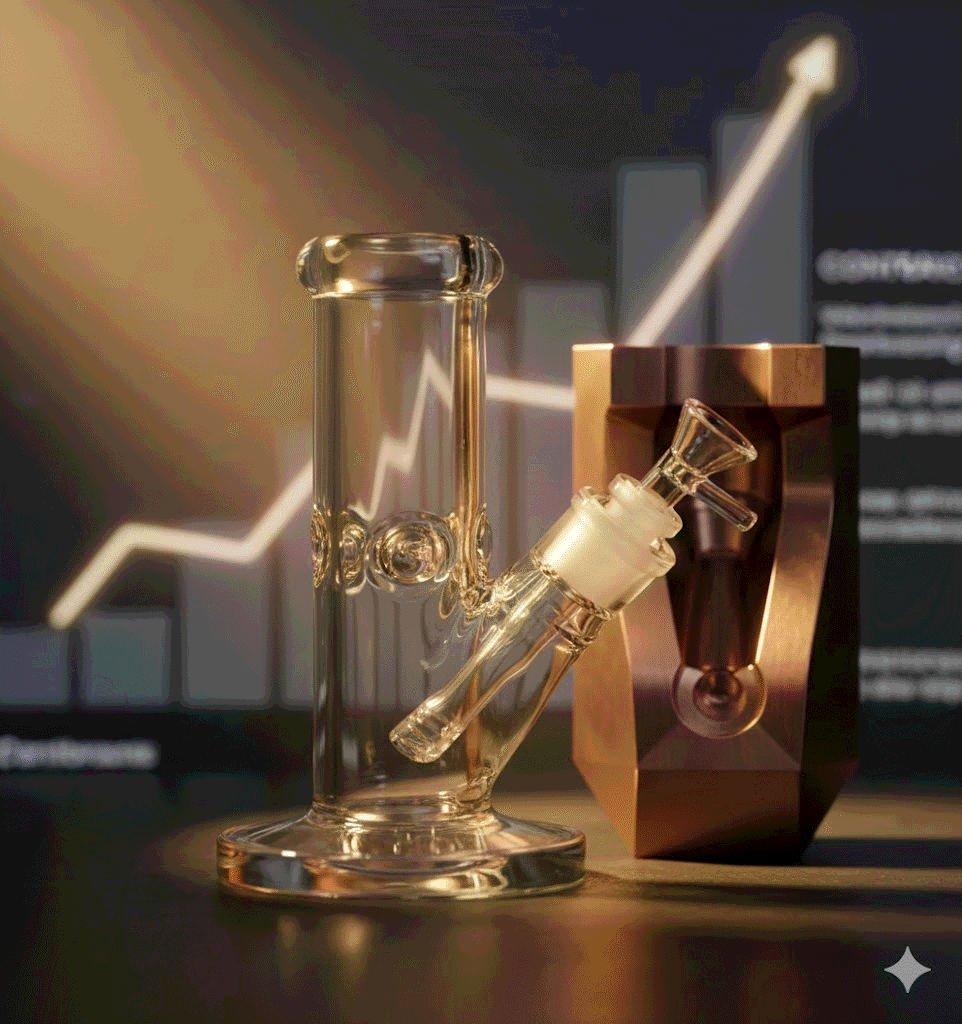
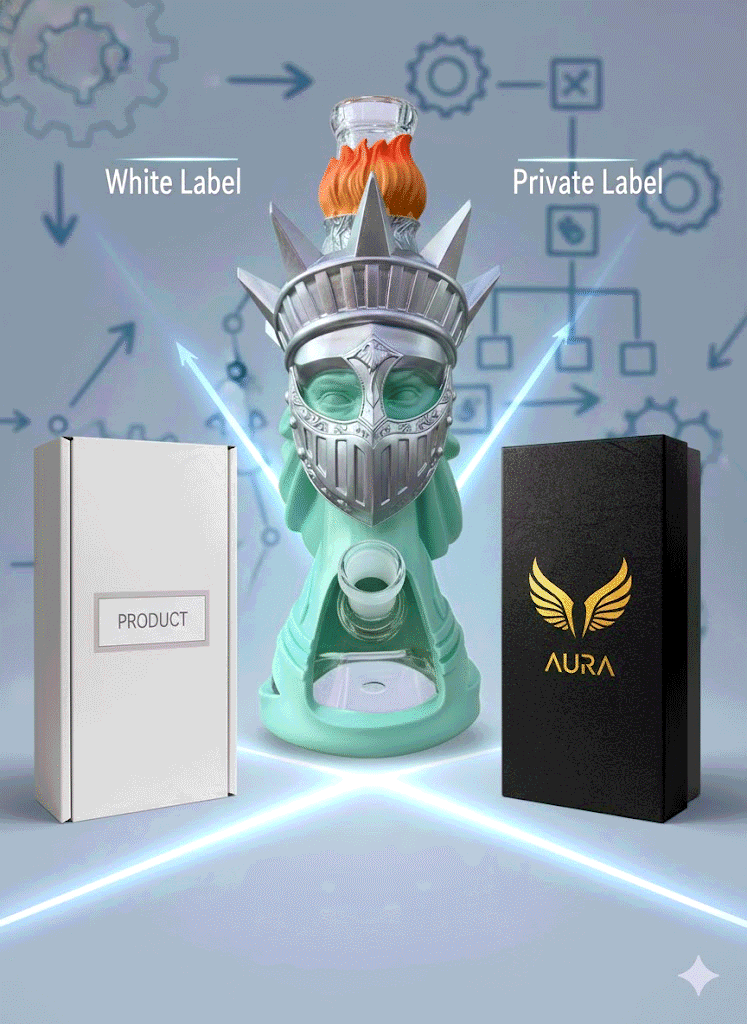
OEM and ODM distinctions are defined in OEM manufacturing terminology, where design ownership determines who holds the tooling and IP.
Ready to Source Custom Glass Pipes?
Get a free quote within 24 hours. MOQ from 100 pieces. NDA-protected design consultation.
