
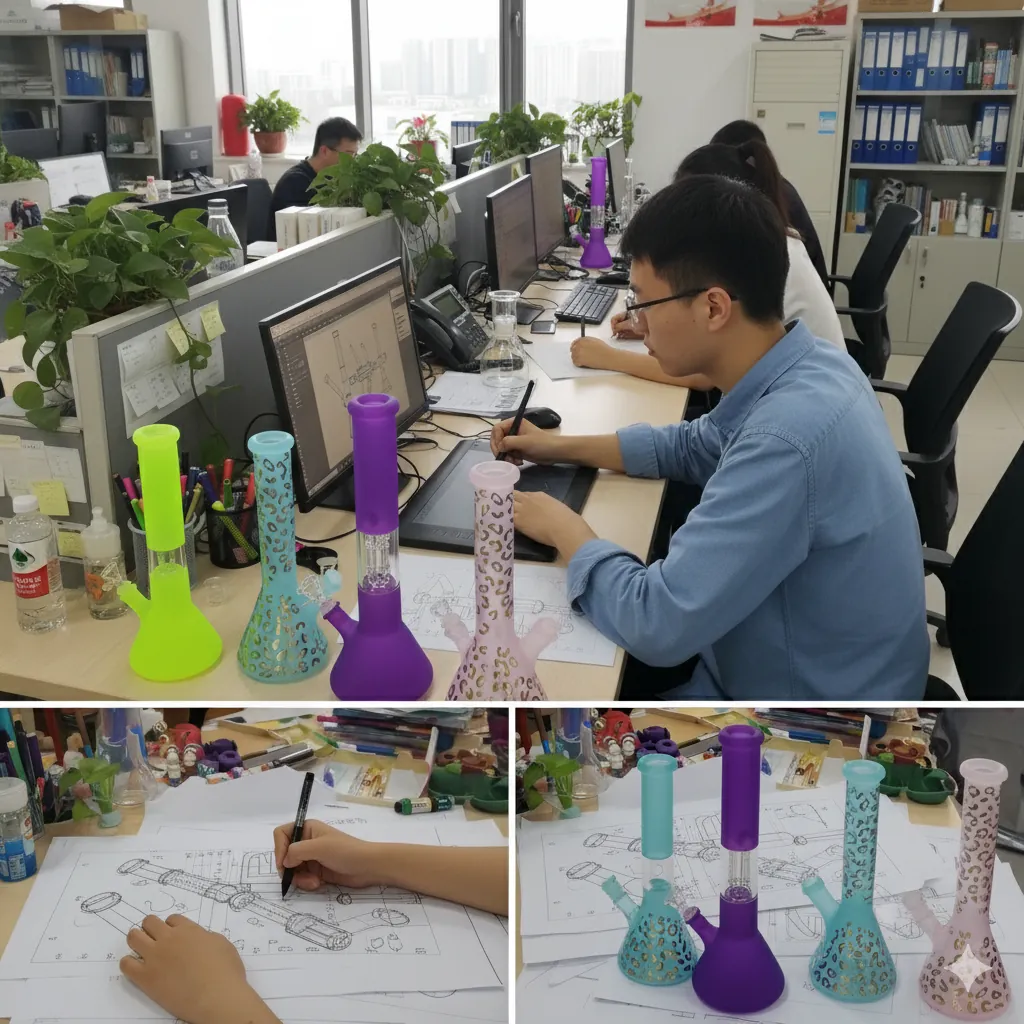
Round three sits on your desk. The sample fee revision process is burning through budget, and the joint still wobbles. Your launch date slipped twice. The gap between the sample in your hands and the one you can approve comes down to how the next rounds get run. For the full timeline from first sketch to finished sample in hand, see our rapid sample turnaround guide.
Elfglass has run OEM sampling from a 1,000-square-meter Shenzhen factory since 2010. Sixteen years of torch work taught the team a simple split: revision rounds are normal, endless ones are not. The difference usually lives in the paperwork and the feedback, not the glass. This guide walks through what each round actually changes on the bench, what makes rounds multiply, and how to budget time and money before the first tube gets pulled.
Key Takeaways
- Elfglass completes each sample round in 1-3 days, keeping the factory side of every revision cycle short.
- Bulk production takes 7-12 days for orders of 100+ pieces once the sample is approved.
- MOQ starts at 100 pieces per design, and the NDA is signed before the OEM project starts.
- Quotes come back within 12 hours, because communication lag stretches sampling just as much as slow torch work.
- Minor tweaks tend to converge fast, while structural redesigns restart the round count from zero.
- Sample fees vary by factory — confirm your supplier’s sample policy in writing before round one ships.
What Each Revision Round Actually Changes
A revision round is not a restart. The glassblower takes the same design and adjusts specific steps in the process, so knowing which steps moved tells you exactly what to inspect when the next box arrives. Here is what changes between rounds on the factory floor.
Torch work comes first. Shape, angles, and stem length get corrected by reheating the piece at the bench and pulling it back into line with your drawing. Joint fit comes next: ground joints are reground and fire-polished until they seat without rocking, because a wobbling 14mm joint is a return waiting to happen.
Color shifts get handled at the rod rack and the flame — a different color rod, a changed heat history for struck finishes, or a re-applied fumed layer. Wall thickness follows gather size and heat control, which is why a wall fix also moves the weight. Logo placement is the lightest change of all: the etching, sandblasting, or printing mask simply moves to the correct position.
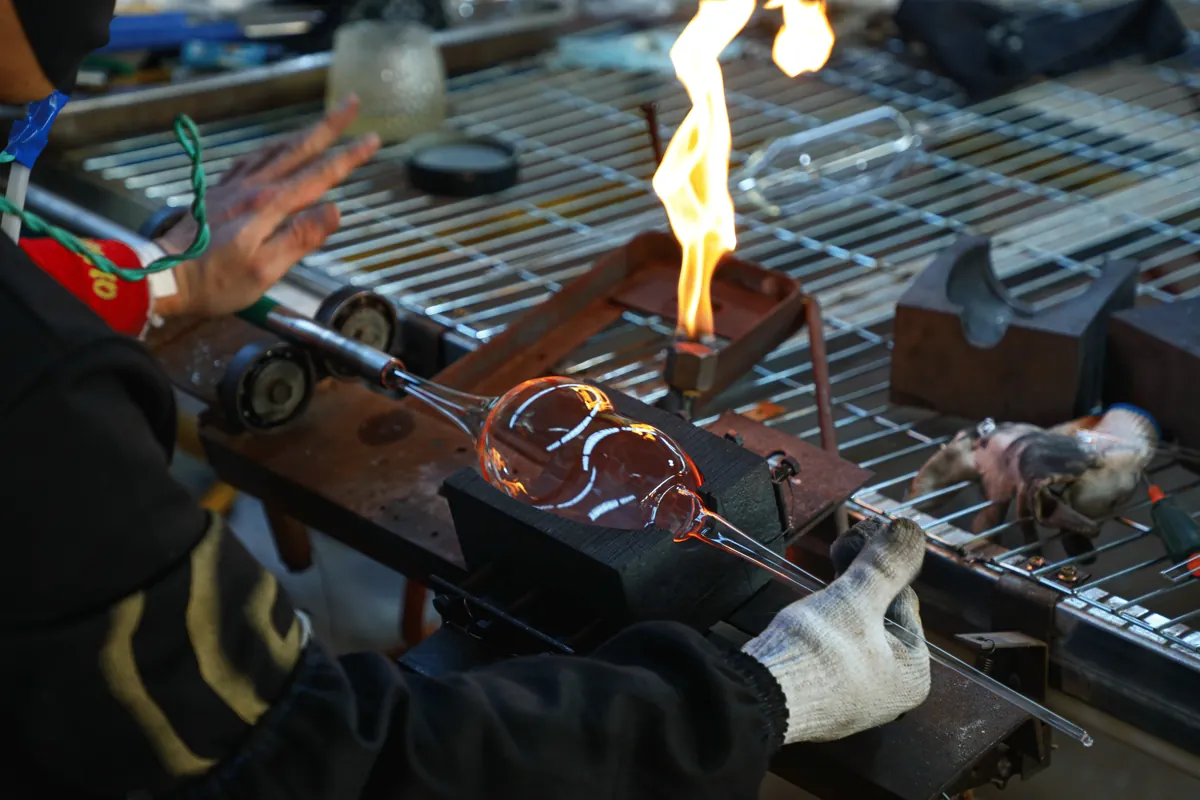
One insider rule of thumb earns its keep here. A round that only moves the logo is a short round; a round that moves the silhouette is effectively a new sample, and it deserves a new timeline. Treat the two very differently when you plan your schedule.
| Adjustment | Where It Happens on the Floor | What to Check on the Next Sample |
|---|---|---|
| Shape and angles | Torch work — the piece is reheated and corrected at the bench | Hold it against the drawing and sight down the tube axis |
| Joint fit | Grinding and fire-polishing of the ground joint | Seat the joint dry and look for rocking or daylight |
| Color | Rod selection and flame chemistry, including struck and fumed finishes | Compare under the same lighting where the product will sell |
| Wall thickness | Gather size and heat control during blowing | Weigh the piece and compare against your tech pack target |
| Logo placement | Mask repositioning for etching, sandblasting, or printing | Measure the logo’s distance from a fixed point such as the bowl rim |
Why Sample Rounds Multiply Unexpectedly
Rounds rarely multiply because a glassblower misses a target. They multiply because the target was never fixed in writing. Four causes account for most of the overrun seen in OEM sampling.
An Incomplete Tech Pack Starts the Bleeding
A tech pack is the written contract between your idea and the bench. It lists overall length, bowl position, joint size and gender, wall thickness target, weight target, color reference, logo placement, and function notes. Every field left blank becomes a guess on the factory floor, and every guess becomes a future revision. If you have never built one, start with this tech pack guide before you request sampling — an afternoon of writing there can erase weeks of rounds later.
Vague Feedback Burns Whole Rounds
“The feel is off” gives a glassblower nothing to adjust. Measured feedback — “the joint rocks on its seat, photos with a ruler attached” — gets acted on the same day. Elfglass founder Ava Zeng puts it bluntly: “What kills a great idea is never the technology, but the communication gap and a lack of empathy.” Vague words are that gap in action, and each one costs a physical round of glass.
Spec Changes Mid-Round Reset the Clock
Adjusting a stem angle is a revision. Turning a spoon into a sherlock mid-sampling is a new project wearing the old project’s name, because the torch work, wall distribution, and balance all change together. Freeze the silhouette before the first sample ships, and work out any lingering doubts with drawings or a reference object first. When a new shape needs dedicated tooling, the custom glass pipe molds guide explains what that step involves.
No Reference Sample to Compare Against
Without an approved physical reference, both sides argue from memory. If you have an existing product you want improved, ship one to the factory before sampling starts. If the design is brand new, the approved round-one sample becomes the reference. Label it, store it, and keep it within reach when later rounds arrive.
How Long Each Round Really Takes
Timing questions dominate every sampling conversation, so here is the honest arithmetic — grounded in what Elfglass commits to in writing, with the unknowns marked as unknowns.
The Factory Side of a Round
At Elfglass, each sample round takes 1-3 days inside the factory. Those days cover pulling fresh glass tubing, torch work, annealing, joint grinding, and QC photos taken against your spec. Annealing deserves one straight note: glass must cool on its own schedule, and no factory that respects quality rushes it. Be skeptical of anyone promising same-day samples on a complex piece — that is speed a bench cannot actually deliver.
What Happens After the Sample Ships
Courier transit from Shenzhen to the US, UK, Australia, or Canada adds days on top of those 1-3 factory days. Carriers and routes differ, so ask your courier for a written transit estimate instead of accepting a verbal promise. Your own evaluation takes calendar time too — block it before the sample lands rather than squeezing it between other work.
After approval, the clock changes character: Elfglass runs bulk orders of 100+ pieces in 7-12 days. That gives you the full planning formula for sample revision cycles: rounds multiplied by factory days, plus transit, plus your evaluation, then 7-12 days of production. Quotes come back within 12 hours at Elfglass, so the paperwork never has to be the slow part.
Budgeting Time and Money for Rounds
Budget the revision phase as a phase, not an event. The time side is arithmetic: expected rounds, multiplied by factory days (1-3 at Elfglass), plus courier transit, plus your evaluation window. Buyers who schedule sampling backwards from a launch date — not forwards from the first inquiry — are the ones who keep the date.
Money deserves the same honesty. Sample policies differ from factory to factory. Some include a set number of rounds in the quote, some charge per sample, and some credit sample fees against the bulk order later. No industry-wide rule governs this, so confirm your supplier’s sample policy in writing before starting. Four questions cover it: how many rounds are included, what an extra round costs, who pays courier fees, and whether sample costs credit against bulk. A policy you cannot quote back to the supplier does not exist.
One more number belongs in the budget: the production deposit. Elfglass works on T/T terms — 30% deposit, 70% balance before shipment — and the deposit should follow sample approval, never precede it. Pick prevention every time, because the expensive round is never the third one. It is the round caused by a blank tech pack field or a voice-note instruction. Prevention costs an afternoon; the cure costs weeks.
Start Sampling With a Factory That Respects Your Timeline
Elfglass completes each sample round in 1-3 days, answers quote requests within 12 hours, and starts production from 100 pieces per design. BSCI, WRAP, and ISO 9001 certification back every sample, with an NDA signed before your project begins.
Inspect Real Production Glass Before You Commit
We ship COE 3.3 borosilicate samples in 1 to 3 days and back every order with a documented QC process and inspection report. Request a sample kit and judge the wall thickness, color, and finish yourself.
MOQ from 100 pieces | BSCI / WRAP / ISO 9001 | NDA before every project
Writing Revision Feedback That Converges Fast
Feedback quality decides round count more than any other single variable. Before writing anything, walk the piece the way you would evaluate a glass pipe sample on arrival — joints, walls, color under real light, weight, and function. Then translate every complaint into the format below.
The Format That Gets Fixed in One Pass
Number every issue so nothing drops out between emails. For each item, state the defect and back it with a measurement. Quote the tech pack value instead, mark the priority as must-fix or acceptable-with-note, and attach a photo with a ruler or caliper in the frame. A finished item sounds like this: “Item 2 — bowl wall measures 2.1mm against the 3mm target; caliper photo attached; must-fix.” That one sentence gives the glassblower everything needed to act the same day, and it leaves no room for interpretation.
One Consolidated Reply Beats Five Messages
Collect feedback from every stakeholder into a single document, then send one reply per round. Trickle feedback — an email Monday, a voice note Wednesday, a chat message Friday — produces partial fixes, because the bench works from the last message it saw. One consolidated list also creates a paper trail both sides can audit when a later round arrives and someone claims an issue was never raised.
Protect Your Design During Sampling
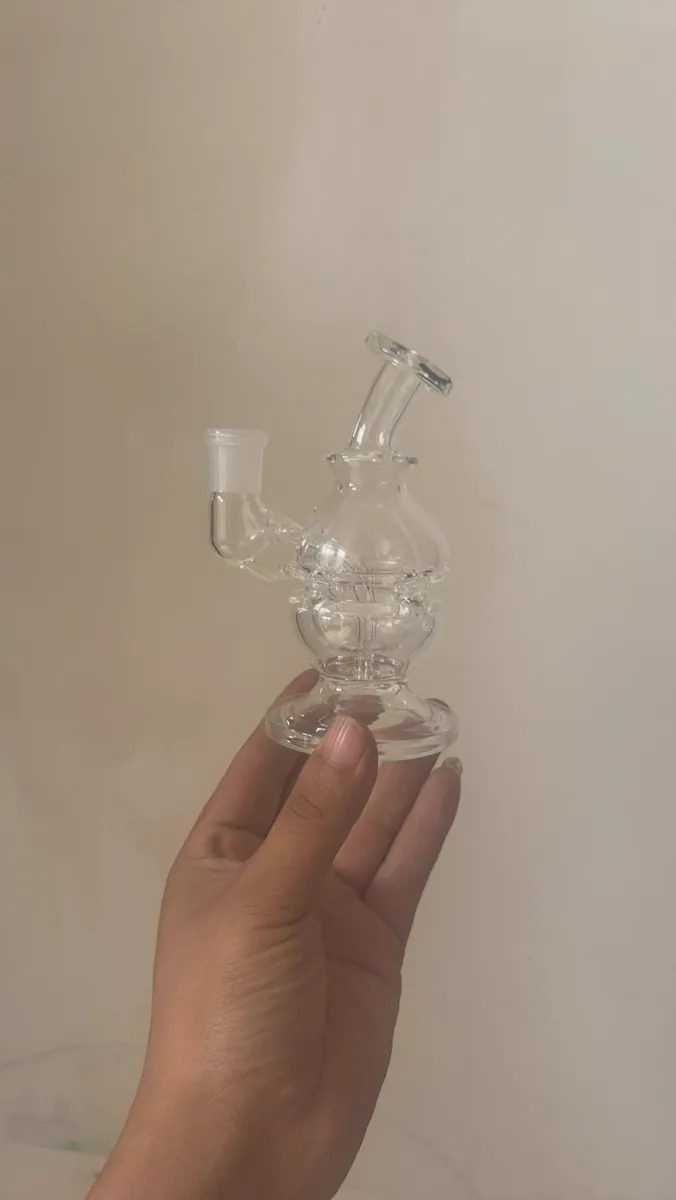
Sampling means your design lives inside someone else’s factory for a few weeks. That is normal, and it is also exactly when unguarded designs leak. Elfglass signs an NDA before the project starts — the first step of an OEM sequence that runs NDA, then design, then sampling, then production. Hold any candidate supplier to the same order; a factory that resists signing before it sees your files is telling you something.
Territory matters in the same breath. Design rights are jurisdiction-based, so protection registered in one country does not automatically cover another — worth knowing before your SKU ships into four markets. The World Intellectual Property Organization maintains an official overview of how design protection works across jurisdictions. If your piece carries a distinctive shape, pair the NDA with a look at registered design rights: the contract protects the conversation, registration protects the form. For the full buyer-side playbook, this guide to protecting a product design when sourcing overseas covers both layers.
One more lever sits on the factory side. Elfglass keeps custom molds exclusive to the client who ordered them, so your tooling never produces someone else’s catalog. Ask every candidate whether molds are shared — the answer belongs in your supplier scorecard before sampling, not after.
When to Approve and Lock Specs
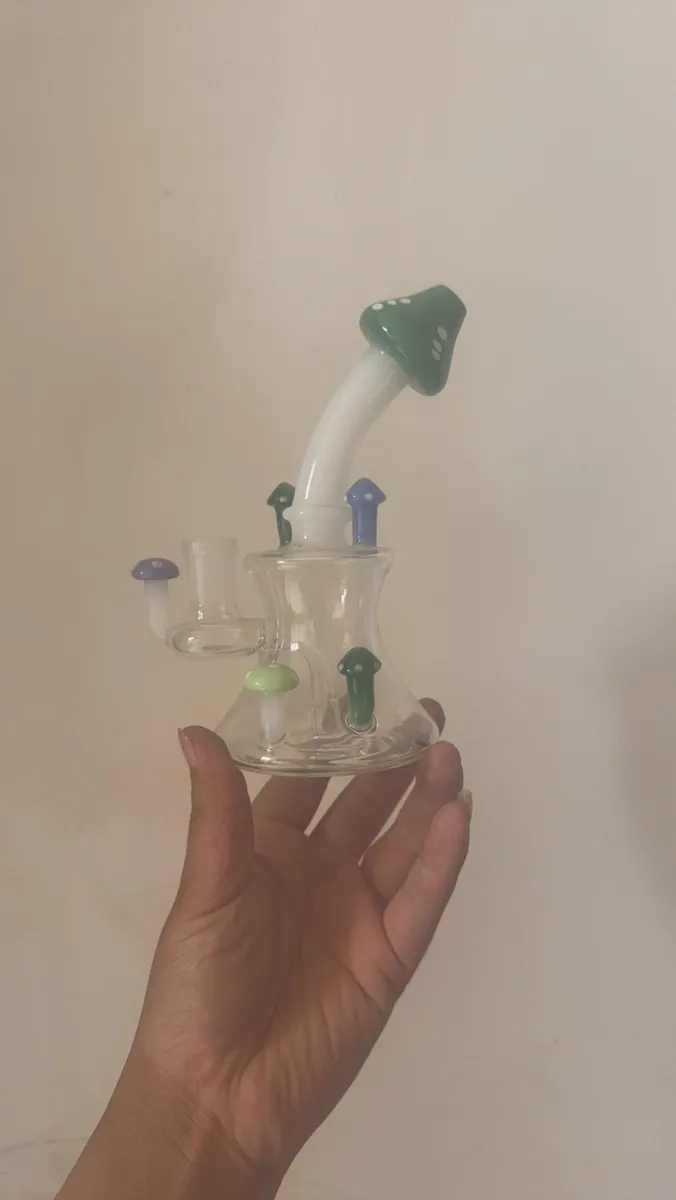
Every sample revision process ends at the same fork: approve the piece or spin another round. The fork gets easy once the tolerances are written down.
Acceptable Variation in Hand-Blown Glass
Every hand-blown piece is slightly different — weight, wall flow, and color depth drift within a band, and that band is not a defect. Define the band in your tech pack before round one: state tolerances for dimensions and weight, and describe the acceptable color range under your retail lighting. Approval then becomes a comparison against paper, not a feeling in the moment. Chasing zero variation in hand-blown glass is how good budgets die — a tenth round will still show a slightly different swirl, and your customers bought hand-made rather than machine-identical.
Locking the Spec Before Bulk
When a sample passes every written tolerance, lock it. Photograph it, weigh it, record the joint fit, and send the supplier a written approval that references those records. That sample becomes the standard the bulk order gets checked against — the same habit that anchors the pre-reorder checks a buyer should run before repeating any order.
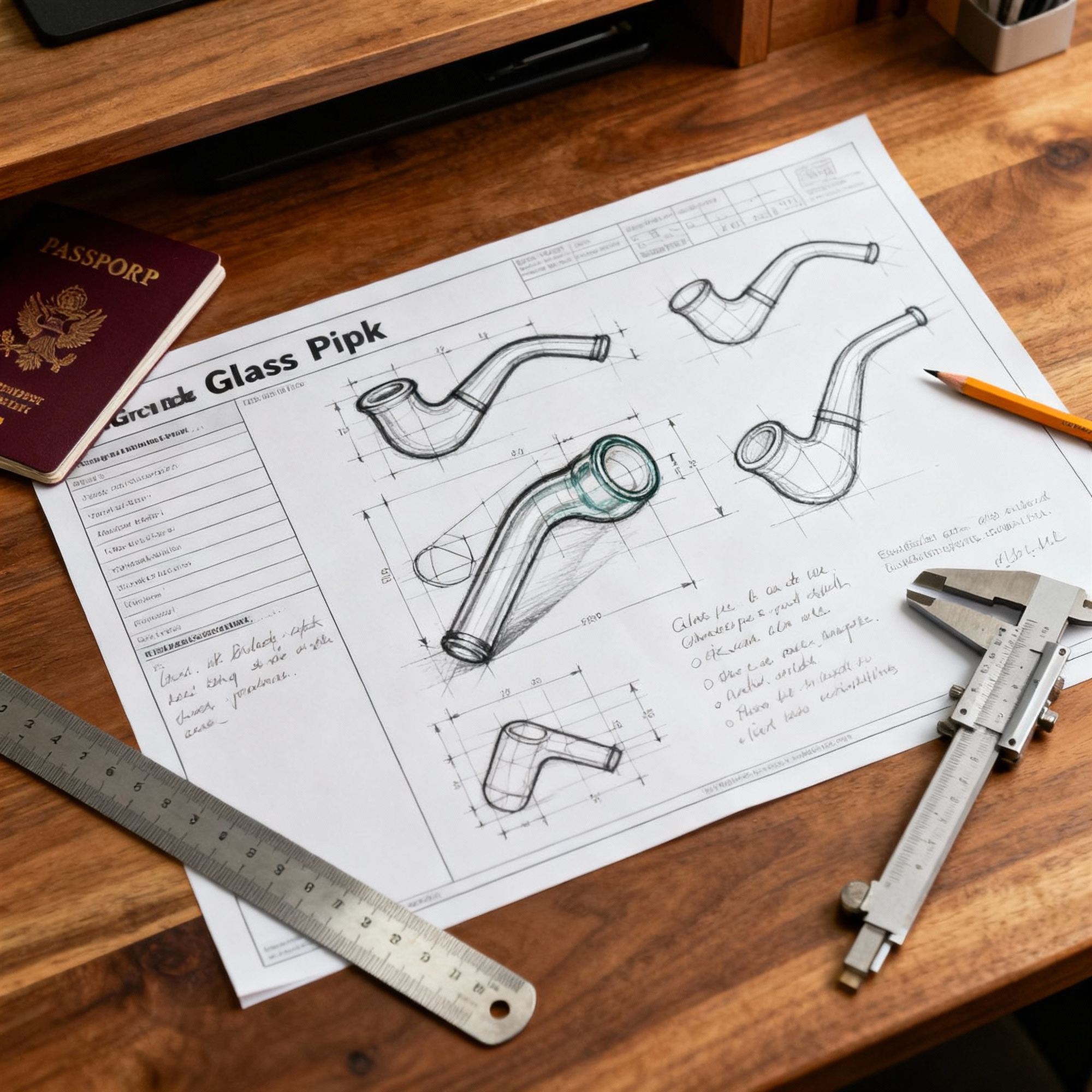
Timing follows naturally. Elfglass runs bulk orders of 100+ pieces in 7-12 days after approval, and the 30% deposit should move only once the lock is in writing. The logic holds for every first SKU, from a run of wholesale dab rigs to a batch of branded hand pipes. Approve inside tolerance, lock the spec, then let production run.
Frequently Asked Questions
How many sample rounds does an OEM glass order usually need?
There is no fixed number. Minor tweaks such as logo placement or color matching tend to converge fast, while structural redesigns restart the round count. Complete specs and measured feedback decide the total more than anything else.
How long does one sample revision round take?
Elfglass produces each sample round in 1-3 days inside the factory. Courier transit from Shenzhen adds days on top, so request a written estimate from your carrier. After approval, bulk orders of 100+ pieces take 7-12 days.
Do suppliers charge for extra revision rounds?
Policies vary by factory, so confirm your supplier’s sample policy in writing before starting. Ask how many rounds are included in the quote, what an extra round costs, who pays courier fees, and whether sample costs credit against bulk.
What makes revision feedback converge in fewer rounds?
Send one consolidated reply per round: a numbered defect list, exact measurements, photos with a ruler or caliper visible, and a priority flag on each item. Glassblowers fix what they can measure, so vague impressions waste rounds.
When should I approve a hand-blown glass sample?
Approve when the sample meets every tolerance written in your tech pack. Small variations in weight and color depth are normal in hand-blown glass. Chasing zero variation burns rounds and budget without changing what customers receive.
Final Planning Notes Before Sampling Starts
Rounds are part of OEM glass, and they only get expensive when they run unmanaged. The sample revision process rewards buyers who arrive with a complete tech pack, measured feedback, and a written sample policy. Freeze the design, hold the tolerance, and sampling becomes the most predictable phase of your launch. Need a written sample policy before round one? Contact Elfglass and our team will send you ours.
- Freeze the silhouette and complete the tech pack before the first sample ships.
- Budget each round as 1-3 factory days at Elfglass, plus courier transit, plus your own evaluation time.
- Confirm the sample fee policy in writing before round one, and let the 30% deposit follow approval.
- Approve inside written tolerance, lock the spec, and bulk production runs 7-12 days for orders of 100+.
Before the deposit moves, run the approved sample through the same checks the bulk order will face. The standard you set during sampling is the standard you receive at scale.
Get a Quote for Your Next Order
Planning a custom run? your sample revisions, tracked to the millimeter? Send your design files and target quantity to our factory team or message us on WhatsApp — we will reply with a feasibility check, pricing, and production timeline within 24 hours.
To see how revision rounds fit into the bigger production picture, explore our complete custom process from first sketch to bulk delivery.
About the Author
Ava Zeng is the founder of Elfglass, a Shenzhen-based borosilicate glass pipe manufacturer serving B2B brands worldwide. Every guide on this site is grounded in her production-floor experience— the annealing lines, QC checkpoints, and export orders behind each claim.
Before you commit to a supplier, read her founder’s story and trust promise. Then see the guide to vetting a reliable glass pipe manufacturer — the same red-flag checklist Elfglass applies to its own suppliers.
Ready to Source Custom Glass Pipes?
Get a free quote within 24 hours. MOQ from 100 pieces. NDA-protected design consultation.
