
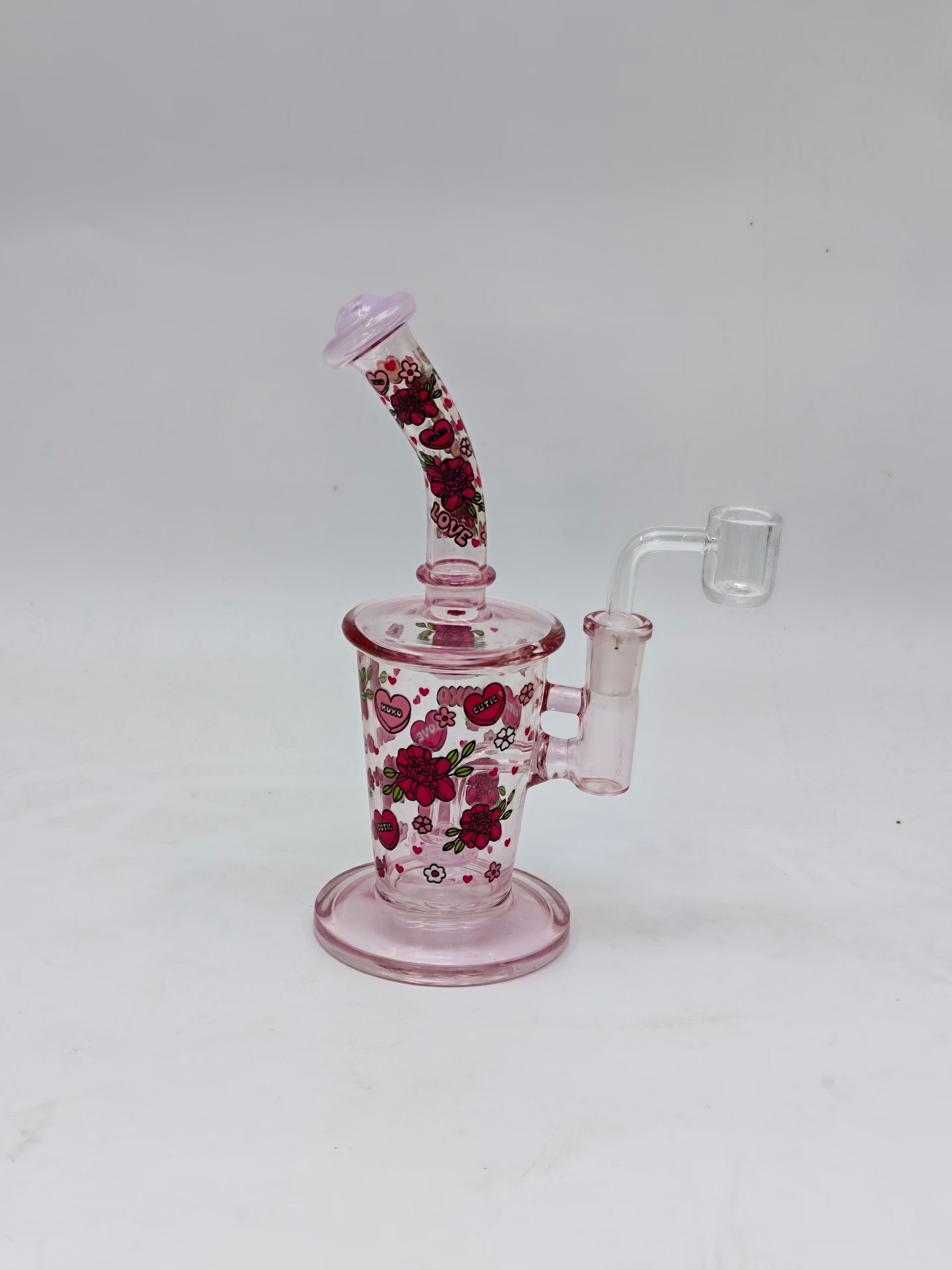
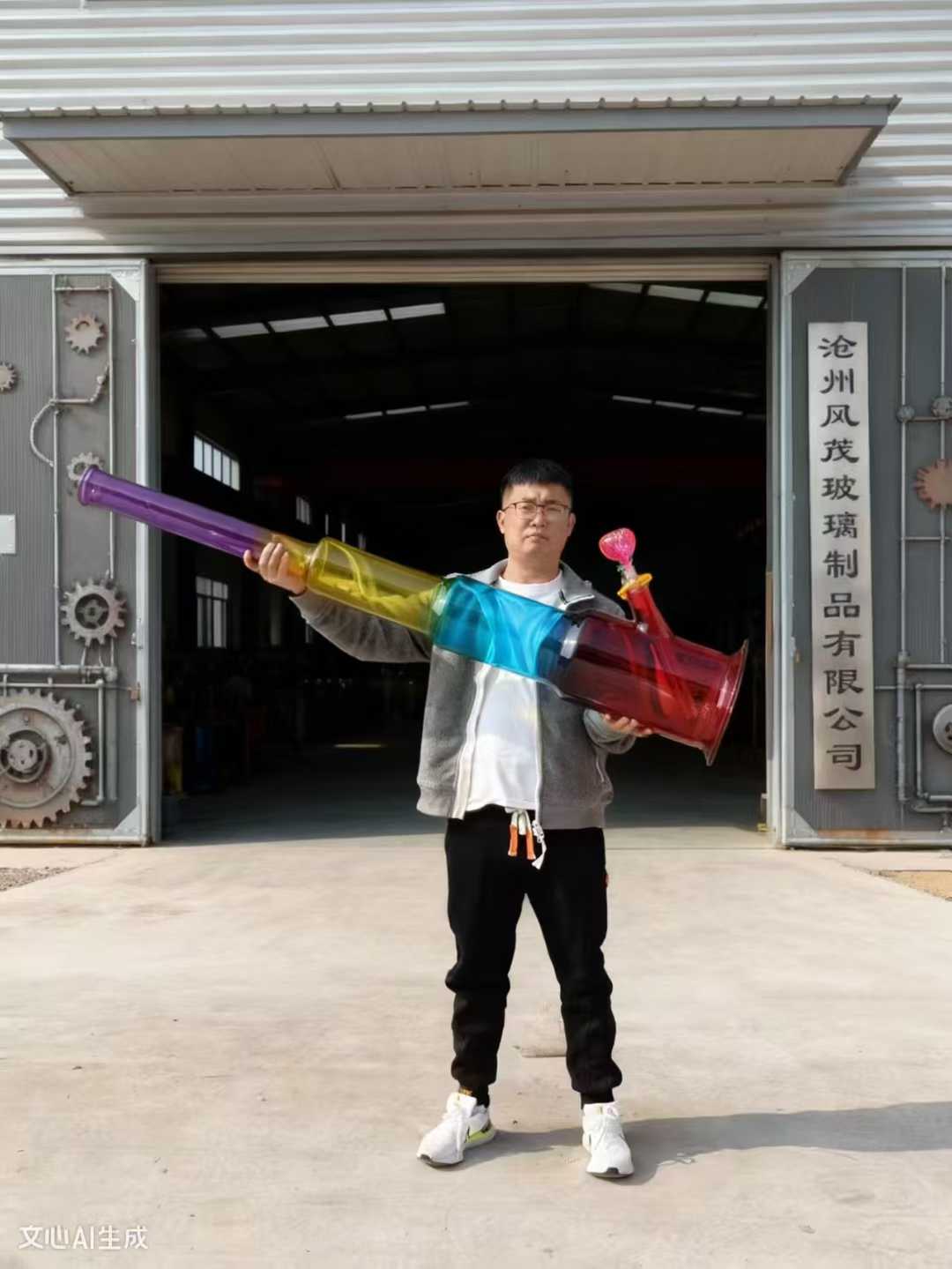
Every wholesale buyer eventually faces the same fork in the road: do you invest in exclusive glass designs that belong only to your brand, or do you fill your shelves from an open catalog that any competitor can copy? The answer shapes your pricing power, your customer loyalty, and the long-term value of every dollar you spend on inventory. At Elfglass, we have watched both strategies play out across hundreds of orders since 2010, and the truth is more nuanced than either extreme. Exclusive lines typically rest on protected industrial design rights that keep a style out of open catalogs for a defined window.
This guide breaks down what exclusive designs and open-catalog sourcing actually look like in practice, where each approach makes financial sense, and how a hybrid model can give you the best of both worlds without blowing past your budget.
What Counts as an “Exclusive Design” in Glass Manufacturing?
An exclusive design means the mold, the shape, the pattern, or the decorative technique belongs solely to the buyer who commissioned it. No other brand receives the same piece. At our factory, custom molds are exclusive to the client who paid for them, and we sign an NDA before every project begins. That legal layer matters just as much as the physical one.
Exclusive designs can take several forms:
- Custom molds — a completely new shape built from your sketch, reference image, or CAD file
- Proprietary decoration — color wraps, fuming patterns, or printed logos applied only to your order
- Modified catalog pieces — an existing form adapted with your requested dimensions, joint angles, or percolator configurations
The common thread is scarcity. When a design exists only in your warehouse, your retail customers cannot find it cheaper somewhere else. That scarcity is what builds brand recognition and protects your margins.
The Open Catalog Model: How It Works and Where It Wins
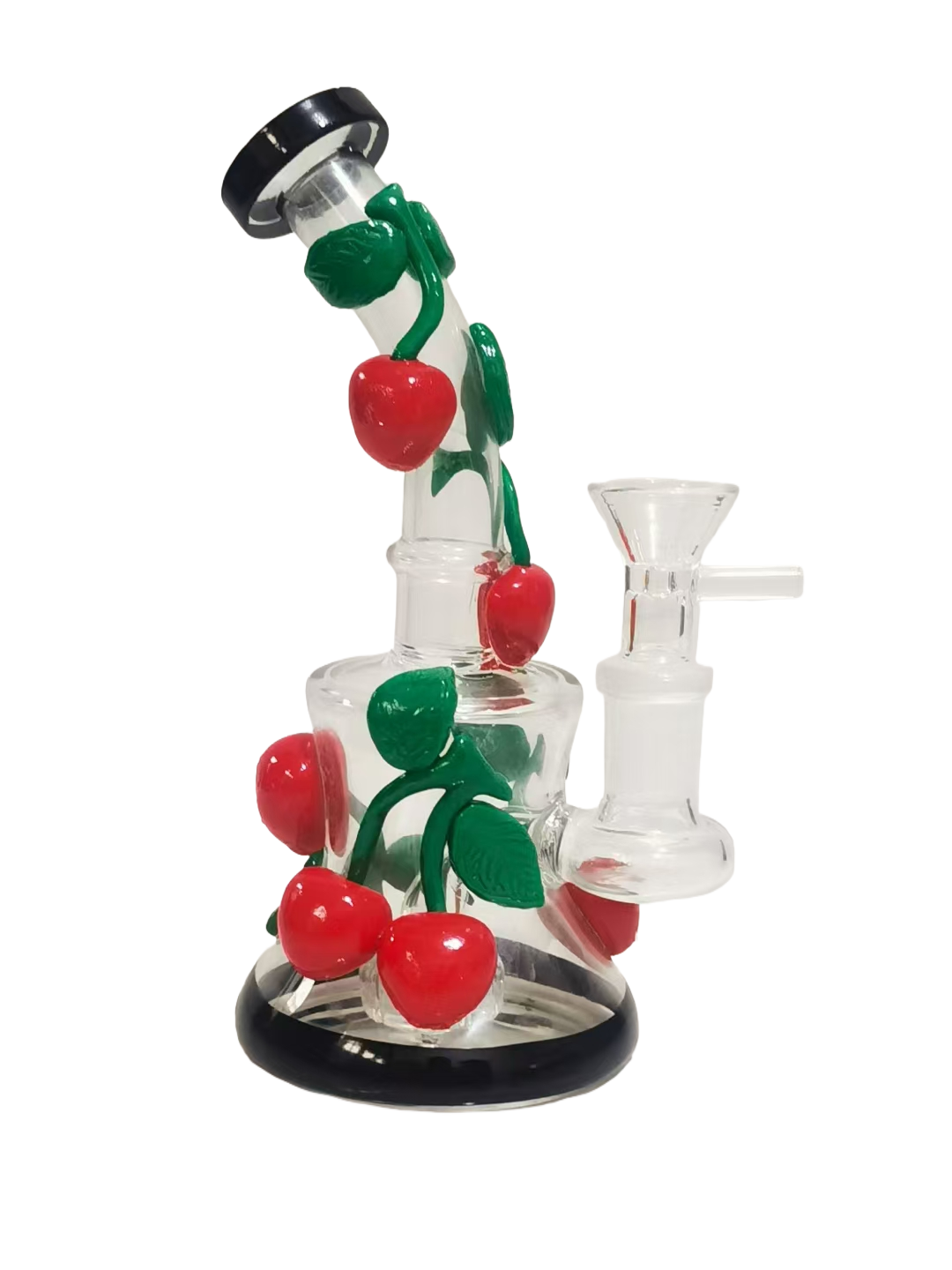
An open catalog means the manufacturer offers the same designs to every buyer. You browse a product line, pick what you like, and place your order. There is no mold fee, no design consultation, and no exclusivity. The advantage is speed and low upfront cost.
When Open Catalog Makes Sense
Open catalog sourcing is the right move when you are testing a new market, launching a store for the first time, or need to fill inventory quickly without committing development budget. If your business model depends on variety rather than differentiation, a catalog approach lets you stock water pipes, hand pipes, dab rigs, and accessories in a single order cycle.
Bulk production from existing molds typically runs 7-12 days for orders of 100 pieces or more. Sampling takes just 1-3 days. For buyers who need product on shelves within weeks rather than months, the catalog route removes the design-and-approve bottleneck entirely.
The Hidden Cost of Open Catalog
The problem with open catalog is that your competitors order the exact same pieces. A popular design can show up in dozens of stores across the USA, UK, Australia, and Canada. When that happens, the only lever left is price, and price wars erode margins for everyone involved.
Open catalog also makes it harder to build a recognizable brand identity. If your water pipes look identical to the shop down the street, customers have no reason to choose you over the next listing on their screen.
Exclusive Designs: The Investment Case
Commissioning exclusive glass designs requires more upfront time and money. You need to communicate your vision, review samples, approve dimensions, and pay for a custom mold. That process takes longer than clicking through a catalog.
What you get in return is a product that no competitor can legally copy. Our factory produces up to 10,000 pieces per month across all active projects, and every custom mold stays on our floor dedicated to the client who commissioned it. We do not sell your design to the next buyer who walks in. Catalog exclusivity rests on intellectual property protections that prevent open-market replication of proprietary designs.
Brand Differentiation That Lasts
Exclusive designs create a moat around your brand. When customers associate a particular shape, percolator style, or decorative pattern with your logo, they come back to you for replacements, additions, and gifts. That repeat-purchase behavior is what separates a brand from a reseller.
We have seen buyers start with a single exclusive hand pipe design, watch it become their best seller, and then expand into a full product line of exclusive water pipes and dab rigs built around the same visual language. The initial mold investment pays for itself within a few reorder cycles.
Protection When Sourcing Overseas
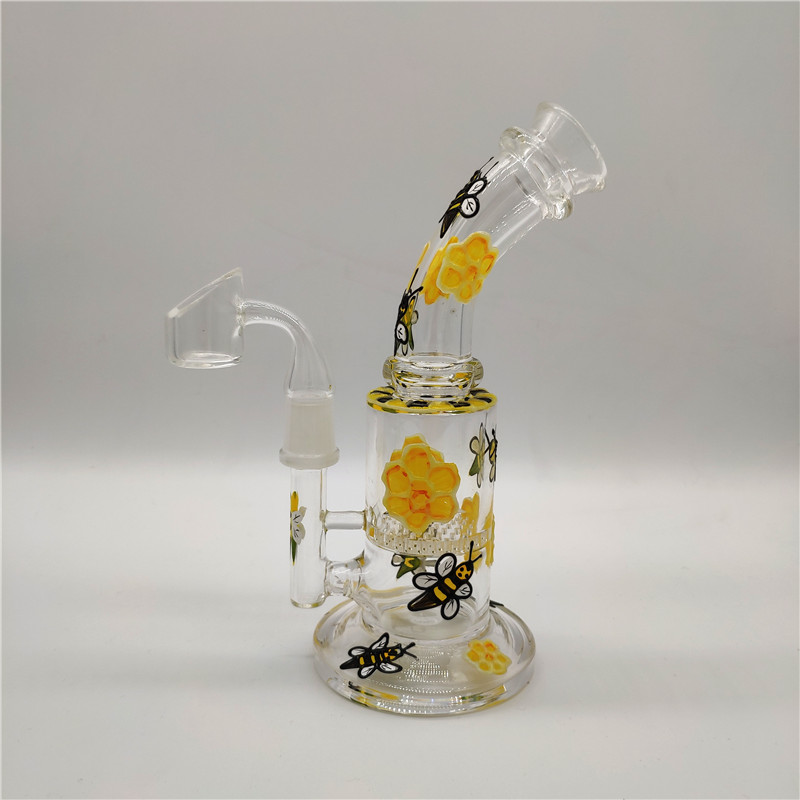
Intellectual property protection is a legitimate concern when sourcing from overseas. The difference between a factory that respects your design and one that does not comes down to process. We sign an NDA before every project starts. Your designs, sketches, and mold specifications stay confidential. Our certifications — BSCI, WRAP, and ISO 9001 — reflect a management system built on documented procedures and accountability, not just production speed.
If you are importing glass pipes into the USA, understanding customs compliance and regulatory requirements is part of the picture. We recommend reading our guide to importing glass pipes and PACT Act customs requirements alongside any design decisions, because your exclusive piece still needs to clear regulatory checkpoints at the border.
Turn Your Concept Into Production-Ready Glass
Elfglass takes you from design brief and CAD/STEP files to prototyping, branding, and mold exclusivity, with your IP protected by NDA. Send us your concept and we will return a manufacturable plan and quote.
MOQ from 100 pieces | BSCI / WRAP / ISO 9001 | NDA before every project
Side-by-Side Comparison: Exclusive vs Open Catalog
| Factor | Exclusive Designs | Open Catalog |
|---|---|---|
| Upfront cost | Higher (custom mold + sampling) | Lower (no mold fee) |
| Time to first order | Longer (design, sample, approve) | Shorter (pick and order) |
| Competitor access | None — design is yours only | Any buyer can order the same piece |
| Brand recognition | Strong — unique visual identity | Weak — looks like everyone else |
| Margin protection | Higher — no direct price comparison | Lower — vulnerable to price matching |
| Minimum commitment | 100 pieces per design | 100 pieces per design |
| Best for | Established brands, repeat buyers | New stores, market testing, fast restocks |
The Hybrid Approach: Start Catalog, Graduate to Exclusive
The most successful buyers we work with rarely choose one path permanently. They start with catalog pieces to validate demand, identify which shapes and styles resonate with their customers, and then invest in exclusive versions of the winners.
This approach works well because the wholesale hand pipes market rewards variety. A new brand might stock twenty different catalog designs to see which five sell fastest. Once the data is in, those five become candidates for exclusive molds with upgraded materials, proprietary percolators, or signature colorways that no other store carries.
Managing the Transition
Moving from catalog to exclusive does not mean abandoning what worked. It means taking a proven seller and making it yours. The sampling process takes 1-3 days, so you can iterate quickly. Quote responses come back within 12 hours, which keeps the design loop moving without weeks of silence between rounds.
Payment terms follow the same structure regardless of whether you are ordering catalog or custom: T/T with 30% deposit and 70% before shipment. That consistency simplifies cash flow planning as you shift between the two sourcing modes.
For buyers concerned about timing, especially those importing into markets with strict regulatory environments, planning around peak shipping seasons is critical. Our Q4 shipping and peak season logistics guide covers how to align your exclusive design timeline with realistic delivery windows.
How to Decide Which Strategy Fits Your Business
The right choice depends on where you are in your business lifecycle and what your customers value most.
Choose Exclusive Designs When:
- You have an established customer base that recognizes your brand
- You want to prevent competitors from selling identical products
- You are willing to invest in mold development for long-term margin protection
- Your retail price point supports the additional per-unit cost amortization
Choose Open Catalog When:
- You are launching a new store or entering a new market
- Speed to shelf matters more than uniqueness
- Your competitive advantage is curation and service, not product exclusivity
- You want to test demand before committing to custom tooling
Choose the Hybrid When:
- You have some proven sellers and want to protect them
- You need variety for new categories but exclusivity for core products
- Your budget allows gradual investment in custom molds over multiple order cycles
Our MOQ of 100 pieces per design keeps the barrier to entry reasonable for both approaches. Whether you are ordering a single catalog item or commissioning your first exclusive glass design, the production floor treats every order with the same QC standards backed by our ISO 9001 certification.
Why Communication Matters More Than the Design Itself
Ava Zeng, our founder, puts it this way: “What kills a great idea is never the technology, but the communication gap and a lack of empathy.” That principle applies directly to the exclusive-vs-catalog decision. The best design in the world fails if the factory does not understand your market, your customers, and your brand positioning. The most basic catalog piece succeeds when the supplier communicates clearly on timelines, quality expectations, and compliance requirements.
That is why we respond to every quote inquiry within 12 hours and sign an NDA before any design work begins. Clear communication is not a nice-to-have in B2B glass sourcing — it is the foundation that makes either strategy work.
For a detailed comparison, see our guide on glass pipe wholesale pricing factors.
Frequently Asked Questions
What is the minimum order quantity for exclusive glass designs?
The MOQ is 100 pieces per design, whether you are ordering from the open catalog or commissioning a custom mold. This applies across all product lines including water pipes, hand pipes, dab rigs, and accessories.
How long does it take to develop an exclusive design from concept to bulk order?
Sampling takes 1-3 days after design approval. Once you approve the sample, bulk production runs 7-12 days for orders of 100 pieces or more. The total timeline depends on how many sampling rounds you need before final approval.
Will my custom mold be used for other clients?
No. Custom molds are exclusive to the client who commissioned them. We also sign an NDA before every project to protect your design intellectual property throughout the development and production process.
Can I modify an existing catalog design instead of starting from scratch?
Yes. Many buyers start by modifying an existing piece — changing dimensions, joint angles, percolator types, or adding proprietary decoration. This approach reduces development time while still giving you a product that is distinct from the standard catalog offering.
What certifications does the factory hold for quality and compliance?
The factory holds BSCI, WRAP, and ISO 9001 certifications. These cover social compliance, responsible production practices, and quality management systems. Monthly production capacity is 10,000 pieces across a 1,000 square meter facility with 20 employees.
About the Author
Ava Zeng is the founder of Elfglass, a Shenzhen-based borosilicate glass pipe manufacturer serving B2B brands worldwide. Every guide on this site is grounded in her production-floor experience— the annealing lines, QC checkpoints, and export orders behind each claim.
Before you commit to a supplier, read her founder’s story and trust promise, and the guide to vetting a reliable glass pipe manufacturer— the same red-flag checklist Elfglass applies to its own suppliers.
Ready to Source Custom Glass Pipes?
Get a free quote within 24 hours. MOQ from 100 pieces. NDA-protected design consultation.
