

Why Annealing Matters More Than Blowing Technique
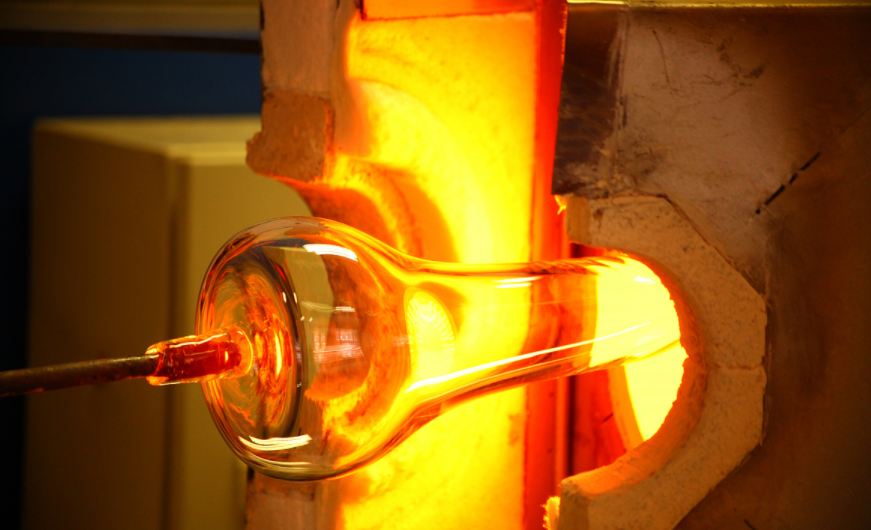
When wholesale buyers evaluate a glass pipe supplier, they tend to focus on visible qualities: percolator complexity, joint fit, wall consistency. But the single manufacturing step that determines whether a borosilicate glass pipe survives a drop test or ships intact is one most retailers never see—annealing. Skip it or rush it, and even a perfectly blown piece becomes a liability on the shelf.
For B2B buyers ordering 100 units or 1,000, understanding the annealing process is not academic. It is the difference between a return rate under 2 percent and a container of cracked inventory. This guide walks through what annealing actually does, why it matters at wholesale scale, and what questions to ask your manufacturer before placing an order.
The Science: What Annealing Does to Glass at the Molecular Level
Glass is an amorphous solid. When it is heated and shaped—whether by hand-blowing or machine pressing—internal stresses develop as different areas cool at different rates. The surface cools faster than the core. Thin walls contract sooner than thick joints. These uneven cooling rates lock microscopic tension into the structure.
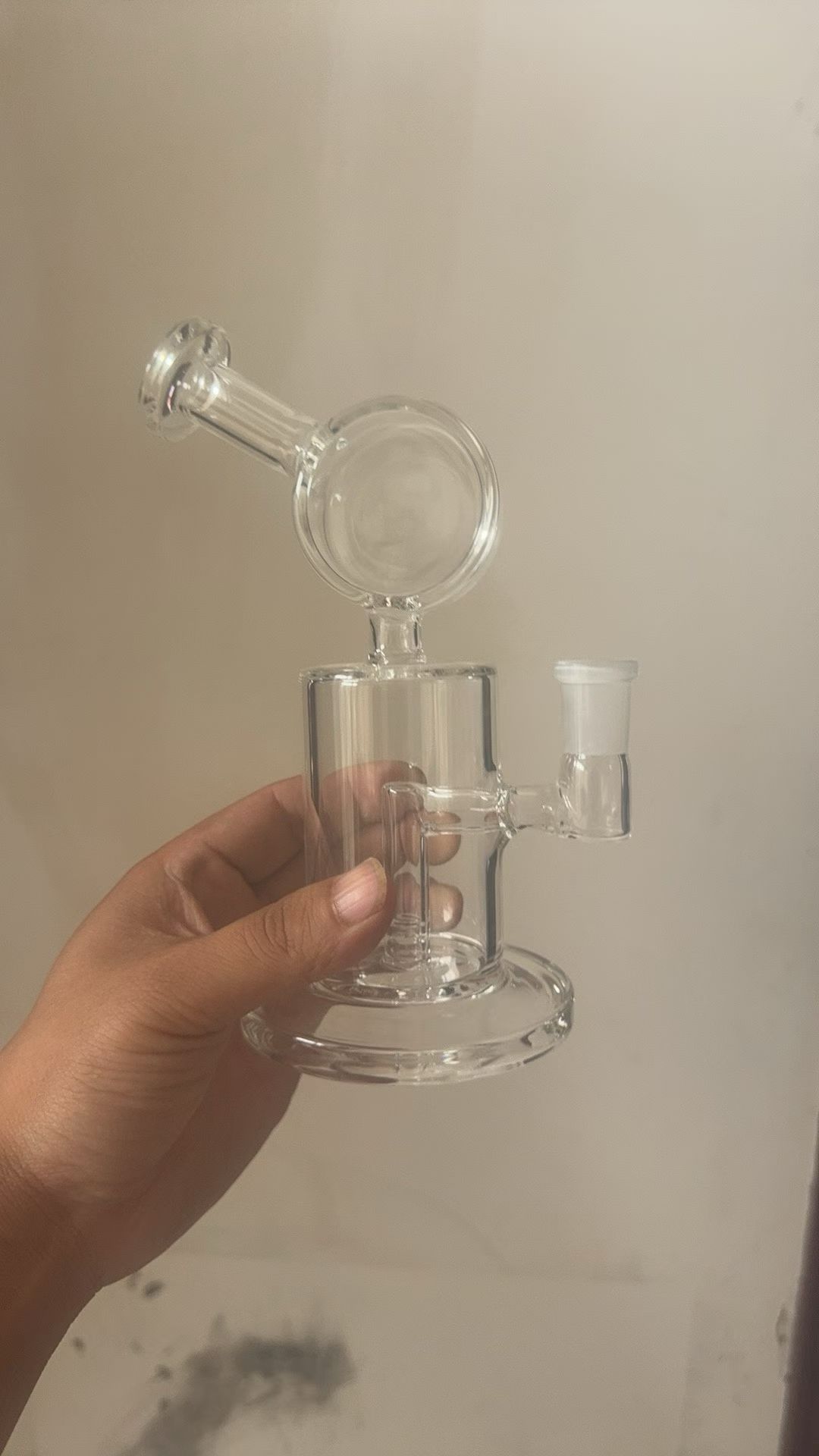
Annealing relieves that tension. The process is straightforward in concept: after forming, the glass piece enters a temperature-controlled kiln held at approximately 565°C (the annealing point for borosilicate glass, COE 3.3). At this temperature, the glass is soft enough for internal stresses to redistribute but not soft enough to deform. The kiln holds that temperature for a calculated soak time, then cools at a controlled rate—typically 1–2°C per minute through the critical range down to about 350°C, after which the piece can cool to room temperature safely.
The result is glass with uniform internal stress levels. It will not spontaneously crack. It can withstand normal thermal cycling from use. And it survives the vibration and compression forces of international shipping.
What Happens When Annealing Is Skipped or Rushed
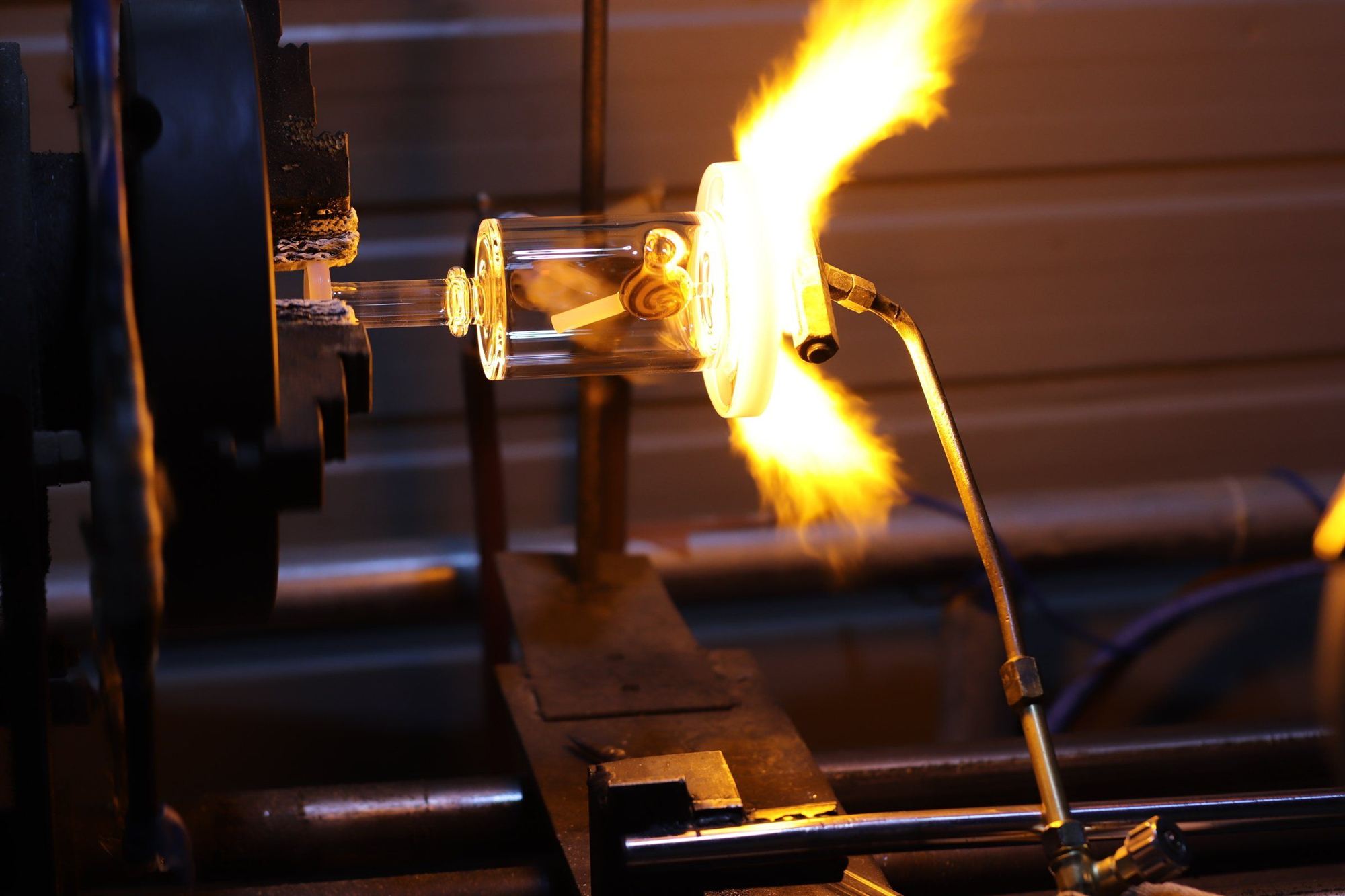
Some high-volume factories cut annealing time to increase throughput. The shortcuts take several forms:
- Reduced soak time. The kiln holds temperature for minutes instead of the required duration based on wall thickness. Stress relief is incomplete.
- Too-fast cooling. The kiln temperature drops faster than the safe rate. New thermal gradients create fresh stresses even as old ones are being relieved.
- Batch overcrowding. Pieces packed too densely in the kiln experience uneven heat distribution. Some pieces are properly annealed; others are not.
- No annealing at all. In the worst cases, shaped pieces are simply set aside to air-cool. This is common among the lowest-cost suppliers and produces glass that may look perfect but can fracture days or weeks after delivery.
The failure mode is insidious. Un-annealed glass does not always break immediately. It may survive factory QC, survive shipping, and sit on a retail shelf for weeks before a hairline crack propagates. By then, the buyer has already paid, the consumer has already purchased, and the reputational damage is done.
Want Glass Pipes That Survive Shipping and Daily Use?
Elfglass runs every piece through controlled annealing ovens matched to wall thickness and verifies it with thermal shock and residual-stress testing, so your order arrives intact and lasts. Send your durability spec and get a quote within 12 hours.
MOQ from 100 pieces | BSCI / WRAP / ISO 9001 | NDA before every project
Annealing and Wholesale Durability: The Data Buyers Should Request
A qualified glass pipe manufacturer will treat annealing as a documented process step, not an afterthought. Here is what B2B buyers should expect:
Soak time by wall thickness. Thicker pieces require longer holds. A 3mm wall hand pipe may need 30 minutes at annealing temperature; a 5mm wall beaker bong may need 90 minutes. Your supplier should be able to state their soak protocol.
Cooling rate documentation. The controlled cooling phase is where most shortcuts happen. Ask whether the kiln has programmable temperature controllers or whether operators manually adjust gas flow. Programmable controllers produce consistent results; manual adjustment depends on operator attention.
Post-annealing inspection. After cooling, each piece should pass through a polarized light inspection or at minimum a visual check under bright light for stress fractures. Pieces that fail inspection are culled before packaging.
At Elfglass, our ISO 9001 quality management system documents the annealing protocol for each product category. Every batch is traceable from raw glass tube through forming, annealing, inspection, and packaging. When you order wholesale water pipes or wholesale hand pipes, the annealing step is part of the controlled process—not a variable.
How to Verify a Supplier’s Annealing Capability During Factory Audit
If you are evaluating a new glass pipe manufacturer, annealing should be on your factory audit checklist. Here is what to look for:
- Dedicated annealing kilns. The factory should have kilns specifically for annealing, not just the torches used for forming. If all “kilns” are shaping furnaces, annealing may not be happening at all.
- Temperature controllers. Digital programmable controllers indicate process discipline. Manual gas-valve adjustment is a red flag for inconsistency.
- Batch records. Ask to see annealing logs. A factory that tracks soak time, peak temperature, and cooling rate per batch takes quality seriously.
- Stress test samples. Request a sample from a recent batch and perform a simple thermal shock test: fill with hot water, then run cold water over the exterior. Properly annealed borosilicate glass handles this without cracking.
A factory that cannot explain its annealing process or refuses to share batch records is a factory where annealing is either being skipped or done inconsistently. Either outcome is unacceptable for wholesale orders.
Annealing’s Impact on Your Bottom Line
The cost difference between proper annealing and no annealing is small—perhaps 5–10 percent more kiln time per piece. But the cost difference in outcomes is enormous:
| Factor | Properly Annealed | Skipped or Rushed |
|---|---|---|
| Immediate breakage rate | <2% | 5–15% |
| Shipping damage rate | <1% | 3–8% |
| Post-delivery crack reports | Rare | Common within 30 days |
| Customer return rate | <1% | 5–10% |
| Brand reputation impact | Neutral/positive | Negative |
For a wholesale order of 500 water pipes at $8 each, the total piece cost is $4,000. A 10 percent breakage rate means $400 in unsellable inventory. The annealing cost to prevent that loss might be $50–$100 in additional kiln time. The return on proper annealing is immediate and measurable.
Annealing and Durability Testing: How They Connect
Buyers who request drop tests or thermal shock tests are testing the output of the annealing process. A piece that fails a thermal shock test at 80°C temperature differential likely has residual stress from inadequate annealing. A piece that cracks on a 1-meter drop test may have stress concentrations that annealing would have relieved.
This is why manufacturing limits discussions should always include annealing constraints. Complex pieces with varying wall thicknesses need longer soak times. If a design calls for thick joints on thin walls, the annealing protocol must account for the differential. A manufacturer who says “no problem” to any design without considering annealing implications is not thinking through the full production chain.
Have questions about your next wholesale order? Contact our team for samples, specifications, and factory-direct pricing.
Key Takeaways for Wholesale Buyers
- Annealing relieves internal stress in borosilicate glass after forming. It is the most important process step for durability.
- Shortcuts in annealing—reduced soak time, too-fast cooling, batch overcrowding—produce glass that appears fine but fails in the field.
- Ask your supplier for annealing documentation: soak time by thickness, cooling rate, and batch records.
- Include annealing verification in your factory audit. Look for dedicated kilns with programmable controllers.
- The cost of proper annealing is 5–10 percent more kiln time. The savings in breakage reduction are 5–10x that amount.
Every guide on this site is grounded in production-floor experience. Before you commit to a supplier, read the founder’s story and trust promise to understand how Elfglass approaches process discipline.
Frequently Asked Questions
What is glass pipe annealing?
Glass pipe annealing is a controlled heating and cooling process after forming that relieves internal molecular stress in borosilicate glass. The piece is held at approximately 565 degrees Celsius for a soak time determined by wall thickness, then cooled at 1 to 2 degrees Celsius per minute.
Why does annealing matter for wholesale glass pipes?
Properly annealed glass has breakage rates under 2 percent versus 5 to 15 percent for skipped or rushed annealing. This directly affects shipping damage rates, customer returns, and brand reputation.
How can buyers verify a supplier’s annealing process?
Ask for annealing batch records showing soak time and cooling rate, check for dedicated kilns with programmable temperature controllers, and request samples for thermal shock testing.
What happens if annealing is skipped?
Glass that skips annealing may appear perfect but contains locked-in internal stress. It can develop hairline cracks days or weeks after delivery, leading to field failures, customer complaints, and return rates of 5 to 10 percent.
About the Author
Ava Zeng is the founder of Elfglass, a Shenzhen-based borosilicate glass pipe manufacturer serving B2B brands worldwide. Every guide on this site is grounded in her production-floor experience— the annealing lines, QC checkpoints, and export orders behind each claim.
Before you commit to a supplier, read her founder’s story and trust promise, and the guide to vetting a reliable glass pipe manufacturer— the same red-flag checklist Elfglass applies to its own suppliers.
Ready to Source Custom Glass Pipes?
Get a free quote within 24 hours. MOQ from 100 pieces. NDA-protected design consultation.
