
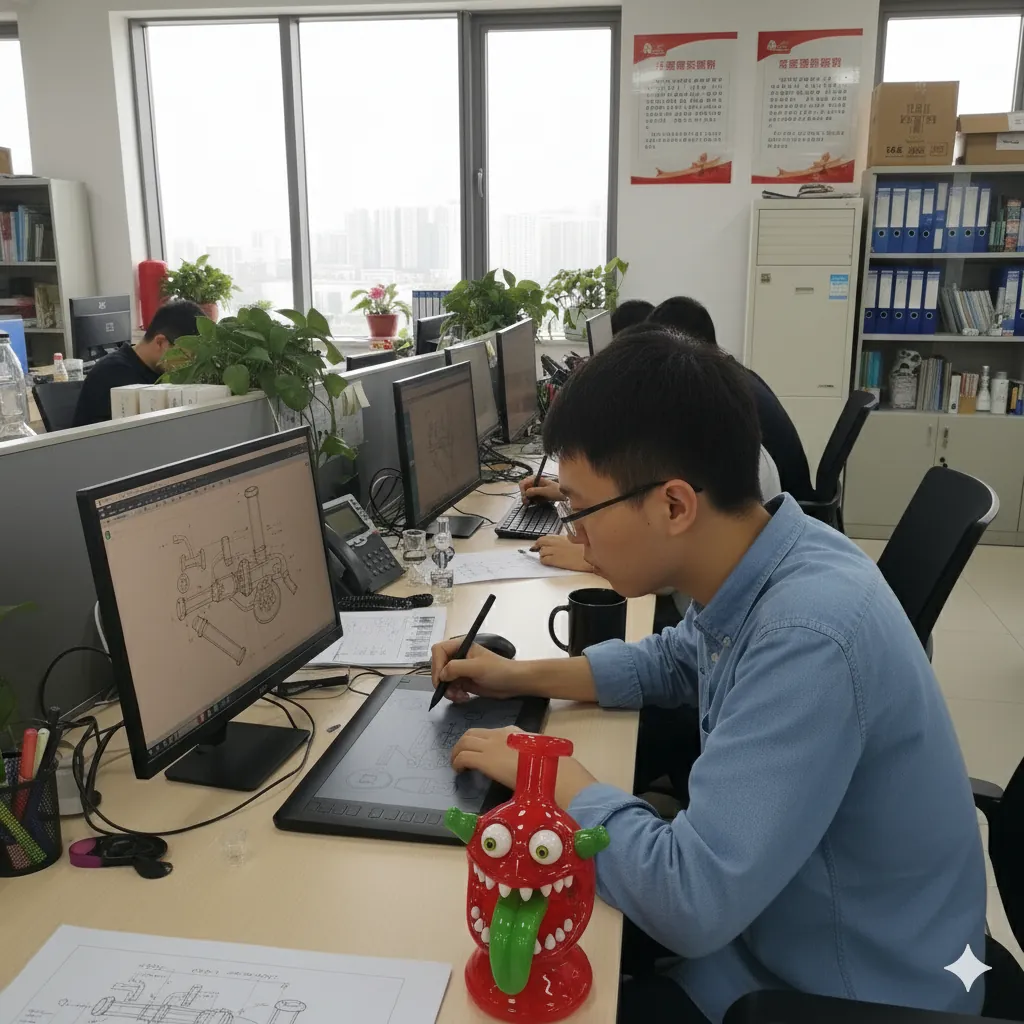
Six factories answered your last RFQ for glass pipes, all claiming export quality, and two quoted prices 40 percent apart for the identical-looking pipe. A disciplined glass pipe supplier evaluation turns that confusion into a decision you can defend. The scorecard below replaces gut feel with eight weighted criteria, a 100-point scale, and four disqualifying red flags.
This is the same evaluation logic we apply on the factory floor at Elfglass, the manufacturer behind this site, where we have produced glass pipes since 2010. Buyers who run it spend 90 minutes scoring and one day reviewing documents. They stop arguing about suppliers and start comparing numbers.
The sheet works for hand pipes, water pipes, dab rigs, and any custom OEM project. Pair it with our guide to choosing a bong supplier and the factory audit checklist for the on-site half of the picture.
A glass pipe supplier scorecard rates a factory across eight weighted criteria — quality system, production capability, communication, sampling, compliance, pricing, packaging, and track record — on a 100-point scale. A score of 70 or higher with no red flags justifies ordering samples; 85 or higher marks a priority supplier.
Key Takeaways
- 100 points spread across eight criteria; quality system carries the most weight at 20 points.
- Score each criterion 0 to 10, multiply by the weight, and total the sheet.
- 70 or higher with no red flags justifies samples; 85 or higher marks a priority supplier.
- Four red flags veto any score — a quote 40 percent below market is the most common.
- Certificates are worth 20 points. The other 80 come from verifiable behavior.
Table of Contents
Why Gut-Feel Supplier Selection Fails
Buyers fall back on three shortcuts: the best product photos, the lowest quote, or the salesperson who replies fastest. Each one measures the wrong thing. Photos cost nothing to copy, a low quote can hide a 2.0 mm wall where the spec calls for 3.0 mm, and a fast reply in fluent English says nothing about annealing control.
The damage lands after the money is spent. By the time a quality problem reaches your customers, you have already paid freight, customs duty, and the replacement order — plus the returns that follow. A scorecard moves that discovery to before the deposit, when switching factories is still free.
The Eight Criteria That Predict Performance
The eight criteria below earn their places by predicting problems, not by being easy to measure. Weights reflect what actually kills orders: a broken quality system ruins margins faster than a slow reply ever will.
| Criterion | Weight | What You Measure | Evidence You Accept |
|---|---|---|---|
| Quality system and certifications | 20 | Documented QC process and valid certificates | ISO 9001 certificate with audit number |
| Production capability | 15 | Output against your order size and deadline | Machine count, shift pattern, monthly capacity |
| Communication | 12 | Response speed and technical specificity | Named answers within 24 hours |
| Sampling precision and speed | 15 | Sample matches spec and arrives on time | Dimensional report with the sample |
| Compliance and documentation | 10 | Material declarations and test reports | Written borosilicate COE 3.3 declaration |
| Pricing transparency | 10 | Itemized quote against market range | Breakdown by material, labor, packaging |
| Packaging and damage control | 8 | Export-grade packing method | Pearl wool wrap plus double carton photos |
| Track record and references | 10 | Verifiable export history | Repeat clients in your market |
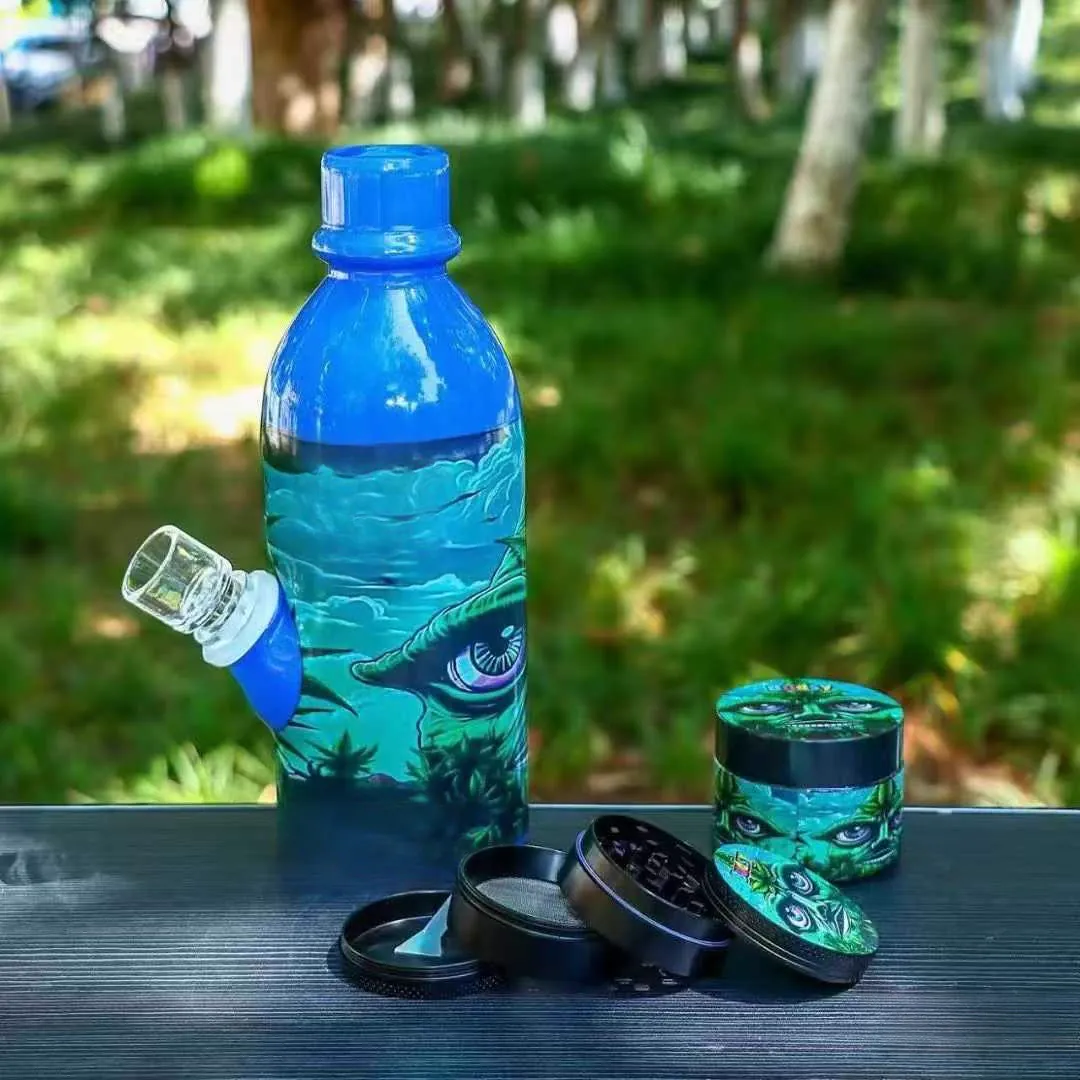
Certificates sit inside the first criterion for a reason. An ISO 9001 quality management system tells you the factory documents its process — but the certificate itself is proof of paperwork, not of pipes. That is why it carries 20 points while the remaining 80 come from what you can verify: sample precision, quote detail, packing method, and export history.
Run this sheet against three factories at minimum, and use the factory audit checklist to collect on-site evidence for the capability and quality criteria.
How to Score a Factory in 90 Minutes
Request the same document pack from every factory: business license, ISO 9001 certificate, material declarations, and two client references. While that lands, score what you already have. The anchors below keep scoring consistent across evaluators.
| Score | Anchor | What Confirms It |
|---|---|---|
| 0 | No evidence or contradictory answers | Nothing usable in writing |
| 5 | Claims without documents | “Yes, we do” with no proof attached |
| 8 | Documented and consistent | PDFs, photos, named standards |
| 10 | Audited proof with numbers | Dated certificates and test reports |
Convert each score with one multiplication: points × (weight ÷ 10). A quality system scored 8 earns 16 of its 20 points; communication scored 9 earns 10.8 of 12. Total all eight lines for the final score. A full pass takes about 90 minutes once the documents arrive.
The sampling criterion deserves its 15 points. A factory that holds your spec for 1 to 3 days and ships a sample with a dimensional report is showing you its production discipline in miniature — read our sampling turnaround guide and the sample evaluation criteria for what to check when it arrives.
Want a Factory That Already Passes?
Score us against the same sheet. Elfglass publishes its certifications, samples in 1 to 3 days, and quotes within 12 hours — bring the scorecard to your first conversation.
MOQ from 100 pieces | 10,000 pieces monthly capacity | NDA before every project
Vet Your Next Glass Pipe Factory With Confidence
Elfglass is a BSCI/WRAP/ISO 9001 audited manufacturer with 16 years and 800+ wholesale orders behind every quote. Send us your target products and we will show you exactly how we source, inspect, and ship.
MOQ from 100 pieces | BSCI / WRAP / ISO 9001 | NDA before every project
Worked Example Factory A vs Factory B
Here is the sheet in action for a 500-piece order of 12 cm hand pipes with 3.0 mm walls. Two factories returned quotes 18 percent apart. Factory A is mid-priced; Factory B is the bargain.
| Criterion (Weight) | Factory A | Factory B |
|---|---|---|
| Quality system (20) | 17 | 12 |
| Production capability (15) | 13 | 9 |
| Communication (12) | 11 | 6 |
| Sampling precision and speed (15) | 13 | 8 |
| Compliance and documentation (10) | 9 | 5 |
| Pricing transparency (10) | 9 | 10 |
| Packaging and damage control (8) | 7 | 6 |
| Track record and references (10) | 9 | 5 |
| Total | 88 / 100 | 61 / 100 |
Factory A earns a sample order. Factory B goes on the bench — and note that B scored a perfect 10 on pricing transparency, because it really is the cheapest quote on the table. That is exactly the trap: price is one criterion among eight, and an 18 percent saving cannot fund the rework rate a 61-point operation implies.
Red Flags That Override Any Score
Four red flags end an evaluation on the spot, no matter how high the score climbs. Each one predicts a failure mode that quality points measure too late.
- A quote 40 percent or more below every other quote, with no explanation. The usual casualty is wall thickness — glass you cannot see through the carton.
- Refusal of third-party pre-shipment inspection. A factory confident in its own QC has nothing to hide from an inspector.
- No written glass type specification. Borosilicate 3.3 is defined by ISO 3585; a factory that cannot name its glass in writing is not buying it to spec.
- Certificates without audit numbers or expiry dates. Genuine ISO 9001 certificates carry both and can be verified with the issuing body.
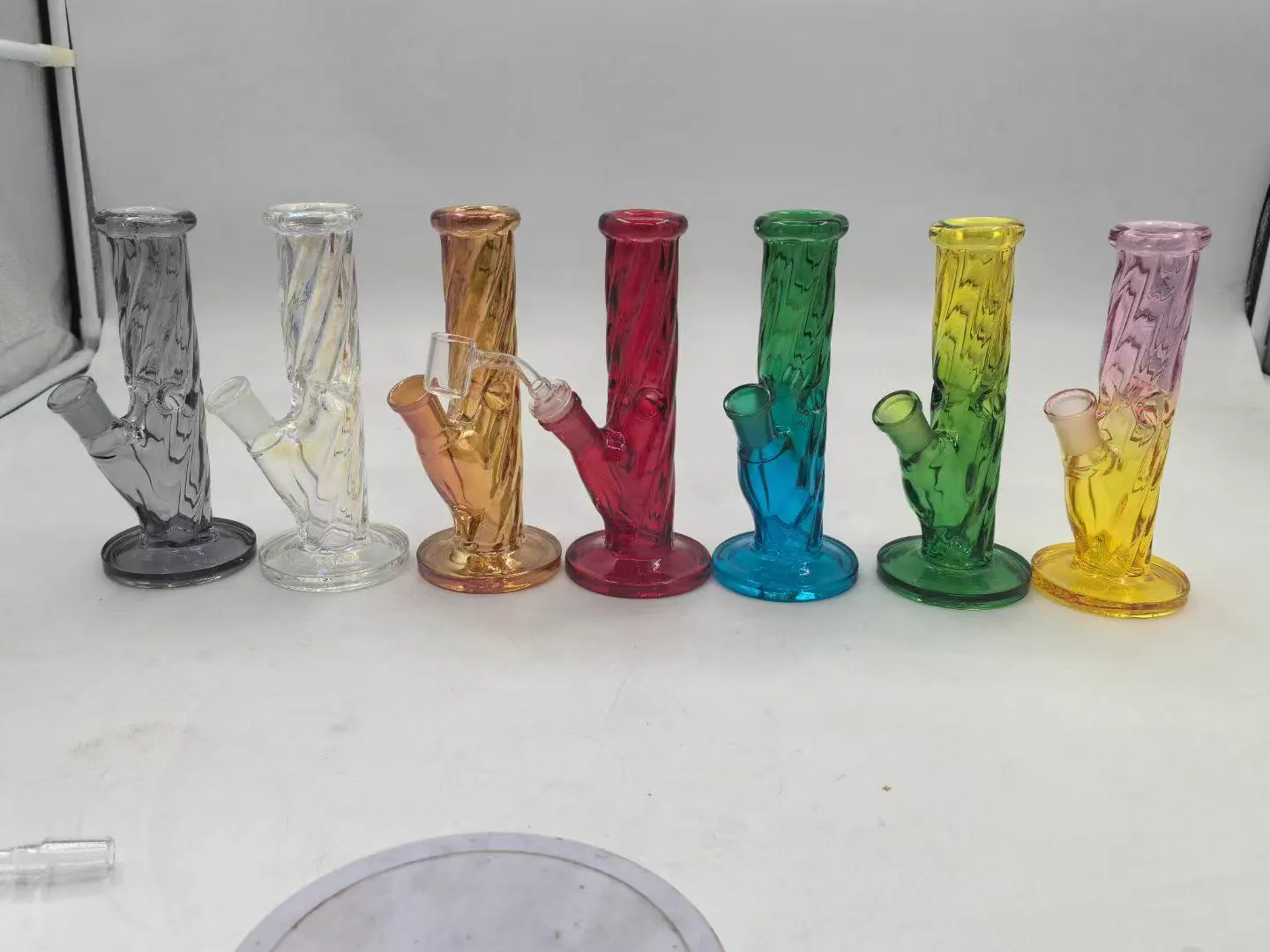
Treat the veto list as non-negotiable. A 95-point factory that refuses inspection is a 95-point risk.
From Scorecard to First Order
Score at least three factories on the same sheet, then order samples from the top one or two. Keep every completed scorecard — it becomes your benchmark when a supplier slips on a later order, and your record of why you chose them in the first place.
Send the same specification form to every factory so the scores compare like with like: same dimensions, same glass type, same packaging question, same deadline. Then cap your risk with a 100-piece trial order before committing to containers.

When your top scorer returns a sample that passes your evaluation, you have the cheapest insurance available in glass sourcing: a decision backed by numbers instead of a photograph.
Conclusion
A supplier scorecard converts supplier selection from a personality test into an audit. Eight weighted criteria score a factory out of 100, and four red flags veto any total. Run it on three factories and the right order becomes obvious.
- 70 or higher with no red flags justifies samples; 85 or higher earns priority status.
- Certificates carry 20 points — verify audit numbers before counting them.
- The same spec sheet must go to every factory, or the scores mean nothing.
- Re-score every 12 months and after any quality failure or ownership change.
Score your next candidate factory against this sheet before the first deposit. If Elfglass is on your list, request a quote and hold us to the same standard.
How long does a full supplier evaluation take?
About 90 minutes of scoring plus one day of document review, and the two steps run in parallel — most buyers finish inside two working days.
What score should I require before ordering samples?
Require 70 or higher with no red flags. Reserve priority status — faster quotes and first production slots — for factories above 85.
Do certificates alone prove a factory is good?
No. Certifications contribute 20 of the 100 points. The other 80 come from verifiable behavior: sampling precision, quote itemization, inspection access, and export history.
Can a 20-person factory score well?
Yes. Headcount is not a scored criterion. A 20-person workshop with 10,000 pieces of monthly capacity and clean documents outperforms a 200-person plant with sloppy paperwork.
How often should I re-score an existing supplier?
Re-score every 12 months, and immediately after any quality failure, ownership change, or unexplained price drop.
Ready to Start Your Custom Glass Pipe Project?
Get a free quote within 24 hours. MOQ from 100 pieces. NDA-protected design consultation.
