
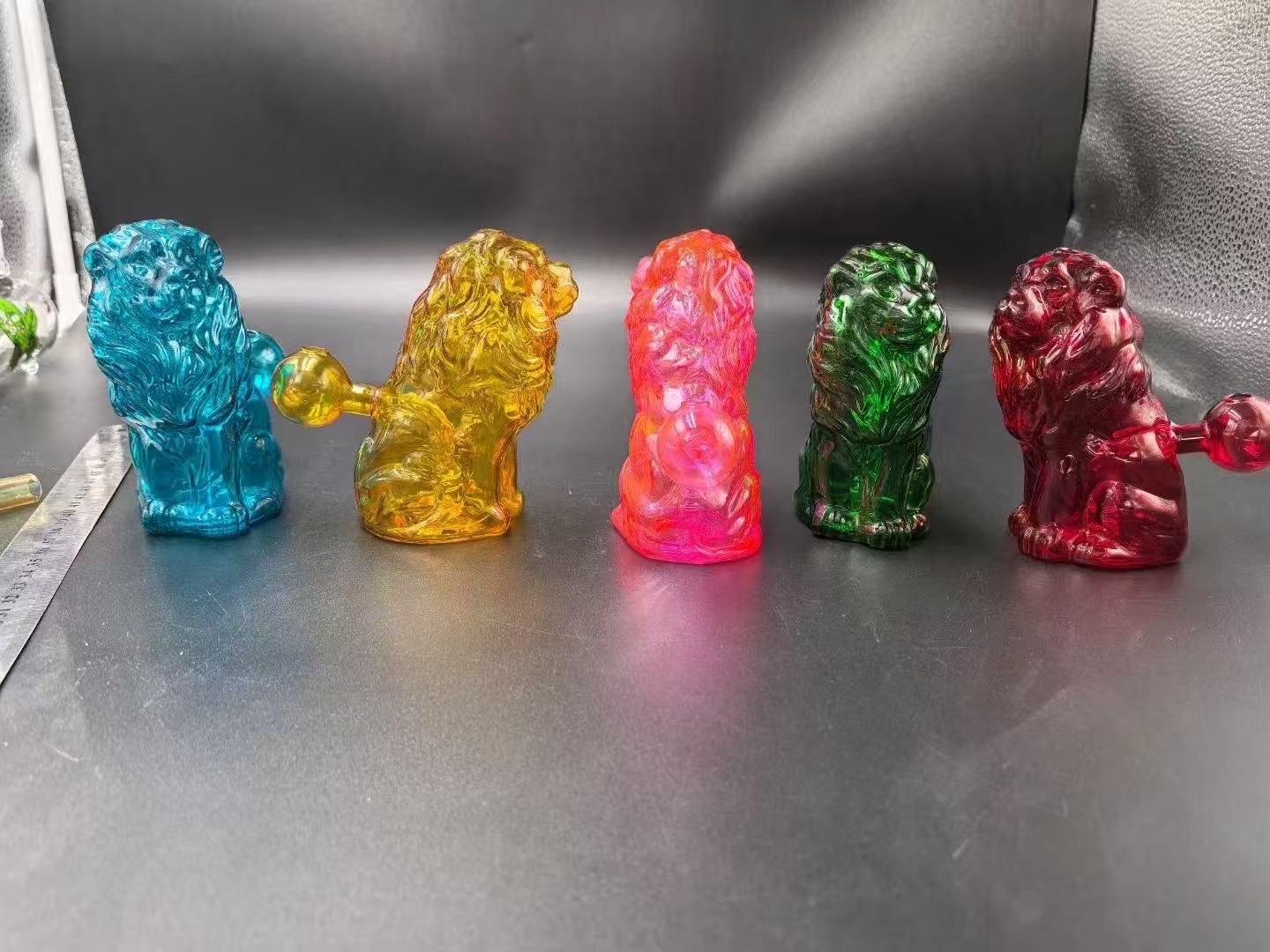
A single glass (versus ceramic as a competing material)blower at a torch produces one pipe in four hours. A factory line produces 300 units of the same design in a shift. Both are “glass pipes.” Both use the same raw material. But they serve different customers, command different prices, and require completely different wholesale strategies. Confusing heady glass with production glass is the fastest way to misallocate inventory budget and disappoint both your supplier and your customers. These pieces trace their craft lineage to glassblowing, the furnace-based forming technique behind most hot-shop glasswork (glassblowing reference).
This comparison maps the two markets across every dimension that matters to a wholesale buyer: production method, pricing structure, order volume, customer profile, breakage risk, and brand-building potential. The goal is not to declare one “better”—it is to help you decide which market your store serves, or whether you can serve both without mixing inventory strategies.
Key Takeaways
- Heady glass is one-of-a-kind or limited-run art pieces made by individual artists; production glass is factory-manufactured at scale with consistent specifications.
- Heady commands 5–20x the per-unit price of production glass but moves at a fraction of the volume and carries no reorder reliability.
- Production glass at MOQ 100 per design builds brand consistency and reorder predictability—heady does neither.
- The two markets serve different customer motivations: heady buyers collect; production glass buyers use and replace.
- Stores can stock both successfully, but the inventory strategy, marketing, and supplier relationship for each are fundamentally different.
Defining the Two Markets
Heady glass refers to glass pipes and water pipes made by individual artists or small studios, typically one piece at a time or in very limited runs. Each piece carries the artist’s signature style, often with unique color work, sculptural elements, or experimental techniques. No two pieces are identical. The value proposition is artistry and exclusivity.
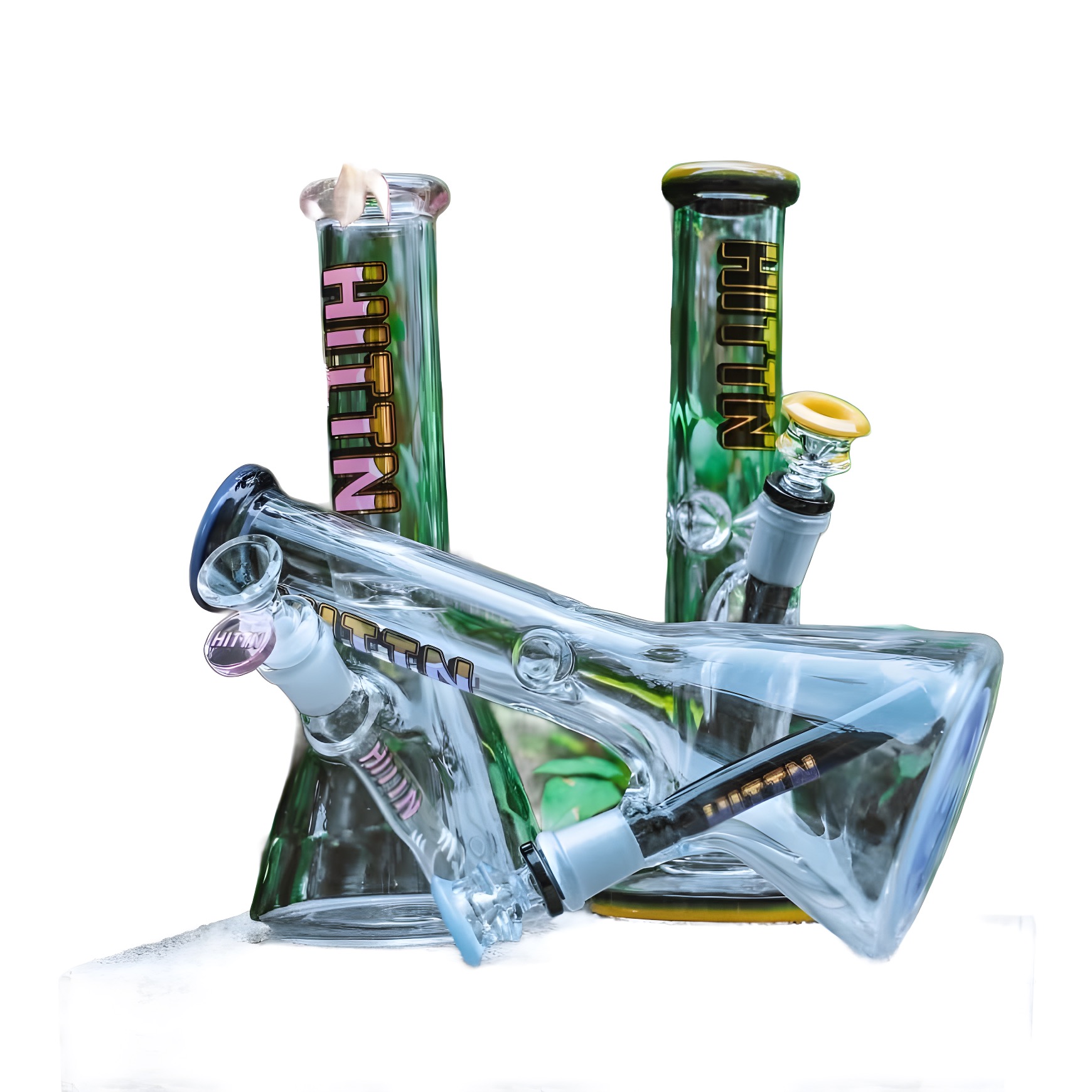
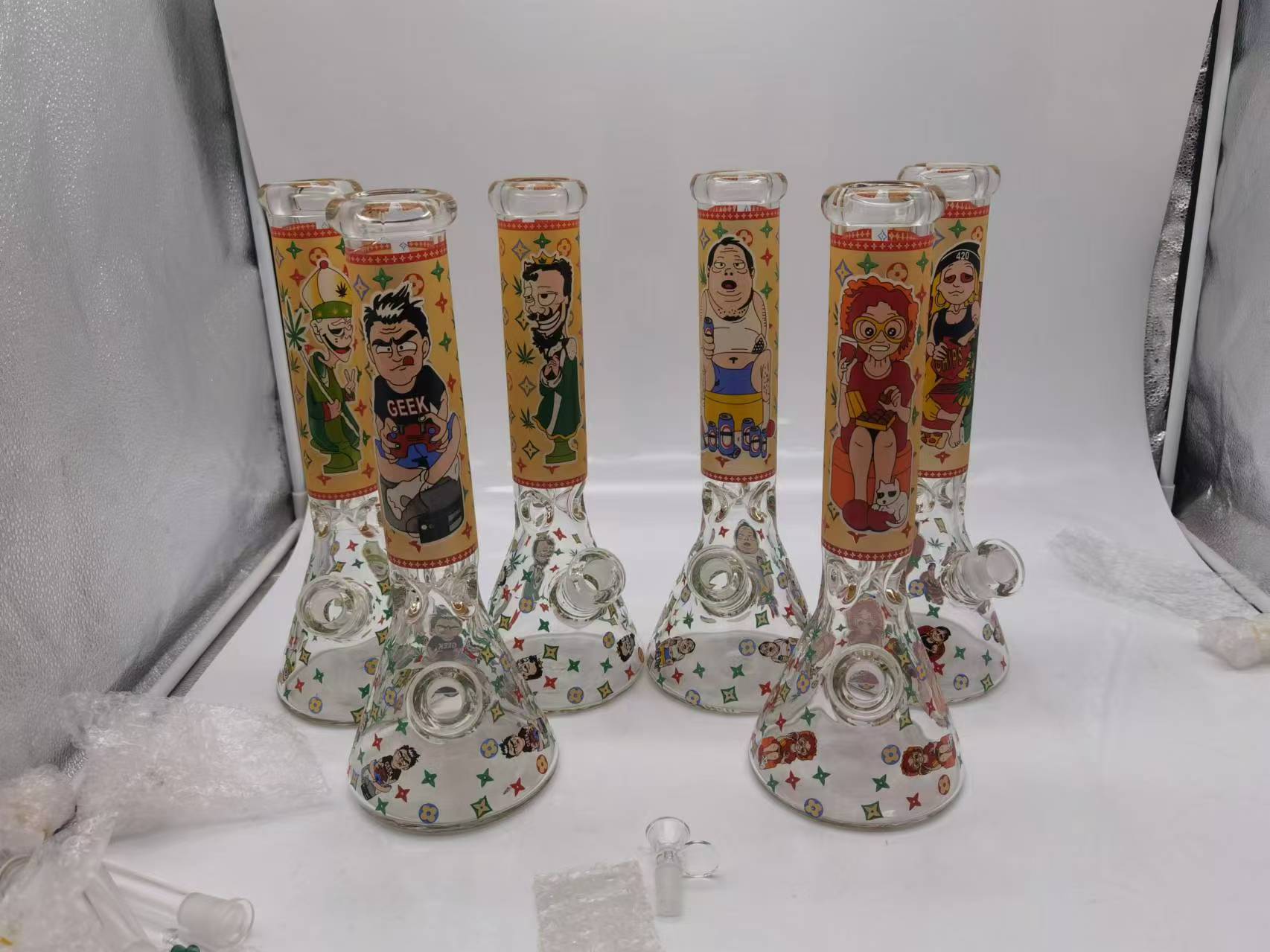
Production glass refers to glass pipes manufactured in factories at scale, with consistent specifications across hundreds or thousands of units. Each unit of the same design is functionally identical. The value proposition is reliability, consistent quality, and accessible pricing. A factory like Elfglass producing 10,000 units monthly under ISO 9001 quality systems exemplifies this market.
Neither is “better glass” in an absolute sense. A heady artist working with premium materials can produce glass quality that exceeds factory output. But a factory’s consistency, certification compliance, and reorder reliability serve a different commercial need. The comparison that matters for a wholesale buyer is not “which glass is finer”—it is “which market matches my business model.”
Production Method Comparison
| Dimension | Heady Glass | Production Glass |
|---|---|---|
| Maker | Individual artist or small studio | Factory with multiple glassblowers |
| Batch size | 1–20 units per design | 100–10,000+ units per design |
| Consistency | Each piece unique; variation is the point | Units identical within tolerance |
| Lead time | Weeks to months per artist schedule | 7–12 days for 100+ units |
| Reorder reliability | None—artist may stop, change style, or retire | High—factory maintains molds and specs |
| Certifications | Rarely documented | BSCI, WRAP, ISO 9001 available |
The production method difference drives every downstream difference in pricing, ordering, and risk. A heady artist cannot guarantee they will make the same piece next month. A factory with spec sheets on file can reproduce the same unit indefinitely. For a wholesale buyer building a repeat-order business, this distinction is foundational.
Pricing and Margin Structure
Heady glass operates on art-market pricing: the artist sets a price based on time, materials, skill level, and reputation. A single heady water pipe can retail at 5 to 20 times the price of a comparable-size production piece. The wholesale buyer’s margin per unit is high, but the capital tied up per unit is also high.
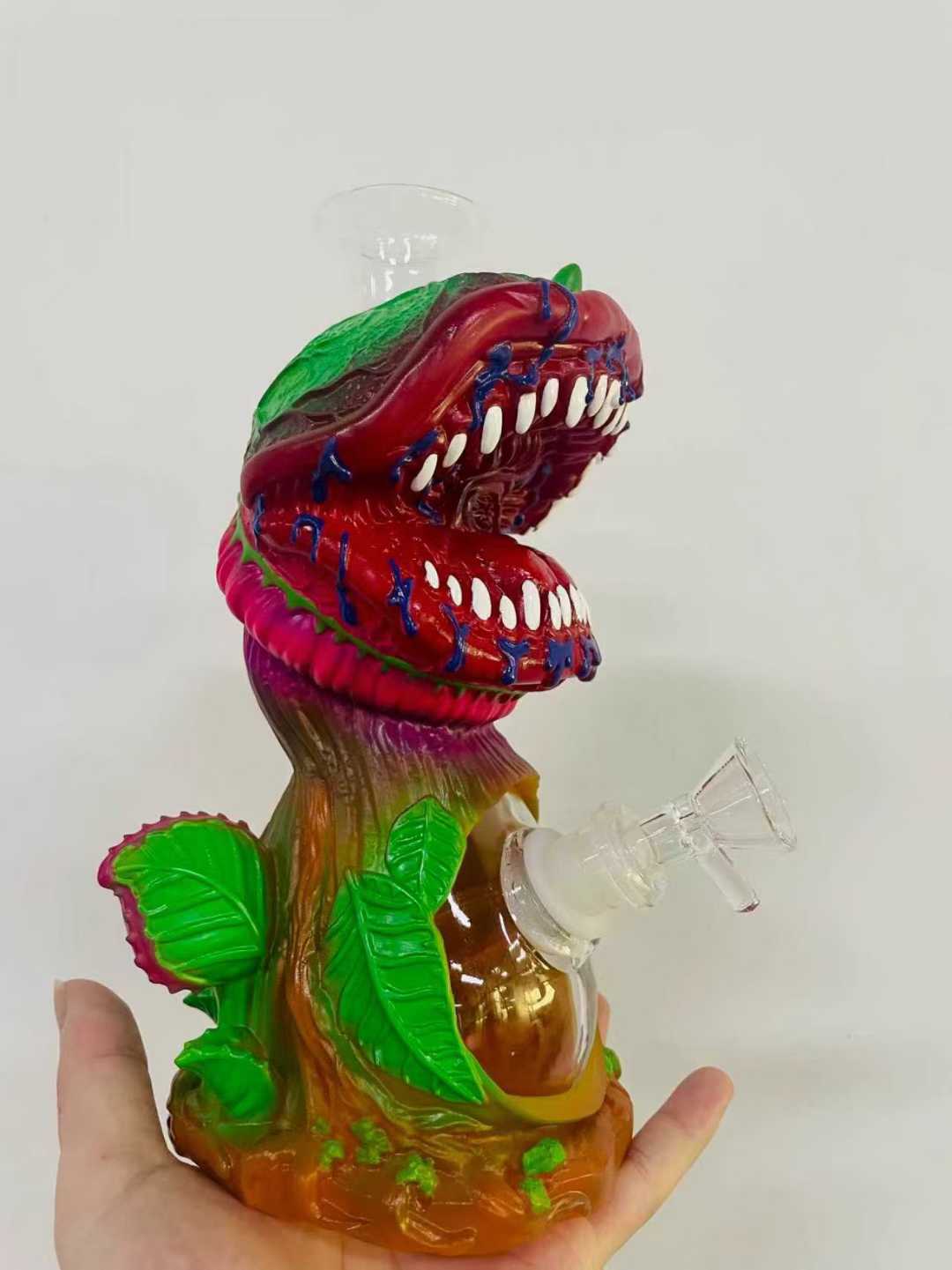
Production glass operates on manufacturing pricing: cost is driven by material volume, labor time per unit, and order quantity. At MOQ 100 per design, per-unit cost is predictable and scales down with volume. Margins per unit are lower than heady, but volume compensates. A store selling 50 production units per month at moderate margin generates more total revenue than one selling 3 heady pieces at high margin.
The wholesale buyer’s capital efficiency strongly favors production glass. One thousand dollars buys one or two heady pieces or 30–50 production units. The production units generate more transactions, more customer interactions, and more reorder data. The heady pieces generate higher per-sale excitement but longer capital lockup between sales.
Stock the Glass Pipes Your Customers Actually Buy
Elfglass produces the full wholesale catalog, from hand pipes and sherlocks to dab rigs, percolator bongs, and accessories, in proven best-selling specs. Tell us your market and we will recommend a catalog mix with pricing.
MOQ from 100 pieces | BSCI / WRAP / ISO 9001 | NDA before every project
Customer Profile Differences
Heady buyers and production glass buyers have different motivations, and understanding the difference determines how you merchandise, price, and stock each category.
Heady buyers collect. They follow specific artists, attend glass shows, and purchase pieces as investments or display items. They handle the piece carefully, clean it gently, and often do not use it daily. Their purchase decision is emotional and identity-driven: “I own a piece by this artist.”
Production glass buyers use. They want a functional water pipe that performs well, looks good, and can be replaced if broken. Their purchase decision is practical: “I need a reliable pipe at a fair price.” They will reorder the same design when they break one or want a second.
The merchandising implication: heady pieces belong in a display case with lighting and artist attribution cards. Production glass belongs on open shelves where customers can handle it, ask questions, and walk out with it. Mixing the two on the same shelf confuses customers about why one costs five times the other.
Wholesale Ordering and Logistics
The ordering mechanics for each market are fundamentally different, and a buyer who applies production-glass ordering logic to heady sourcing will be frustrated.
Heady ordering: You contact the artist or their gallery, request available pieces or commission a specific style, negotiate pricing per piece, and wait for the artist’s production schedule. There is no MOQ in the factory sense—each piece is its own order. There is no spec sheet, no sampling process, no bulk timeline. The artist delivers when the work is done.
Production ordering: You submit a spec sheet to the factory, approve a sample in 1–3 days, confirm bulk production at MOQ 100, pay 30% deposit, receive goods in 7–12 days, pay balance before shipment. The process is documented, repeatable, and predictable. Production glass types span the full range from hand pipes to water pipes to dab rigs, all orderable through the same structured process.
For a wholesale buyer, production ordering supports business planning: you can forecast inventory needs, schedule reorders, and coordinate with shipping timelines. Heady ordering does not support planning—it supports curation. You take what the artist produces when they produce it.
Brand Strategy Implications
If you are building a private label brand, production glass is the only viable path. A brand requires consistency: the same product, the same quality, the same packaging, every time a customer reorders. Heady glass cannot deliver this because each piece is unique and the artist’s output is unpredictable.
Production glass supports brand building through: consistent product specs across every order, custom logo application on every unit, branded packaging at scale, and reorder reliability that lets you commit to marketing campaigns knowing inventory will be available. A factory producing under BSCI and ISO 9001 certifications also provides the documentation trail that marketplace platforms and distributors require.
Heady glass supports a different brand strategy: curation and exclusivity. A store known for carrying specific artists builds reputation as a destination for collectors. The brand attaches to the store’s taste, not to a product line. This model works but it scales differently—you grow by adding artists, not by increasing unit volume. The full product range available from production factories offers the consistency that brand-building requires.
Which Market Fits Your Store
The decision framework is straightforward once you identify your primary customer and your capital position.
Choose production glass if: you want volume sales, repeat orders, brand consistency, and predictable inventory. You are building a private label or serving a broad customer base. Your capital is limited and you need fast inventory turnover. This describes most smoke shops and online retailers.
Choose heady glass if: you serve collectors, you have capital to tie up in high-value individual pieces, you enjoy curating artist relationships, and your customers value exclusivity over affordability. This describes boutique galleries and high-end specialty shops.
Stock both if: you have the shelf space and capital to run two separate inventory strategies. Production glass drives your revenue and foot traffic; heady glass drives your prestige and attracts collectors who then browse your production range. The two categories cross-sell when merchandised separately with clear positioning.
The mistake to avoid: ordering production glass and trying to sell it at heady prices, or commissioning heady pieces and expecting reorder reliability. Each market rewards the strategy that matches its nature. Respect the difference and allocate your budget accordingly.
Conclusion
Heady glass and production glass are two different businesses sharing a material. One rewards artistry and exclusivity; the other rewards consistency and scale. Neither is superior—but they demand different inventory strategies, different customer relationships, and different supplier management.
- Production glass supports brand building, reorders, and volume; heady supports curation and exclusivity.
- Capital efficiency favors production: the same budget buys 30–50 production units versus 1–2 heady pieces.
- Merchandise the two categories separately—mixing them on one shelf confuses price perception.
- If building a private label, production glass at MOQ 100 is the only path to consistent, reorderable inventory.
Building your product line with production glass? Discuss your specifications with Elfglass—pricing, sampling, and production timeline returned within 12 hours.
Frequently Asked Questions
What is the difference between heady glass and production glass?
Heady glass is made by individual artists one piece at a time with unique designs. Production glass is factory-manufactured at scale with consistent specifications. They serve different markets: collectors versus functional users.
Which type of glass should I stock in my smoke shop?
Production glass for volume sales, brand building, and repeat orders. Heady glass for collector positioning and prestige. Most shops benefit from production glass as the revenue foundation.
Can I build a private label brand with heady glass?
No. A private label brand requires consistent product specs, reorder reliability, and branded packaging at scale. Only production glass factories can deliver this. Heady glass is inherently unique per piece.
How much more expensive is heady glass than production glass?
Heady pieces typically retail at 5 to 20 times the price of comparable-size production units, reflecting artist time, skill, and exclusivity rather than material cost difference.
What is the minimum order for production glass?
At Elfglass, MOQ is 100 units per design per SKU. Sampling completes in 1 to 3 days and bulk production takes 7 to 12 days with BSCI and ISO 9001 quality systems.
About the Author
Ava Zeng is the founder of Elfglass, a Shenzhen-based borosilicate glass pipe manufacturer serving B2B brands worldwide. Every guide on this site is grounded in her production-floor experience— the annealing lines, QC checkpoints, and export orders behind each claim.
Before you commit to a supplier, read her founder’s story and trust promise, and the guide to vetting a reliable glass pipe manufacturer— the same red-flag checklist Elfglass applies to its own suppliers.
The production-method angle of that split is covered in our hand-blown vs machine-made comparison.
The distinction between heady and production pieces mirrors the taxonomy used in glass art collecting, where one-of-a-kind work is separated from edition production.
Ready to Source Custom Glass Pipes?
Get a free quote within 24 hours. MOQ from 100 pieces. NDA-protected design consultation.
