

Two samples sit on your desk. One is a hand-blown spoon pipe with a swirl that exists exactly once; the other came out of a mold with edges so consistent it could be its own twin. Both are solid borosilicate, both are priced for wholesale, and both could carry your logo. The right choice is not about which one is better — it is about which one your next order is for.
That is the comparison most articles dodge, and it is the only one that matters. We run both processes on the floor at Elfglass, the factory behind this site, and the answer changes with order size, design freedom, and what your brand promises the customer.
This guide puts both processes through the same seven-point comparison, shows where each one wins, and closes with a decision path by order goal. The hands-on companion pieces are our heady vs production glass markets breakdown and the small factory advantage argument.
Hand-blown glass pipes are shaped piece by piece by an artisan, trading unit cost for design freedom and per-piece character. Machine-made pipes are formed in molds, trading tooling cost for tight batch consistency and lower per-unit economics at volume. Choose by order goal, not by process pride.
Key Takeaways
- Hand-blown = labor scales per piece; machine-made = cost front-loads into tooling.
- Design freedom belongs to handwork; batch consistency belongs to molds.
- Strength is a materials spec, not a process badge — both can hit the same wall thickness.
- Per-piece variation in hand-blown work is a feature for collectors and a caution for chains.
- Most established brands run a hybrid: hand-blown flagship, machine-made volume line.
Table of Contents
Two Processes Two Different Products
Hand-blown pipes start at a torch or bench where an artisan shapes each piece from borosilicate glass tubing and rod — a glassblowing craft where the worker’s hands set every curve. Machine-made pipes start in a mold: molten glass is pressed or blown into a fixed form, so every piece in the batch emerges from the same geometry. Same material family, opposite production logic.
That production logic explains almost everything downstream. Handwork charges you per piece and unlocks per-piece freedom; molds charge you once and lock the geometry. When a supplier quotes you, you are really choosing which of those two cost curves you want to ride.
The Comparison That Decides It
Here is the honest seven-point comparison — the same sheet we hand buyers who are deciding which line to build first.
| Attribute | Hand-Blown | Machine-Made |
|---|---|---|
| Shape freedom | Near total — curves, marbles, percolators built by hand | Fixed by the mold; changes need new tooling |
| Per-piece variation | Present — swirls, seam lines, small dimension spread | Minimal — batch pieces are near-twins |
| Unit cost at volume | Rises with labor; flat discount is limited | Drops sharply once tooling is amortized |
| Upfront cost | Sampling only; no mold required | Mold/tooling investment before the first bulk run |
| Batch consistency | Depends on artisan discipline and QC gates | Structurally high by mold design |
| Design changes | Fast — revise at the torch, next sample in days | Slow — new tooling cycle for geometry changes |
| Story value | High — collector and heady appeal | Function-first; brand carries the story |
Read it as two columns of strengths instead of a scorecard with a winner. The columns answer different questions: “what can this design be” versus “what can this order volume afford.”
Where Hand-Blown Wins
Handwork wins wherever the customer is buying the piece, not the spec. A collector pays for the swirl that exists once; a boutique smoke shop builds margin on pieces no chain can stock identically. Launch economics favor it too — with no mold required, a custom design starts at sampling and a 100-piece first run, which is exactly why our 100-unit custom batch service is handwork-heavy.
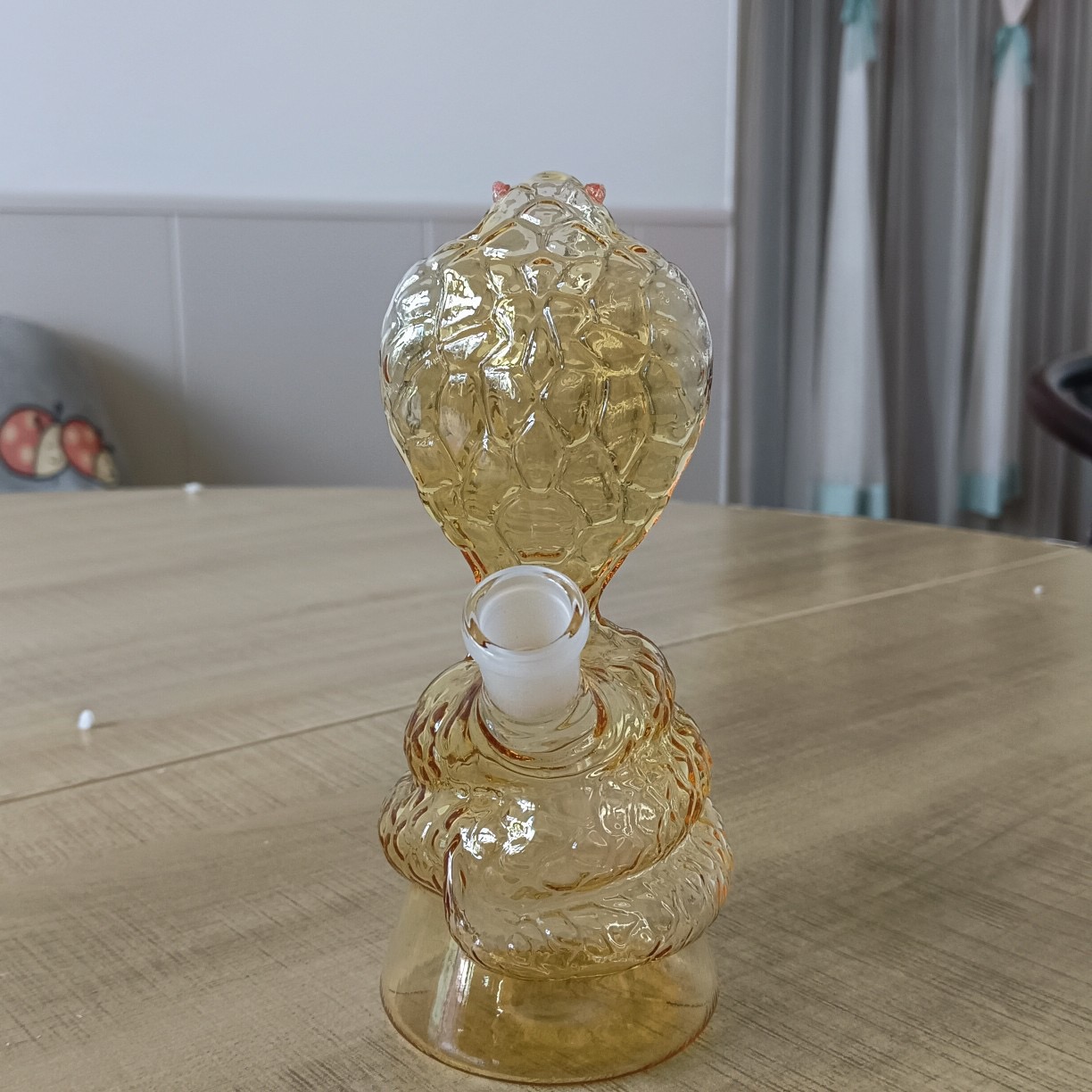
It also wins on iteration speed. Revising a hand-made shape is a conversation with the artisan and a new sample in days; revising a molded shape is a tooling cycle. Early-stage brands underestimate how much their design will change after the first customer feedback — handwork absorbs that change cheaply.
Where Machine-Made Wins
Molds win wherever repetition pays. Once the tooling is amortized, each additional piece costs less than its hand-made twin, and the batch consistency simplifies everything downstream: packaging fits, QC checks shrink, and retail shelves line up. Our tooling amortization guide runs the numbers for when a mold pays for itself, and the mold ownership guide covers keeping that tooling exclusive to your brand.
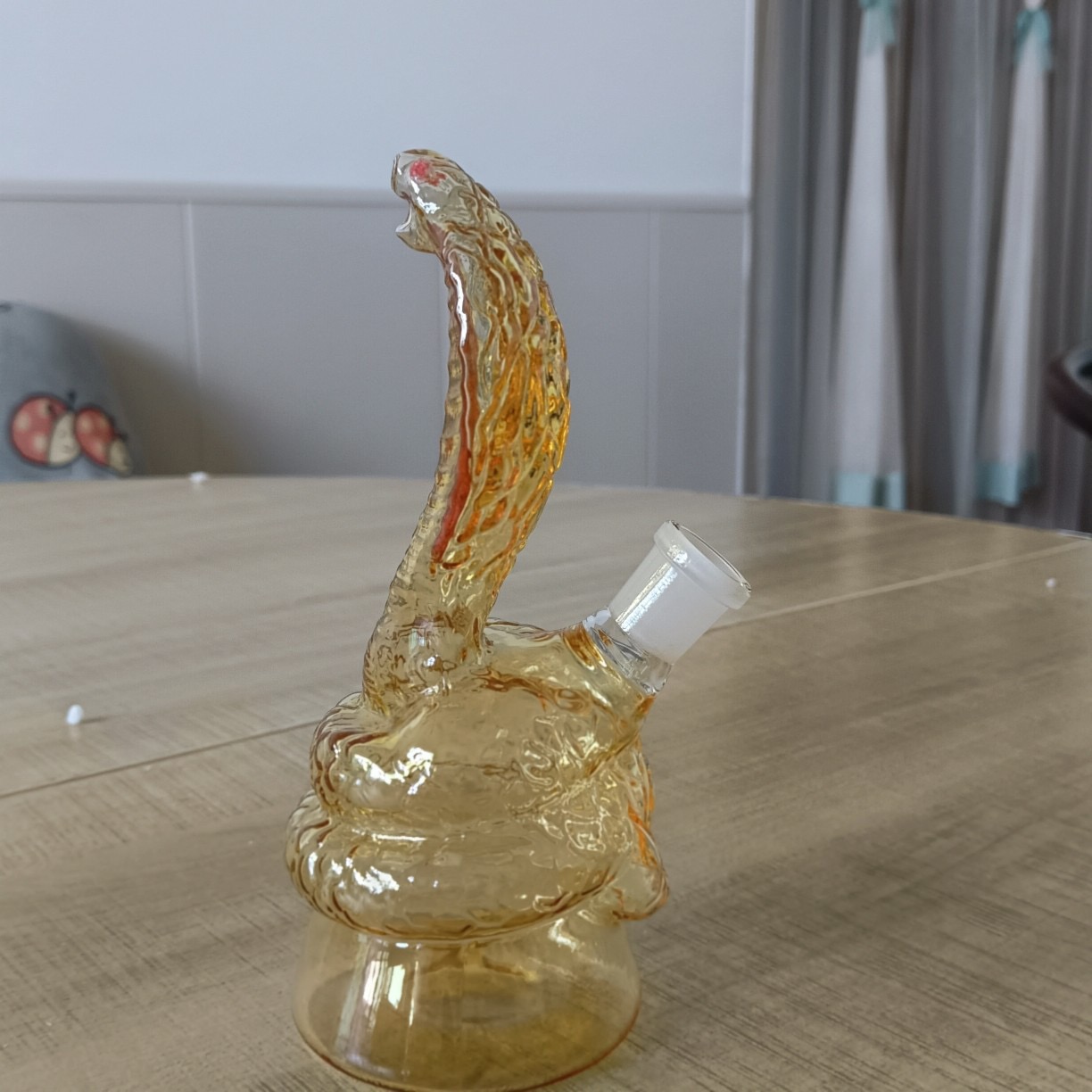
It also wins on the boring promise: replenishment. A retailer reordering their best-selling hand pipe wants this month’s batch to match last month’s. Molded production keeps that promise structurally, without depending on any single artisan’s week.
Not Sure Which Process Fits Your Order?
Send the design and the quantity. We quote both paths — hand-blown and molded — with honest trade-offs on each, so the decision is arithmetic instead of guesswork.
Quotes in 12 hours | Sampling in 1 to 3 days | MOQ from 100 pieces
The Tolerance Question Buyers Ask First
The first serious question every buyer asks is about tolerance: how much will pieces vary? The honest answer is that variation is a managed spec, not a process curse. Our manufacturing tolerance guide explains how wall thickness and dimension tolerances are written into the spec sheet, and either process can hit them — handwork through QC gates, molds through the tool itself.
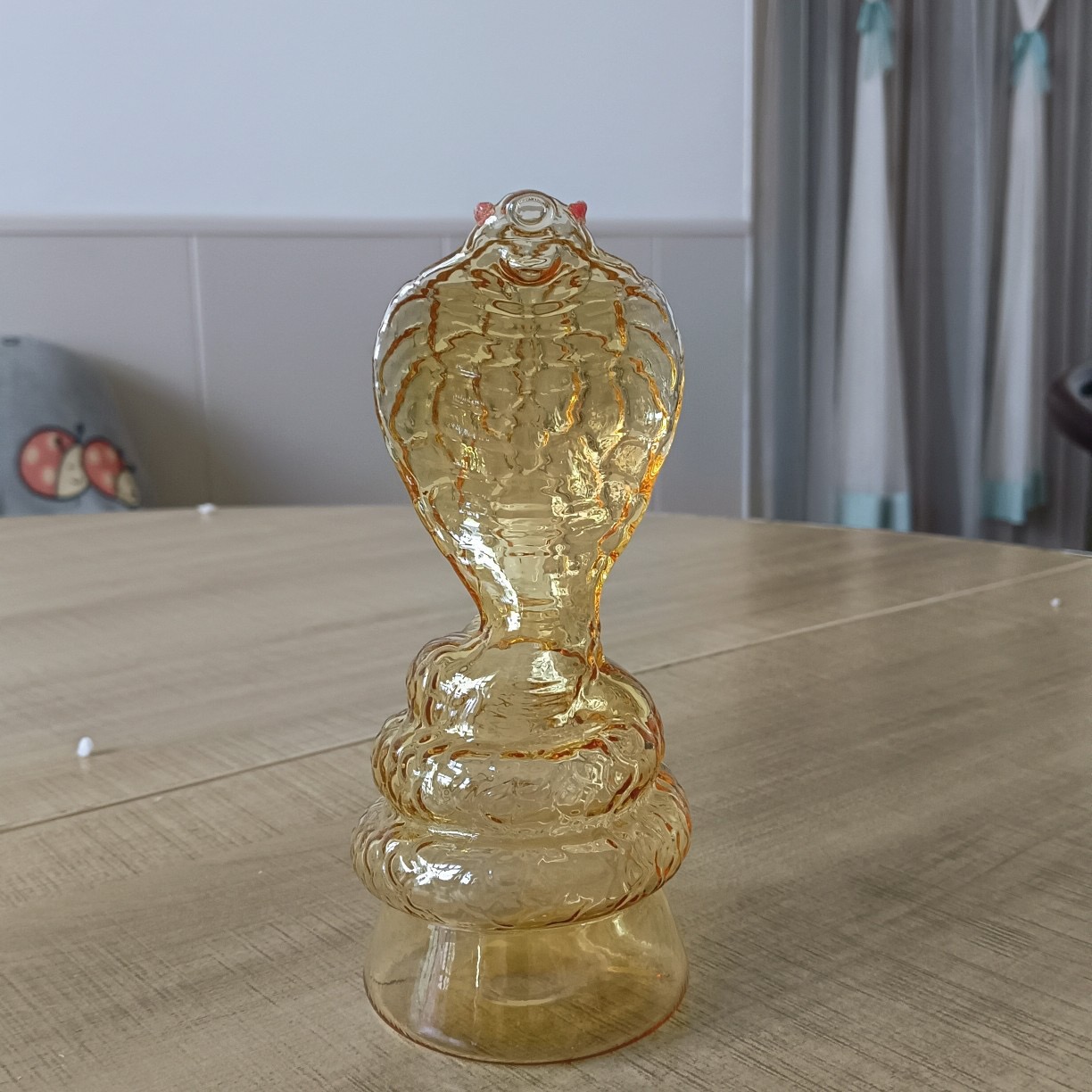
What differs is where the attention goes. In hand-blown production, variation is managed by the QC protocol; in molded production, it is managed at the tool. Buyers who weight perceived heft should also read our piece on weight as a quality signal — heavier feels better, but only within a tolerance band that both processes can hold.
Choosing Between Them by Order Goal
Match the process to the goal and the decision gets short. Proving a new design or building a collector story: hand-blown, 100-piece runs, sampling-first. Scaling a proven SKU for chain retailers: molded, tooling up, consistency first. The prototypes photo below is what the decision actually looks like — iterations on a bench before the process commits.

The hybrid path is where most mature brands land — and it is easier than it sounds. Keep the flagship piece hand-blown where the story earns margin, move the volume shapes to molds where replenishment pays, and let the prototyping process tell you which is which. One supplier running both processes makes the split a scheduling decision, not a second sourcing project.
Cost Structure Compared: Where the Money Actually Goes
The seven-point comparison tells you how the processes behave; it does not show you the numbers. Here is the cost structure underneath, which is what actually decides the crossover point for your order.
| Cost Driver | Hand-Blown | Machine-Made |
|---|---|---|
| Upfront tooling | None — sampling only | Mold / tooling investment before the first run |
| Labor per unit | High; scales with every piece | Low once the line is automated |
| Material yield | Slightly lower (artisan trim and rework) | High and consistent |
| Unit cost at 100 | Competitive — no tooling to amortize | High — tooling spread across few pieces |
| Unit cost at 1,000 | Flat — still labor-bound | Falling fast |
| Unit cost at 5,000+ | Still labor-bound | Lowest — tooling fully amortized |
| Cost of a design change | Low — revise at the torch | High — new tooling cycle |
Read down the two unit-cost rows and the crossover is obvious: below a few hundred pieces, handwork wins because there is no tooling to pay off; above a few thousand, molds win because that tooling cost is spread so thin it stops mattering. Where exactly your design crosses depends on the tooling price and the labor minutes per piece — the two numbers worth asking for before you commit.
How Quality Control Differs Between the Two Processes
Both processes can hold the same tolerance, but they police it in different places. Knowing where the attention sits tells you which questions to ask a supplier.
- Hand-blown: QC lives at the piece and the gate. Every piece is eye-checked by the artisan as it is made, then wall thickness, annealing, and finish are verified on a sampling gate. Variation is managed downstream, by the protocol, because no two gathers are identical.
- Machine-made: QC lives at the tool and the batch. A first-article inspection confirms the mold produces to spec, then dimensional sampling runs across the batch and tool wear is monitored so drift is caught before it yields rejects. Consistency is built into the mold rather than checked into the piece.
- Annealing is identical in both. A hand piece and a molded piece of the same COE and wall thickness get the same lehr schedule — strength is a materials and annealing spec, not a process badge.
So the buyer’s question changes with the process. For handwork, ask how the QC gates catch per-piece variation before it ships. For molds, ask how tool wear is monitored across a long run. Different questions, same goal: a batch that holds spec from the first carton to the last.
Conclusion
Hand-blown and machine-made glass pipes are not rivals so much as different answers to the same order. Handwork sells freedom and story per piece; molds sell consistency and falling unit costs per thousand. The seven-point comparison above is the whole argument — the rest is your order goal.
Summed up in one sentence each: choose hand-blown when the design is still moving and the batch is small; choose machine-made when the design is settled and the volume is real; and choose a factory that runs both, so the line can migrate as the brand matures.
Ready to price both paths on your design? Request a quote and ask for the two-process comparison back — it is the fastest way to see your own numbers side by side.
Are hand-blown glass pipes stronger than machine-made ones?
Not inherently. Strength comes from glass type, wall thickness, and annealing quality — both processes can hit the same spec when the factory controls them.
Why do hand-blown pipes cost more per piece?
Every piece passes through a worker’s hands, so labor scales with quantity. Molds front-load cost into tooling and then produce each piece faster.
Do machine-made pipes all look identical?
Within a batch they are very consistent — that is the point of molds. Small finishing differences can remain where a worker trims or flames each piece.
Can I mix both in one product line?
Yes, and most established lines do. A hand-blown flagship for margin and story, machine-made core shapes for volume and replenishment.
What MOQ should I expect for custom hand-blown designs?
Custom handwork typically starts around 100 pieces per design at our factory, with sampling in 1 to 3 days before the bulk run.
Ready to Start Your Custom Glass Pipe Project?
Get a free quote within 24 hours. MOQ from 100 pieces. NDA-protected design consultation.
