

A 20ft container holds about 33 cubic meters of space — and if you load it carelessly, you will pay ocean freight to ship four or five cubic meters of empty air halfway around the world. Freight is charged on the box, not on how well you filled it, so every wasted gap is money you handed the carrier for nothing. Worse, an over-tall stack of glass crushed under its own cartons turns that wasted space into broken inventory and a claims conversation.
Container math is not guesswork, and it is not something to leave to the forwarder at the last minute. It is a simple volume calculation you can run before you place the order, so the quantity you commit to actually fits, and the landed cost per unit you quoted your retailer stays true. We build loading plans for Elfglass shipments every week — this is the same arithmetic we run, translated for buyers.
Before the numbers, if you are still deciding how the goods travel and who pays for which leg, read our Incoterms guide for glass pipe imports, because the term you choose decides whether container capacity is your problem or your supplier’s.
A 20ft container offers about 33 cubic meters internally and roughly 25 to 28 cubic meters of usable space. Divide that usable volume by the packed volume of one master carton to get your count — tens of thousands for small hand pipes, around 2,500 to 3,500 for boxed 10-inch bongs.
Key Takeaways
- Glass is volume-limited, not weight-limited — you fill the cube long before you approach the payload ceiling.
- Use the practical number (25 to 28 cubic meters usable), not the theoretical 33.
- The formula: pieces per container = usable cubic meters ÷ packed volume per unit or carton.
- Packaging is a capacity tax — thicker foam and gift boxes protect more but ship fewer pieces.
- Palletize fragile goods: lose 10 to 15 percent of cube, save breakage and handling time.
Table of Contents
The Real Usable Volume of a 20ft Container
Start with the box itself. A standard 20ft dry container measures about 5.90 m long, 2.35 m wide, and 2.39 m high on the inside, which works out to roughly 33.2 cubic meters of internal volume — the figure published by freight volume references such as CBM Calculator’s container guide. Those dimensions are standardized worldwide under the intermodal container specification, so a 20ft in Shanghai is a 20ft in Los Angeles.
But 33 cubic meters is the empty-box number, and you will never fill an empty box perfectly. Real usable volume is lower — typically 25 to 28 cubic meters — for reasons that have nothing to do with math and everything to do with physics and people. Cartons are not liquid; they leave gaps at the walls and ceiling. You cannot stack glass cartons to the roof without crushing the bottom row. You leave clearance at the doors so nothing falls out when they open. And dunnage — the airbags, straps, and filler that keep a load from shifting in a storm — occupies space too.
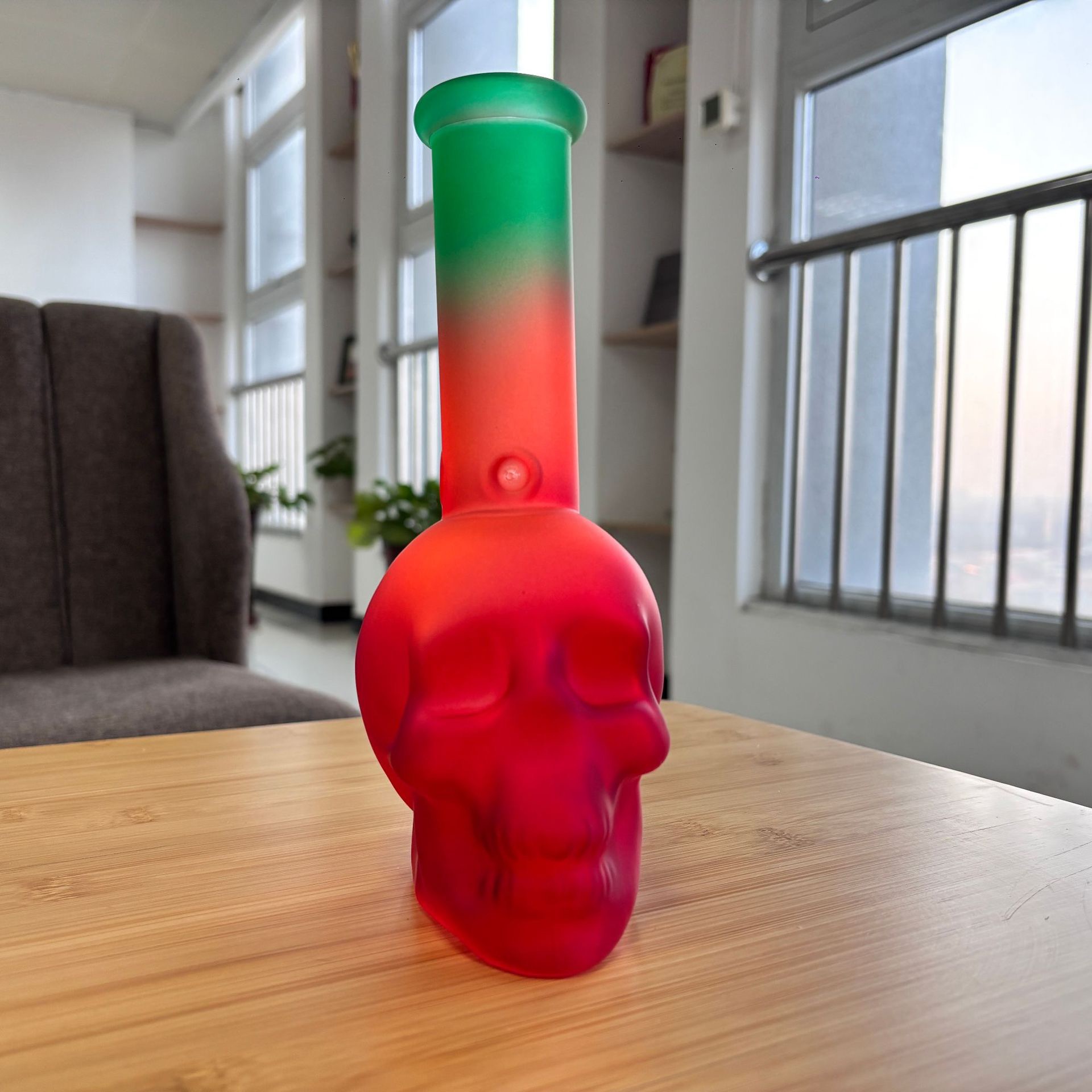
Treat 33 as the ceiling of the ceiling and plan against 25 to 28. Buyers who quote themselves on the theoretical number routinely discover, at the loading dock, that the last dozen cartons have nowhere to go — and a partly-loaded container costs the same to ship as a full one.
The Core Formula: Pieces per Container
Everything reduces to one division. Take the usable cubic volume of the container and divide it by the packed cubic volume of a single unit or a single master carton:
Pieces per container = Usable m³ ÷ Packed m³ per carton × Units per carton
The one number that matters most is the packed volume per carton — length × width × height of the master carton in meters. A carton measuring 60 × 40 × 45 cm is 0.60 × 0.40 × 0.45 = 0.108 cubic meters. Divide 28 usable cubic meters by 0.108 and you get about 259 cartons per 20ft container. Multiply by however many pieces live in each carton and you have your order ceiling.
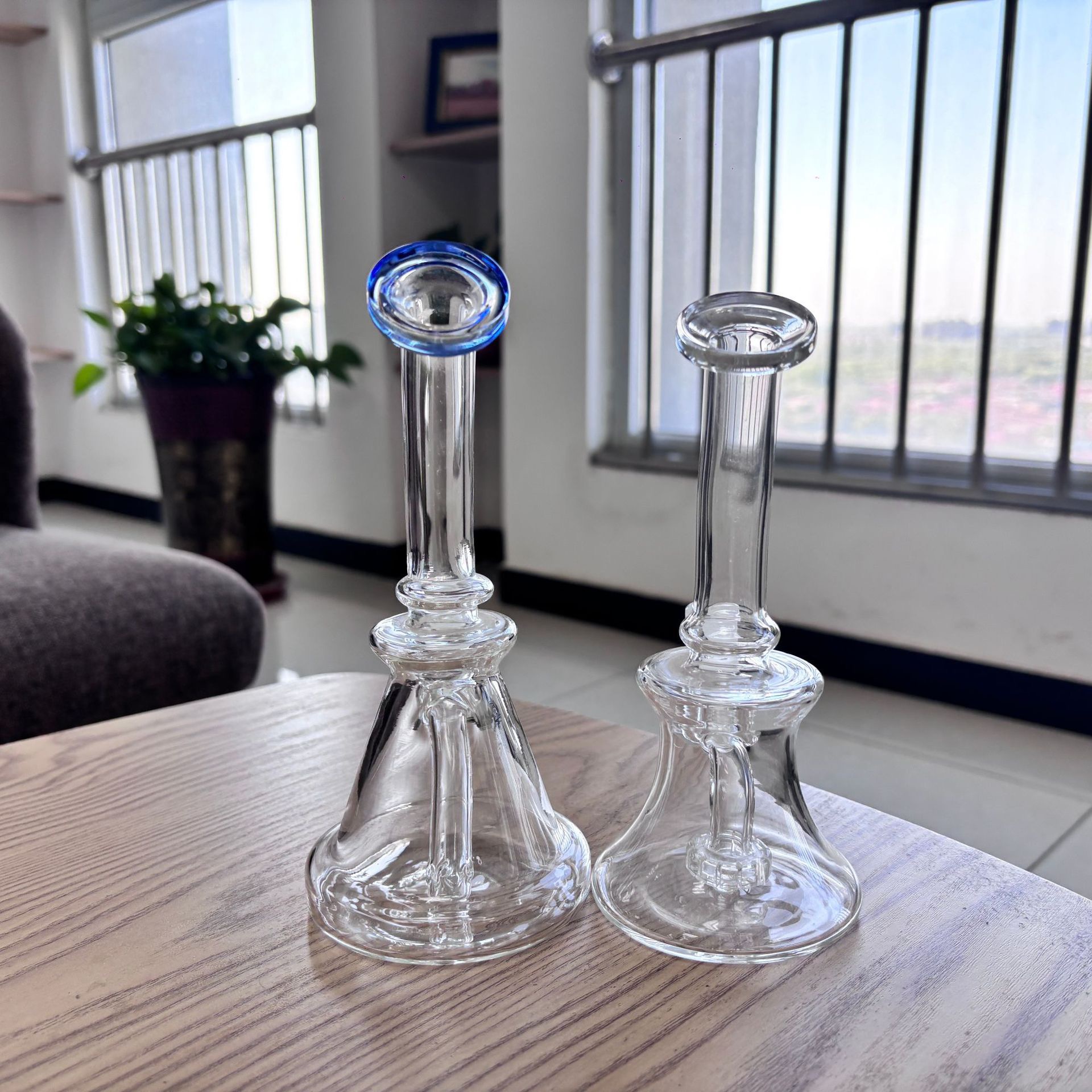
Two cautions keep the formula honest. First, measure the carton after packing, including foam, dividers, and the box walls — the naked product is smaller than what ships. Second, round down, not up. The container does not care about your decimal; if 259.3 cartons fit, 259 fit and the 0.3 stays on the dock.
Want a Loading Plan With Your Quote?
Tell us your product mix and target quantity, and Elfglass returns carton dimensions, cube per carton, and a container loading plan within 12 hours — so you know exactly what fits before you commit.
MOQ from 100 pieces | Cube sheet with every quote | Sampling in 1 to 3 days
Packing Density by Product Type
The single biggest driver of the count is what you are shipping, because product size and shape decide how much air travels with each piece. A 4-inch hand pipe nests into a molded foam tray with dozens per carton; a 14-inch beaker bong gets its own box and a great deal of protective air around it. Same container, wildly different totals.
| Product | Typical Packed Size | Illustrative Units / 20ft | Why |
|---|---|---|---|
| Hand pipes (3–4 in) | Foam tray, 50–100 per carton | 18,000 – 30,000+ | Small, dense, nest well |
| Dab rigs (4–7 in) | Boxed, 20–40 per carton | 5,000 – 9,000 | Fragile, need spacing |
| Straight water pipes (10 in) | Gift box, 6–12 per carton | 2,500 – 3,500 | Tall, boxed individually |
| Beaker / perc bongs (12–18 in) | Gift box, 4–8 per carton | 800 – 1,800 | Bulky, wide bases, more air |
Read those ranges as illustrative, not as promises. They assume typical master-carton sizes and standard protective packaging; your real number comes from plugging your own carton dimensions into the formula above. A supplier who hands you cube-per-carton with the quote — as we do — lets you verify the count yourself instead of taking a rounded estimate on faith. For the shipping timelines that go with a full container, see our sea shipping times from China guide.
The Packaging Capacity Tax
Packaging protects the product and consumes the container at the same time. This is the trade-off buyers feel least and pay for most: every extra centimeter of foam, every rigid gift box, every divot of molded pulp adds protection but subtracts pieces. Heavier packaging can quietly cut your per-container count by 20 to 40 percent — which means the same order needs more containers, or the same container carries fewer sellable units.
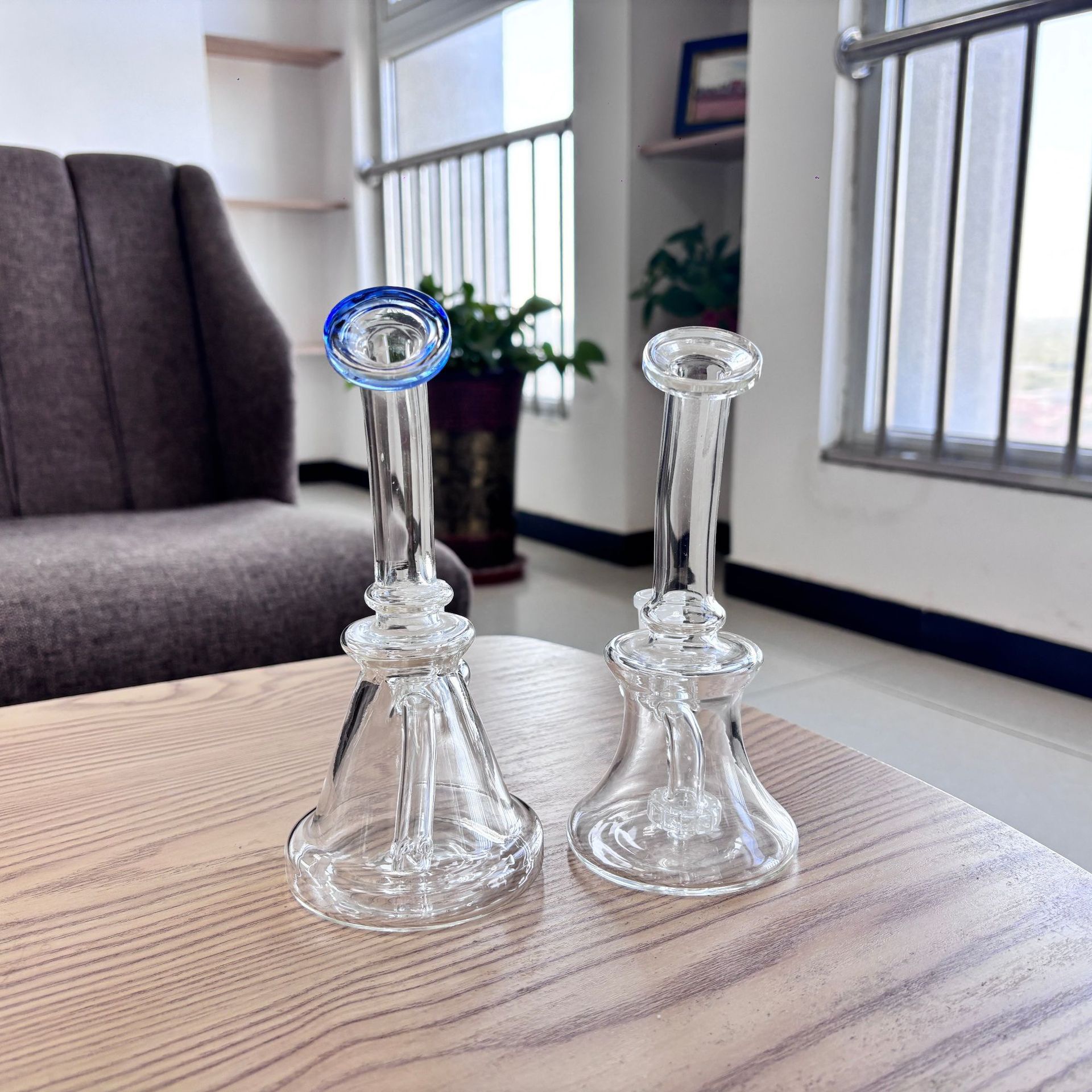
The answer is not to under-package glass; breakage costs far more than cube. The answer is to package to the product’s real fragility and no further. A sturdy hand pipe in a shared foam tray ships densely and safely; a tall beaker bong earns its own box. Our packaging methods ranked guide walks the protection-versus-volume trade-off, and the protective packaging guide covers what actually survives a transoceanic voyage. Right-sized packaging is where you win back cube without winning back breakage.
Floor-Loaded vs Palletized
You have two ways to put cartons into the box. Floor-loading means hand-stacking cartons wall to wall, loose. Palletizing means building stable pallet loads and forklifting them in. Floor-loading wins on raw capacity — no pallet footprint, cartons can go higher — but it is slower to load and unload, harder to secure, and rougher on the goods at both ends. Palletizing gives away roughly 10 to 15 percent of usable cube to the pallets themselves and the gaps between them.
For glass, that give-away is usually money well spent. Palletized loads forklift on and off in a fraction of the time, which means less handling, lower labor cost at destination, and dramatically fewer drops. A damaged pallet is easier to inspect and claim than a floor-loaded wall where breakage hides in the middle. Unless you are shipping very dense, very tough product and chasing maximum count, palletize. The hidden shipping costs guide shows how damage and slow unloading quietly erase the savings a floor-load promised.
A Worked Example
Numbers make it concrete. Suppose you import 10-inch straight water pipes, each in a gift box, packed 12 to a master carton measuring 60 × 40 × 45 cm. Here is the whole calculation, and note that every input is a real measurement you would take from your own carton — the output is only illustrative because the inputs are:
| Step | Value | Note |
|---|---|---|
| Usable container volume | 28 m³ | Practical, not the 33 theoretical |
| Carton packed volume | 0.60 × 0.40 × 0.45 = 0.108 m³ | Measured after packing |
| Cartons per container | 28 ÷ 0.108 ≈ 259 | Round down |
| Units per carton | 12 | Gift-boxed bongs |
| Units per 20ft container | 259 × 12 ≈ 3,100 | Illustrative total |
So roughly 3,100 boxed bongs per 20ft container on these inputs. Change one variable and the answer moves: swap to a denser hand pipe and the same container carries ten times the units; upgrade to thicker foam and larger boxes and it carries fewer. That sensitivity is exactly why you run the math before ordering — it tells you whether to consolidate SKUs, renegotiate packaging, or step up to a 40ft. For the cost side of that decision, our cost of importing from China guide turns container count into landed cost per unit.
One weight note to close the loop: a 20ft container is rated for a payload around 28,000 kg, and 3,100 boxed glass bongs come nowhere near it. With glass you will always run out of room before you run out of load capacity — which is why the cube, not the scale, is the number to plan around. If you are still sizing your first order rather than a full container, start with a 100-piece trial order and scale the math up from there.
Conclusion
How many glass pipes fit in a 20ft container is not a trivia question — it is the arithmetic that sets your order size, your landed cost per unit, and your freight efficiency. Take the usable volume (25 to 28 cubic meters, not the theoretical 33), divide by your real packed carton volume, multiply by units per carton, and round down. Then let product type, packaging, and the pallet decision move that number where they will.
Your loading cheat sheet:
| Decision | Rule of Thumb |
|---|---|
| Usable volume | Plan on 25–28 m³, not the 33 m³ theoretical |
| Core formula | Usable m³ ÷ packed carton m³ × units per carton |
| Measure what | The packed carton, not the bare product |
| Volume vs weight | Glass is volume-limited; you fill before you max payload |
| Palletize? | Yes for fragile/high-value glass — give 10–15% cube, save breakage |
| Rounding | Always down; the leftover carton stays on the dock |
Ready to fill a container efficiently? Request a quote with your product mix and target quantity, and we will return carton dimensions, cube per carton, and a container loading plan within 12 hours — the numbers you need to order with confidence.
How many glass pipes fit in a 20ft container?
It depends on the product and its packaging. A 20ft container offers about 33 cubic meters of internal volume and roughly 25 to 28 cubic meters you can realistically use. Small hand pipes can run into the tens of thousands; boxed 10-inch bongs typically land between 2,500 and 3,500 pieces.
Is a 20ft container weight-limited or volume-limited for glass?
Volume-limited, almost always. A 20ft container can carry around 28,000 kg of payload, but glass pipes fill the cube long before they come close to that weight, so you run out of space, not load capacity.
How many bongs fit in a 20ft container?
For individually gift-boxed 10-inch water pipes, plan on roughly 2,500 to 3,500 units as an illustrative range. Larger beaker or percolator bongs pack with more air around them, so the count drops toward the lower end.
Should I floor-load or palletize glass pipes?
Palletize for anything fragile or high-value. Pallets cost about 10 to 15 percent of usable cube but cut handling damage, speed loading and unloading, and make forklift work at both ends far safer.
How much of a container volume is actually usable?
Usually 75 to 85 percent of the theoretical internal volume. Irregular carton shapes, dunnage, stacking-height limits, and the space you leave near the doors eat the rest.
Ready to Start Your Custom Glass Pipe Project?
Get a free quote within 24 hours. MOQ from 100 pieces. NDA-protected design consultation.
