
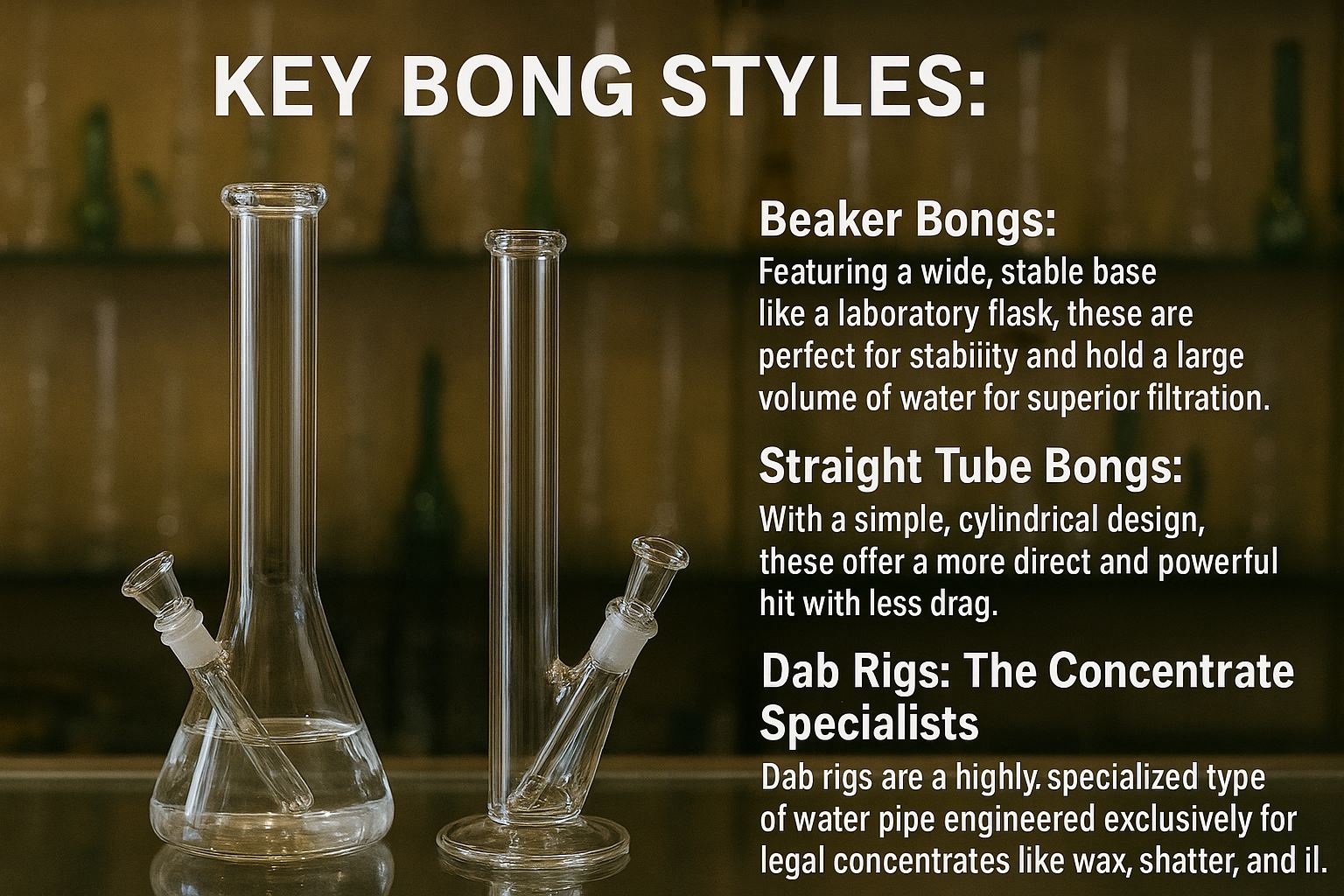
ISO 9001 is a quality management system standard, not a product certification. It does not certify that a glass pipe is thick, durable, or beautifully finished. It certifies that a factory documents its processes, records its inspections, and corrects errors through defined procedures. Many sourcing buyers treat the certificate as a blanket quality guarantee. That misreading produces bad decisions. For more context, see this glass pipe certifications glossary.
This explainer breaks down what ISO 9001 actually covers inside a glass pipe factory. It also shows where the standard’s authority stops. You will learn how the audit cycle works, how ISO 9001 differs from BSCI and WRAP, and how to verify any certificate a supplier shows you.
- ISO 9001 certifies the quality management system, never the glass product itself.
- The standard covers documented processes, inspection records, supplier qualification, and corrective action.
- Certified factories face annual surveillance audits and full recertification every three years.
- Only certificates issued by accredited certification bodies can be independently verified.
- ISO 9001, BSCI, and WRAP each answer a different sourcing question.
- A certificate without a traceable number and scope deserves zero trust.
- What ISO 9001 Actually Certifies and What It Doesn’t
- How ISO 9001 Applies Specifically to Glass Pipe Manufacturing
- What ISO 9001 Means for You as a Glass Pipe Buyer
- The Audit Process: How a Glass Factory Gets ISO 9001
- ISO 9001 vs BSCI vs WRAP: Different Certifications Different Purposes
- Red Flags: When a Factory Claims ISO 9001 But
- How to Verify ISO 9001 Certification
- FAQ
What ISO 9001 Actually Certifies and What It Doesn’t
ISO 9001:2015 is the current edition of the standard, published by the International Organization for Standardization. It specifies requirements for a quality management system, commonly shortened to QMS. The standard contains ten clauses covering leadership, planning, support, operation, performance evaluation, and improvement.
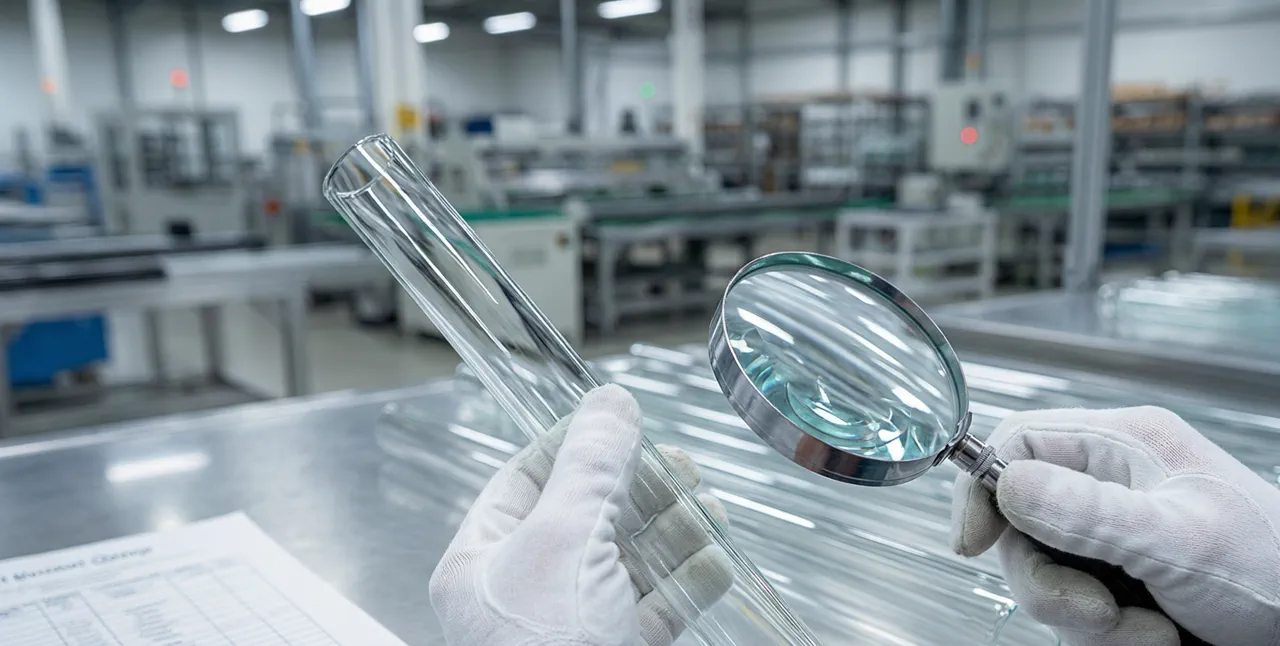
When a glass factory earns ISO 9001, an independent certification body has confirmed one thing. The factory runs a documented system for managing quality. Auditors check whether the factory does what its own procedures say it does.
The standard does not test products. An auditor never picks up a water pipe and judges its percolation. Certification survives or dies on processes, records, and corrective action, not on the beauty of any single piece.
Think of it as a driver’s license rather than a race trophy. A license proves the driver passed a tested system. It does not guarantee safe driving on every trip. A certified factory can still ship mediocre product if its documented system tolerates mediocre output.
The split below summarizes the boundary every buyer should memorize. Certification covers the system that makes the product. It never covers the product’s market appeal or its price.
| What ISO 9001 covers | What ISO 9001 does not cover |
|---|---|
| Documented production processes | Product quality guarantees |
| Inspection and testing records | Glass thickness or durability |
| Corrective action procedures | Design or aesthetic appeal |
| Supplier evaluation and qualification | Price competitiveness |
| Training and competence records | Specific product specifications |
| Internal audit programs | Import regulation compliance |
| Customer complaint handling | Social or labor practices |
Why does this boundary matter in practice? Say a container arrives with cracked joints. ISO 9001 gives you no automatic refund and no claim against the certificate itself. What it hands you is a documented trail: batch number, furnace run, inspector sign-off. That trail turns a dispute into a solvable problem instead of a shouting match.
How ISO 9001 Applies Specifically to Glass Pipe Manufacturing
Glass pipe production has specific control points where QMS discipline shows up. The standard stays generic, but factories adapt it to torchwork, kilns, and dimensional tolerances. Here is how the clauses land on a real borosilicate production floor.
Everything starts with incoming raw material. Certified factories qualify their glass tube suppliers before ordering 3.3 borosilicate stock. The factory logs each delivery against specifications like expansion coefficient and diameter. Supplier qualification is a hard ISO 9001 requirement, not a courtesy.
Batch recipes matter next. When colored glass or special tube sizes enter production, the recipe and parameters go into controlled records. If a color shifts between runs, the factory can trace which batch and which rod lot caused it.
Annealing is the control point buyers most often ignore. Glass pipes must cool through a defined kiln curve to release internal stress. A certified factory documents that curve and records each annealing run. Skip the discipline, and stress stays locked inside the glass.
The consequence is ugly and avoidable. A batch of bangers can pass final inspection looking perfect, then crack days later in a cold warehouse. Annealing records are exactly the evidence that shows where the failure happened.
Dimensional checks close the loop. Joint sizes like 14mm and 18mm, wall thickness, and percolator fit all get measured against documented tolerances. Inspection records show who checked, what they measured, and what happened to rejected pieces.
Rejected pieces get their own procedure. A cracked bowl or an out-of-tolerance joint goes into quarantine, gets logged, and feeds a monthly defect analysis. The factory decides corrective action from data, not memory. That paperwork trail is the part buyers rarely see and always benefit from.
What ISO 9001 Means for You as a Glass Pipe Buyer
For a buyer, the practical value of ISO 9001 is consistency between orders. The certificate does not make a factory cheap or creative. It makes the factory predictable, and predictability is what repeat wholesale business runs on.
Consider a reorder scenario. You reorder 500 units of the same water pipe six months after the first shipment. At an uncertified workshop, glass color, wall thickness, and percolator pull can all drift between runs. At a certified factory, the batch recipe and forming parameters live in controlled documents. The second run matches the first because the process behind it is frozen and versioned.
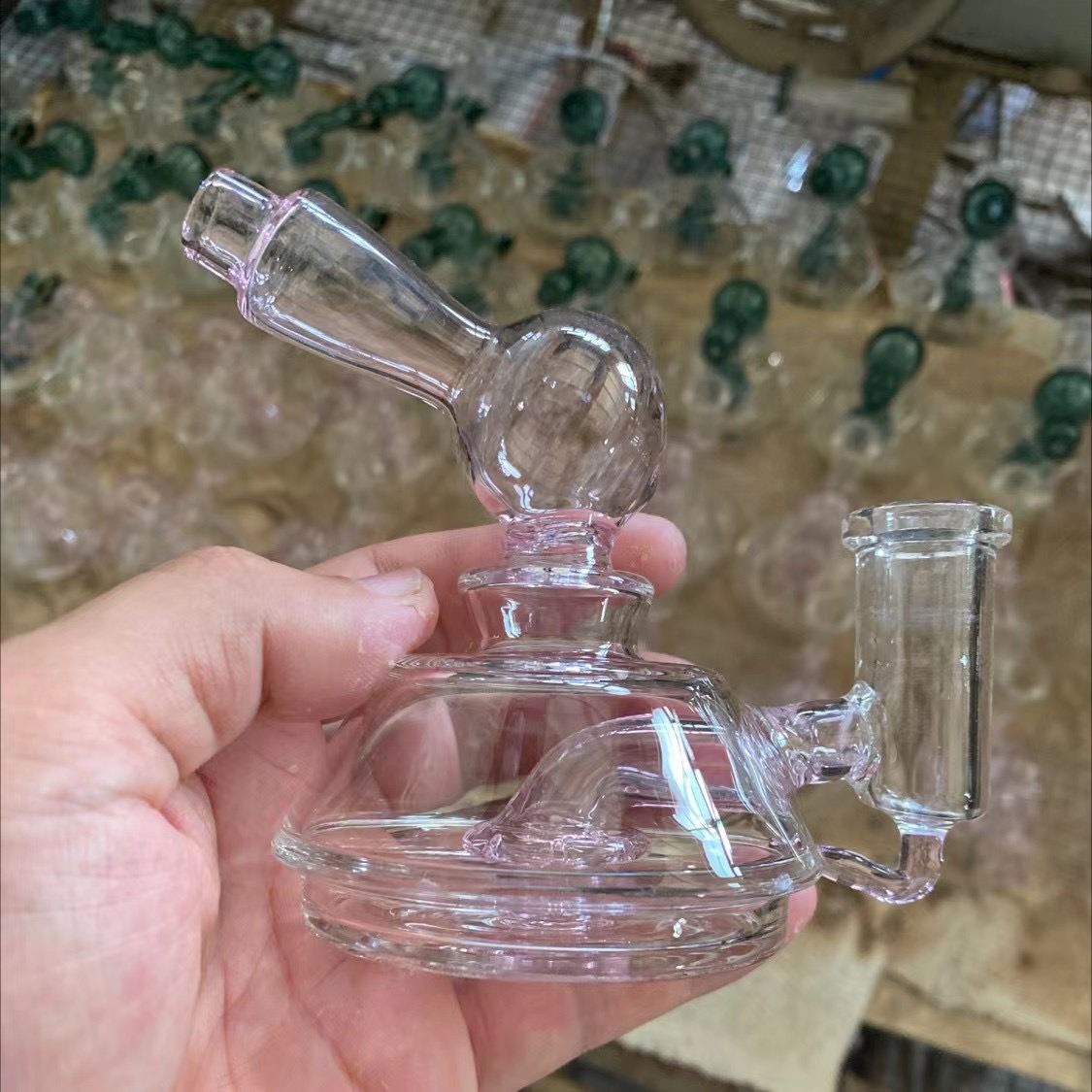
Traceability also changes how disputes resolve. When something fails, you ask for the batch record instead of arguing from memory. Complaints become data points that feed corrective action, the ISO 9001 term for fixing root causes rather than symptoms.
If you are sourcing wholesale water pipes, treat certification as your first filter, not your last step. It narrows the field to factories that can document what they do. You still inspect samples, negotiate terms, and verify capacity yourself.
Process discipline also shapes the terms you can negotiate. A factory with controlled records can hold a 100-piece MOQ per SKU, cut sampling to one to three days, and keep bulk orders inside a seven-to-twelve-day window. Payment splits like 30 percent deposit and 70 percent before shipment run smoother when the factory can prove each milestone in writing. These are operating habits, and a live QMS is where they come from.
Those lead-time habits matter most ahead of the Q4 rush. When containers compete for space and port congestion builds, a factory that sticks to its documented schedule is the one that keeps your peak-season shipping plan intact.
Here is the opinionated version. ISO 9001 is a sieve, not a trophy. Factories that keep a certificate for years treat documentation as normal work. Factories that buy a certificate treat audits as theater, and theater rarely survives your first real order dispute.
Source from an ISO 9001 Certified Glass Pipe Manufacturer
Elfglass holds ISO 9001, BSCI, and WRAP certifications. Quality management is built into every order.
MOQ 100 per SKU | Sampling 1-3 days | Full traceability
The Audit Process: How a Glass Factory Gets ISO 9001
Certification follows a fixed sequence, and knowing it helps you interrogate suppliers. A factory cannot buy genuine ISO 9001 overnight. The path runs through implementation, internal checks, external audits, and years of surveillance.
Stage one is implementation. The factory builds its QMS: procedures for production, inspection, purchasing, complaints, and corrective action. Staff get trained, and records start accumulating. This phase typically takes several months of real work.
Stage two is the internal audit. The factory audits itself against the standard and documents every finding. Management reviews the results and closes gaps. Only then does the factory invite an external certification body.
Stage three splits into two external audits. The stage 1 audit reviews documentation readiness. The stage 2 audit walks the factory floor and checks whether practice matches paper. Passing both earns the certificate, valid for three years.
The cycle does not end there. Annual surveillance audits check the system every year. At the end of year three, the factory goes through full recertification. A supplier claiming a decade of certification should show evidence of every surveillance step along the way.
One detail separates real certificates from wallpaper. The certification body itself must be accredited by a national accreditation body that belongs to the International Accreditation Forum, known as IAF. Without that chain, the certificate is untraceable.
| Stage | What happens | Typical duration |
|---|---|---|
| 1. QMS implementation | Build procedures, train staff, accumulate records | 3-6 months |
| 2. Internal audit | Self-audit against standard, close gaps | 2-4 weeks |
| 3. Stage 1 external audit | Documentation readiness review | 1-2 days |
| 4. Stage 2 external audit | Floor walk, practice vs paper check | 2-5 days |
| 5. Surveillance (annual) | Ongoing system check each year | 1-2 days per visit |
| 6. Recertification | Full re-audit at year 3 | Same as stages 3-4 |
Ship-Ready Compliance Documentation
Elfglass supplies the material declarations, certifications, and export paperwork your customs broker needs for the US, UK, EU, Canada, and Australia. Ask us which documents accompany your order before you buy.
MOQ from 100 pieces | BSCI / WRAP / ISO 9001 | NDA before every project
ISO 9001 vs BSCI vs WRAP: Different Certifications Different Purposes
Buyers routinely mix these three certifications together, but they cover entirely different ground. ISO 9001 looks at quality management. BSCI examines social compliance: labor conditions, wages, and safety. WRAP certifies lawful and humane production practices. Sending the wrong certificate to answer the wrong question wastes everyone’s time.
| Certification | What it audits | Core focus | Buyer takeaway |
|---|---|---|---|
| ISO 9001 | Quality management system | Processes, records, corrective action | Consistent, traceable production |
| BSCI | Social compliance | Wages, hours, safety, labor rights | Ethical sourcing for EU retail |
| WRAP | Lawful, humane production | Facility practices, customs compliance | Retail and import compliance |
How do they interact in practice? A European retailer may require BSCI for its supplier code of conduct. A US retail chain may ask for WRAP. A retailer importing glass pipes into the UK may request ISO 9001 alongside a social audit. None of those social audits says anything about whether the factory holds its dimensional tolerances. Only ISO 9001 addresses that question.
Factories that hold all three, like Elfglass, have submitted to three different audit regimes. Elfglass has run borosilicate production since 2010 with a team of 20 in a 1,000 square meter facility. Three live certificates on top of that operation is a signal worth weighing.
Read side by side, the split is clean. ISO 9001 answers one question: does this factory manage quality consistently? BSCI answers another: does it treat workers fairly? WRAP answers a third: is production lawful and humane? Buyers who understand the split stop asking one certificate to do three jobs.
Red Flags: When a Factory Claims ISO 9001 But
Certificate claims fail in predictable patterns. After enough supplier conversations, the red flags start rhyming. Watch for these.
Red flag one: no accreditation chain. The certificate shows a body you cannot find in any IAF member registry. That piece of paper may be decorative, not certified.
Red flag two: scope mismatch. The certificate lists trading or sales activities, but the supplier presents it as factory certification. Trading companies can hold ISO 9001 too, and their scope says so. A manufacturing claim needs a manufacturing scope.
Red flag three: no certificate number, or refusal to share it. Real certificates carry unique, traceable identifiers. A supplier who cannot produce a number cannot produce proof.
Red flag four: suspicious speed. Genuine certification takes months of implementation before the first external audit. A factory that appeared last month with a certificate claiming years of audit history deserves hard questions.
Red flag five: the recycled PDF. The same certificate file shows up from multiple suppliers, sometimes with a different name pasted over the original. Ask for the original document and check the company name, address, and scope character by character.
The insider warning is simple. Certificate mills sell official-looking PDFs with no audit behind them. They cost little and convince nobody who checks. If a supplier cannot name its certification body out loud, stop the negotiation.
| Red flag | What to check | Action |
|---|---|---|
| No IAF accreditation chain | Search iaf.org member directory | Reject certificate |
| Scope says trading, not manufacturing | Read scope statement word by word | Ask for factory certificate |
| No certificate number provided | Request written certificate copy | Treat as unverified |
| Certificate appeared suspiciously fast | Cross-check issue date vs claim | Request audit history |
| Recycled PDF from another supplier | Compare company name and address | Demand original document |
How to Verify ISO 9001 Certification
Verification takes an afternoon and requires no special access. Work through the steps in order. Each one filters out a different class of fake.
Step one: request the certificate copy. Record the certificate number, the certification body, the scope statement, and the validity dates. A vague scan of a wall plaque does not count.
Step two: check the accreditation chain. Find which accreditation body accredited the certification body, and confirm that body belongs to IAF. UKAS, ANAB, and CNAS are examples.
Step three: search the registry. Most certification bodies run a public certificate lookup. Enter the number and confirm the holder, scope, and status match what the supplier sent.
Step four: match scope to product and place. The scope should name borosilicate glass production, not generic trading. The certified address should match the production site you are buying from.
Step five: ask for surveillance evidence. A factory in good standing can show records from its annual surveillance audits. During a video walkthrough, ask to see the original certificate on camera.
| Step | Action | Pass criteria |
|---|---|---|
| 1 | Get certificate copy | Number, body, scope, dates visible |
| 2 | Check IAF accreditation | Body listed under IAF member |
| 3 | Search public registry | Holder, scope, status match |
| 4 | Match scope to product | Names glass manufacturing, not trading |
| 5 | Request surveillance records | Annual audit reports available |
If you want to see the process from the factory side, request a real certificate package. Then test every claim in this guide against it. Elfglass answers verification requests through the contact page, with certificate details and scope documents available on request.
One final recap, side by side. ISO 9001 verifies how a factory manages quality. BSCI verifies how it treats people. WRAP verifies lawful, humane production. Ask for the certificate that answers your actual question, then verify it like an auditor would.
FAQ
Does ISO 9001 certification mean the glass pipes are high quality?
No. ISO 9001 certifies the quality management system, not the product. A certified factory follows documented processes and tracks defects. Product quality still depends on the specifications you agree on and the inspection you perform.
Can a trading company hold ISO 9001?
Yes. Trading companies can hold ISO 9001 for their commercial processes. That certificate does not cover factory production. Ask for the factory’s own certificate and check that its scope names manufacturing.
How long does ISO 9001 certification remain valid?
Certificates are valid for three years. During that period the factory undergoes annual surveillance audits. Full recertification happens at the end of each three-year cycle.
What if a factory claims ISO 9001 but cannot share the certificate number?
Treat the claim as unverified. Legitimate certificates carry unique numbers that trace back through the certification body’s registry. Without a number, you cannot confirm anything.
Is ISO 9001 required to import glass pipes from China?
No. Import regulations do not mandate ISO 9001 for glass pipes. Buyers use it as a risk filter. Certification lowers process risk, but it never replaces product inspection or import compliance checks.
Frequently Asked Questions
Does ISO 9001 certification mean the glass pipes are high quality?
No. ISO 9001 certifies the quality management system, not the product. A certified factory follows documented processes and tracks defects. Product quality still depends on the specifications you agree on and the inspection you perform.
Can a trading company hold ISO 9001?
Yes. Trading companies can hold ISO 9001 for their commercial processes. That certificate does not cover factory production. Ask for the factory’s own certificate and check that its scope names manufacturing.
How long does ISO 9001 certification remain valid?
Certificates are valid for three years. During that period the factory undergoes annual surveillance audits. Full recertification happens at the end of each three-year cycle.
What if a factory claims ISO 9001 but cannot share the certificate number?
Treat the claim as unverified. Legitimate certificates carry unique numbers that trace back through the certification body’s registry. Without a number, you cannot confirm anything.
Is ISO 9001 required to import glass pipes from China?
No. Import regulations do not mandate ISO 9001 for glass pipes. Buyers use it as a risk filter. Certification lowers process risk, but it never replaces product inspection or import compliance checks.
Get a Quote for Your Next Order
Need documentation you can verify? with ISO 9001 records you can verify before you commit? Explore our wholesale water pipe ranges — or send your product spec and target quantity to our factory team or message us on WhatsApp, and we will reply with pricing and lead times within 24 hours.
About the Author
Ava Zeng is the founder of Elfglass, a Shenzhen-based borosilicate glass pipe manufacturer serving B2B brands worldwide. Every guide on this site is grounded in her production-floor experience— the annealing lines, QC checkpoints, and export orders behind each claim.
Before you commit to a supplier, read her founder’s story and trust promise, and the guide to vetting a reliable glass pipe manufacturer— the same red-flag checklist Elfglass applies to its own suppliers.
Quality-system scope is defined in the ISO 9001 standard, which specifies requirements for a quality management system in manufacturing.
Ready to Source Custom Glass Pipes?
Get a free quote within 24 hours. MOQ from 100 pieces. NDA-protected design consultation.
