
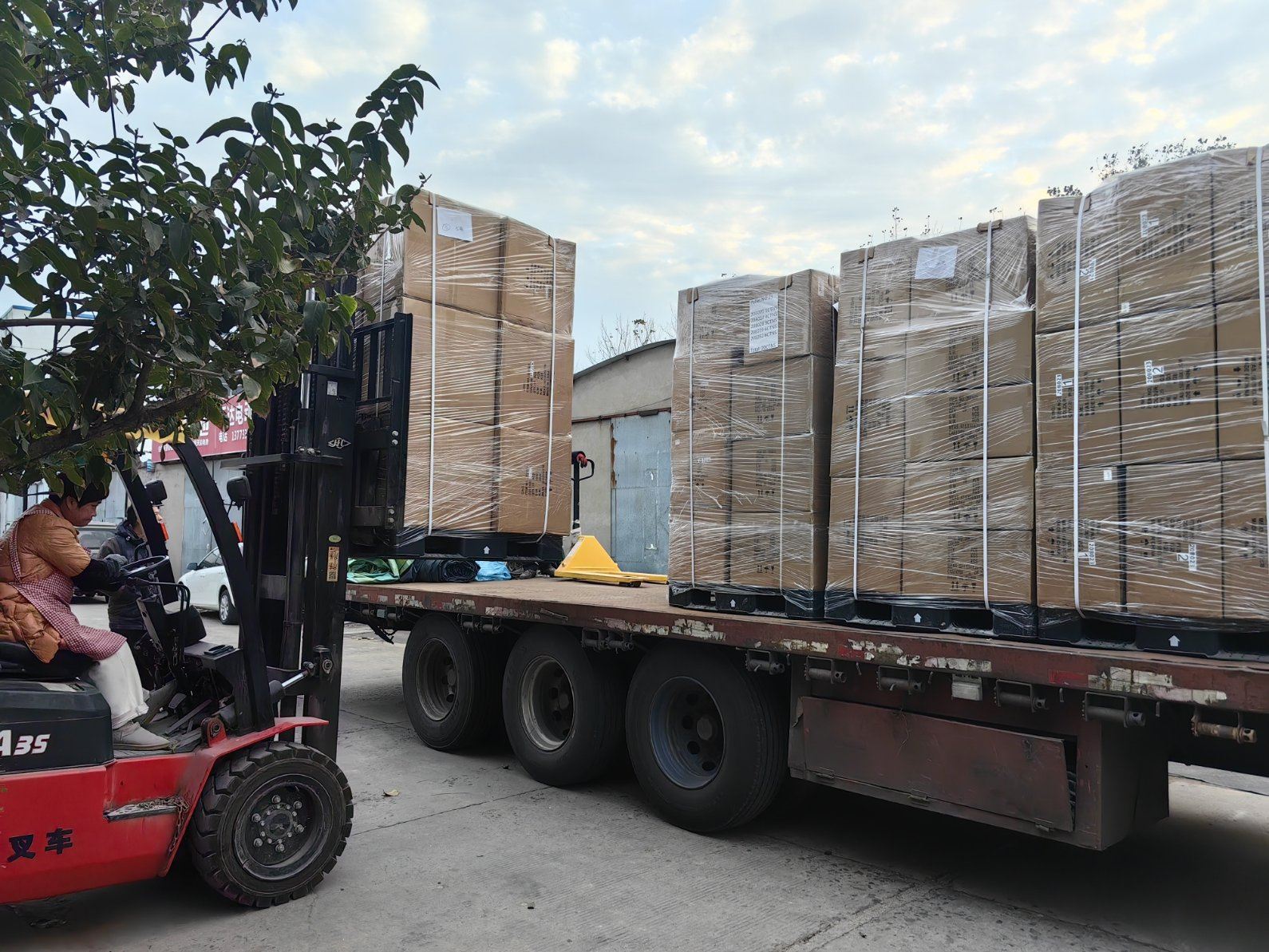
Every wholesale buyer faces the same moment: you’ve received your sample, tested it, and now you need to decide whether to place a full production order. The gap between ordering one piece and committing to 1,000 units feels enormous, but the process is far more predictable than most first-time buyers assume. Understanding how to move from sample to scaled production—without sacrificing quality or blowing your budget—separates operators who build reliable supply chains from those who constantly chase problems.
At Elfglass, we’ve guided hundreds of buyers through this exact transition. The difference between a smooth scale-up and a costly mistake often comes down to three things: evaluating your sample correctly, understanding production constraints, and knowing when to pull the trigger on volume. This guide walks through each step with the specificity you need to make confident decisions.
Why Test Orders Protect Your Investment
A test order isn’t just a sample—it’s your risk mitigation strategy. When you’re sourcing glass pipes wholesale, you’re committing to a product that needs to meet specific quality standards, fit your brand positioning, and satisfy your end customers. Ordering a sample first lets you verify all three before you’ve spent significant capital.
Consider what happens when buyers skip this step. They place large orders based on photos and specifications, only to discover that the glass thickness doesn’t match their expectations, the joints don’t seal properly, or the percolator diffusion isn’t what they envisioned. By then, they’re stuck with inventory that doesn’t meet their standards, or they’ve wasted weeks negotiating returns and replacements.
A sample order costs a fraction of a production run, but it gives you concrete data: actual weight, real-world durability, functional performance, and visual accuracy. You can test the piece yourself, send it to focus customers, or compare it directly against competitors’ products. That information is worth far more than the sample cost.
Evaluating Sample Quality Before Scaling
When your sample arrives, don’t just glance at it and move on. Conduct a systematic evaluation across four dimensions: materials, construction, function, and finish.
Materials verification starts with confirming the glass type. Borosilicate glass should feel substantial, resist thermal shock, and show no signs of devitrification (that cloudy appearance that indicates poor annealing). Check the walls for consistent thickness—run your finger along the piece and feel for thin spots or uneven weight distribution.
Construction quality shows up in the joints. Ground joints should be smooth, not sharp. Female joints should accept male connectors with a slight twist, not require force or wobble loosely. If the piece has a downstem, test the fit repeatedly. Loose joints mean air leaks, which destroy function.
Functional testing matters most for water pipes and dab rigs. Fill the piece and run it through its intended use. Does the water flow properly through the percolator? Is there splashback? Does the carb cap sit flat on a banger? These aren’t cosmetic issues—they’re the difference between a product your customers love and one that generates returns.
Finish evaluation covers both aesthetics and durability. Check for bubbles, streaks, or color inconsistencies in colored glass. For printed or sandblasted designs, test whether they survive light abrasion. If you’re planning to scale wholesale order quantities based on pricing factors, you need confidence that the finish holds up across hundreds of units, not just one sample.
When to Commit to Full Production
The decision to move from sample to production isn’t binary. You’re not choosing between “perfect” and “good enough.” You’re deciding whether the sample meets your minimum viable standards for the market you’re serving.
If you’re selling to head shops that carry premium brands, your standards will be higher than if you’re supplying convenience stores with budget-friendly pieces. Define your quality floor before you evaluate the sample. What defects are unacceptable? What performance benchmarks must the piece hit? Write these down so you’re making objective decisions, not emotional ones.
Timing also matters. If you’re launching a new product line for spring, you need to account for production time plus shipping. A sample that takes three days to produce, followed by a 1,000-unit order that takes 10 days, plus international shipping, means you’re looking at 4-6 weeks minimum. Plan backward from your launch date.
Market validation plays a role too. If you’ve shown the sample to potential customers and received positive feedback, you have confidence that demand exists. If you’re testing a completely new design with no market precedent, consider starting with a smaller production run—perhaps 300-500 units—to validate demand before committing to 1,000 or more.
Transparent Tiered Pricing and Flexible MOQ
Elfglass publishes volume tiers, explains every cost driver, and works with first-time buyers on realistic minimums and safe payment terms. Tell us your target quantity and we will quote a tier that protects your margin.
MOQ from 100 pieces | BSCI / WRAP / ISO 9001 | NDA before every project
Understanding MOQ and Production Timelines
Minimum order quantities exist because production setup costs are real. For custom designs, the factory needs to create molds, calibrate equipment, and train workers on your specific piece. That setup takes time and money, which is why understanding why identical glass pipes have different prices matters when you’re calculating unit costs at various volumes.
At Elfglass, our MOQ is 100 pieces per design or SKU. This threshold balances the factory’s need to amortize setup costs against the buyer’s need to test market response without overcommitting. If you’re ordering multiple designs, each one carries its own 100-piece minimum, but you can combine them in a single production run. Most scaling orders settle by wire transfer, the modern form of the telegraphic transfer documented in banking references, typically split as a deposit before production and a balance before shipment.
| Order Stage | Timeline | Purpose |
|---|---|---|
| Sample Production | 1-3 days | Quality verification, functional testing |
| Production (100+ pieces) | 7-12 days | Full order fulfillment |
| Quality Control | 1-2 days | Final inspection before shipment |
| Shipping | 5-30 days | Depends on method and destination |
Production timelines depend on complexity and volume. A simple hand pipe with no custom coloring might move through production in seven days. A complex water pipe with multiple percolators, custom color work, and branded packaging could take the full 12 days. Our 1,000 sqm facility in Shenzhen produces 10,000 pieces monthly across our 20-person team, so capacity is rarely the bottleneck—planning is.
Maintaining Quality Consistency Across Units
The fear that haunts every wholesale buyer: the sample was great, but will the production run match it? This concern is legitimate, because consistency is where many factories fail. Handmade glass pipes introduce natural variation, but that variation should fall within acceptable tolerances, not swing wildly from unit to unit.
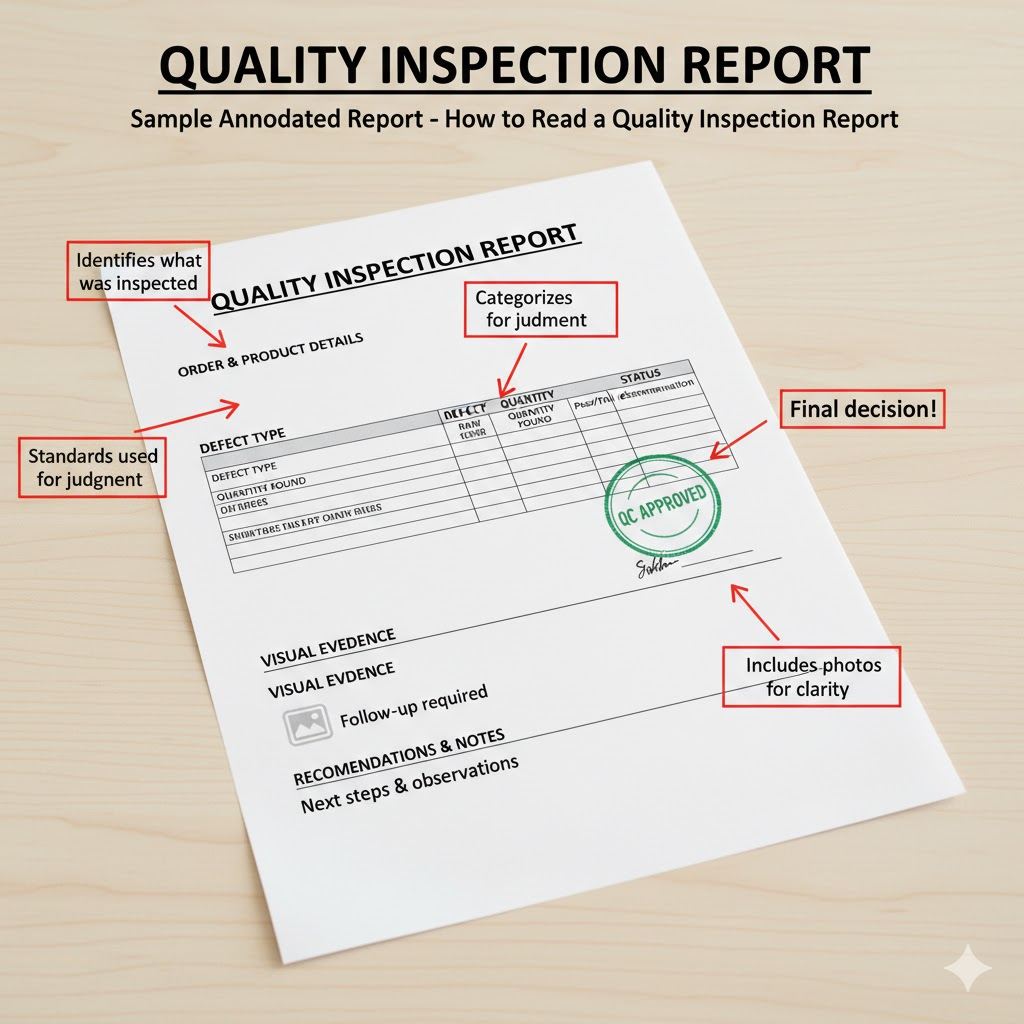
Consistency starts with documented specifications. When you approve a sample, you’re not just saying “this looks good.” You’re establishing the baseline for weight, dimensions, joint angles, percolator placement, and color saturation. Production workers reference that approved sample throughout the run, comparing each piece against it.
Our production process includes multiple quality checkpoints. Raw materials are inspected when they arrive. Semi-finished pieces are checked during production. Final pieces undergo inspection before packaging. This layered approach catches problems early, when they’re easier to fix, rather than discovering defects after 500 units are complete.
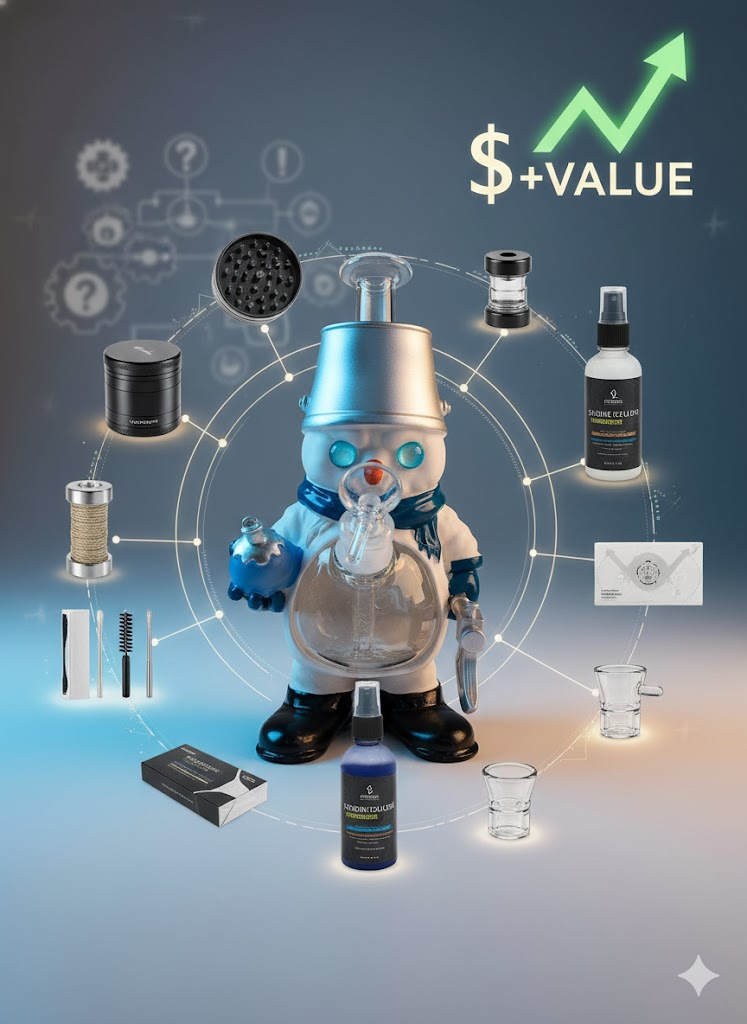
For buyers who need absolute consistency, custom molds provide the highest level of control. When you invest in a custom mold, that mold is exclusive to your order. No other buyer can use it, and every piece produced from that mold will have identical dimensions. The mold cost is a one-time investment that pays dividends across multiple production runs.
Payment Terms and First-Time Buyer Tips
Payment structure protects both buyer and seller. Our standard terms require 30% deposit via T/T (telegraphic transfer) to begin production, with the remaining 70% due before shipment. This arrangement ensures the factory can cover material costs and labor while giving the buyer leverage to verify quality before final payment.
First-time buyers often ask whether they can pay after receiving goods. The answer is no, because the factory has already invested materials, labor, and time. The 30/70 split is the industry standard for good reason: it balances risk between both parties.
If you’re preparing to scale wholesale order quantities for water pipes or any other category, here are practical tips that will save you time and money:
Start with your best-selling design. Don’t use your first order to test five different products. Pick the one with the strongest market signal, prove the supply chain works, then expand.
Order slightly more than you think you need. If you forecast selling 400 units in three months, order 500. The marginal cost per unit drops at higher quantities, and you avoid the situation where you sell out and need to wait another 10 days for restocking.
Communicate your timeline clearly. If you need products by a specific date for a trade show or seasonal launch, tell the factory upfront. Production schedules fill up, and last-minute rush orders often incur premium charges.
Inspect immediately upon receipt. Don’t wait three months to open boxes and check pieces. Most suppliers have a window (typically 7-14 days) for reporting defects. If you wait longer, you lose leverage.
Build the relationship. Suppliers remember buyers who communicate clearly, pay on time, and provide constructive feedback. That relationship capital matters when you need flexibility on timelines or want priority scheduling for rush orders. When you’re ready to discuss your first scaled order, reach out to the Elfglass team to get started.
For a detailed comparison, see our guide on trade shows vs online sourcing for glass pipes.
Frequently Asked Questions About Scaling Wholesale Orders
How do I know if my sample quality matches what I’ll receive in bulk?
The approved sample becomes your quality baseline. Production pieces should match that sample within normal handmade variation—typically 2-3mm in dimensions, slight color batch differences, and minor weight variance. If you need tighter tolerances, invest in a custom mold, which eliminates dimensional variation entirely. Request photos of production pieces at various stages if you can’t visit the factory in person.
What’s the realistic timeline from sample approval to receiving my order?
Sample production takes 1-3 days. Once you approve the sample and pay the deposit, production runs 7-12 days depending on complexity and quantity. Quality control adds 1-2 days. Shipping varies dramatically by method: air freight takes 5-7 days, sea freight takes 25-35 days, and express courier takes 3-5 days. Total timeline from sample request to delivery typically falls between 4-8 weeks, with sea freight being the longest leg.
Can I order multiple designs if each is under 100 pieces?
Each design or SKU carries its own 100-piece minimum because each requires separate setup, molds, and production calibration. You can combine multiple designs in a single shipment, but each one must meet the 100-piece threshold independently. If you want to test three different water pipe designs, you’d order 100 of each, totaling 300 pieces.
What happens if I receive defective pieces in my production order?
Inspect all pieces within 7-14 days of receipt and document any defects with photos. Contact your supplier immediately with a detailed report. Reputable factories will either replace defective pieces in your next order or issue a credit. This is why the 70% final payment happens before shipment—you have the opportunity to inspect (or hire a third-party inspector) before releasing full payment.
Are custom molds really worth the investment for smaller orders?
Custom molds make sense when you plan multiple production runs of the same design, when dimensional consistency is critical for your market, or when your design includes complex features that are difficult to replicate by hand. The mold cost amortizes across every piece produced. If you order 100 pieces now and plan three more runs of 500 pieces each over the next year, the mold cost per piece becomes negligible. If you’re testing a completely new design with uncertain demand, start without a custom mold and add one once you’ve validated market fit.
About the Author
Ava Zeng is the founder of Elfglass, a Shenzhen-based borosilicate glass pipe manufacturer serving B2B brands worldwide. Every guide on this site is grounded in her production-floor experience— the annealing lines, QC checkpoints, and export orders behind each claim.
Before you commit to a supplier, read her founder’s story and trust promise, and the guide to vetting a reliable glass pipe manufacturer— the same red-flag checklist Elfglass applies to its own suppliers.
Scaling from sample to 1,000 units follows the manufacturing ramp model, where yield rates and cycle times are locked before volume tooling runs.
Ready to Source Custom Glass Pipes?
Get a free quote within 24 hours. MOQ from 100 pieces. NDA-protected design consultation.
