
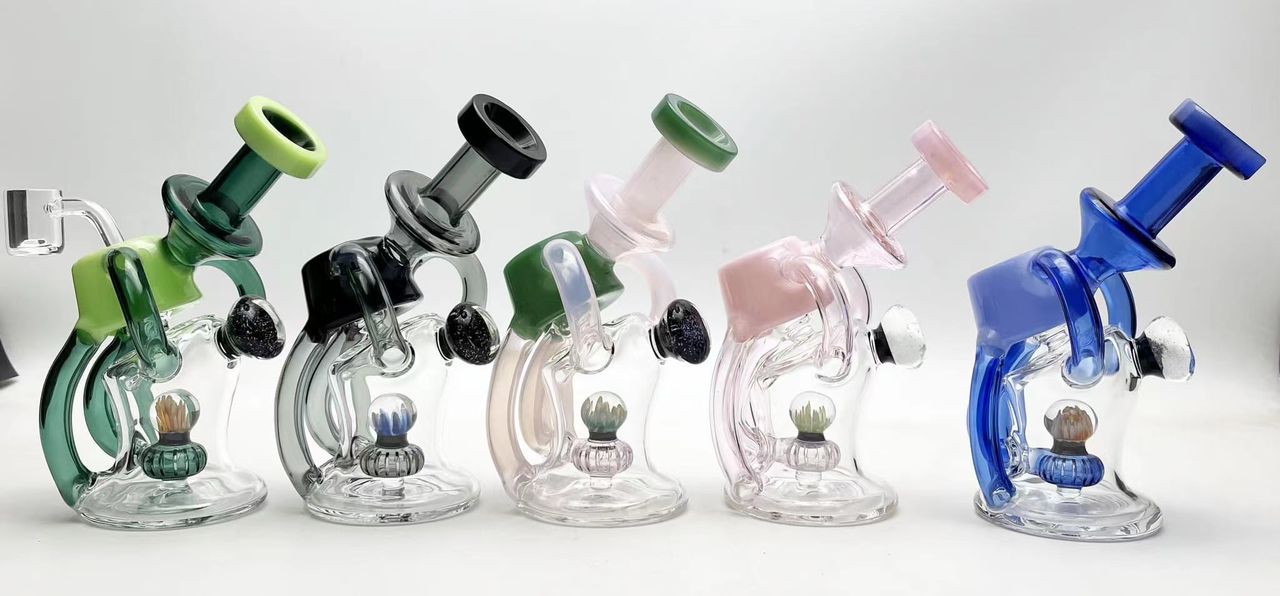

A smoke shop owner sits down with one open budget line and a supplier catalog. The sales rep pushing 14-inch beakers vs 7-inch minis: bigger ticket, fatter margin per unit. But last July, the 7-inch minis cleared the shelf in two weeks while the full-size rigs sat in the window. She splits the order down the middle and spends August wondering which half she got wrong.
That hesitation is normal. Size is the most fundamental assortment decision in water pipes, and most buyers still make it on instinct instead of evidence. The demand logic behind it is learnable in one sitting.
For guidance on which dimensions move fastest in each market, see this best-selling water pipe sizes breakdown.
This guide splits the category into three brackets. It compares performance and economics, profiles the buyer behind each size, and ends with a stocking checklist for your next purchase order. The goal is simple. Spend each wholesale dollar where it turns fastest.
Key Takeaways
- The trade splits into three brackets: mini (6-10 inches), mid-size (10-14 inches), and full-size (14 inches and up).
- More water means more diffusion. Full-size pipes hit smoother; minis win on convenience and portability.
- Minis turn faster, break less, and pack denser. Full-size pieces earn higher per-unit margin.
- Many shops anchor on mid-size and use minis and full-size pieces for tactical roles.
- Seasonality favors minis: travel and festival months lift small-size demand from late spring through summer.
- Elfglass applies MOQ 100 per SKU across all sizes, so testing a new bracket costs one line item.
The Size Spectrum: What Counts as Mini vs Full Size
Definitions first, because the industry does not police these labels. Measure a water pipe from the base to the rim of the mouthpiece and three brackets emerge. Mini runs 6 to 10 inches. Mid-size runs 10 to 14 inches. Full-size starts at 14 inches and climbs past 20 for display-grade pieces.
Terminology varies by supplier, and that is where buyers get burned. Some catalogs call an 8-inch piece a “travel bong.” Others lump 12-inch straight tubes in with the minis. When two factories quote you, confirm actual measurements instead of labels, or you will price two different products against each other.
| Category | Height Range | Common Styles | Typical Buyer | Verdict |
|---|---|---|---|---|
| Mini | 6-10 inches | Recyclers, straight tubes, pocket bongs | Travelers, first-time buyers | Volume engine — fast turnover |
| Mid-size | 10-14 inches | Beakers, straight tubes, single-perc builds | Regulars, gift buyers | Best all-round anchor |
| Full-size | 14 inches and up | Large beakers, multi-perc, display pieces | Home users, collectors | Margin builder, slower turn |
Our verdict: the middle bracket does the heavy lifting in most assortments. Minis and full-size pieces each serve a narrow job — portability at one end, performance and presence at the other. Treat the extremes as specialists rather than your core, and size every order that way.
Filtration and Performance: Does Size Actually Matter
Short answer: yes, and the physics is simple. Smoke cools and diffuses as it travels through water. A taller pipe holds more water and a longer diffusion path, so each draw passes more contact surface before reaching the mouthpiece. Bigger chambers also accept bigger percolators — tree, showerhead, and honeycomb designs that chop smoke into finer bubbles.
That is why a 16-inch beaker with a showerhead perc hits noticeably smoother than a 7-inch mini running the same perc. The full-size piece gives smoke more water and more time to work with. Smoothness is the most repeatable performance difference between the brackets.
Height is not the whole story, though. A well-designed mini with a good percolator and a correct water level outperforms a sloppy full-size pipe with poor airflow. Narrow necks can add drag, and water level matters more than raw height. Train staff to fill to the perc line, and half the performance complaints disappear. Our breakdown of percolator types compared covers how each design trades diffusion against drag.
The verdict here is clean. If your customer prioritizes smoothness above everything, sell full-size. If they prioritize convenience, sell the best-built mini you stock. Size sets the ceiling; build quality decides where the pipe lands below it.
Who Buys Mini Water Pipes: The Customer Profile
Four profiles drive most mini sales. The first is the traveler: festivals, road trips, camping weekends. A 7-inch pipe that fits a backpack beats a 15-inch beaker every time, and demand follows the calendar. Shops near tourist strips or festival routes watch mini sell-through jump from late spring through summer.
The second profile is the space-constrained user — dorm rooms, shared apartments, anyone who stores a pipe out of sight. For them, a small footprint is the product feature, not a compromise. The third is the first-time buyer, and the low retail price does the selling. Minis convert walk-ins into customers, which makes them a traffic builder before they are a profit center.
The fourth profile is the gift and impulse buyer. A mini sits comfortably near the register and rarely needs a pitch. Watch the operational side too: less glass means fewer transit breaks and more units per carton. Mini-heavy orders arrive dense and survive handling better, which quietly lowers your landed cost.
A fifth profile shows up in mature markets: the collector. These buyers already own a full-size piece at home and add a mini for variety or travel. They treat a new mini design the way other shoppers treat a new flavor — small ticket, low friction, frequent repeat purchases. That makes minis one of the few categories that earns both first-time and repeat demand.
Who Buys Full Size Water Pipes: The Customer Profile
Full-size buyers are fewer, and they spend differently. The core profile is the established home user upgrading. They already own a piece, they know what they want — a 14-inch beaker, a double-percolator straight tube — and they buy on features rather than price pressure. That makes the sales conversation shorter once you stock recognizable styles.
The second profile treats the pipe as a display object. A 20-inch statement piece anchors the back wall and lifts how the whole shop feels. Even when that one SKU sells slowly, it upgrades the perceived quality of everything next to it. Heady collectors play the same role at the top end of the range.
The tradeoffs are fragility and tied-up cash. Bigger glass breaks more easily in transit and at the counter, and each unit occupies more shelf space for more money. One full-size piece that sits for months costs more than five minis that turn weekly. Buy this bracket shallow, price it with confidence, and rotate designs when they gather dust.
Stock the Glass Pipes Your Customers Actually Buy
Elfglass produces the full wholesale catalog, from hand pipes and sherlocks to dab rigs, percolator bongs, and accessories, in proven best-selling specs. Tell us your market and we will recommend a catalog mix with pricing.
MOQ from 100 pieces | BSCI / WRAP / ISO 9001 | NDA before every project
Wholesale Economics: Size Cost and Margin Comparison
Now the part most consumer articles skip: what size does to your money. The two brackets sit on opposite sides of the same tradeoff. Minis win on capital efficiency. Full-size wins on per-unit earnings.
| Factor | Mini (6-10 inches) | Full-Size (14+ inches) | Edge Goes To |
|---|---|---|---|
| Unit cost | Lower per unit | Higher per unit | Mini — easier on cash |
| Retail ticket | Entry-level price point | Premium price point | Full-size — bigger sale |
| Per-unit margin | Smaller dollars per sale | Larger dollars per sale | Full-size |
| Sales velocity | Fast, impulse-driven | Slower, considered purchase | Mini |
| Breakage risk | Lower — small, packed dense | Higher — large, fragile | Mini |
| Units per carton | More — denser shipments | Fewer — bulky packing | Mini |
| Shelf footprint | Small — many per meter | Large — one statement slot | Depends on your wall |
Read the table as a pair of tradeoffs, not a scoreboard. A mini order stretches your budget further, turns faster, and survives shipping better. A full-size order concentrates margin into fewer units and ties up more cash while they wait. The failure mode is picking one bracket and hoping it does the other’s job.
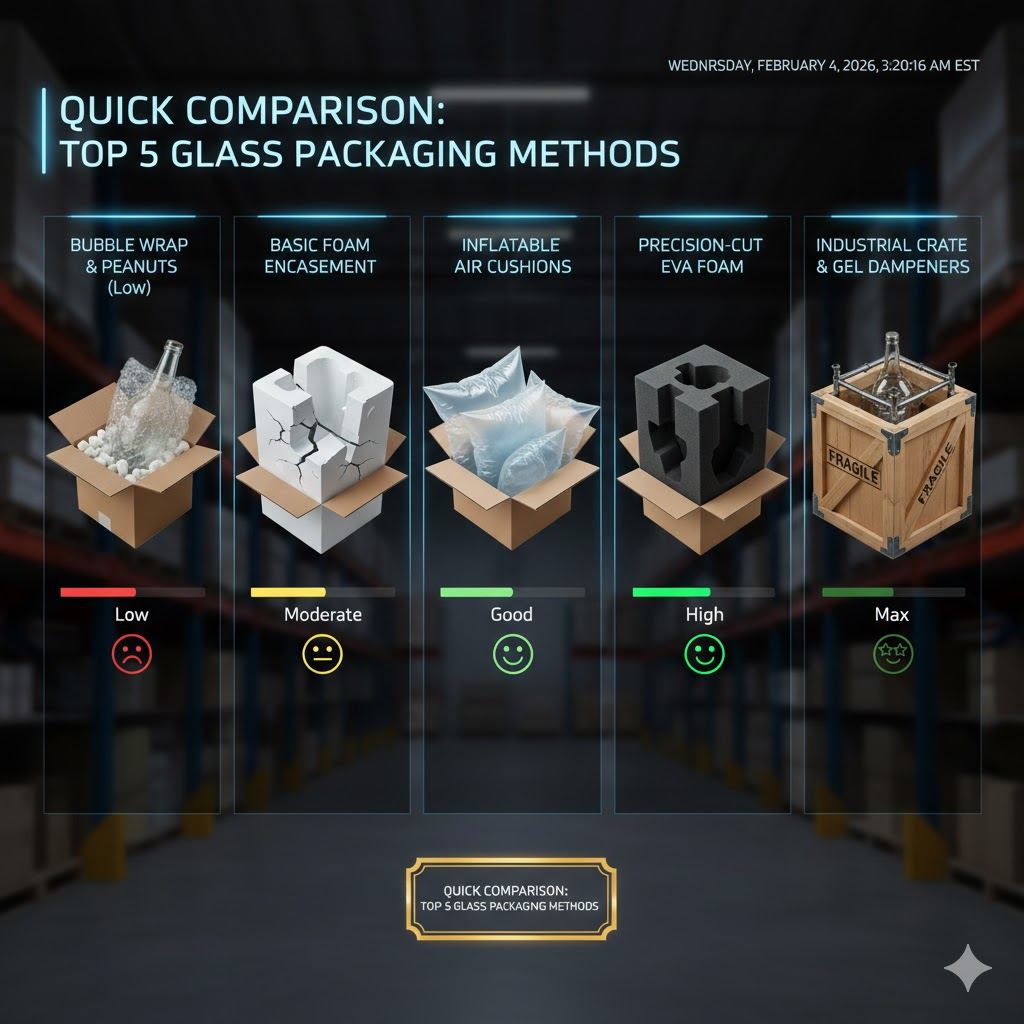
Freight math reinforces the split. Minis pack denser: more units per carton, more cartons per pallet, less wasted air per box. Full-size pieces need thicker protective packing, which adds carton volume per unit. On a long ocean leg, that density difference lands directly on your per-unit freight cost.
The metric that actually decides is margin per shelf-slot per month. A mid-size pipe that sells twice a month at moderate margin usually beats a showpiece that sells once a quarter at a huge one. Track sell-through by bracket for one quarter and the right mix reveals itself. No guessing required.
Sourcing structure matters here. Elfglass treats wholesale water pipes as its core product line, so one supplier covers all three brackets. You can rebalance the mix each quarter without vetting a new vendor. MOQ is 100 units per SKU regardless of size, which means testing a new bracket costs one line item, not a new supplier relationship.
Stock Both Sizes — Source Wholesale Water Pipes from Elfglass
From mini recycler bongs to full-size beakers, Elfglass manufactures water pipes in every size with MOQ 100 per SKU.
Monthly capacity 10,000 units | Sampling 1-3 days | Custom designs welcome
Stocking Strategy: Why Smart Shops Carry Both
Each size does different work in the same shop. Minis bring traffic and convert first-time buyers. Mid-size pays the rent. Full-size builds margin and credibility.
A shop that stocks only minis caps its ticket size. A shop that stocks only full-size pieces starves its walk-in conversion. Carrying both is not hedging. It is role coverage.
Many shops lean toward mid-size as the anchor, with their deepest SKUs sitting in the 10-14 inch bracket. The logic is simple: mid-size satisfies the upgrade buyer and the first-time buyer at once. Mini depth rides the seasons — build it before the travel months. Full-size stays shallow: two or three statement designs, refreshed before the holiday gift stretch when bigger tickets close easier.
Calendar the rotation, or it will not happen. Restock minis before late spring so summer demand finds a full shelf. Refresh full-size designs before the holidays. Mid-size reorders on sell-through data alone — when a SKU turns twice a month, keep feeding it.
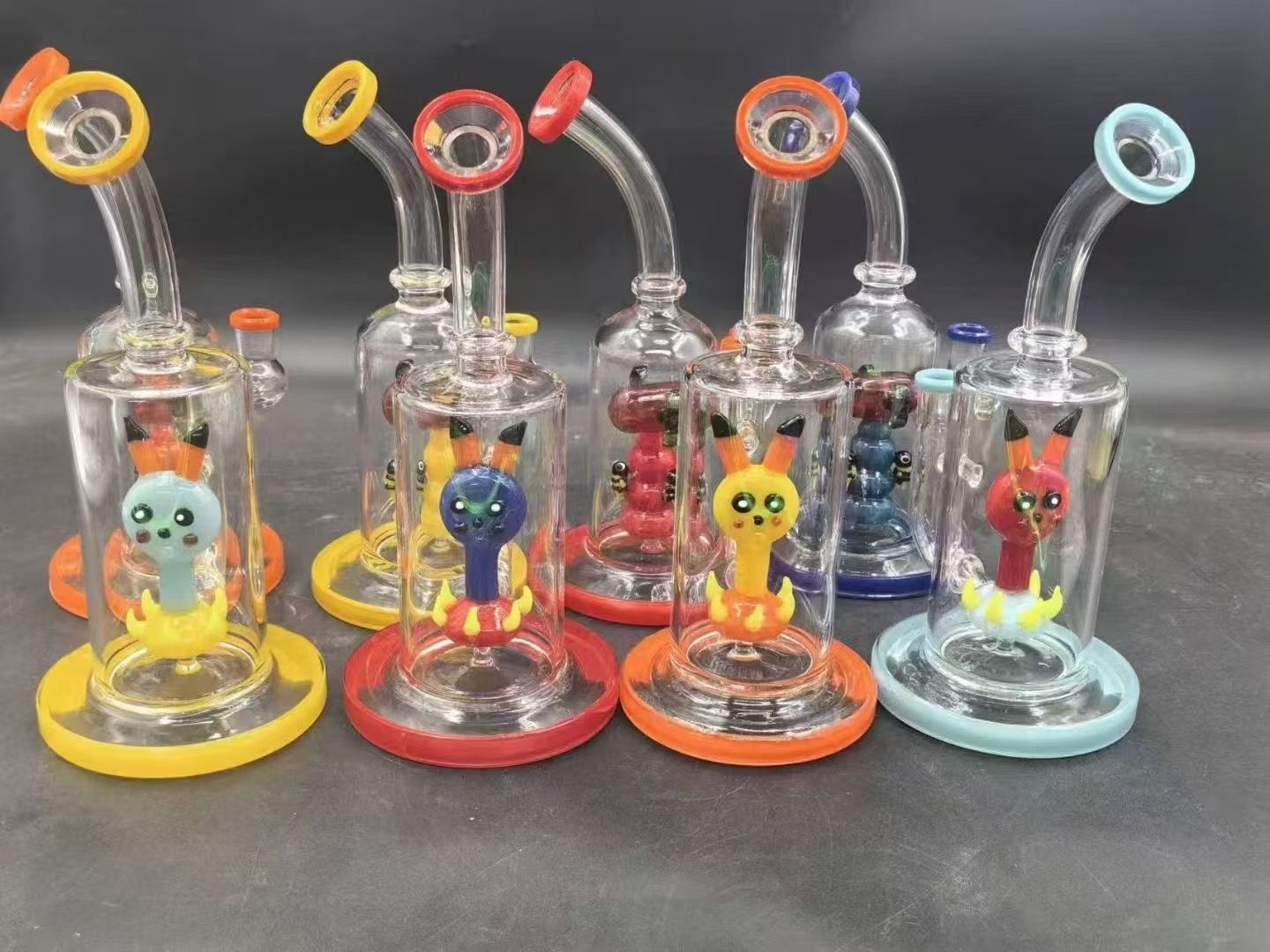
The quiet benefit of carrying all three brackets: your register teaches you the customer base. Which profile actually walks in — travelers, upgraders, collectors — shows up in one quarter of sales data. Your next order stops being a bet and becomes a response.
What Sells Best in 2026: Market Signals
Five directional signals shape size demand this year. None of them requires believing an invented statistic; they are visible in what buyers keep asking for. They all point the same direction: buyers want size choice without a performance compromise.
| Signal | What It Means | Stocking Response |
|---|---|---|
| Portability trend continues | Buyers keep choosing travel-friendly sizes | Build mini depth before summer |
| Mid-size stays the anchor | Most first orders center on 10-14 inch | Keep mid-size your deepest bracket |
| Percolation expectations rise | Customers ask about perc type at every size | Spec percolators across all brackets |
| Display drives full-size | Statement pieces lift perceived shop quality | Buy shallow, price with confidence |
| Private-label interest grows | Shops want own-brand pipes | Ask suppliers about OEM options |
The through-line is portability with performance. Mini recyclers keep gaining attention because buyers want travel size without giving up percolation. Full-size pieces hold their ground through session culture — shareable, impressive, built for a living room instead of a backpack. Mid-size quietly wins both worlds, which is exactly why it anchors most first orders. The private-label signal deserves equal attention: more shops ask for own-brand pipes each season, and a supplier’s options for logo printing, etching, and sandblasting decide who wins that business.
If your mix has not changed in two years, that is the signal. Pull your sell-through by size bracket, compare it against the roles above, and adjust the next order one bracket at a time. When you are ready to rework the mix, start the conversation through the contact page. Bring your bracket numbers and the team will map them to available designs and MOQs.
Your Stocking Decision Checklist
- Shop near a campus, tourist strip, or festival route? Stock minis deep before late spring.
- Regulars are home users who upgrade? Lead with mid-size and add one or two full-size statement pieces.
- Shelf space tight? Mid-size first — the best return per shelf-slot.
- Burned by shipping breakage before? Weight the order toward minis.
- First order with a new supplier? Use MOQ 100 per SKU to test one SKU per bracket.
- Rebalance every quarter: sell-through data beats instinct every time.
FAQ
Which size water pipe sells the most wholesale?
For most shops, mid-size pipes (10-14 inches) move the most consistently because they balance price, performance, and shelf space. Minis sell in seasonal bursts tied to travel and festivals, and full-size pieces move slower but earn more per sale. The right depth per bracket depends on your customer base — test one SKU per bracket and let sell-through decide.
Are mini water pipes less effective than full-size?
They hold less water, so they offer less diffusion and a warmer draw. But a well-designed mini with a good percolator and the correct water level outperforms a poorly built full-size piece. It is a preference trade-off, not a quality gap — many users prefer the more direct hit a mini delivers.
Do mini water pipes cost less to wholesale?
Yes. Less glass and denser packing mean lower unit costs and more units per carton. Full-size pipes cost more per unit but carry higher per-unit margin at retail. Judge each bracket by margin per shelf-slot per month rather than unit price alone.
Should a new shop stock both sizes?
Yes. Minis work as entry-level and impulse purchases; full-size pieces serve as destination buys that lift shop perception. With MOQ at 100 per SKU, a new shop can test one SKU per bracket in a single first order. Scale whichever bracket proves itself.
What about breakage during shipping?
Minis break less: smaller glass, thicker proportions, denser carton packing. Full-size pieces need more protective packing and careful handling, so confirm your supplier’s packing standard before ordering large pieces at volume. The breakage gap is one reason mini-heavy orders carry lower landed risk.
Frequently Asked Questions
Which size water pipe sells the most wholesale?
For most shops, mid-size pipes (10-14 inches) move the most consistently because they balance price, performance, and shelf space. Minis sell in seasonal bursts tied to travel and festivals, and full-size pieces move slower but earn more per sale. The right depth per bracket depends on your customer base — test one SKU per bracket and let sell-through decide.
Are mini water pipes less effective than full-size?
They hold less water, so they offer less diffusion and a warmer draw. But a well-designed mini with a good percolator and the correct water level outperforms a poorly built full-size piece. It is a preference trade-off, not a quality gap — many users prefer the more direct hit a mini delivers.
Do mini water pipes cost less to wholesale?
Yes. Less glass and denser packing mean lower unit costs and more units per carton. Full-size pipes cost more per unit but carry higher per-unit margin at retail. Judge each bracket by margin per shelf-slot per month rather than unit price alone.
Should a new shop stock both sizes?
Yes. Minis work as entry-level and impulse purchases; full-size pieces serve as destination buys that lift shop perception. With MOQ at 100 per SKU, a new shop can test one SKU per bracket in a single first order. Scale whichever bracket proves itself.
What about breakage during shipping?
Minis break less: smaller glass, thicker proportions, denser carton packing. Full-size pieces need more protective packing and careful handling, so confirm your supplier’s packing standard before ordering large pieces at volume. The breakage gap is one reason mini-heavy orders carry lower landed risk.
Get a Quote for Your Next Order
Building your wholesale lineup? whether mini rigs or full-size tubes fit your shelf? Explore our wholesale water pipe collections for MOQ, tiered pricing, and factory-direct lead times. Send us your product spec and target quantity — contact our factory team or message us on WhatsApp, and we will reply with pricing and lead times within 24 hours.
About the Author
Ava Zeng is the founder of Elfglass, a Shenzhen-based borosilicate glass pipe manufacturer serving B2B brands worldwide. Every guide on this site is grounded in her production-floor experience— the annealing lines, QC checkpoints, and export orders behind each claim.
Before you commit to a supplier, read her founder’s story and trust promise, and the guide to vetting a reliable glass pipe manufacturer— the same red-flag checklist Elfglass applies to its own suppliers.
Size-segment demand follows the usage patterns in water pipe market data, where portability and session length drive different form-factor preferences.
Ready to Source Custom Glass Pipes?
Get a free quote within 24 hours. MOQ from 100 pieces. NDA-protected design consultation.
