
The most underused sales tool in a smoke shop is not a display case, a loyalty program, or a social media account. It is the person standing behind the counter. A staff member who can explain the difference between a honeycomb percolator and a tree percolator in one sentence converts browsers into buyers. A staff member who cannot answer “which one is smoother?” watches the customer put the pipe back and walk out. Staff training is not a cost center—it is the highest-leverage investment a glass retailer makes. Pairing this with a structured review management routine strengthens the trust signals that bring customers back. Structured employee training and development is a documented driver of retail performance and staff retention (training and development reference).
This guide covers the fundamentals of in-store staff education for glass products: what to teach, how to structure training for retail schedules, which product knowledge drives the most conversions, and how to measure whether training is working. The focus is practical—what a new hire needs to know in their first week, and what an experienced staff member needs to close premium sales.
Key Takeaways
- Staff who can demonstrate product function convert more browsers than any shelf signage or discount offer.
- The 10-second water demo is the single highest-converting sales technique for water pipes—train every staff member on it.
- New hires need four knowledge areas in week one: product categories, percolation basics, glass care, and legal compliance.
- Training should run in 10-minute blocks that fit retail schedules, not hour-long sessions that never get scheduled.
- Measuring training effectiveness through per-staff conversion rate and average transaction value shows which knowledge gaps cost the most revenue.
Why Staff Training Pays for Itself
Glass products are feature-rich and visually complex. A customer standing in front of 30 water pipes sees 30 glass objects. They cannot tell which one pulls smoothly, which one is easier to clean, or which one justifies a higher price. Without guidance, they default to the cheapest option or leave without buying.
A trained staff member changes this equation. When someone can say “this one has a honeycomb perc—see how it breaks the smoke into fine bubbles? That is what makes it smoother” while demonstrating with water, the customer stops comparing prices and starts comparing features. The conversation shifts from “which is cheapest” to “which does what I want,” and the average transaction value rises.
The commercial math: if training lifts average transaction value by moving even a small share of customers from entry-level to mid-range products, the revenue gain covers the training time investment within the first month. Stores that treat product knowledge as a core competency consistently outperform stores that treat it as optional. The online vs physical retail comparison shows why in-store experience is the channel’s primary advantage—staff knowledge is that experience made concrete.
Week One: The Four Core Knowledge Areas
A new hire does not need to know everything on day one. They need four areas covered well enough to answer the most common customer questions without freezing.
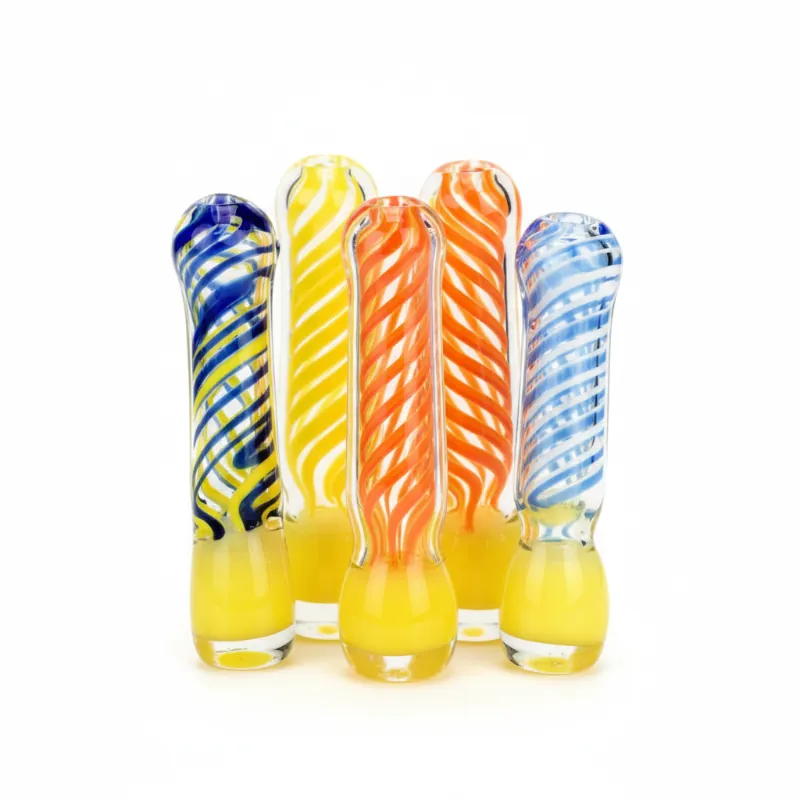
1. Product categories: Hand pipes, water pipes, dab rigs, and accessories. What each is, who buys it, and the price range for each in your store. The new hire should be able to walk the sales floor and name the category of every item on the shelf.
2. Percolation basics: What a percolator does (smooths and cools the draw), the four main types you stock (honeycomb, tree, inline, showerhead), and a one-line description of each. This is the knowledge that powers the demo technique and closes mid-range sales.
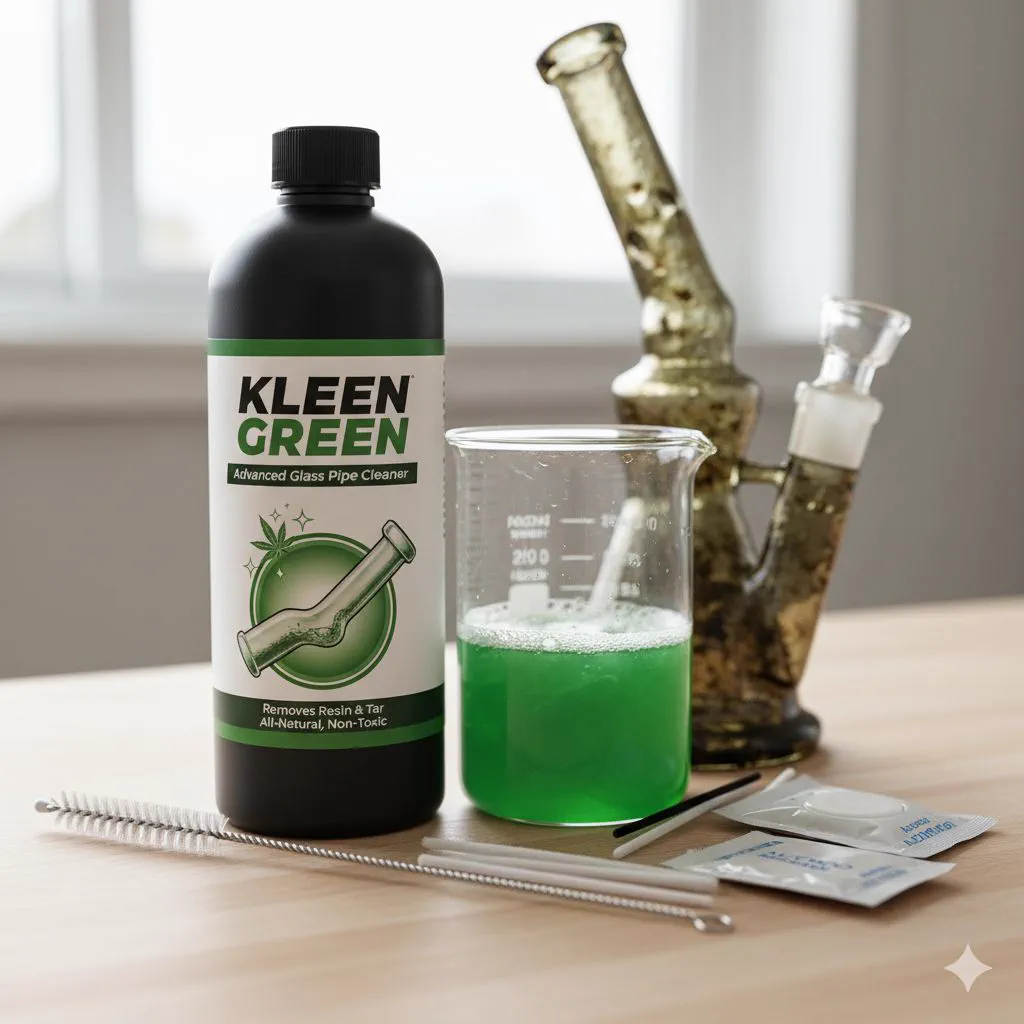
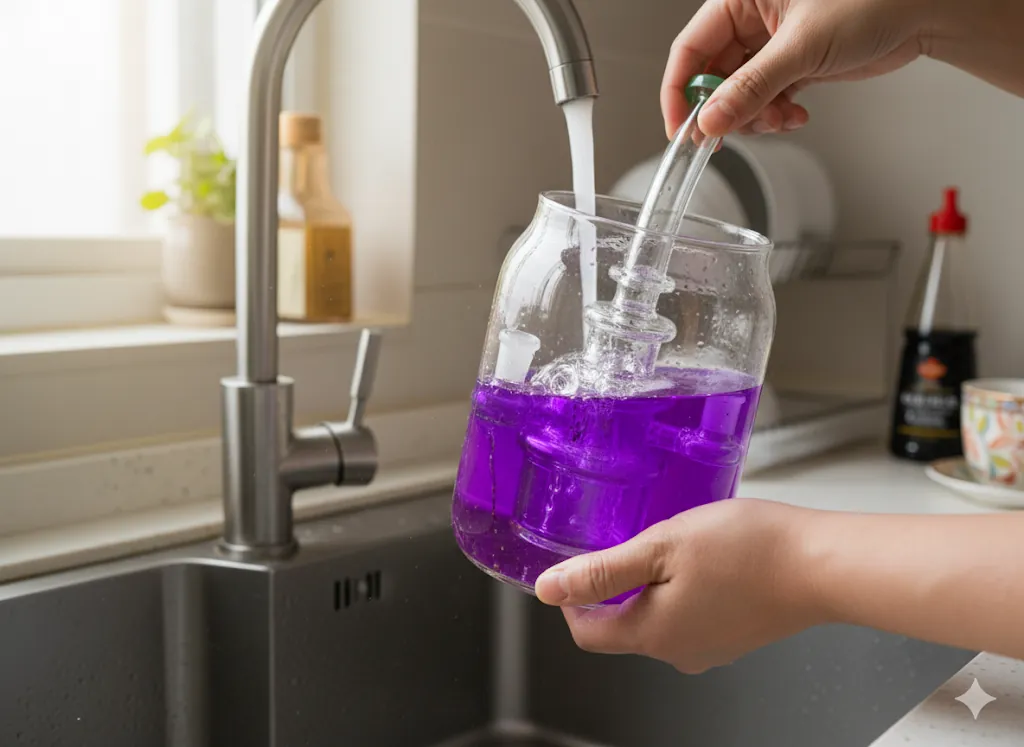
3. Glass care: How to clean a water pipe, why regular cleaning matters, and which cleaning products are safe. Customers who ask “how do I keep this clean?” are already bought—they just need care guidance to feel confident. Staff who answer this well generate accessory sales (cleaning solutions, brushes, screens).
4. Legal compliance: Age verification requirements, what can and cannot be said about product use, and any local regulations affecting sales. This is non-negotiable—a compliance error can cost the store its license. Train it first, train it clearly, and test it before the new hire works the register alone.
The 10-Second Demo Technique
The single highest-converting technique in glass retail is the water demo. It takes 10 seconds, costs nothing, and converts more browsers into buyers than any discount or display.
The technique: when a customer picks up or looks at a water pipe, fill it to the water line, pull air through the joint (no flame, no product—just air), and let them watch the percolator produce bubbles. Say one sentence that names the feature and its benefit: “This is the honeycomb perc—it breaks the smoke into fine bubbles for a smoother draw.”
Why it works: glass water pipes are a sensory product. The customer cannot experience the smoothness from looking at a dry shelf item. The demo translates an invisible feature (percolation) into a visible one (bubbles) and an experiential one (the sound and motion of the draw). Once the customer has seen the perc work, the product is no longer an abstract glass object—it is a functioning device with a tangible benefit.
Train every staff member on this demo until it is automatic. Keep a clean demo unit at the counter filled and ready. The demo works on every percolator-equipped water pipe you sell, and it is the primary tool for moving customers from entry-level to mid-range. The percolator types wholesale guide gives staff the product knowledge behind the demo.
Wholesale Supply Built for Smoke-Shop Sell-Through
Elfglass helps you forecast demand, build a high-turnover catalog, and reorder on a rhythm that keeps best-sellers in stock without dead inventory. Share your shop profile and we will map a sourcing plan.
MOQ from 100 pieces | BSCI / WRAP / ISO 9001 | NDA before every project
Product Knowledge by Sales Tier
Not every staff member needs the same depth of knowledge. Match training depth to the sales tier each person handles.
Entry-level sales (register staff, new hires): Product categories, basic percolation explanation, glass care, and compliance. Enough to answer common questions and complete the water demo. This tier handles the majority of transactions.
Mid-range sales (experienced staff): Percolator type differences, glass thickness and durability, joint sizes and accessory compatibility, and color/finish options. This tier closes the customers who are comparing two or three mid-range units and need a recommendation.
Premium sales (senior staff, manager): Recycler function, heady glass versus production glass, artist attribution for premium pieces, and brand storytelling. This tier handles the high-value transactions where the customer is making a considered purchase and wants expertise. The heady vs production glass comparison is essential knowledge for this tier.
Structure training so each tier builds on the previous one. A new hire masters tier one before moving to tier two. This prevents overwhelm and ensures the fundamentals are solid before adding complexity.
Training Format for Retail Schedules
Retail schedules do not accommodate hour-long training sessions. Staff are on the floor during business hours, and pulling them off for extended training costs sales. The format that works is short, focused blocks that fit into slow periods.
10-minute product blocks: During a slow period, the manager or senior staff walks one product category with the team. Pick up the product, explain its key feature, demonstrate it, and answer questions. One product or one concept per block. Repeat daily.
Peer teaching: Assign each experienced staff member one product category to become the expert on. They teach it to the rest of the team in a 10-minute block. This distributes the training load and gives each person ownership of a knowledge area.
Hands-on handling: New hires should handle every product category in their first week—pick it up, feel the weight, check the joint fit, look through the glass. Physical familiarity builds confidence that translates into customer interactions. A staff member who has held a recycler bong can describe it convincingly; one who has only read about it cannot.
The discipline: schedule these blocks the same way you schedule shifts. If training is “whenever there is time,” it never happens. Put it on the calendar, even if it is 10 minutes on a Tuesday morning. Consistency compounds—one block per day produces a knowledgeable team within a month.
Measuring Training Effectiveness
Training that is not measured is training that drifts. Two metrics tell you whether your staff education is working and where the gaps are.
Per-staff conversion rate: Track how many customers each staff member converts versus how many they engage. If one person consistently converts at a lower rate than the team, they have a knowledge gap or a confidence gap—both fixable with targeted training.
Average transaction value by staff member: This reveals whether staff are moving customers up the price tiers or defaulting to entry-level sales. A staff member whose average transaction value is consistently lower than the team average is not closing mid-range and premium sales—they need the tier-two and tier-three product knowledge.
Review these metrics monthly. Celebrate the staff who convert well and close premium sales—public recognition reinforces the behavior. Use the data to identify which product categories or price tiers need more training attention. This turns staff education from a vague “we should train more” intention into a targeted revenue improvement program.
Ongoing Education and New Product Launches
Product knowledge decays if it is not refreshed, and every new product you stock requires staff to learn something new. Build ongoing education into your operation rather than treating training as a one-time onboarding event.
New product briefing: Before any new product hits the sales floor, brief the team on it. What it is, what makes it different, who the customer is, and the one-line pitch. Run the demo. Staff who encounter a new product on the shelf without preparation will not sell it confidently.
Supplier materials: When you order from a wholesale supplier, request product information sheets or spec details you can turn into training content. A factory that provides clear product specifications helps you train your team accurately. Elfglass supplies spec documentation with wholesale orders that retailers adapt into staff reference sheets.
Quarterly refresh: Every quarter, run a full product knowledge refresher. Glass trends shift, new percolator designs appear, and customer questions evolve. A quarterly review keeps the team current and surfaces knowledge that has become outdated.
The stores that win on staff knowledge treat education as a continuous operating process, not a one-week onboarding. Ten minutes a day, measured monthly, refreshed quarterly—that cadence builds the most effective sales team in your market. Support your team’s product education with the market insights and product guides that keep your inventory knowledge current.
Conclusion
Staff training is the highest-leverage investment a glass retailer makes because glass products sell on demonstrated function, not shelf appearance. A team that can explain percolation, run the water demo, and match products to customer needs converts more browsers and closes more premium sales than any marketing spend.
- Teach new hires the four core areas in week one: categories, percolation, glass care, compliance.
- Train every staff member on the 10-second water demo until it is automatic.
- Run 10-minute training blocks on a schedule, not “whenever there is time.”
- Measure per-staff conversion rate and average transaction value monthly to find knowledge gaps.
Stocking products your team can sell with confidence starts with the right wholesale range. Discuss your store’s product needs with Elfglass—spec recommendations and pricing returned within 12 hours.
Frequently Asked Questions
What should new smoke shop staff learn first?
Four core areas in their first week: product categories (hand pipes, water pipes, dab rigs, accessories), percolation basics, glass care, and legal compliance. These cover the most common customer questions.
What is the best sales technique for glass water pipes?
The 10-second water demo. Fill the pipe to the water line, pull air through the joint, and let the customer watch the percolator produce bubbles. Name the feature and its benefit in one sentence.
How long should smoke shop training sessions be?
10 minutes per block, run during slow periods and scheduled like shifts. Hour-long sessions never fit retail schedules. Daily 10-minute blocks build a knowledgeable team within a month.
How do I measure whether staff training is working?
Track two metrics monthly: per-staff conversion rate (engaged customers versus sales) and average transaction value. Low numbers reveal knowledge gaps or failure to close premium sales.
How should I train staff on new products?
Brief the team before any new product hits the floor: what it is, what makes it different, who the customer is, and the one-line pitch. Run the demo. Staff who meet a new product unprepared will not sell it.
About the Author
Ava Zeng is the founder of Elfglass, a Shenzhen-based borosilicate glass pipe manufacturer serving B2B brands worldwide. Every guide on this site is grounded in her production-floor experience— the annealing lines, QC checkpoints, and export orders behind each claim.
Before you commit to a supplier, read her founder’s story and trust promise, and the guide to vetting a reliable glass pipe manufacturer— the same red-flag checklist Elfglass applies to its own suppliers.
Training frameworks referenced here align with the employee training methodologies used in retail environments, where product knowledge directly affects conversion rates.
Ready to Source Custom Glass Pipes?
Get a free quote within 24 hours. MOQ from 100 pieces. NDA-protected design consultation.
