
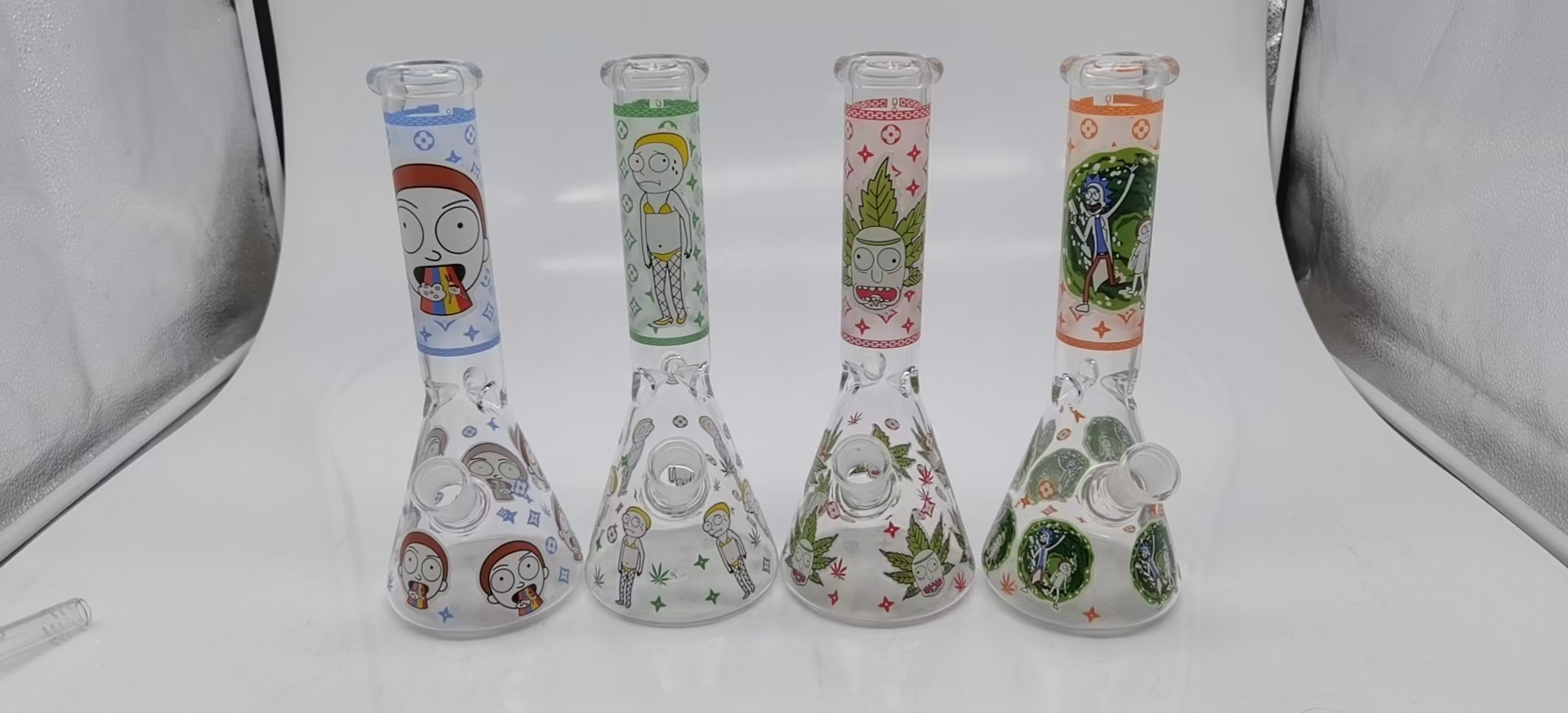
You stock 40 water pipes on the shelf. The beakers sell steadily, the straight tubes move when a customer wants something compact, but the percolator units—the ones with visible internal diffusion—generate the most questions, the most handling, and the most “let me think about it” walk-aways. The problem is not the product. It is that customers cannot tell a honeycomb from a showerhead at arm’s length, and without staff guidance they default to the simpler pipe they understand. Water filtration here follows the basic water-pipe principle—smoke drawn through water before reaching the user—which is documented in standard references (water pipe design reference).
Wholesale percolator bongs sell differently than non-perc formats because the purchase decision is feature-driven rather than shape-driven. This guide maps which percolator types generate the steadiest wholesale reorder volume, how to match perc type to your customer base and price tier, and how to structure a percolator-focused wholesale order that moves off the shelf rather than collecting dust.
Key Takeaways
- Honeycomb percolators are the wholesale volume leader because they add visible diffusion at moderate cost with low breakage risk.
- Tree percolators attract premium buyers but generate the most shipping damage claims due to fragile arms.
- Inline percs suit straight tube formats; showerhead percs suit beakers; matching perc to pipe geometry prevents airflow issues.
- Elfglass produces percolator bongs at MOQ 100 per design, 7–12 day production, with sampling in 1–3 days.
- Staff education on perc function converts browsers into buyers—percolator units sell best when someone can explain the difference in 10 seconds.
The Four Perc Types That Move
Wholesale percolator demand concentrates in four types: honeycomb disc, tree, inline, and showerhead. Other perc designs exist—matrix, turbine, Swiss—but they represent niche volume that does not justify dedicated SKU space for most retailers. Focus your wholesale order on the four that generate repeat reorders.
Each type produces a different bubble pattern, which affects both the smoking experience and the visual appeal on the shelf. Customers who see fine, dense bubbles in a demonstration are more likely to purchase than those who see large, lazy bubbles. The visual difference is a selling tool—fill the unit with water and pull air through it when a customer asks “what does that thing inside do?”
For a detailed technical breakdown of how each percolator type works, including diffusion physics and airflow characteristics, the percolator types comparison guide covers the full engineering picture. This guide focuses on the wholesale ordering decision.
Honeycomb: The Volume Workhorse
Honeycomb percolators dominate wholesale percolator orders for three reasons: they are visible, they are durable, and they are affordable to produce.
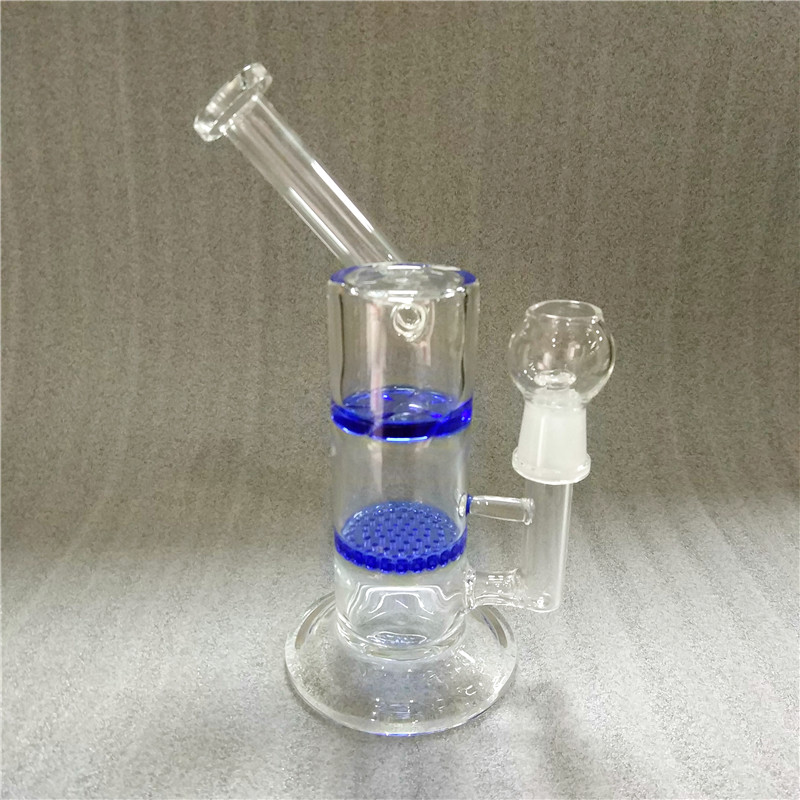
The flat disc with dozens of small holes creates fine, dense bubbles that customers can see immediately. The flat geometry adds structural rigidity to the base rather than protruding fragile arms. And the manufacturing process—a single disc with punched holes—adds less torch time than assembling a multi-arm tree perc.
For wholesale buyers, honeycomb percs are the safest percolator investment. They break less in shipping, they appeal to the broadest customer range (from first-time perc buyers to experienced users), and they price into the mid-range bracket where most water pipe revenue sits. If you are adding percolator units to your inventory for the first time, start here.
Tree Percs: Premium Positioning
Tree percolators generate the most visual impact and the most customer questions. Multiple arms extending from a central stem, each with slits producing individual bubble streams—the effect is dramatic and immediately communicates “this pipe does something special.”
The trade-off: tree perc arms are fragile. During shipping, lateral impact snaps arms. During customer handling in-store, a dropped unit loses arms. And during cleaning, aggressive brushing breaks them. For wholesale buyers, this means higher damage rates in transit and more careful in-store handling instructions for staff.
Tree percs belong in your premium section. They justify higher retail prices because the visual complexity reads as craftsmanship. But order them in smaller quantities than honeycomb units and budget for individual protective wrapping. The beaker bongs wholesale guide covers how perc choice interacts with base shape for optimal stability.
Stock the Glass Pipes Your Customers Actually Buy
Elfglass produces the full wholesale catalog, from hand pipes and sherlocks to dab rigs, percolator bongs, and accessories, in proven best-selling specs. Tell us your market and we will recommend a catalog mix with pricing.
MOQ from 100 pieces | BSCI / WRAP / ISO 9001 | NDA before every project
Inline and Showerhead by Format
Inline and showerhead percolators are format-specific—they pair with particular pipe geometries and perform poorly when forced into the wrong shape.
Inline percs sit at the base of straight tube pipes and push slits parallel to the floor. They create a curtain of bubbles rising through the vertical chamber. This geometry matches straight tubes perfectly—the bubbles travel the full tube height for maximum diffusion. In beakers, inline percs work but the wider base means bubbles spread rather than column, reducing the visual effect.
Showerhead percs extend vertically as a single tube with slits at the top. They suit beakers and round-base formats where the vertical arm has room to sit without crowding the chamber. In narrow straight tubes, the showerhead arm crowds the interior and restricts airflow.
The wholesale ordering rule: order inline percs with your straight tube SKUs and showerhead percs with your beaker SKUs. Do not mix them across formats—customers will not notice the difference on the shelf, but they will notice a restricted draw in the first use.
Matching Perc Type to Price Tier
| Perc Type | Best For | Price Tier | Breakage Risk |
|---|---|---|---|
| Honeycomb disc | Beakers, round bases | Mid-range | Low |
| Tree | Beakers, large chambers | Premium | High |
| Inline | Straight tubes | Mid-range | Low |
| Showerhead | Beakers, round bases | Mid to premium | Medium |
Percolator design interacts with glass thickness — more chambers mean more glass mass. Our heavy glass quality guide explains how wall thickness affects both weight perception and structural integrity in multi-perc pieces.
This matrix should drive your wholesale order allocation. If your store serves a broad customer base, weight toward honeycomb and inline (low breakage, broad appeal). If you position as a premium shop, add tree and showerhead units at 20–30% of your percolator inventory.
Ordering Percolator Bongs at Wholesale
Percolator bongs follow the same ordering mechanics as standard water pipes at Elfglass: MOQ 100 per design, sampling in 1–3 days, bulk production in 7–12 days for 100+ units. The spec sheet should include perc type, perc placement height, and any color requirements for the perc element itself.
One specification detail that matters for percolator orders: confirm the perc disc or arm thickness. Thin-wall percs (under 2mm) crack during shipping and cleaning. At Elfglass, percolator elements are produced at a thickness standard that balances diffusion performance with durability. If sourcing elsewhere, specify minimum perc wall thickness in your purchase order.
For a first percolator order, structure it as: 50% honeycomb beakers, 30% inline straight tubes, 20% showerhead beakers. This allocation covers the broadest customer range while keeping breakage risk low. Add tree percs in your second order once you have sell-through data confirming premium demand. The MOQ-100 trial order structure allows testing one perc configuration per order without overcommitting.
Selling Percolator Units In-Store
Percolator bongs sell on demonstration, not shelf presence. A customer who picks up a beaker and looks inside sees a glass disc. A customer who watches water bubble through a honeycomb perc understands the function in three seconds. The difference is staff training.
The 10-second demo: fill the unit to the water line, pull air through the joint (no flame needed), and let the customer watch the bubbles. Say one sentence: “This is what smooths the hit—more holes, finer bubbles, cooler smoke.” That single demonstration converts more browsers into buyers than any shelf signage.
Train every staff member on the four perc types and their one-line descriptions. Honeycomb: “fine bubbles, smooth draw, easy to clean.” Tree: “maximum smoothness, premium feel.” Inline: “curtain of bubbles in straight tubes.” Showerhead: “vertical diffusion, great for beakers.” When staff can explain the difference in one sentence, percolator units stop being “the confusing ones” and start being the ones customers ask for by name.
Related reading: percolator design limits.
Conclusion
Percolator bongs are the feature-driven segment of wholesale water pipes. They require more from the buyer—correct format matching, careful packing for fragile types, and staff education—but they reward with higher engagement, stronger differentiation from commodity listings, and premium pricing.
- Start with honeycomb (50%) and inline (30%) for lowest breakage risk and broadest appeal.
- Match perc to pipe format: inline for straight tubes, showerhead and honeycomb for beakers.
- Invest in 10-second staff demo training—percolator units sell on demonstration, not shelf presence.
- Order tree percs only after confirming premium demand in your first sell-through cycle.
Ready to stock percolator bongs? Send your perc specifications to Elfglass—type, placement, and pricing returned within 12 hours.
Frequently Asked Questions
Which percolator type should I order first for wholesale?
Honeycomb disc percolators are the safest first choice. They add visible diffusion, resist breakage in shipping, and price into the mid-range bracket where most water pipe revenue sits.
What is the minimum order for percolator bongs?
At Elfglass, MOQ is 100 units per design per SKU. Sampling completes in 1 to 3 days and bulk production takes 7 to 12 days.
Which percolator works in a straight tube pipe?
Inline percolators match straight tube geometry. They sit at the base and push bubble slits parallel to the floor, creating a curtain that rises through the full tube height.
Are tree percolator bongs worth stocking?
Tree percs serve premium positioning with strong visual impact. However, their arms are fragile in shipping. Stock them after confirming premium demand, and budget for protective wrapping.
How do I sell percolator bongs to customers?
Demonstrate the function. Fill the unit with water, pull air through the joint, and let the customer watch the bubbles. A 10-second demo converts more browsers than any shelf signage.
Percolator bongs sell best alongside a solid parts program. Browse our full water pipe lineup for complete units and our wholesale parts and accessories for the downstems, bowls, and add-ons customers replace most.
About the Author
Ava Zeng is the founder of Elfglass, a Shenzhen-based borosilicate glass pipe manufacturer serving B2B brands worldwide. Every guide on this site is grounded in her production-floor experience— the annealing lines, QC checkpoints, and export orders behind each claim.
Before you commit to a supplier, read her founder’s story and trust promise, and the guide to vetting a reliable glass pipe manufacturer— the same red-flag checklist Elfglass applies to its own suppliers.
Perc types discussed here are classified in the same way as percolator references, where diffusion area and drag resistance define each style.
Ready to Source Custom Glass Pipes?
Get a free quote within 24 hours. MOQ from 100 pieces. NDA-protected design consultation.
