
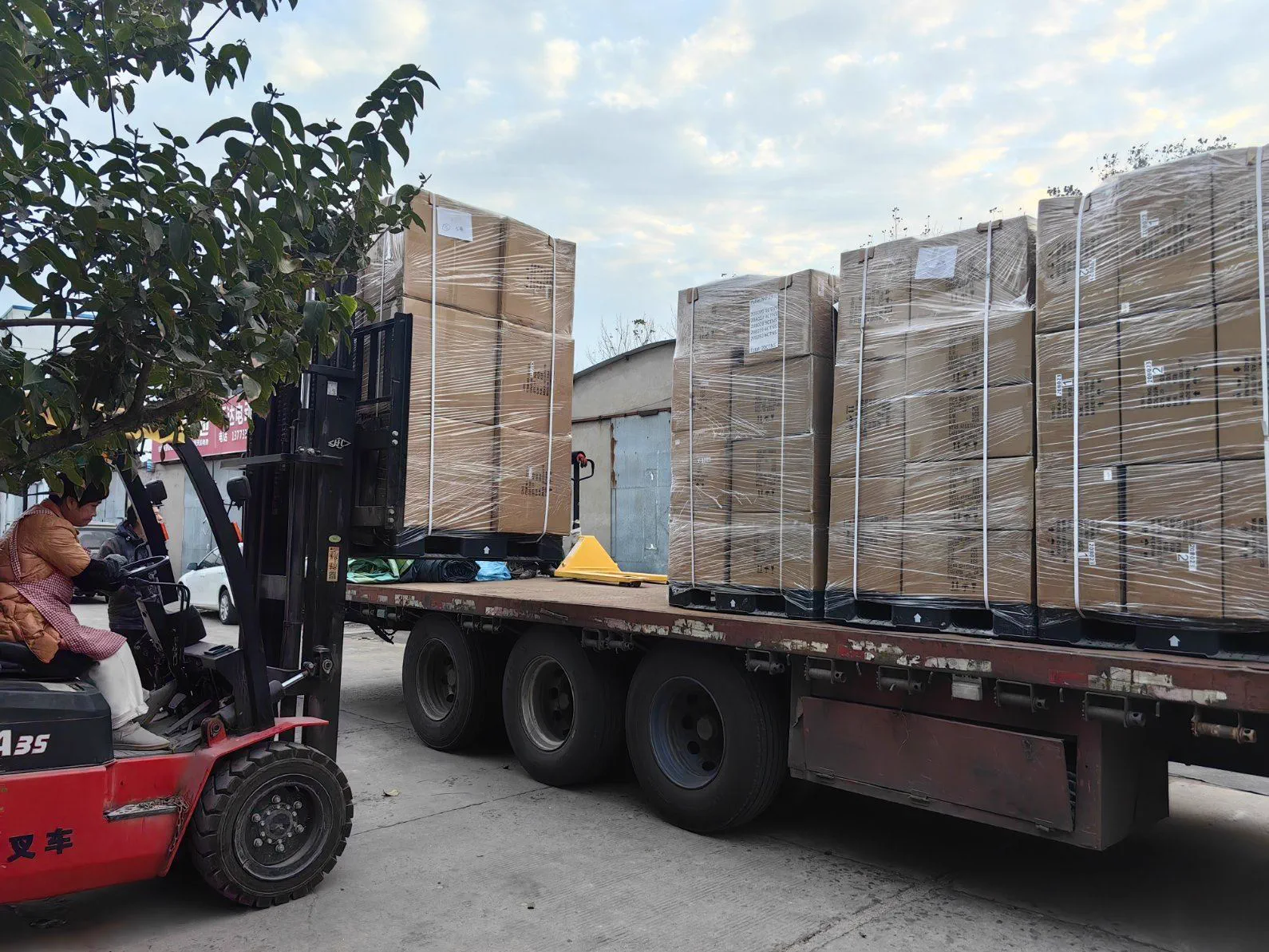
The carrier just left. You opened the first carton and found three shattered water pipes sitting in cracked bubble wrap. The packing slip says 100 pieces, but you can only count 97 intact ones. Your instinct is to call the supplier immediately and demand a refund. Resist that instinct. What you do in the next 48 hours determines whether you recover your losses or absorb them entirely. The claim process you follow over the next 48 hours decides which of those two outcomes you get.
This guide walks you through the exact steps to take when a wholesale glass order arrives damaged, based on the claim procedures that Elfglass has processed across hundreds of international shipments since 2010. Whether you are a smoke shop owner in Texas, a distributor in the United Kingdom, or a brand founder in Australia, the process follows the same logic: document first, notify second, claim third.
Stop and Photograph Everything Before Moving a Single Piece
The moment you discover damage, put down the packing tape gun and pick up your phone. If you need a structured starting point, see this reorder verification. The scene as it exists right now is your strongest evidence. Once you start rearranging boxes or discarding broken glass, you lose the ability to prove what happened in transit.
Take photographs of the following, in this order:
- The delivery truck or pallet area where the shipment was left
- Every outer carton from all six sides, showing any crush marks, water stains, or punctures
- The interior of each carton as you open it, showing how pieces were packed
- Every broken or damaged piece in its original packaging position
- Close-ups of cracks, chips, or shattered areas with a ruler or coin for scale
- The packing slip, bill of lading, and any shipping labels visible on the cartons
Enable timestamps on your camera. If your phone does not stamp photos automatically, take a screenshot of the time and date settings before you begin. Timestamped images carry weight with freight carriers and insurance adjusters; undated photos taken at an unknown later time do not.
If you have not yet set up a receiving protocol, the arrival inspection checklist for wholesale glass orders provides a complete step-by-step process to follow before and during unboxing.
Classify the Damage: Transit Breakage, Packing Failure, or Quality Defect
Not all damage is created equal, and the claim path depends on who is responsible. Before you pick up the phone, determine which of three categories your damage falls into:
Transit breakage. The glass was properly packed but the shipment experienced rough handling, stacking, or impact during shipping. Signs include crush marks on outer cartons, pieces that shifted inside adequately padded boxes, and damage concentrated in cartons that were at the edges or bottom of the pallet. The freight carrier is liable for this type of damage.
Packing failure. The glass was insufficiently protected inside the carton. Signs include pieces rattling loose in oversized boxes, missing dividers or bubble wrap, and breakage that occurs even though outer cartons look undamaged. The supplier is liable for this type of damage because the packing method was their responsibility.
Quality defect. The pieces arrived intact but have manufacturing flaws such as hairline cracks from improper annealing, joint sizes that do not match specification, or color mismatches. These are not transit damage at all — they are production defects that existed before packing. The supplier is liable.
The classification matters because it determines who you file the claim with and what evidence you need. Transit damage goes to the carrier; packing failures and quality defects go to the supplier.
Write “Subject to Inspection” on the Delivery Receipt
If the delivery driver is still present when you discover visible outer damage, write “SUBJECT TO INSPECTION” next to your signature on the delivery receipt. This single notation preserves your right to file a freight claim even if you do not discover the full extent of internal damage until later.
If the driver has already left and you discover damage during your inspection, note the discovery date and time in your damage log. Most freight carriers accept damage claims filed within 7 to 15 days of delivery, but the clock starts from the delivery date, not from your discovery date. Acting quickly protects your position.
Notify the Supplier Within 48 Hours
Send a written notification to your supplier within 48 hours of discovering the damage. Even if you have not completed the full inspection, a preliminary notification preserves your claim window and demonstrates good faith.
Your notification email should include:
- Purchase order number and shipment date
- Summary of damage found so far (number of broken pieces, type of damage)
- Statement that full inspection is in progress and detailed report to follow
- Three to five representative photographs attached
Keep all communication in writing. Phone calls are useful for relationship management but create no evidentiary record. If a dispute escalates, your email trail is the documentation that protects you.
For context on what a well-structured supplier relationship looks like — including how quality-focused manufacturers handle claims — the glass pipe manufacturing partner guide explains the process from a factory perspective.
Packaging and Freight Planned Around Your Route
From foam-insert and double-wall cartons to air or sea freight with clear Incoterms, we engineer packaging to cut breakage and quote landed cost honestly. Send us your destination and volume for a packing plan.
MOQ from 100 pieces | BSCI / WRAP / ISO 9001 | NDA before every project
Send the Full Damage Report Within One Week
Your complete damage report should include:
Damage log spreadsheet. One row per damaged piece, with columns for: carton number, piece SKU, defect type (transit breakage, packing failure, or quality defect), severity (minor chip, major crack, total loss), and photo reference number.
Complete photo set. All photographs taken during your inspection, organized by carton number. Include the full carton shots and the close-up detail shots.
Breakage percentage calculation. Total damaged pieces divided by total pieces ordered, expressed as a percentage. Industry-standard breakage tolerance for glass shipments is up to 3 percent. If your breakage exceeds this threshold, you have a strong case for full replacement or credit.
Specific request. State clearly what resolution you are seeking: replacement pieces in the next production run, a credit against your next order, or a refund for the damaged portion. Suppliers respond faster to specific requests than to open-ended complaints.
Filing a Freight Damage Claim
If the damage resulted from transit mishandling (crushed cartons, impact marks, water damage), file a claim with the freight carrier. The process varies by carrier but generally follows these steps:
First, locate the carrier’s claims department contact information on the bill of lading or the carrier’s website. Most carriers have an online claims portal. You will need to submit your claim within their specified filing window, which is typically 7 to 15 days from the delivery date for visible damage, or up to 30 days for concealed damage discovered during inspection.
Prepare the following documentation: the original bill of lading, the commercial invoice showing the value of the damaged goods, your damage log with photographs, and a written description of how the damage occurred based on your inspection findings.
The carrier will assign a claims adjuster who may request additional documentation or an independent inspection of the damaged goods. Keep all damaged pieces and packaging until the claim is resolved. Discarding them before the adjuster has reviewed the evidence can void your claim.
For a broader view of how shipping costs and risks factor into your total landed cost, the cost of importing water pipes from China guide breaks down every expense from factory gate to your warehouse.
Negotiating Resolution With Your Supplier
Most suppliers want to maintain the relationship and will work with you on a fair resolution. The most common outcomes are:
Replacement in next order. The supplier includes replacement pieces for the damaged items in your next production run. This is the simplest resolution and works well when you plan to reorder within a few weeks.
Credit against next order. The supplier issues a credit note for the value of the damaged pieces, applied to your next invoice. This is functionally equivalent to a replacement but gives you flexibility to choose different products.
Partial refund. For minor damage that does not render the piece unsellable (small chips, cosmetic defects), the supplier may offer a percentage refund while you keep and sell the piece at a discount.
The key to successful negotiation is documentation. A supplier who receives a detailed damage report with photos and a specific request will resolve the claim faster than a supplier who receives a vague complaint email saying “some stuff was broken.”
Preventing Future Damage: Packing Specifications
After the claim is resolved, work with your supplier to improve packing for future orders. Common packing improvements for glass products include individual bubble wrap sleeves for each piece, cardboard dividers that prevent pieces from contacting each other, double-walled cartons for high-value items, and foam inserts for custom or heady glass pieces.
If you are placing OEM orders with custom designs, the packing specification should be part of your production agreement. The guide to protecting your glass design IP covers how to structure contracts that include quality and packing requirements.
For buyers sourcing wholesale hand pipes, specify that each pipe must be individually wrapped and that carton weight limits should prevent overpacking, which causes pieces to crush each other during stacking.
If you have questions about packing standards, claim procedures, or want to discuss a current damage issue, contact the Elfglass team for guidance.
Frequently Asked Questions
How long do I have to file a freight damage claim?
Most freight carriers require claims to be filed within 7 to 15 days of delivery for visible damage, and up to 30 days for concealed damage discovered during inspection. Check your bill of lading for the specific deadline that applies to your shipment.
Should I discard broken glass pieces before the claim is resolved?
No. Keep all damaged pieces and their original packaging until the claim is fully resolved. The carrier’s claims adjuster may request to inspect the damaged goods in person. Discarding evidence before the adjuster reviews it can void your claim.
What is acceptable breakage tolerance for wholesale glass orders?
Industry practice allows up to 3 percent breakage on standard glass shipments. If your order is 100 pieces and three arrive damaged, that falls within normal tolerance. Breakage beyond 3 percent typically qualifies for supplier replacement or carrier claim.
Who pays for return shipping on damaged glass pieces?
This depends on the cause of damage. For transit damage, the carrier’s insurance typically covers the full value including return logistics. For supplier-caused damage (packing failure or quality defect), the supplier should cover return costs or issue a credit without requiring return. Negotiate this in your claim resolution.
Can I refuse a damaged delivery at the dock?
You can, but it is usually better to accept the delivery with a “SUBJECT TO INSPECTION” notation on the receipt. Refusing delivery outright can complicate the claims process because the carrier may classify the shipment as unclaimed rather than damaged. Accept, document, inspect, then file your claim.
Get a Quote for Your Next Order
Building your wholesale lineup? replacement stock that passes the same inspection? Explore our wholesale water pipe collections for MOQ, tiered pricing, and factory-direct lead times. Send us your product spec and target quantity — contact our factory team or message us on WhatsApp, and we will reply with pricing and lead times within 24 hours.
About the Author
Ava Zeng is the founder of Elfglass, a Shenzhen-based borosilicate glass pipe manufacturer serving B2B brands worldwide. Every guide on this site is grounded in her production-floor experience— the annealing lines, QC checkpoints, and export orders behind each claim.
Before you commit to a supplier, read her founder’s story and trust promise, and the guide to vetting a reliable glass pipe manufacturer— the same red-flag checklist Elfglass applies to its own suppliers.



Damage-claim procedures reference the liability framework in product liability law, where responsibility shifts based on when and where damage occurred in the supply chain.
Ready to Source Custom Glass Pipes?
Get a free quote within 24 hours. MOQ from 100 pieces. NDA-protected design consultation.
