

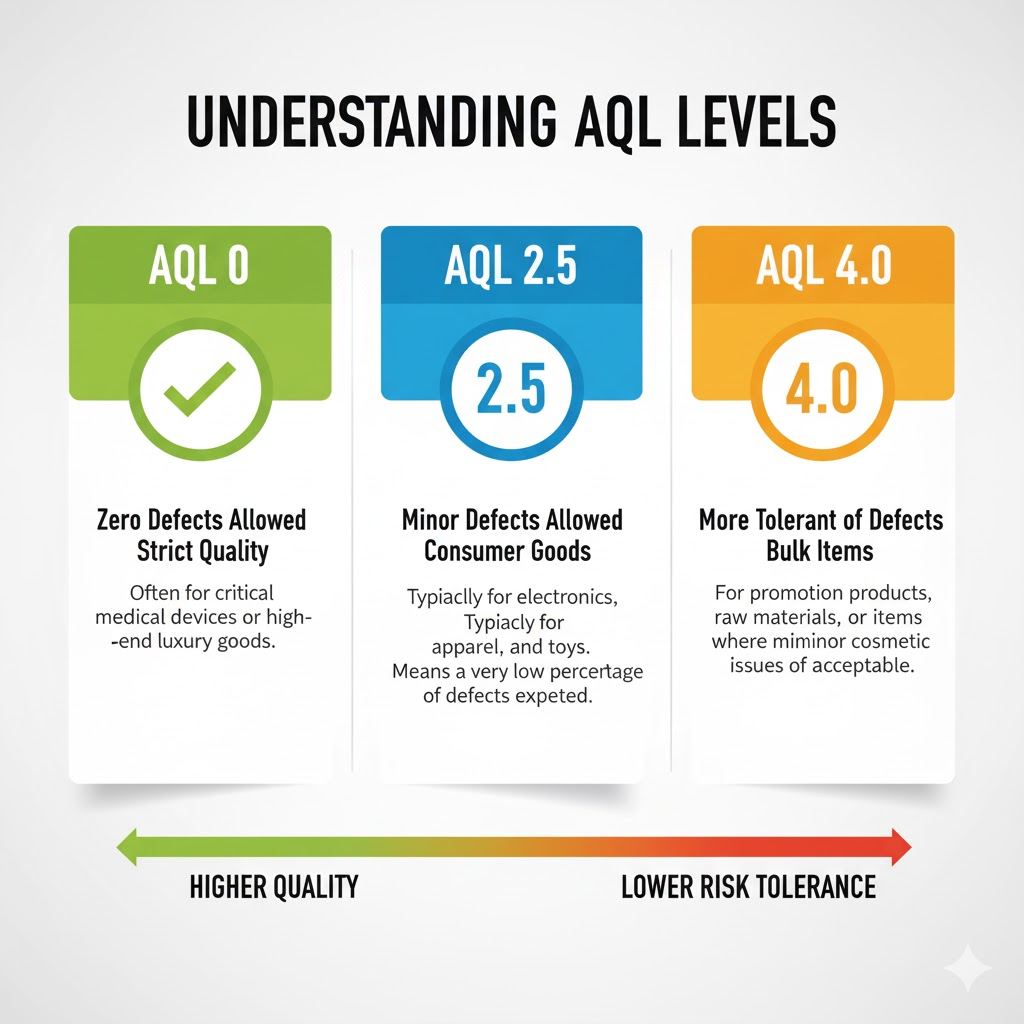
Every glass pipe that leaves a factory floor carries an invisible contract between buyer and manufacturer. That contract is not written in legalese. It lives inside a document most brands overlook until something goes wrong: the manufacturing tolerance spec. A spec sheet is the single most important tool for preventing the expensive, relationship-damaging misunderstandings that arise when a buyer expects one thing and the factory delivers something subtly different. Dimensions that are a fraction of a millimeter off. Joints that do not seat properly. Walls that are too thin to survive a drop test. These problems never start on the production line. They start at the drafting table, in the gap between what the brand imagined and what the factory understood. The dimensional behavior of hot glass during these checks follows the forming principles documented in the long craft literature on glassblowing.
At Elfglass, we have spent sixteen years translating brand visions into manufacturable glass products. Founder Ava Zeng built the company on a simple observation: “What kills a great idea is never the technology, but the communication gap and a lack of empathy.” That philosophy applies directly to how spec sheets are written, reviewed, and enforced. A well-constructed manufacturing tolerance spec is not a constraint on creativity. It is the bridge that allows creativity to survive contact with reality.
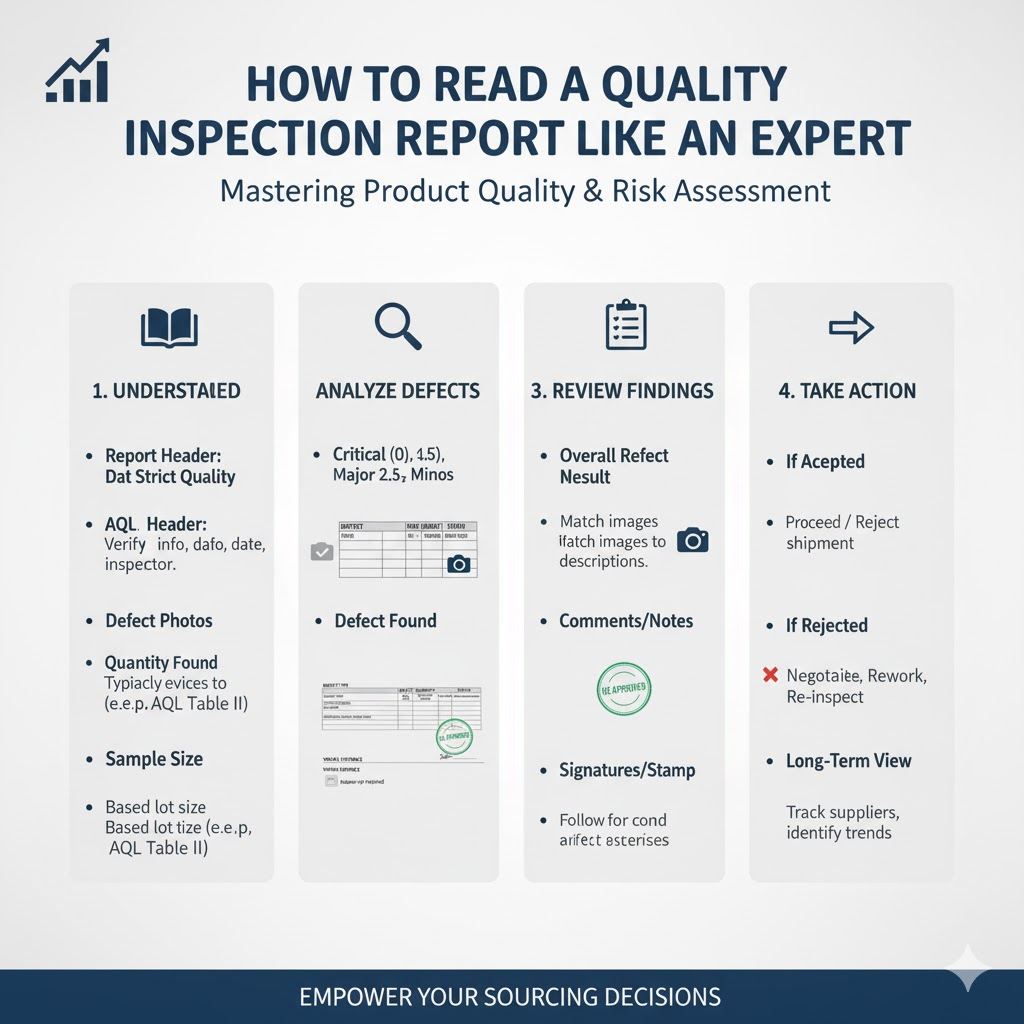
What a Glass Pipe Spec Sheet Covers
A comprehensive spec sheet for a glass water pipe, hand pipe, or dab rig typically addresses six categories of measurable attributes. Each category answers a different question about the finished product, and together they form a complete picture of what “correct” looks like.
Overall dimensions. Height, width, and depth measured at defined reference points. For water pipes, this includes the total height from base to the top of the downstem opening. For hand pipes, it includes length from bit to mouthpiece. The spec sheet should note where on the piece each measurement is taken, because glass is an organic material and curved surfaces do not always yield obvious measurement points.
Weight. Total piece weight in grams. Weight correlates directly with material cost, perceived quality, and shipping cost. A spec sheet that omits weight leaves the factory free to use as little glass as possible, which usually means walls that feel flimsy in the customer’s hand.
Wall thickness. Typically measured at the body, the base, and the neck. Wall thickness affects durability, heat retention, and the overall feel of the piece. It is one of the most common sources of disagreement between buyer and factory because it is difficult to measure without destructive testing unless the buyer has specified measurement points clearly.
Joint diameter and type. For any piece that accepts a bowl or downstem, the joint specification is critical. The spec sheet should state the joint diameter (commonly 10mm, 14mm, or 18mm), the gender (male or female), and the angle (45-degree or 90-degree). Even small deviations here mean the accessory will not fit, and a piece that cannot accept its bowl is functionally useless.
Color and finish. Pantone references, fuming specifications, or colorway descriptions. Finish includes whether the surface is glossy, matte, sandblasted, or features a custom logo applied through etching or printing. Color perception varies under different lighting, so a good spec sheet references physical standards or Pantone codes rather than subjective descriptions like “ocean blue.”
Packaging and labeling. While not a dimensional attribute, packaging specs belong on the same document because they define what the customer actually receives when the product arrives. Box dimensions, insert materials, branding placement, and barcode requirements all fall under this heading. For a deeper look at how packaging specifications integrate with product specs, see our guide on custom packaging design for glass brands.
Why Tolerances Matter More Than Target Dimensions
Stating a target dimension is only half the job. Glass is hand-formed. Even with molds, every piece varies slightly. The question is never “will it be exact?” but “how far from exact is still acceptable?” That is what a manufacturing tolerance spec defines: the boundaries of acceptability on either side of the target.

Consider a water pipe specified at 250mm tall. Without a tolerance range, the factory might deliver pieces ranging from 235mm to 265mm, and technically every one of them is “close.” But if your retail packaging is designed for a 250mm piece with tight foam inserts, a 265mm pipe will not fit. If your product photography shows a specific proportion, a 235mm pipe will look wrong to customers who compare the received item to the listing images. Tolerances protect your packaging, your brand presentation, and your customer experience.
The same logic applies to joint diameters. A 14mm joint that measures 14.8mm will not accept a standard 14mm bowl. The customer discovers this the moment they try to use the product, and the result is a return, a negative review, or both. Tight tolerances on functional dimensions like joint size prevent field failures. Looser tolerances on cosmetic dimensions like overall height keep production costs manageable without affecting the user experience.
The art of writing a manufacturing tolerance spec lies in knowing where to be strict and where to be flexible. Over-specifying every dimension wastes production time and increases rejection rates. Under-specifying leaves quality to chance. The sweet spot comes from understanding which dimensions your customer actually notices and which ones only matter to the factory.
Defining Acceptable Tolerance Ranges With Your Factory
The best spec sheets are not written by the buyer alone and handed down as law. They are developed collaboratively between the brand and the factory, because the factory understands what glass can and cannot do consistently. Here is a practical process for arriving at tolerance ranges that work for both parties.
Start with function. Identify every dimension that affects whether the product works. Joint diameters, downstem insertion depth, bowl seating surfaces, percolator clearance. These dimensions need the tightest tolerances because failure here means the product does not work at all.
Move to fit. Dimensions that affect how the product interacts with other things: packaging, accessories, display fixtures. These need moderate tolerances. The product works fine, but it needs to fit inside its box, sit properly on a retail shelf, or accept a standard accessory size.
Finish with form. Dimensions that are purely aesthetic: overall proportions, decorative element placement, color gradient boundaries. These can carry wider tolerances because small variations are invisible to the end user and are part of what makes handcrafted glass distinctive.
Once you have categorized your dimensions this way, sit down with your factory and ask them what they can hold consistently. A good factory will tell you honestly where they can achieve tight control and where glass behavior introduces natural variation. That conversation is where the manufacturing tolerance spec becomes a living agreement rather than a theoretical document.

The Role of Sampling in Validating Specs
A spec sheet on paper is a hypothesis. Sampling is the experiment that proves or disproves it. When Elfglass produces a sample, typically within 1 to 3 days, the purpose is not just to show the buyer what the product looks like. It is to measure every dimension on the spec sheet and confirm that the factory can hold the specified tolerances before committing to a full production run.
Effective sampling means measuring the sample against the spec sheet dimension by dimension, recording actual values, and flagging any that fall outside tolerance. If the sample reveals that a particular dimension cannot be held within the agreed range, the spec must be revised or the manufacturing process must change. This is normal. The sampling stage exists precisely for this kind of course correction.
Brands that skip sampling to save time or money are gambling. They may receive a production batch where nothing matches the spec, and by that point the cost of rejection, rework, or replacement falls entirely on the timeline and the budget. Sampling is cheap insurance. At Elfglass, the sampling phase is treated as a mandatory quality gate, not an optional step.
Inspect Real Production Glass Before You Commit
We ship COE 3.3 borosilicate samples in 1 to 3 days and back every order with a documented QC process and inspection report. Request a sample kit and judge the wall thickness, color, and finish yourself.
MOQ from 100 pieces | BSCI / WRAP / ISO 9001 | NDA before every project
ISO 9001 and Quality Documentation
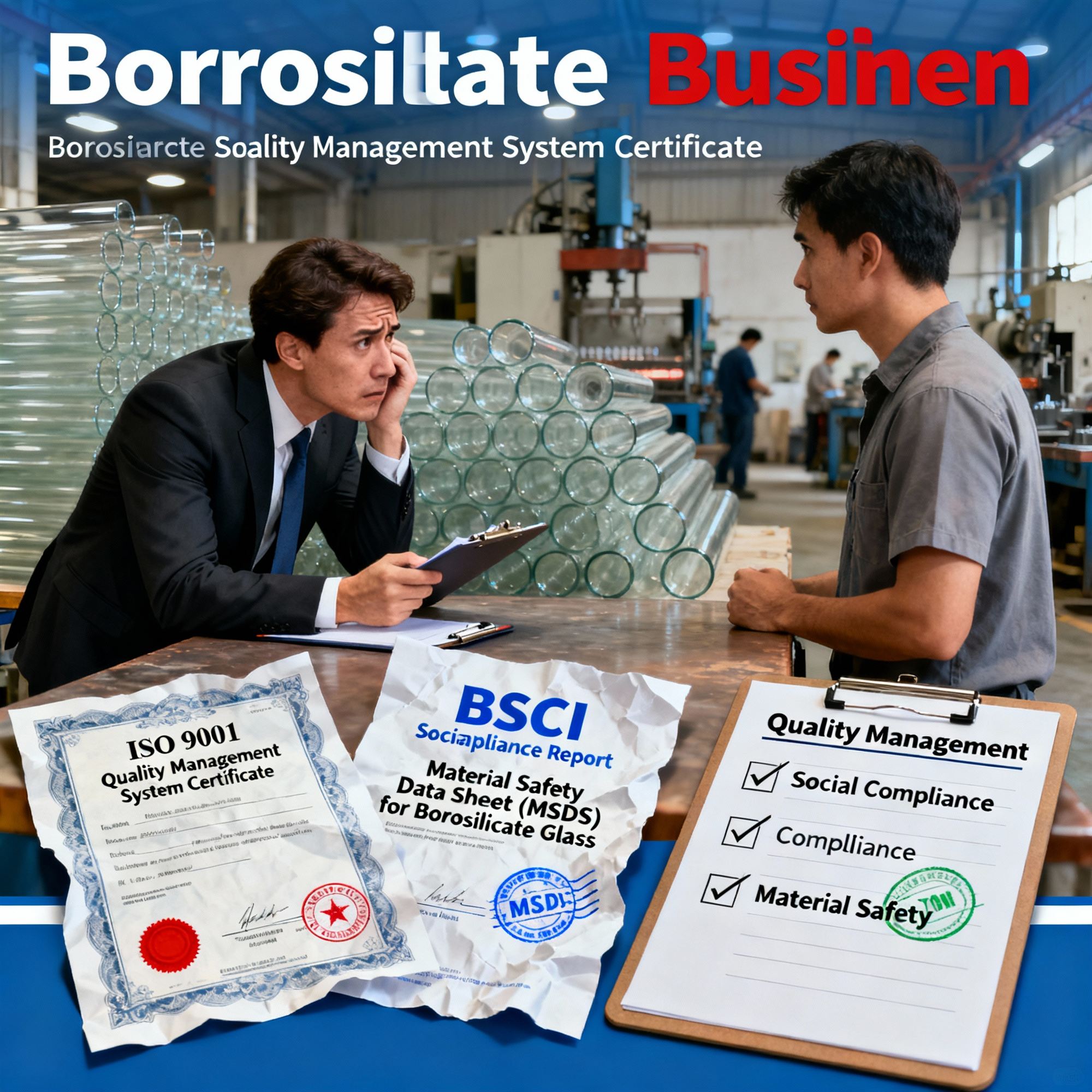
ISO 9001 certification provides the framework within which manufacturing tolerance specs are managed, documented, and enforced. The standard requires that quality objectives are defined, that processes are documented, and that deviations are tracked and corrected. For a buyer, working with an ISO 9001 certified factory like Elfglass means that the spec sheet is not just a suggestion. It is part of a documented quality system with defined procedures for inspection, non-conformance handling, and corrective action.
Beyond ISO 9001, Elfglass holds BSCI and WRAP certifications, which add social compliance and ethical manufacturing standards to the quality framework. These certifications signal to buyers that the factory operates with discipline and transparency across all dimensions of its business, not just product quality. When you are choosing a manufacturing partner for OEM or ODM glass pipes, these certifications reduce the risk that your spec sheet will be ignored or that quality issues will be hidden rather than addressed.
For brands developing their first custom glass product, the OEM production process at Elfglass walks through each stage from initial concept to final shipment, showing exactly where spec sheets and quality checks fit into the workflow.
A Practical Spec Sheet Template for Glass Pipes
The table below illustrates the kind of information a manufacturing tolerance spec should capture. Actual tolerance values depend on the specific product, the manufacturing method, and the agreement between buyer and factory. This template shows the structure, not fixed numbers.
| Parameter | Target | Tolerance | Priority | Measurement Method |
|---|---|---|---|---|
| Overall Height | As per CAD drawing | To be agreed with factory | Form | Caliper, base to top |
| Joint Diameter | 14mm / 18mm | To be agreed with factory | Function | Caliper at joint opening |
| Wall Thickness (body) | As per design | To be agreed with factory | Fit | Ultrasonic thickness gauge |
| Weight | As per approved sample | To be agreed with factory | Fit | Digital scale, 0.1g resolution |
| Color | Pantone reference | Visual match under D65 light | Form | Visual comparison to Pantone chip |
| Logo Placement | Per artwork file | To be agreed with factory | Form | Ruler from reference edge |
This template is a starting point. Every product will have additional parameters depending on its design complexity. The critical principle is that every row represents a conversation between buyer and factory, and every tolerance value should be agreed upon before production begins, not argued about after delivery.
Common Spec Sheet Mistakes Buyers Make
Copying specs from a different product. A spec sheet written for a borosilicate water pipe does not transfer directly to a soft glass hand pipe. Different materials behave differently, and the tolerances achievable in one may be impossible in the other. Always develop specs from the actual material and process you will use in production.
Specifying tolerances tighter than the process can hold. If your factory tells you they cannot hold a tolerance you have specified, listen to them. Insisting on impossible tolerances leads to high rejection rates, production delays, and a factory that is incentivized to hide defects rather than report them. Work with the factory’s capabilities, not against them.
Omitting measurement methods. A dimension without a defined measurement method is meaningless. Two people measuring the same glass pipe with different techniques can get different results. The spec sheet should state not just what to measure but how to measure it, with what tool, and at what point on the product.
Ignoring the approved sample. The signed-off sample is the physical embodiment of the spec sheet. If there is a conflict between the written spec and the approved sample, the relationship between the two should be explicitly documented. Does the sample override the spec for cosmetic attributes? Does the spec override the sample for functional dimensions? These rules need to be established before they are needed.
For brands exploring the difference between having a factory build to your spec versus having them develop the product for you, our guide on OEM vs ODM for glass pipes explains how spec sheet responsibility shifts between the two models.
Building a Spec Sheet Culture, Not Just Documents
The most successful buyer-factory relationships treat spec sheets as living documents that evolve with each product iteration. They review spec performance after every production run, tighten tolerances where customer feedback demands it, and relax tolerances where experience shows it is safe to do so. This is not bureaucracy. It is the disciplined practice that turns a one-off order into a reliable, scalable supply chain. Brands that invest in custom glass pipe branding understand this well, because logo placement, color matching, and finish consistency all depend on specs that are refined over successive runs.
Elfglass maintains a 1,000 square meter facility with a 20-person team producing 10,000 pieces monthly, and every order is governed by documented specs and quality procedures. With a minimum order of 100 pieces per design and production timelines of 7 to 12 days for orders above 100 pieces, there is ample opportunity to validate specs through sampling before committing to full production. If you are ready to start defining specs for your next glass product, reach out to our team to begin the conversation.
Whether you are developing wholesale water pipes, wholesale hand pipes, or wholesale dab rigs, the discipline of clear spec sheets separates brands that grow reliably from those that constantly fight fires. The manufacturing tolerance spec is where great product ideas become great product realities.
For a detailed comparison, see our guide on hand pipe ergonomics and design.
Frequently Asked Questions About Spec Sheets
What is a manufacturing tolerance spec for glass pipes?
A manufacturing tolerance spec defines the acceptable range of variation for each measurable attribute of a glass pipe, including dimensions, weight, wall thickness, joint diameter, and color. It tells both the buyer and the factory what “within spec” means and what falls outside acceptable limits.
Why can’t I just send a drawing to the factory?
A drawing shows intent but not acceptability boundaries. Without explicit tolerances, the factory must guess what variation you will accept, and those guesses often differ from your expectations. This leads to disputes, returns, and wasted production. Defining tolerances explicitly removes ambiguity and protects both parties.
How long does spec validation through sampling take?
At Elfglass, samples are produced within 1 to 3 days. The buyer should then measure the sample against every parameter on the spec sheet. If adjustments are needed, a revised sample can be produced quickly. The sampling cycle continues until the buyer and factory agree that all dimensions fall within the specified tolerances.
What happens if production pieces fall outside tolerances?
Under ISO 9001 quality management procedures, non-conforming pieces are documented, segregated, and either reworked or scrapped. The factory and buyer should agree in advance on the protocol for handling out-of-spec production, including who bears the cost and how replacement pieces are prioritized.
Can tolerances differ by product category?
Yes. A complex dab rig with multiple percolators will have different tolerance priorities than a simple hand pipe. Functional joints and percolator clearances need tight control on a dab rig, while a hand pipe may prioritize weight and wall thickness consistency. Each product should have its own spec sheet tailored to its specific functional and aesthetic requirements.
For buyers looking to grow beyond initial samples, this getting factory communication and revisions right guide provides detailed operational frameworks for the next stage of sourcing.
About the Author
Ava Zeng is the founder of Elfglass, a Shenzhen-based borosilicate glass pipe manufacturer serving B2B brands worldwide. Every guide on this site is grounded in her production-floor experience— the annealing lines, QC checkpoints, and export orders behind each claim.
Before you commit to a supplier, read her founder’s story and trust promise, and the guide to vetting a reliable glass pipe manufacturer— the same red-flag checklist Elfglass applies to its own suppliers.
Spec-sheet tolerances use the language of engineering tolerance, where acceptable deviation ranges are written into every critical dimension.
Ready to Source Custom Glass Pipes?
Get a free quote within 24 hours. MOQ from 100 pieces. NDA-protected design consultation.
